Nevada’s Form for an Out-of-State Purchase
Oh, the thrill of finding that perfect off-highway vehicle (OHV) – maybe it's a killer deal on a UTV in Arizona or that dream quad tucked away in a small town in Utah. You get it loaded up, drive it home to Nevada, and then reality hits: the paperwork. It can feel like a maze, especially when you're bringing a machine from another state into Nevada's registration system. This guide is here to untangle the specifics of that crucial piece of paper, Nevada Form OHV-012, and walk you through exactly what you need to do to get your out-of-state purchase legally registered and titled here in the Silver State.
The Unique Challenge of Bringing an Out-of-State OHV Home to Nevada
There's a special kind of headache that comes with buying an off-highway vehicle outside Nevada and then trying to get it squared away back home. When you buy from a Nevada dealer, they often handle much of the titling and registration for you, making the process relatively smooth. But when you venture across state lines for a private sale, or even a dealership that isn't familiar with Nevada's specific requirements, all that responsibility falls squarely on your shoulders. It's not just a matter of filling out a generic form; Nevada has particular steps for machines originating elsewhere.
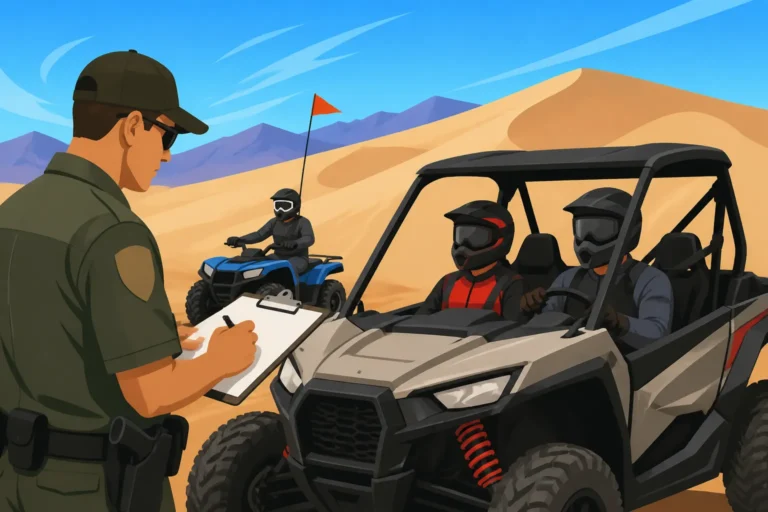
One of the biggest hurdles that many folks don't anticipate is the VIN inspection. Unlike a machine already titled in Nevada, any OHV coming from out of state absolutely requires a physical verification of its Vehicle Identification Number. This isn't something the DMV itself does, which can catch new residents or out-of-state buyers off guard. You'll need to find a licensed Nevada OHV dealer or a sworn peace officer to perform this inspection, adding an extra step to your already growing to-do list. It’s critical to remember that [Nevada OHV VIN Inspection Requirements] are non-negotiable for these types of machines. Without this inspection, your application will simply be denied, prolonging the wait for your coveted Nevada decal.
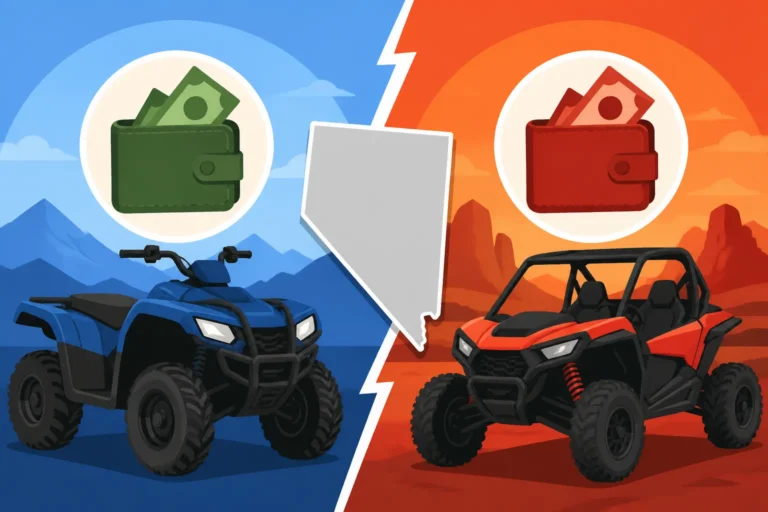
Another common frustration is simply knowing which form to use. Nevada's Department of Motor Vehicles (DMV) has several OHV-related forms, and picking the wrong one means starting over, wasting precious time and effort. For out-of-state purchases, there's a specific form designed to capture the unique details of a machine that hasn't previously been in Nevada's system. This form ensures that all the necessary information, from prior ownership to the purchase details, is accurately recorded, setting the stage for proper titling and registration in Nevada. The process can sometimes feel overwhelming, particularly when dealing with the financial implications. Be aware that [The Higher Nevada Title Fee for a Machine Out of State] applies to these situations, adding another layer to your planning.
Understanding Form OHV-012: The Application for Certificate of Ownership for an Out-of-State OHV
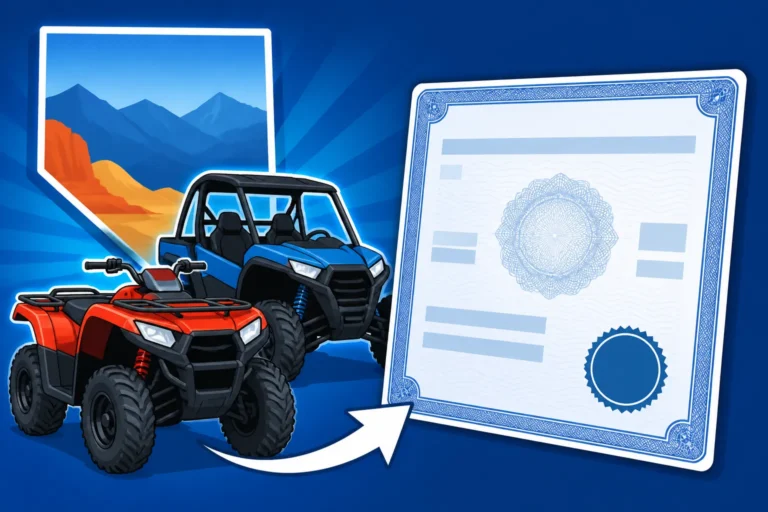
When you've acquired an off-highway vehicle from outside Nevada and plan to title and register it here, the form you absolutely need to familiarize yourself with is OHV-012. This isn't just a minor variation of other OHV forms; it's specifically tailored for machines that are essentially new to Nevada's system, having previously been titled, registered, or just sold in another state. It's crucial because it acts as your primary legal document to establish ownership and initiate the process of bringing your OHV into compliance with Nevada's regulations.
The main purpose of Form OHV-012 is to gather all the pertinent information about your new-to-Nevada OHV and its transaction history. It’s how the Nevada DMV establishes a clean chain of ownership and ensures that the vehicle hasn't been reported stolen or has any other encumbrances in its previous state. Without this form, correctly completed and submitted, you simply can't get a Nevada title or registration decal for your machine. This form covers everything from the vehicle's identifying details to the specifics of your purchase, including who you bought it from and when.
Think of Form OHV-012 as the official introduction of your out-of-state OHV to the state of Nevada. It allows the DMV to verify that the vehicle description matches the actual machine, especially through the mandatory VIN inspection, and confirms that you are the rightful new owner. This form also dictates the fees you'll pay, including both titling and registration costs, which can differ based on whether the machine is new or used, and where it originated. Getting this form right on your first attempt can save you a lot of backtracking and potential headaches down the line, ensuring a smoother journey to hitting those Nevada trails legally.
Step-by-Step: Filling Out Form OHV-012 for Your Out-of-State Purchase
Alright, let's roll up our sleeves and tackle Form OHV-012 itself. This isn't a form you want to rush through; accuracy is paramount to avoid delays. Gather all your purchase documents, like the bill of sale, the previous state's title (if one exists), and any other supporting paperwork before you even pick up a pen.
The form is generally broken down into several sections, each requiring specific information. You'll start with the Vehicle Description section (often Section A). Here, you’ll need to input the Vehicle Identification Number (VIN) precisely as it appears on the machine itself. This is where the VIN inspection becomes critical – the inspecting officer or dealer will verify this number. You'll also detail the make (e.g., Polaris, Can-Am, Honda), model (e.g., RZR XP 1000, Defender HD10, Rubicon), year, engine size (cc), fuel type, and body style (e.g., ATV, UTV, motorcycle). Double-check every single character here; a single transcription error can send your application back.
Next comes the Applicant Information (Section B), which is all about you, the new owner. Provide your full legal name, current Nevada address, driver's license number, and contact information. If there are multiple owners, list them all. This section ties the vehicle to its new custodian in Nevada. Then, you'll move to the Seller Information (Section C). This is where you detail who you purchased the OHV from – their name, address, and contact information. If you bought it from a private seller, having a comprehensive bill of sale is crucial here. Resources like LawDepot offer templates for bills of sale that can help ensure you capture all the necessary details from the seller, providing solid proof of your transaction.
The Purchase Information (Section D) is straightforward but important. You'll state the date you acquired the OHV and the purchase price. This figure is used to calculate any applicable sales tax, which you'll typically pay when you register. If you financed the purchase, the Lienholder Information (Section E) is where you'd list the bank or credit union that holds the lien on your OHV. They'll need to be accurately recorded for the title. Finally, the Certification (Section F) is where you, as the applicant, sign and date the form, attesting that all the information provided is true and correct to the best of your knowledge. This is a formal declaration of ownership and intent to comply with Nevada law. Remember that [Nevada's Thirty Day Clock After a Purchase] starts ticking from the acquisition date, so don't delay!
When you submit Form OHV-012, it's not just the form itself. You'll need to attach several critical supporting documents:
- The original out-of-state title: If the OHV had one, this is paramount. If not, acceptable proof of ownership from the previous state may be required.
- A Bill of Sale: This proves the purchase and the price paid. As mentioned, a detailed one from a source like LawDepot is highly recommended, especially for private sales.
- The completed VIN Inspection Certificate (OHV-001): This is the separate form filled out by the dealer or officer verifying your VIN. You cannot get an out-of-state machine registered without it.
- Proof of Identity: Your Nevada driver's license or ID.
- Payment for fees: Titling, registration, and potentially a VIN assignment fee.
Here's a quick checklist of what you'll generally need when submitting your out-of-state OHV paperwork:
| Document/Item | Description | Required? |
|---|---|---|
| Completed Form OHV-012 | Application for Certificate of Ownership for an Out-of-State OHV | Yes |
| Original Out-of-State Title | Proof of previous ownership (if applicable) | Yes |
| Bill of Sale | Proof of purchase and price paid | Yes |
| Completed VIN Inspection Certificate | Form OHV-001, signed by authorized Nevada dealer or peace officer | Yes |
| Photo ID | Nevada Driver's License or ID card | Yes |
| Payment for Fees | Titling, registration, and any applicable sales tax and VIN assignment fees | Yes |
| [Nevada OHV Registration Paperwork Checklist] | Consult this for a comprehensive list of all potential requirements | Highly Recommended |
What Happens After You Submit Your Out-of-State OHV Paperwork
Once you've meticulously filled out Form OHV-012, attached all the necessary supporting documents, and endured the VIN inspection, it's time to submit your packet to the Nevada DMV. You can generally do this either by mail or in person at a full-service DMV office. Many people prefer the in-person option for out-of-state purchases, as it allows for immediate feedback on any missing information or errors, potentially preventing a long delay. If you go in person, prepare for potential wait times, especially if you visit during peak hours.
Upon submission, a DMV technician will review your paperwork. They'll verify that all required fields are completed on Form OHV-012, that the VIN inspection form is properly filled out, and that your bill of sale and previous title (if applicable) clearly establish ownership. This is where attention to detail pays off! If everything looks good, you'll pay the necessary fees, which typically include a title fee, a registration fee (either [Nevada OHV Registration Fee for One Year] or for three years), and possibly a [What the $2 VIN Assignment Fee Buys]. Keep in mind that for out-of-state machines, the title fee might be slightly higher than for those already in the Nevada system.
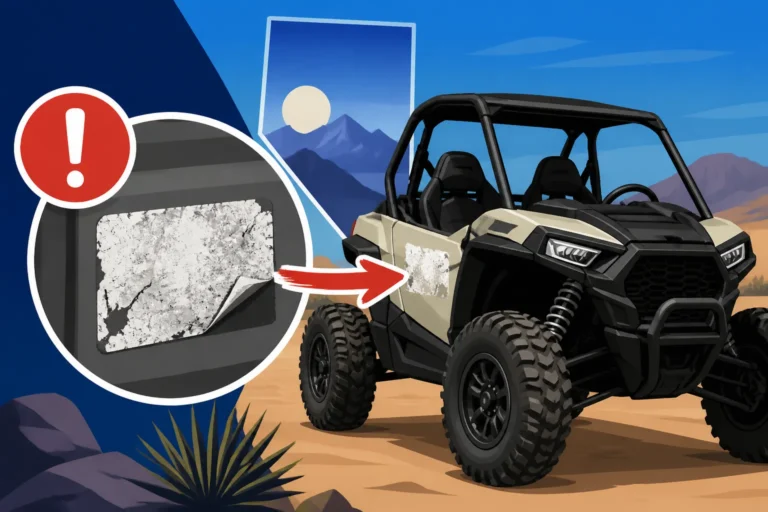
After processing, the DMV will issue you a Nevada Certificate of Title, which is your official proof of ownership in the state. You’ll also receive your Nevada OHV registration decal. This decal, which needs to be affixed to the left side or rear of your machine, signifies that your OHV is legally registered to operate on Nevada's vast network of public lands. It's important to understand [Why Nevada Issues a Decal and Not a Plate] for OHVs; the decal is your permit to ride. The processing times can vary depending on whether you submit in person or by mail, and the current workload at the DMV, but typically you can expect to walk away with a temporary registration and your decal if everything is in order and you've submitted in person. For mailed applications, you'll generally wait a few weeks for your decal and title to arrive. Keep in mind that [Nevada OHV Registration Processing Times] can fluctuate, so patience is key. With your new Nevada decal, you're all set to explore the beautiful desert trails and dunes that the Silver State has to offer!
Disclaimer
This article is for general informational purposes only and does not constitute professional advice. Laws, prices and regulations vary by location and change over time. Consult a qualified professional for guidance on your specific situation.