When a Decal Number Is No Longer Readable
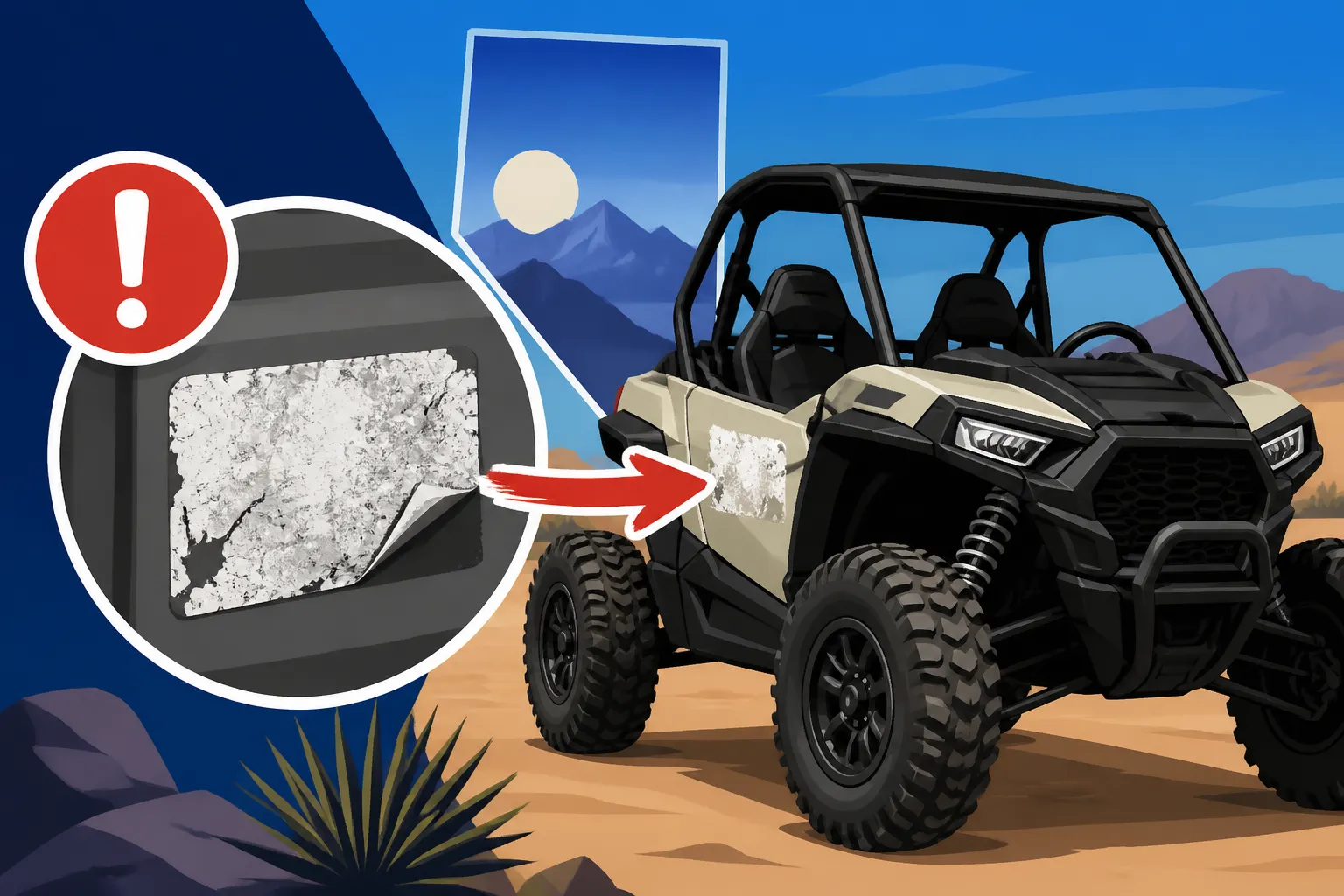
It’s a common frustration for off-highway vehicle (OHV) enthusiasts in Nevada: you pull out your beloved quad or side-by-side for a weekend ride, only to realize the crucial registration decal on its fender is practically unreadable. Whether it's faded by the relentless desert sun, scratched by brush, or simply worn away by countless washes, a decal that's lost its numbers can quickly turn a fun outing into a stressful encounter with law enforcement. This guide will walk you through exactly what to do when your Nevada OHV decal number is no longer legible, ensuring you can get back on the trails legally and with peace of mind.
The Problem with Faded or Damaged Decals
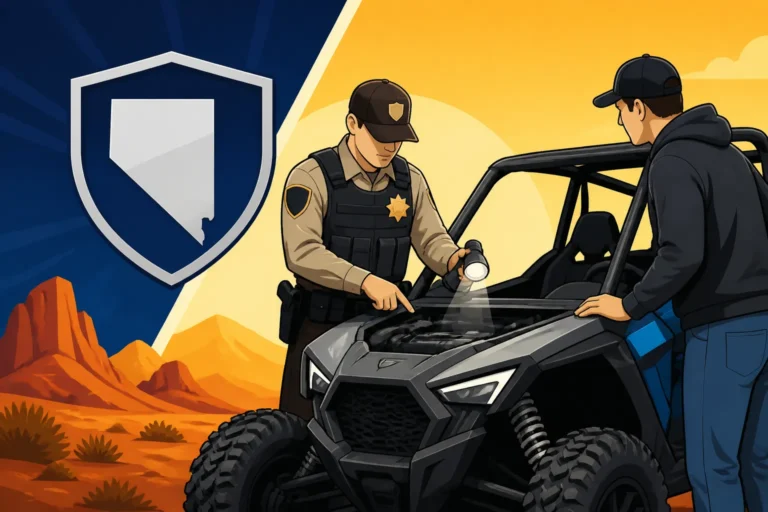
Picture this: you're enjoying the stunning scenery around Logandale Trails, maybe even near Valley of Fire. You've got your machine registered, you've paid your fees, and you're doing everything by the book. But then a ranger pulls you over for a routine check, looks at your decal, and squints. "Can't read the numbers, ma'am/sir," they might say. Suddenly, your perfectly legal machine seems to be operating without proper identification. It's not just an aesthetic issue; an unreadable decal creates a significant legal problem.
Why Decals Fade and Wear Out in Nevada
Nevada's environment is notoriously tough on vehicles, and OHV decals are no exception. The intense sun exposure, especially in summer, acts like a powerful bleach, slowly but surely fading the vibrant colors and clear numbers into an indistinguishable blur. It's a common complaint, and something many riders experience firsthand. [Decals Peeling Off in Desert Heat] is a real phenomenon, but even if the decal stays stuck, the ink might disappear.
Beyond the sun, dust and grit from the trails act like sandpaper, constantly abrading the surface of the decal. Frequent washing, especially with power washers or harsh detergents, can accelerate this wear. Even just loading and unloading your machine from a trailer, or brushing up against gear, can take a toll. It’s not a reflection of neglect, but simply the reality of enjoying your machine in the wild and wonderful landscapes Nevada offers.
What a Readable Decal Actually Proves
Your Nevada OHV decal isn't just a sticker; it's tangible proof that your machine is legally registered with the state. The unique number printed on it directly corresponds to your registration record in the Department of Motor Vehicles (DMV) system. When law enforcement officers, like a deputy in Washoe County or a ranger at Sand Mountain, check your OHV, they rely on that decal number to quickly verify your registration status.
Without a clearly readable number, there's no way for them to confirm that the machine is indeed registered or that you're the rightful owner with current paperwork. It essentially renders the decal useless as a form of identification, no matter how current your actual registration might be. It links directly to your registration card, providing immediate visual verification. [What a Nevada OHV Decal Actually Proves] is that you've fulfilled your legal obligation, and if that proof is obscured, you're in a tough spot.
Immediate Steps When Your Decal Becomes Unreadable
Discovering your decal is unreadable can be a frustrating moment, especially if you're already out on the trails. Your first instinct might be to just keep riding, thinking you have the physical registration card in your wallet. However, it's crucial to understand the implications and take immediate, proactive steps to rectify the situation. Ignoring it won't make the problem disappear, and could lead to bigger headaches down the trail.
Why You Cannot Ride With an Unreadable Decal
Let's be blunt: riding with an unreadable decal is a gamble you shouldn't take. From a legal standpoint, it's virtually the same as riding without a decal at all. The entire purpose of the decal is visual identification, and if the numbers are obscured, that purpose is defeated. A deputy might assume you’re unregistered, which can lead to a citation. [Nevada Citations for an Expired Decal] outlines the penalties for not having a valid decal, and while yours might be current, if it can't be read, it effectively isn't valid in the eyes of the law.
Beyond fines, there's a risk of your machine being impounded, especially if you can't immediately produce verifiable proof of registration. It’s not worth the potential hassle, cost, and interruption to your adventure. The moment you realize your decal is unreadable, it's best to cease riding the machine on public lands or trails until a replacement is secured. This often means carefully trailering it home or back to your camp.
Gathering Proof of Your Current Registration
Before you do anything else, locate your current OHV registration card. This small piece of paper is your primary proof of ownership and current registration. Hopefully, you've been diligently carrying it in a waterproof bag or within your vehicle's storage compartment, like discussed in [Carrying Documents in a Dry Bag]. If not, find it at home.
Even if the decal is faded, your registration card will have all the necessary details: your name, your machine's VIN, the decal number, and the expiration date. It's also a wise idea to have photos of this card on your phone, as detailed in [Photos of Paperwork on Your Phone], just in case you lose the physical copy. While a photo isn't a substitute for the physical decal, it is excellent backup proof of your registration status when dealing with the DMV for a replacement. A bill of sale or title can further support your claim of ownership, but the registration card is the gold standard for proving active registration.
The Importance of a Replacement Decal Application
Once you've confirmed your decal is unreadable and you've located your current registration card, your next crucial step is to apply for a replacement decal. This isn't just a suggestion; it's the official process to get a new, clearly readable decal on your machine. The DMV understands that decals wear out, and they have a procedure in place for this exact situation.
Applying for a replacement ensures that the state has an accurate record of your machine, and that you can continue to ride legally. You'll need to submit the appropriate form and pay a nominal fee for the new decal. It's far less costly and stressful than dealing with a citation or impoundment down the line. Think of it as simply maintaining your compliance and staying on the right side of the rules, protecting your investment and your enjoyment of Nevada's incredible OHV trails.
The Process for Obtaining a Replacement Nevada OHV Decal
Getting a replacement decal might seem like a chore, but the process is straightforward once you know the steps. It primarily involves filling out a form, paying a fee, and then waiting for your new, shiny decal to arrive. The Nevada DMV has streamlined these procedures, though it still requires a bit of your time and attention to detail to ensure everything goes smoothly.
Completing the Necessary Paperwork
The first step is to get your hands on the correct application form. You’ll typically need to complete an "Application for Duplicate Off-Highway Vehicle Decal/Registration" form. You can usually find this form on the Nevada DMV's website, or pick one up in person at a DMV office or a DMV-approved OHV dealer. While LawDepot offers templates for a wide array of legal documents, it's important to remember that for official state forms like this, you'll need the specific Nevada DMV form itself. However, using tools like LawDepot for other personal documentation reinforces the value of clear, accurate information, a principle that definitely applies here.
On the application, you'll be asked for key information about your OHV, including the Vehicle Identification Number (VIN), your personal details as the registered owner, and, if you can still partially make it out, the number from your old, faded decal. Even if the entire number is gone, providing the VIN and your current registration information is usually sufficient for the DMV to locate your record. Double-check every field for accuracy to avoid delays in processing.
Submitting Your Application and Fees
Once the form is meticulously filled out, you’ll need to submit it along with the required fee. The current cost for a replacement decal is generally quite reasonable, as detailed in [Replacement OHV Decal Cost in Nevada]. You typically have two primary options for submission:
- By Mail: This is often the most convenient method for many, especially if you don't live close to a DMV office or certified OHV dealer. You'll mail your completed application and payment to the OHV Section in Carson City. [Ordering a Replacement Decal From Carson City] confirms this option. Make sure your check or money order is for the correct amount and made out to the Nevada DMV.
- In Person: If you prefer face-to-face interaction or need a replacement quickly, you can submit the application and payment at a DMV office. Some approved OHV dealers may also be able to process replacement decal applications, so it's worth checking with your local dealer. Submitting in person can sometimes lead to faster processing, though it's not always guaranteed.
Always keep a copy of your submitted application and proof of payment for your records. This can be invaluable if there are any questions or delays down the road.
What to Do While You Wait for Your New Decal
The waiting game for your new decal can feel a bit antsy, especially if the trails are calling. However, it's crucial to understand that simply submitting the application doesn't grant you immediate permission to ride on public lands with an unreadable decal. The legal requirement is to display a valid and readable decal.
Therefore, while you wait for your replacement to arrive in the mail, you should avoid riding your OHV on any public land where registration is required. If you absolutely need to transport your machine, make sure it’s on a trailer. Keep your copy of the submitted replacement application and your current registration card with you, as these documents can help explain the situation to law enforcement if you're questioned while trailering. Think of it as a temporary pause on your riding adventures, prioritizing legal compliance over immediate gratification. It's a small inconvenience now to prevent much larger problems later.
Preventing Future Decal Wear and Tear
It's one thing to replace a faded decal, but it's another to proactively prevent it from happening again. Given Nevada's harsh conditions, taking a few extra steps can significantly extend the life of your new OHV decal and save you the hassle and cost of frequent replacements. A little forethought and protection can go a long way in preserving your compliance and your peace of mind.
Strategic Placement and Protection
When you receive your new decal, think carefully about its placement. While the law often specifies locations like the left side or rear, as mentioned in [Left Side or Rear: Where the Decal Goes], consider areas that might offer a little more shade or protection from direct sunlight and abrasive elements. For instance, on some UTVs, the rear bed might offer more shelter than a front fender that takes the brunt of direct sun and brush.
Additionally, consider investing in a clear protective film or laminate designed for decals. These thin, durable layers can act as a shield against UV rays, scratches, and cleaning chemicals, significantly prolonging the decal's life. You can often find these at powersports shops or online. Applying one over your new decal immediately after installation is a smart preventative measure.
Maintenance and Storage Tips
How you maintain and store your OHV also plays a critical role in decal longevity. When washing your machine, be mindful around the decal. Avoid directing high-pressure water directly at the edges, which can cause peeling, and use gentle, non-abrasive cleaners. This is especially true given how easily [Decals Peeling Off in Desert Heat] can occur if the adhesive is compromised.
Perhaps the most impactful prevention method is proper storage. Whenever possible, store your OHV in a garage, shed, or under a protective cover when not in use. This shields it from direct sunlight, dust, and weather, which are the primary culprits behind decal degradation. If you're camping and leaving your machine out overnight, even a simple tarp can offer some protection. Thinking proactively about all your important documents, much like you would if you were drafting an agreement using a service like LawDepot, can help ensure you have all your OHV details recorded elsewhere. This organized approach can help you prevent losing vital information, even if the physical decal fades again.
Digital Backups and What Rangers Accept
Even with the best preventative measures, sometimes decals just give up the ghost. This is why having digital backups of your registration is an excellent idea. Take clear, well-lit photographs of your new decal once it's applied, along with your physical registration card. Store these photos securely on your phone or in a cloud service. [Photos of Paperwork on Your Phone] are increasingly accepted by law enforcement as supplementary proof in many situations.
While a digital photo won't replace the physical decal required for riding, it can be incredibly helpful in a pinch. If you're ever questioned about a decal that's starting to fade or shows minor damage, being able to quickly pull up a photo of the original, clear decal number, along with your current registration card, can often smooth over a misunderstanding with a ranger or deputy. Just as you might use LawDepot for various agreements, consider creating a secure digital folder for all your OHV documents, including photos of your registration and decal. This proactive step can provide peace of mind and quick access to information if you ever need to replace a faded decal or prove its validity.
By being proactive, understanding the process, and protecting your investment, you can ensure your Nevada OHV adventures remain stress-free and fully compliant with state regulations.
Comparison: Riding with Readable vs. Unreadable Decal
| Aspect | Readable Nevada OHV Decal | Unreadable Nevada OHV Decal |
|---|---|---|
| Legal Status | Fully compliant with Nevada OHV registration laws. | Non-compliant; effectively similar to riding unregistered. |
| Law Enforcement Checks | Quick, easy verification of registration. | May lead to extended stops, questioning, and investigations. |
| Potential Fines/Citations | Unlikely, assuming other rules are followed. | High risk of receiving a citation for non-compliance. |
| Impoundment Risk | Minimal to none. | Moderate to high, especially without other proof of registration. |
| Riding on Public Land | Permitted. | Not advised; cease riding until a replacement is obtained. |
| Proof of Registration | Decal serves as primary visual proof, backed by card. | Requires physical registration card and potentially other documents to prove status. |
| Peace of Mind | High; confident in legal compliance. | Low; constant worry about potential legal repercussions. |
Disclaimer
This article is for general informational purposes only and does not constitute professional advice. Laws, prices and regulations vary by location and change over time. Consult a qualified professional for guidance on your specific situation.