Desert Tortoise Habitat and Your Route
Nevada ATV and UTV route planning steps help riders protect desert tortoise habitat and avoid wildlife during desert trips.
The map is not the permission.
National forest and BLM routes, state OHV parks, and club trails crossing private land — with the closures and passes that decide whether today counts.
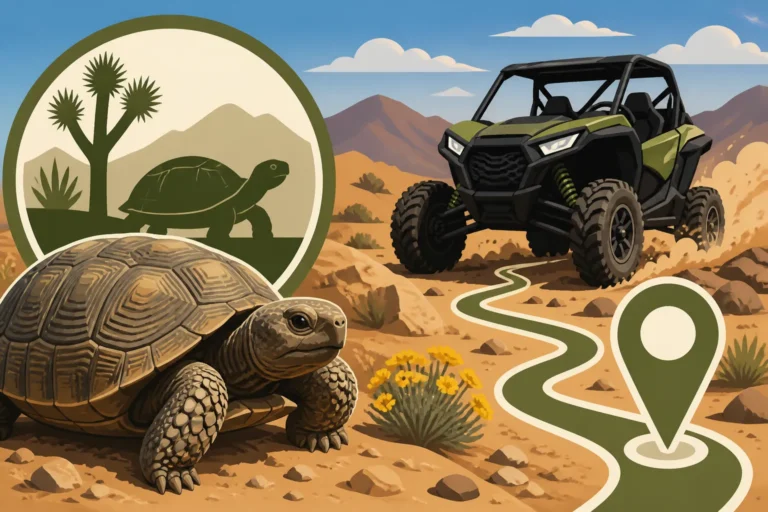
Nevada ATV and UTV route planning steps help riders protect desert tortoise habitat and avoid wildlife during desert trips.
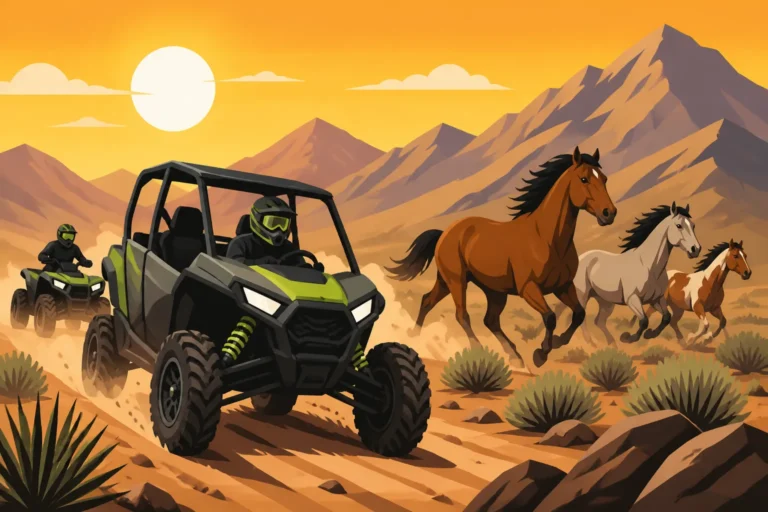
Nevada trail riders learn how to slow down early, give herds space, avoid startling animals, and plan safe routes on public lands.
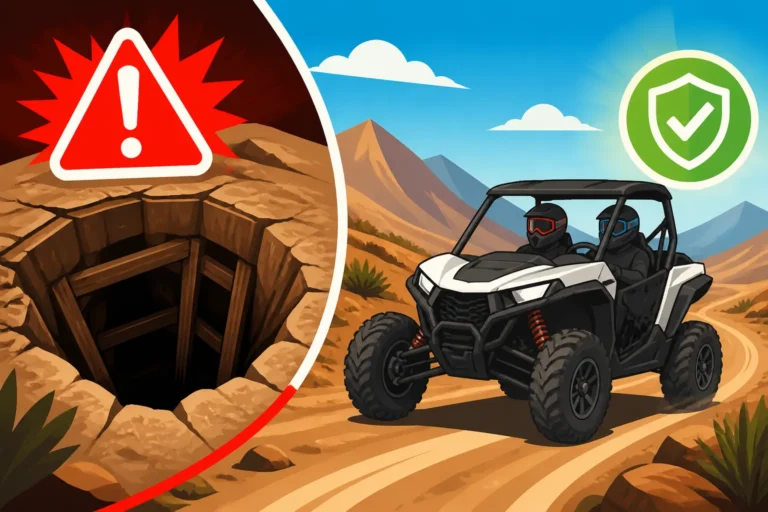
Nevada mining roads hide dangerous unmarked shafts, making it vital to stay on established routes and avoid unstable ground.
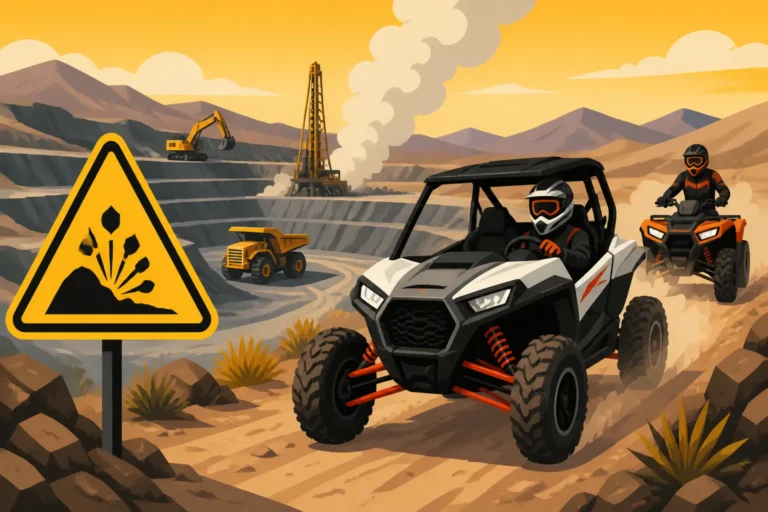
Nevada OHV riders near active mines learn how to plan safe routes, recognize hazards, verify land access, and contact the BLM.
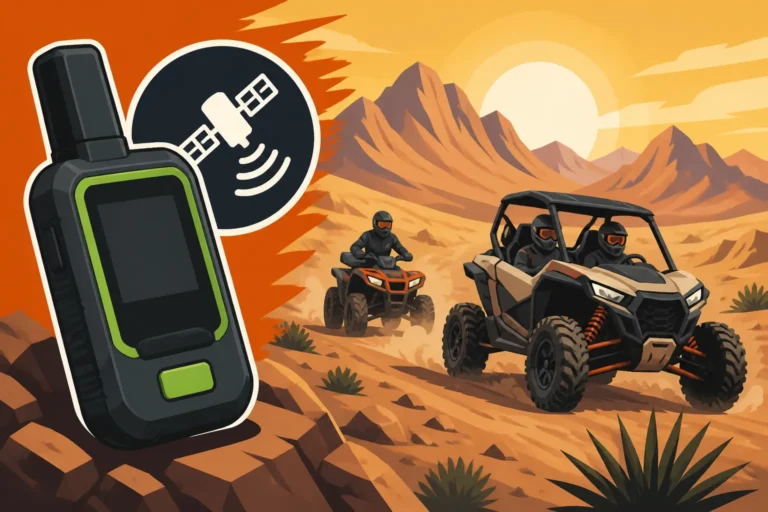
Satellite messengers for desert riding provide emergency help and communication when cell service fails on remote Nevada trails.
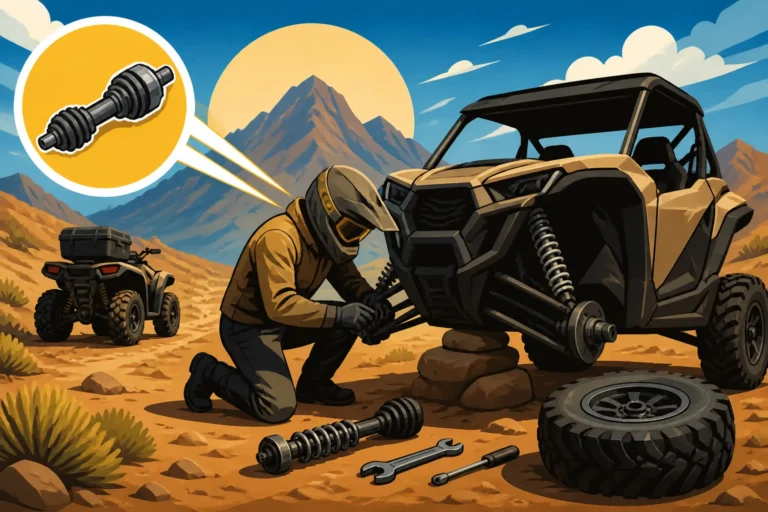
Nevada offroad vehicle breakdowns require stopping safely, checking for injuries, troubleshooting basic problems, and sharing precise coordinates.

Nevada sand temperature in midsummer explains heat hazards for riders and machines, protecting skin, equipment, and tires during desert trips.
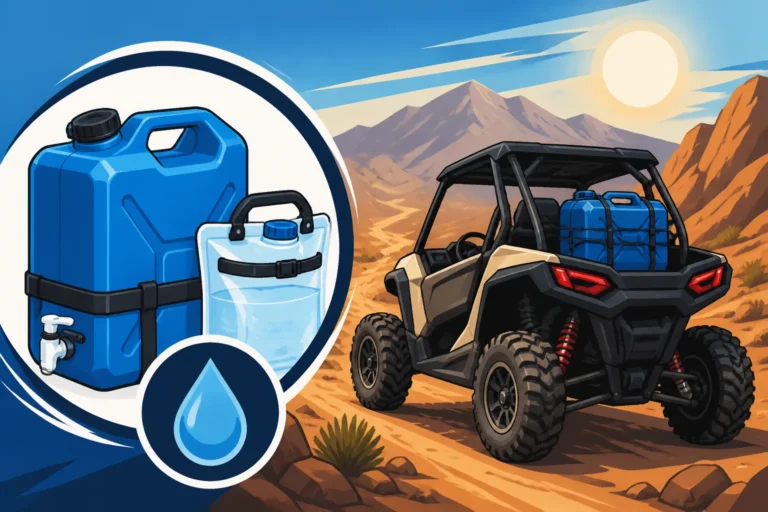
Nevada desert water planning methods help riders calculate hydration needs, estimate group delays, and pack safe reserves.

Nevada desert heat strains ATV and UTV cooling systems, causing engines to overheat during slow climbs or soft sand rides.
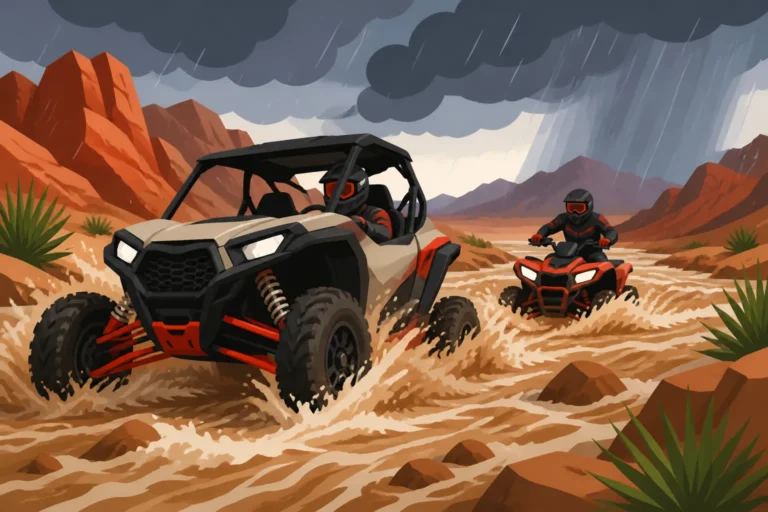
Desert flash flood safety planning explains how riders recognize hazards and make safer decisions during storms.