Registration Checks at Amargosa Big Dune
Picture this: you've loaded up your rig, driven out to the stunning Amargosa Big Dune, sun's shining, and you're ready for an epic day of riding. Then, a ranger pulls up, and suddenly, that excitement turns to dread as you realize you might not have all your paperwork in order. This guide is all about helping you avoid that pitfall, detailing exactly what registration checks entail at Amargosa Big Dune so your adventure goes smoothly.
The Critical Importance of OHV Registration in Nevada's Dunes
Riding off-highway vehicles (OHVs) in Nevada's incredible landscapes, like the vast and open Amargosa Big Dune, is an absolute blast. But with that freedom comes responsibility, and a big part of that is ensuring your machine is properly registered. It's not just a formality; it's a vital part of maintaining access to these areas and keeping everyone safe.
Why Amargosa Big Dune Matters for Enforcement
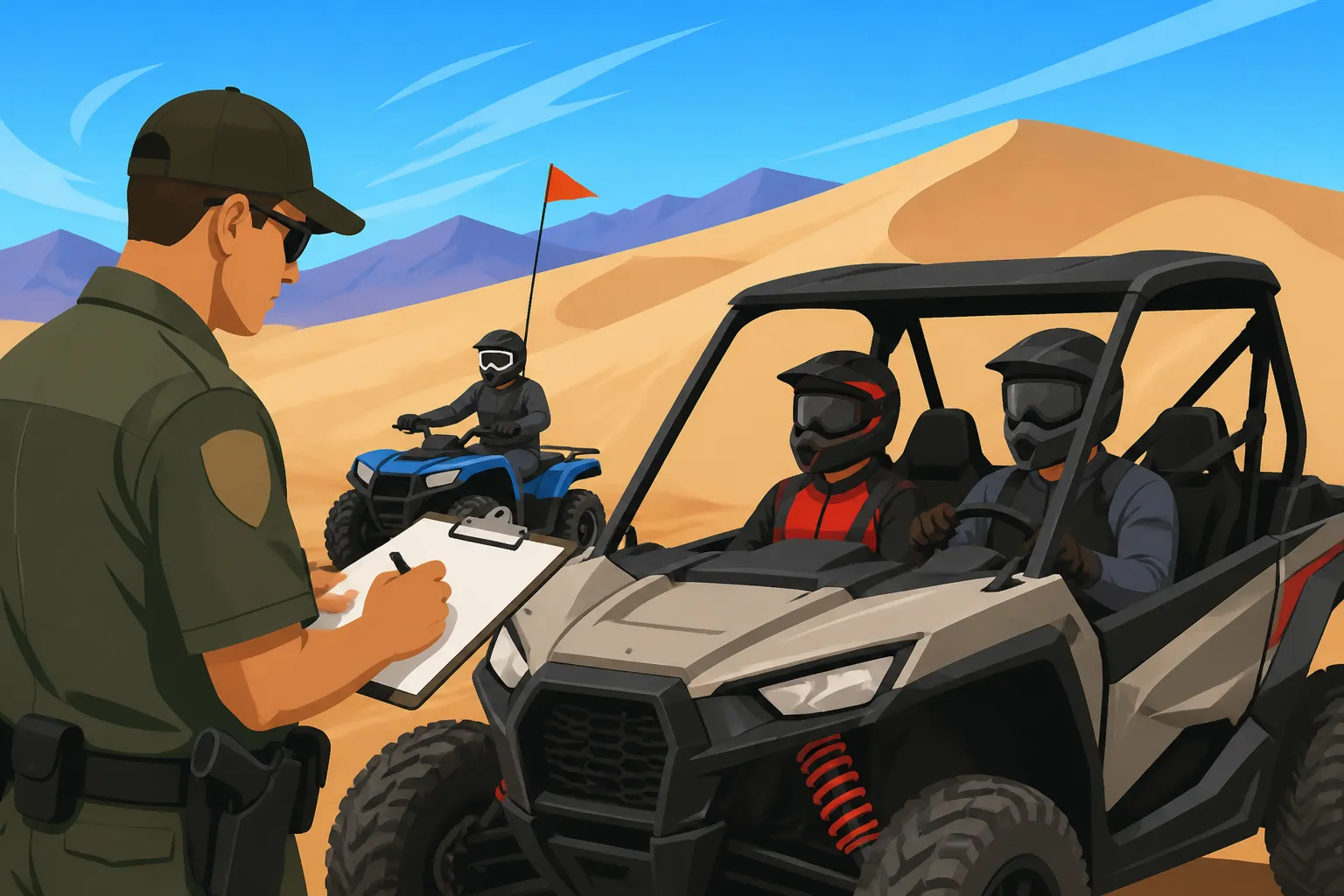
Amargosa Big Dune, located near Beatty, Nevada, is a fantastic spot for dune enthusiasts. Its sweeping, towering faces and challenging terrain draw riders from all over. Because it's a popular and accessible recreation area, it naturally sees a lot of visitors, which also means it's a place where law enforcement, often from the Bureau of Land Management (BLM) or local sheriff's departments, frequently conduct checks. They're not there to spoil your fun, but to ensure everyone is complying with state laws, which ultimately protects the environment and all riders. Getting pulled over out there, miles from town, can be a major inconvenience if your registration isn't current.
What Nevada's Registration System Achieves
When you register your OHV in Nevada, you're doing more than just putting a decal on your machine. You're contributing to a system that funds trail maintenance, public safety initiatives, and responsible land management. The fees collected help ensure that places like Amargosa Big Dune remain open and enjoyable for years to come. It also provides a clear way to identify machines and their owners, which is crucial in cases of theft, accidents, or other incidents on the trail. It helps create accountability and a safer riding environment for everyone.
What Law Enforcement Looks For at Amargosa Big Dune
When a deputy or ranger approaches your ATV or UTV at Amargosa Big Dune, they're typically looking for a few key things to confirm you're operating legally. It’s pretty straightforward, but missing even one piece can lead to a citation that puts a real damper on your day.
The Visible Decal and Its Placement
The first thing any enforcement officer will look for is your Nevada OHV registration decal. This isn't just a sticker; it's proof that you've paid your dues and your machine is officially recognized by the state. The decal needs to be clearly visible and affixed to the left-rear of your OHV. For ATVs, that often means on the left-rear fender. For UTVs or side-by-sides, it’s usually on the left-rear panel. It might seem like a small detail, but if it's missing, obscured, or not correctly placed, it can raise questions immediately. The decal carries a unique number, and it's what identifies your specific machine. If you're curious, you can learn more about [Nevada's $20 OHV Decal and What It Covers].
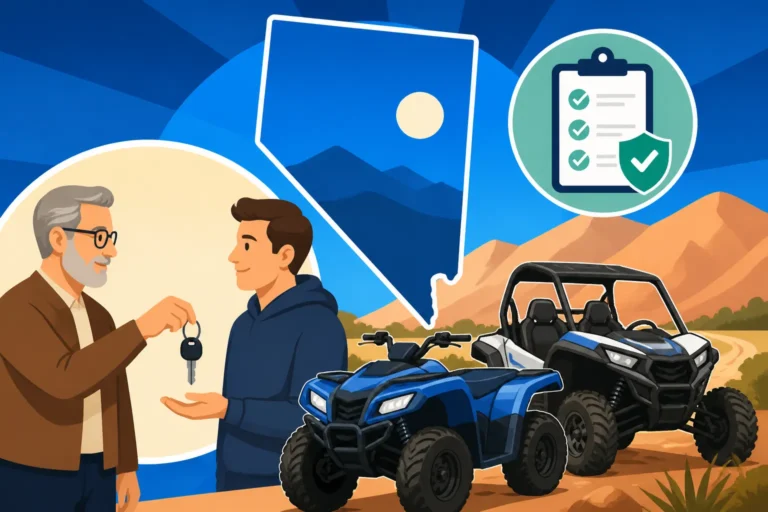
Proof of Ownership and Registration Documents
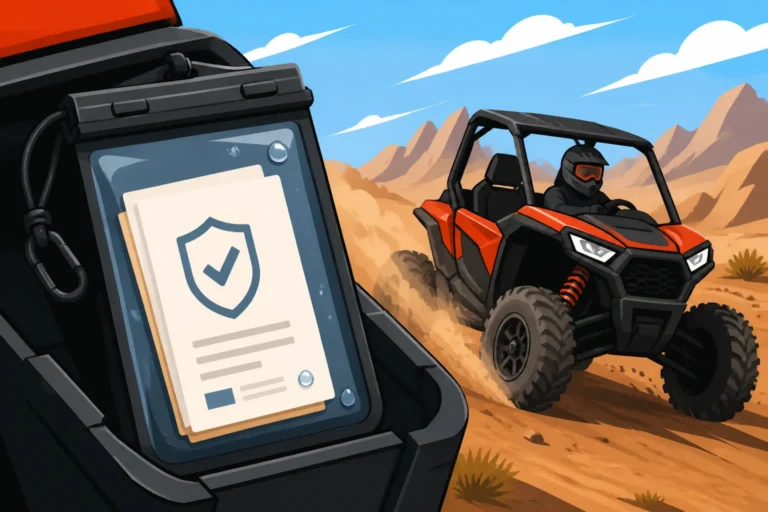
Beyond the decal, officers will often ask for your physical registration card. This small card is your official proof that the machine is registered to you and that the decal on your OHV is valid. It contains important information like the VIN, make, model, and the registration's expiration date. It's vital to carry this card with you whenever you ride. I always recommend keeping it in a waterproof bag or container—the desert dust and occasional splash can ruin paper documents quickly. If you've just bought a used ATV privately in Nevada, you'll also want to have your bill of sale and title handy until the new registration card comes in. [What the Registration Card Must Show] is incredibly important, as it lists all the details law enforcement will cross-reference.
The Crucial Role of VIN Checks
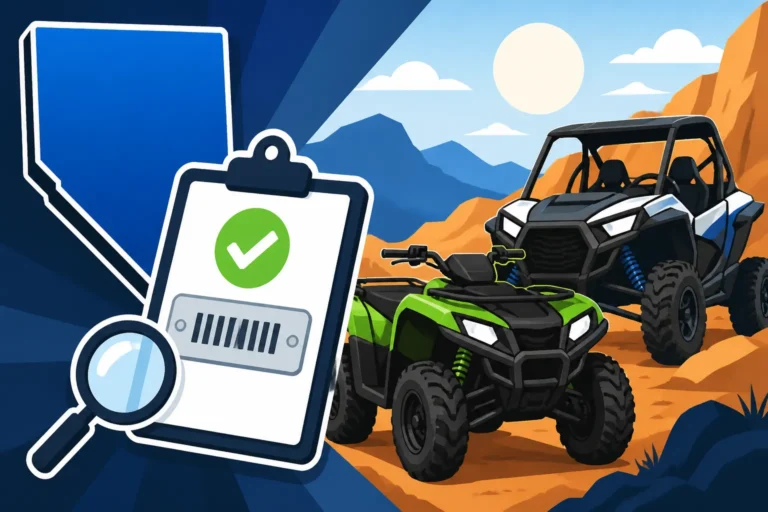
One of the more in-depth checks an officer might perform is a Vehicle Identification Number (VIN) verification. They'll compare the VIN on your machine directly with the VIN listed on your registration card and, if available, your title. This step is critical for several reasons: it confirms that the machine you're riding is indeed the one registered, helps prevent fraud, and ensures the machine isn't reported as stolen. While the Nevada DMV will not inspect your VIN for initial registration, licensed dealers or sworn officers can. It's a serious matter if the VINs don't match or if a VIN appears to be tampered with, so always double-check these numbers when purchasing an OHV, especially from a private seller.
Common Pitfalls and How to Avoid Them at Amargosa Big Dune
Trust me, there's nothing worse than having your epic dune day cut short by a preventable issue like an expired registration or missing paperwork. It's a frustration many riders have faced, but it's entirely avoidable with a little preparation.
Expired Decals and the Consequences
An expired OHV decal is one of the most common reasons riders get stopped and ticketed. Life gets busy, and it's easy to forget that renewal date. However, riding with an expired decal is treated the same as riding unregistered, and fines can apply. Nevada imposes [Nevada's $10 Late Fee on an Expired OHV Decal] if you don't renew on time, and that's just the renewal fee; a citation for operating an unregistered vehicle is an entirely separate matter. Don't let a simple oversight turn into an expensive headache. Always check your decal's expiration date before you head out, especially for a big trip to a place like Amargosa Big Dune. Setting a reminder on your phone or marking it on a calendar can save you a lot of grief. I’ve seen enough riders get a ticket, just like those who might be [Riding Nellis Dunes on an Expired Decal], to know it's a real buzzkill.
Missing Paperwork and Proving Ownership
Sometimes, the paperwork goes missing. Maybe it fell out of your glove box, got soaked in a rainstorm, or you simply misplaced it after a move. While having your decal on the machine is a good start, not having the physical registration card can still cause problems. If an officer asks for it and you don't have it, proving you're the rightful owner and that the machine is legally registered can become a drawn-out process. This is especially true if you bought the machine recently. When you're [Buying a Used ATV Privately in Nevada], it’s crucial to get a comprehensive bill of sale and the signed-over title immediately. Keep these documents, or at least clear copies, with you. Services like LawDepot can be incredibly helpful for generating a professional, legally sound bill of sale if you're buying or selling privately, ensuring you have all the necessary details documented. Having a strong [What a Nevada ATV Bill of Sale Should Carry] document can truly save you in a pinch.
Non-Resident Rules and Reciprocity
Visitors to Nevada's OHV areas, including Amargosa Big Dune, often wonder about registration requirements if their machine is registered in another state. Nevada does offer some reciprocity, but there are rules. Generally, non-residents with a valid OHV registration or permit from their home state can ride in Nevada for up to 15 consecutive days. This is a great perk, but you must have your out-of-state registration physically with you, and it must be current. If you plan to stay longer or ride frequently in Nevada, you'll need to register your OHV in Nevada. Always check the specific rules regarding [Do Nonresidents Need a Nevada OHV Decal?] and understand [Nevada's 15-Day Window for Out-of-State Machines] to avoid any surprises. Don't assume your state's decal automatically grants you unlimited access in Nevada; it's a common misconception that can lead to fines.
Ensuring You're Ready for Your Amargosa Big Dune Adventure
Getting ready for a ride at Amargosa Big Dune should be exciting, not stressful. A little proactive planning for your registration and paperwork can make all the difference, ensuring your focus stays on the thrills of the ride, not on potential legal hassles.
Pre-Ride Checklist for Registration
Before you even load your OHV onto the trailer for a trip to Amargosa Big Dune, run through this quick checklist:
- Check Your Decal: Is your Nevada OHV decal securely affixed to the left-rear of your machine? Is it clean and clearly visible? Most importantly, is it current and not expired? Double-check the expiration month and year.
- Locate Your Registration Card: Make sure you have your physical Nevada OHV registration card. Confirm that the VIN on the card matches your machine's VIN.
- Protect Your Documents: Place your registration card (and title, if you're still waiting for a new registration after a purchase) in a waterproof, dustproof bag or container. Desert conditions are tough on paper.
- Consider Copies: While originals are best, having clear photos of your registration and title on your phone can be a helpful backup, though not always accepted as primary proof by all officers.
- Non-Residents: If you're visiting, ensure your out-of-state registration is current and you understand Nevada's 15-day reciprocity rule.
Taking these few minutes can prevent hours of frustration and potential fines.
Resources for Nevada OHV Registration
If you discover your registration is expired, or you need to register a new-to-you machine, Nevada has resources to help. The best place to start is [The Nevada DMV OHV Section] website. They have all the forms and instructions you'll need. You can often [Renewing Nevada OHV Registration Online], which is super convenient and saves a trip to a DMV office or OHV dealer. For new registrations or transfers, you might need to visit a licensed OHV dealer or the DMV to process the paperwork and get your new decal. Remember, Nevada's system is designed to be accessible, but it's up to you to stay on top of your responsibilities.
Legal Documentation Assistance
For private sales or transferring ownership, having proper documentation is absolutely key. Whether you're selling your old quad to upgrade or buying a new side-by-side from a friend, a comprehensive bill of sale protects both parties. This is where online legal document services come in handy. For example, LawDepot offers customizable templates for bills of sale and other essential legal documents, ensuring you include all the required information specific to your state and vehicle. Using a service like LawDepot can give you peace of mind that your ownership transfer is legally sound, which is crucial if you ever need to prove ownership or deal with unforeseen issues down the road. It ensures that when it comes time to register that machine, all your ducks are in a row from the start, avoiding any confusion about [Reading a Nevada OHV Decal Number] or the VIN.
Common OHV Registration Issues and Solutions
To help you quickly identify and resolve potential registration headaches before your next trip to Amargosa Big Dune, here's a handy overview:
| Issue | Description | Solution |
|---|---|---|
| Expired Decal | Your current registration decal's expiration date has passed. | Renew your registration online via the Nevada DMV OHV Section, by mail, or at a licensed OHV dealer. Pay any applicable late fees. |
| Missing Registration Card | You have the decal, but the physical card is lost or misplaced. | Order a duplicate registration card from the Nevada DMV OHV Section. Keep a clear photo of your registration on your phone as a temporary backup, but still get the official card. |
| Incorrect Decal Placement | Decal is not on the left-rear of the machine, or is obscured. | Re-affix the decal in the correct, visible location. If it's damaged or peeling, [Ordering a Replacement Decal From Carson City] is an option. |
| Buying a Used OHV (Private) | You've purchased a machine without proper transfer of ownership documents. | Ensure you receive a signed-over title (if applicable) and a detailed bill of sale from the seller. Use a service like LawDepot to create a robust bill of sale if the seller doesn't provide one. Then, promptly apply for a new title and registration in your name. |
| Non-Resident Overstaying 15 Days | You've ridden in Nevada for more than 15 consecutive days with an out-of-state registration. | You must register your OHV in Nevada. Gather your proof of ownership and complete the Nevada OHV registration process. |
| Damaged/Unreadable Decal | The decal is torn, faded, or unreadable due to wear or sun exposure. | Order a replacement decal from the Nevada DMV OHV Section. You'll need your registration number. |
Ultimately, being prepared means peace of mind, especially when you're out enjoying the incredible landscapes Nevada has to offer. Safe riding!
Disclaimer
This article is for general informational purposes only and does not constitute professional advice. Laws, prices and regulations vary by location and change over time. Consult a qualified professional for guidance on your specific situation.