Nevada OHV Registration for a Dealer Demo Machine
For Nevada off-highway vehicle (OHV) dealers, managing demo machines isn't just about showing off the latest models; it's about navigating a very specific set of registration requirements to ensure everything is above board. It can be a real headache trying to understand how these machines, which aren't quite "inventory" but aren't yet "sold," fit into the state's OHV laws. This guide will walk you through the nuances of registering dealer demo machines in Nevada, helping you keep your operations smooth and compliant.
Understanding Dealer Demo Machines in Nevada
Let's face it, for an OHV dealership, demo machines are the lifeblood of sales. How else do potential buyers get to feel the thrill of that new side-by-side or the agility of an ATV without getting behind the handlebars? But these aren't just any OHVs. They serve a unique purpose, blurring the lines between inventory and personal use, and Nevada law treats them with specific considerations. It's not the same as registering a machine for a customer, nor is it simply letting unregistered inventory sit on the lot.
What Qualifies as a Demo Machine?
A "demo machine" for a dealership isn't just any vehicle you have on display. It's typically an OHV that's pulled from your inventory with the express purpose of being used for test rides, promotional events, or temporary loaners to potential customers or for media reviews. It's an active tool in your sales arsenal. The key here is that it's being operated on public lands, or even sometimes on designated private test tracks that might require similar compliance. This active use immediately triggers Nevada's OHV registration laws, which are designed to cover machines being operated, not just owned, in the state. If it’s going to touch dirt off your private property, it needs to be ready.
Why Demo Machines Need Special Registration
You might wonder why a dealer, who moves dozens or hundreds of machines a year, would need to go through the registration process for a demo. The simple answer is public operation. Nevada Revised Statutes (NRS) Chapter 490 requires that most OHVs operated on public lands within the state must be registered and display a valid decal. While your general inventory sits in your showroom or on your lot, it's considered property, not an operating vehicle. The moment that machine leaves your controlled, private property and ventures onto public trails or roads (even short distances to a test track), it transitions from inventory to an operating OHV, subjecting it to the same rules as any private owner's machine. This means it needs a [Nevada's Annual OHV Registration] or a three-year decal, just like anyone else's ride. The state wants to ensure all vehicles contributing to trail wear and tear, or those potentially involved in incidents, are identifiable and that their operators are aware of the rules.
The Specifics of Registering a Demo OHV in Nevada
So, you've got a shiny new UTV that's just begging for a test run, and you want to ensure it's legally ready for action. The process for a dealer demo machine is very similar to what a private citizen would go through, but with the dealer taking on the role of the "owner" during the demo period. It's about establishing legal temporary ownership for operational purposes.
Required Paperwork and Forms
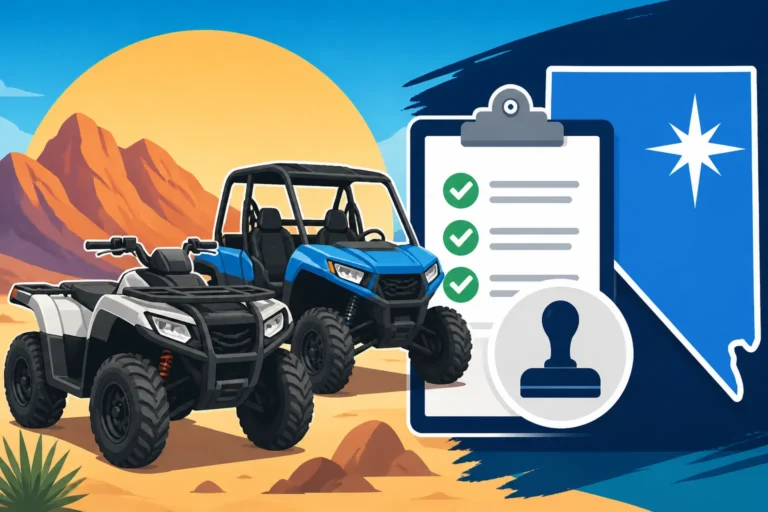
When you, as a dealer, register a demo machine, you'll generally be using the same application forms as a private individual. This means you’ll typically complete an Application for Registration/Title of an Off-Highway Vehicle (often form OHV-001 or similar, depending on the current version). You'll need to provide the vehicle's details: make, model, year, and of course, the all-important Vehicle Identification Number (VIN). Proof of ownership, like the Manufacturer's Certificate of Origin (MCO) or a title if it's a used machine you're using for demo purposes, will be required. Remember, Nevada wants to see a clear chain of custody. You'll also be declaring your dealership as the registrant, essentially making the dealership the "owner" for the purpose of operational registration. This is crucial for distinguishing it from sold units or purely inventory machines. When gathering your documents, it's wise to consult the [Nevada OHV Registration Paperwork Checklist] to make sure you have everything in order before submission.
The VIN Inspection for Dealer Demos
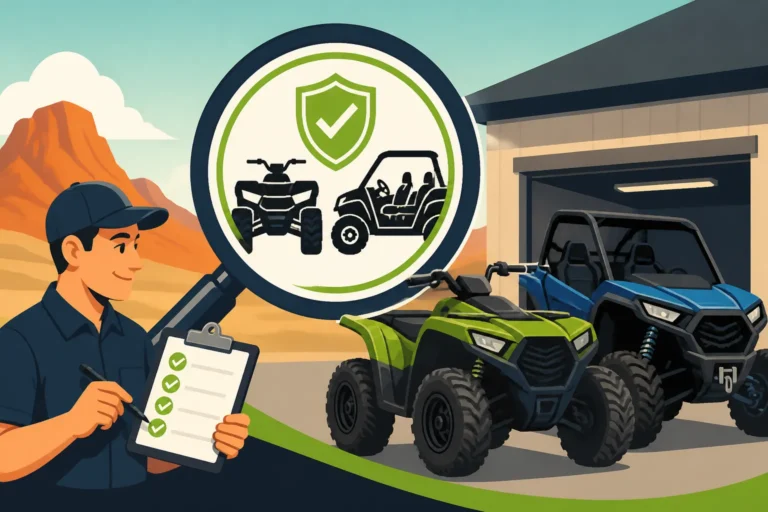
Just like any other OHV being registered in Nevada, a demo machine will need a VIN inspection. Now, this is where it gets a little interesting for dealers. While the Nevada Department of Motor Vehicles (DMV) generally handles titling and registration, they have a specific rule: [The VIN Inspection Nevada DMV Will Not Do]. Instead, for OHVs, a VIN inspection must be completed by a qualified entity. For dealers, this is usually straightforward:
- Your Own Licensed Dealer Staff: If your dealership is licensed to perform VIN inspections (many are), you can have one of your certified employees complete the inspection. This is often the most convenient method for getting your demo machine ready quickly. It saves a trip and keeps the process in-house. [Which Dealers Can Inspect a VIN in Nevada] is a good resource if you're unsure about this.
- Another Licensed Dealer: In some cases, if your dealership isn't equipped or certified to do them, you might arrange for another licensed OHV dealer to perform the inspection.
- Law Enforcement: As a last resort, a sworn peace officer can perform the VIN inspection. However, relying on law enforcement can sometimes lead to delays, as their primary duties often take precedence.
The purpose of the VIN inspection is to verify that the VIN on the machine matches the documentation and that the machine itself isn't stolen or cobbled together from parts without proper identification.
Fees and Decal Issuance
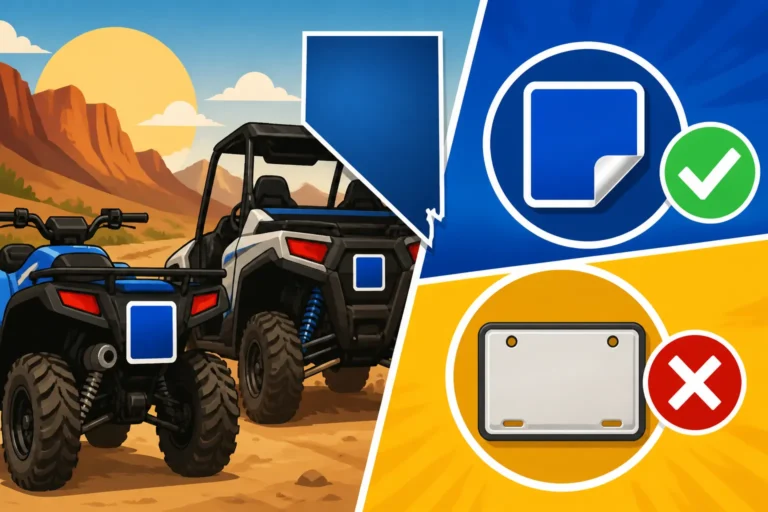
Once all your paperwork is submitted and the VIN inspection is complete, you'll pay the applicable registration fees. Nevada offers options for a [Nevada OHV Registration Fee for One Year] or a [Nevada OHV Registration Fee for Three Years]. For a demo machine, many dealers opt for the one-year registration to keep things flexible, especially if their demo fleet rotates frequently. After processing, the state will issue a registration decal. This decal, not a license plate, serves as proof of registration and must be affixed to the OHV in a visible location, typically on the left rear fender for ATVs or the rear for UTVs. [Why Nevada Issues a Decal and Not a Plate] explains the reasoning behind this unique identifier. Remember, as a dealer, there's also a [What Nevada's $2 Dealer Submission Fee Pays For] that applies to each application submitted through a dealer. While this is typically passed on to customers, it's part of the overall cost when you're registering your own demo machine.
Navigating Ownership and Usage for Demo Machines
Once your demo machine is registered, you're all set to let prospective buyers experience its capabilities. However, it's vital to understand the nuances of this temporary registration and what it means for both your dealership and the potential customers who will be riding it. The goal is to facilitate sales while remaining compliant with all regulations.
Who is the "Owner" During the Demo Period?
During the demo period, your dealership is the registered owner of the OHV in Nevada's eyes. This means your dealership is responsible for ensuring the machine is operated legally, responsibly, and in accordance with all state and federal regulations. While a customer might be test-driving it, the legal responsibility for the registered machine ultimately falls back on the entity that registered it. This temporary ownership is specifically for operational purposes and does not change the fact that the machine is still part of your dealership's inventory until a sale is finalized and the title is transferred to a new private owner. Clear internal policies and agreements for demo use are essential.
Transferring Ownership After a Sale
The beauty of a registered demo machine is that it's already "legal" to operate. When a customer decides to purchase that very demo unit, the process becomes smoother. You, as the dealer, will then process the sale as you would with any other new machine. This involves transferring the title and completing a new registration application in the buyer's name. The existing demo registration will effectively be replaced by the new owner's registration. The customer will pay their own [Cost to Title an ATV in Nevada] and registration fees. The good news is that because the machine was already properly identified and registered, some of the initial hurdles (like the VIN inspection) have already been cleared, though a new application will still be necessary for the new owner. Your role then shifts to assisting the new owner in completing their own [Registering an ATV in Nevada] process. You’ll be ensuring they get the [Titling an Off-Highway Vehicle in Nevada] in their name.
Limitations and Best Practices for Demo Use
Even with a registered demo machine, there are some important limitations and best practices to keep in mind:
- Supervision: While customers can test-drive, it’s advisable to have staff supervise demo rides, especially on unfamiliar terrain or with inexperienced riders. This mitigates risks and allows for immediate instruction.
- Usage Agreements: Always have a clear usage agreement for anyone test-driving a demo machine. This document should outline responsibilities, acknowledge risks, and confirm the rider's license and experience level. Services like LawDepot can be incredibly helpful for creating robust, legally sound agreements quickly and efficiently, ensuring you protect your business.
- Condition Monitoring: Regularly inspect your demo machines for wear and tear. These machines get ridden hard, and you want to ensure they remain safe and perform well for every potential buyer.
- Mileage/Hours Tracking: Keep track of the hours or mileage accumulated on demo units. This is important for valuation when selling the machine, as well as for maintenance scheduling.
- Insurance: Ensure your dealership's insurance policy specifically covers demo machines during test drives and promotional activities. This is non-negotiable for protecting your assets and liability.
Common Pitfalls and Best Practices for Dealers
Running an OHV dealership in Nevada comes with its own set of challenges, and handling demo machines is one area where it's easy to stumble if you're not meticulous. Avoiding common pitfalls and adopting best practices can save your dealership headaches, fines, and potentially even lost sales. Let's make sure your demo fleet is an asset, not a liability.
Avoiding Registration and Compliance Mistakes
One of the biggest mistakes a dealer can make is assuming that because a machine is "dealer property," it doesn't need to be registered for demo use. This is a costly misconception. Operating an unregistered OHV on public land, even for a dealer demo, can lead to fines and legal issues. Here are a few key points to watch out for:
- Expired Decals: Just like private owners, dealers need to pay attention to when their demo machine's decal expires. [When a Nevada OHV Decal Expires] is a date you absolutely need to track. Don't let a valuable demo sit idle because of an oversight.
- Incorrect Decal Placement: Ensure the decal is properly affixed to the machine according to state guidelines. [Left Side or Rear: Where the Decal Goes] isn't just a suggestion; it's a rule that enforcement officers check for.
- Incomplete Paperwork: Submitting incomplete or incorrect forms can lead to significant delays in getting your demo machine ready. Double-check everything, perhaps using a checklist. Remember that [Why Nevada Has Five Registration Applications] means you need to pick the right one for your specific situation.
- VIN Inspection Lapses: Never skip the VIN inspection. Without it, your registration application will be rejected, pushing back your ability to use the machine for demos.
Maintaining Clear Documentation
Documentation is your best friend when dealing with demo machines. From the moment a vehicle is designated as a demo to the point it's sold, a clear paper trail protects your dealership.
- Internal Records: Keep detailed internal records for each demo machine. This should include its VIN, date it became a demo, dates of any VIN inspections, and copies of its registration application and decal.
- Demo Use Agreements: As mentioned earlier, robust demo use agreements are paramount. These should be signed by anyone test-riding the machine. They clarify who is responsible for what in the event of damage or an incident. Using a reputable service like LawDepot for these agreements ensures they are comprehensive and legally sound, covering everything from liability waivers to operational rules. Having these documents readily accessible can be invaluable if a question of responsibility ever arises.
- Sales Contracts: When selling a demo unit, ensure the sales contract clearly notes the machine's history as a demo. This transparency builds trust with your customers and manages expectations regarding mileage or hours.
Staying Updated with Nevada OHV Regulations
Nevada's OHV laws, like any regulations, can see updates and changes over time. What was standard practice last year might have a slight modification this year.
- DMV and Commission Resources: Regularly check the Nevada DMV's OHV section and the Nevada Commission on Off-Highway Vehicles website. These are the official sources for the most current information. [The Nevada DMV OHV Section] and [The Nevada Commission on Off-Highway Vehicles] are great starting points.
- Industry Associations: Stay connected with industry associations. They often provide valuable updates and interpretations of new regulations that can impact dealers.
- Training Your Staff: Ensure all relevant staff members—sales, service, and administrative—are fully aware of the procedures and legal requirements for demo machines. A well-informed team is your best defense against non-compliance.
By proactively addressing these points, your dealership can leverage demo machines effectively to drive sales while maintaining a strong reputation for compliance and professionalism in the vibrant Nevada OHV community.
Disclaimer
This article is for general informational purposes only and does not constitute professional advice. Laws, prices and regulations vary by location and change over time. Consult a qualified professional for guidance on your specific situation.