Asking a Sworn Officer to Verify a VIN
It's incredibly frustrating when you're all geared up, excited to hit the trails around Logandale or Sand Mountain, only to hit a brick wall with paperwork. One of the most common headaches for off-highway vehicle (OHV) owners in Nevada, especially if you've bought a machine used or brought one in from out of state, is getting that all-important Vehicle Identification Number (VIN) verified. This guide is going to walk you through exactly how and when you might need to involve a sworn law enforcement officer for your VIN inspection, cutting through the confusion so you can get your decal and ride.
The Frustration of Nevada OHV VIN Verification
Let's be real, navigating the ins and outs of vehicle registration can feel like trying to cross the Rubicon in a stock UTV – challenging, to say the least. For OHVs in Nevada, the VIN verification process adds another layer of complexity that often catches new owners by surprise. It's not just a formality; it's a critical step with significant implications for both you and the entire OHV community.
Why Nevada Takes VIN Verification So Seriously
You might wonder why Nevada insists on such a meticulous VIN verification for ATVs, UTVs, and dirt bikes. The truth is, it's about more than just checking boxes. It's a fundamental safeguard against theft and fraud, and it helps maintain the integrity of vehicle ownership records. Think about it: OHVs are often trailered, bought and sold privately, and can sometimes be difficult to track. A thorough VIN inspection helps ensure that the machine you're trying to register isn't stolen, that its identity hasn't been tampered with, and that you are, in fact, the rightful owner. It protects you from inadvertently purchasing a hot machine, and it protects everyone else from losing their beloved off-road toys to unscrupulous individuals. The state wants to be sure that when a new owner applies for registration, they're dealing with a legitimate machine and a legitimate transaction.
The DMV's Hands-Off Approach
Here's where many people first get confused: you can't just roll up to your local Nevada Department of Motor Vehicles (DMV) office and expect them to perform an OHV VIN inspection for you. It’s a common misconception, and it leads to wasted trips and mounting frustration. The DMV handles passenger cars, trucks, and other on-road vehicles, but off-highway vehicles fall into a different category. While they process the final paperwork and issue your decal, they typically defer the actual physical inspection of the VIN to other authorized entities. This is a critical distinction that often trips up even seasoned OHV enthusiasts. For many new residents or those buying their first OHV, this can be a baffling piece of information, especially if their previous state had a different system. You'll find more details on this specific point in our article on [The VIN Inspection Nevada DMV Will Not Do].
The Common Pitfalls for New Owners
So, what kinds of situations typically lead to this VIN verification headache? Imagine you've just moved to Reno from out of state, bringing your trusty quad with you. Your previous state's registration might not be enough for Nevada, and you'll need that VIN verified. Or perhaps you found a fantastic deal on a used side-by-side in a private sale near Las Vegas, but the seller didn't have all the pristine paperwork you'd hoped for. Maybe the VIN plate is a bit dirty, or the previous owner's bill of sale is handwritten and a little vague. These are exactly the scenarios where the VIN verification process becomes crucial. Without a clear, verifiable VIN and matching ownership documents, the DMV simply won't process your registration. It leaves you with a great machine but no legal way to ride it on public land, which is a real bummer when places like Nellis Dunes are calling your name.
Who Can Legally Perform a VIN Inspection in Nevada?
When it comes to getting that all-important VIN checked off the list, Nevada has specific rules about who is authorized to do the job. You can't just have your buddy eyeball it and call it good. Understanding your options is key to a smooth registration process.
Licensed Dealers: The Go-To Option
For most OHV owners, a licensed off-highway vehicle dealer is the easiest and most straightforward path for a VIN inspection. These are the same folks who sell and service ATVs, UTVs, and dirt bikes, and they are authorized by the state to perform these verifications. When you buy a new machine from a Nevada dealer, they usually handle all this for you as part of the sales process, submitting the paperwork directly to the DMV. But even if you bought your machine used or from out of state, you can often take it to a local dealer for the inspection.
They have the necessary forms (like Form OHV-002, the VIN Inspection Certificate) and know exactly what to look for. You'll typically pay a small fee for this service, as it takes their time and resources, but it's usually a quick and efficient process. They'll check the VIN, ensure it matches your ownership documents, and sign off on the form. It's often the quickest way to get your machine legal, and many dealerships in places like Carson City, Sparks, or Mesquite are familiar with the process. Our article, [Which Dealers Can Inspect a VIN in Nevada], dives deeper into how to find these authorized dealers.
Sworn Peace Officers: A Less Common But Valid Path
While licensed dealers are often the first choice, there are times when contacting a sworn peace officer – like a Nevada Highway Patrol Trooper, a county sheriff's deputy, or a city police officer – becomes a necessary alternative. This option is typically used when taking your OHV to a dealer is impractical or impossible.
For example, if your machine is located in a very remote area, perhaps at a cabin near Ely or a ranch outside of Winnemucca, and trailering it to a dealer is a significant burden. Or, in some unique circumstances, like a situation involving a recovered stolen vehicle where law enforcement is already involved. Officers are authorized to complete the VIN inspection certificate (Form OHV-002), verifying the VIN and signing off on it. It’s not their primary duty, so you might need to be patient and flexible with scheduling, but it is a perfectly valid way to get your VIN verified when circumstances warrant it. They're looking for the same things a dealer would: accuracy of the VIN against your documents and any signs of tampering.
Certified Inspectors: Rare, But They Exist
Beyond dealers and sworn officers, there can occasionally be other certified inspectors authorized by the state to perform VIN verifications. However, for off-highway vehicles, these are much less common and often apply to specific situations like custom-built machines or complex cases requiring specialized expertise. For the vast majority of ATV and UTV owners, the choice will boil down to a licensed dealer or a sworn peace officer. It’s always best to start with the most common and accessible options before exploring more specialized avenues, which might require additional research or specific referrals from the DMV OHV section.
Navigating the Process of Asking a Sworn Officer
So, you've decided that contacting a sworn officer is the best route for your VIN inspection. While it's not the most common method, it's a valid one, and knowing how to approach it will save you a lot of hassle. This isn't like calling 911; it requires a bit of planning and understanding of their role.
Understanding When to Call Law Enforcement
It's important to clarify that contacting a law enforcement agency for a VIN inspection shouldn't be your first resort. As mentioned, authorized dealers are often the quickest and most convenient option. However, there are legitimate scenarios where calling upon a deputy or trooper makes perfect sense.
Perhaps your ATV is currently located at your secluded ranch property in Lincoln County, far from the nearest authorized dealer, and trailering it in would be a major logistical challenge. Or maybe you've just purchased a classic dirt bike that's been sitting in a shed for years, and while you have a bill of sale, the VIN plate is incredibly corroded, and you need an expert eye to decipher it. In some cases, if you've recovered a stolen machine or are dealing with a vehicle that has a particularly murky ownership history, involving law enforcement from the outset can be beneficial. They have the authority and the training to not only verify the VIN but also to check against stolen vehicle databases, adding an extra layer of security and legitimacy to your paperwork. Always consider the practicality and necessity before reaching out, and remember that their primary duties involve emergencies, so patience is a virtue.
Preparing for the Officer's Visit
Once you've determined that a sworn officer is your best bet, preparation is key to making the visit efficient and successful. Don't just call them out without having your ducks in a row.
First and foremost, gather all your relevant documents. This typically includes your personal identification (driver's license or state ID), any existing title for the OHV (even if it's an out-of-state one), a detailed bill of sale, and any previous registration documents. The more proof of ownership you can provide, the smoother the process will be. If you're missing a solid bill of sale, especially for a private purchase, consider drafting one. Resources like LawDepot can provide templates for a professional-looking bill of sale that helps solidify your claim of ownership. A clear, well-documented paper trail makes an officer's job much easier and lessens any potential questions about the machine's provenance.
Next, ensure the OHV itself is ready for inspection. The VIN plate or sticker needs to be clean, easily accessible, and perfectly legible. If it's covered in mud from your last ride in the Owyhee Desert or hidden under a layer of dust from sitting, take the time to clean it thoroughly. Have the machine in an open, well-lit area where the officer can easily access the VIN without having to contort themselves or search endlessly. Being prepared shows respect for the officer's time and professional role. You'll want to have a clear understanding of where the VIN is located on your specific machine, as it can vary between models and manufacturers.
What to Expect During the Inspection
When the officer arrives, they will typically have a copy of the official Nevada DMV VIN Inspection Certificate (Form OHV-002) with them, or they may ask you to print one out in advance if you have access. Their process will be straightforward but thorough.
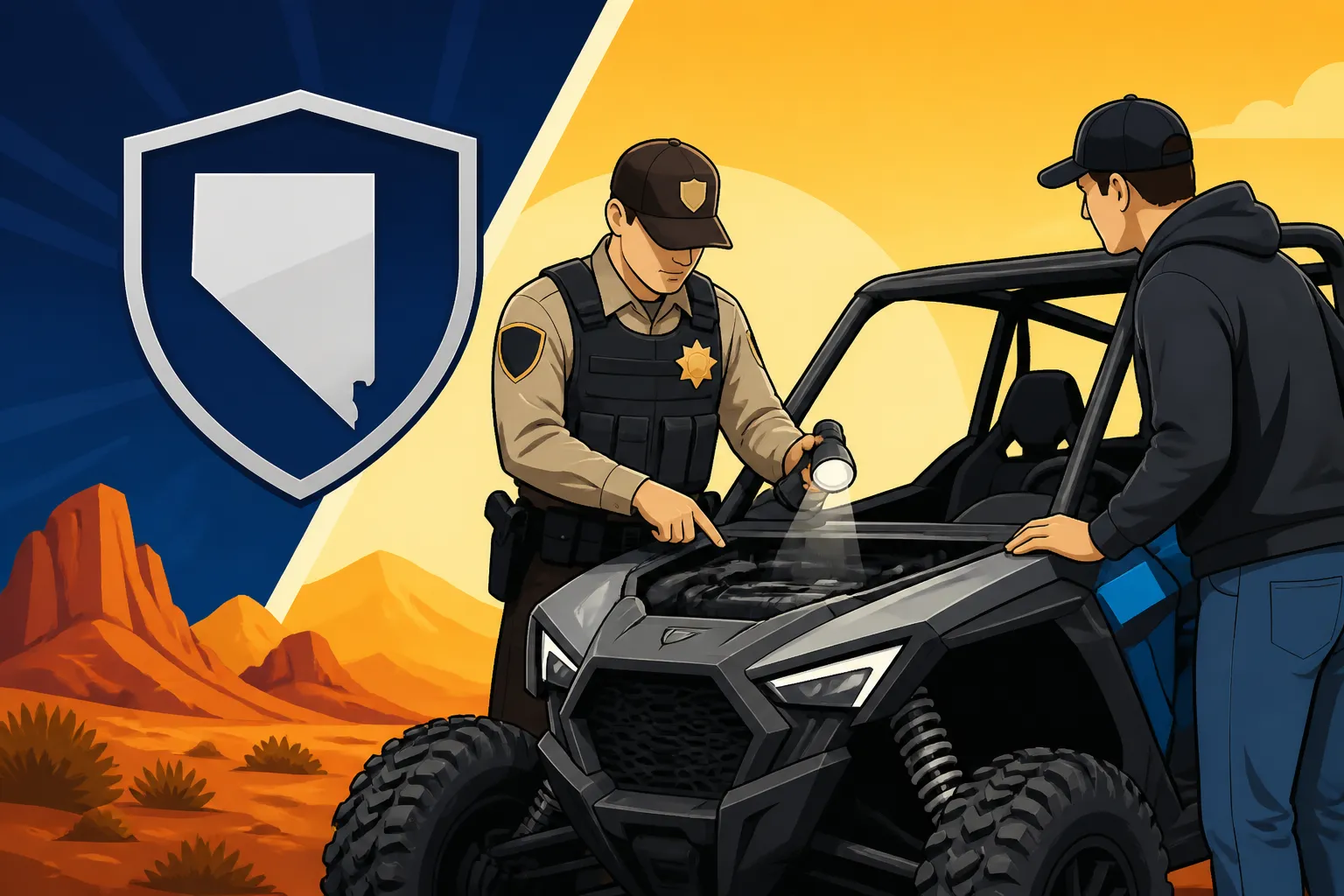
They will meticulously compare the VIN on your OHV to the VIN listed on your bill of sale, title, or other ownership documents. They'll be looking for exact matches, paying close attention to every character. Beyond just reading the number, they'll visually inspect the VIN plate or sticker itself for any signs of tampering, alteration, or damage that might suggest it's not original or has been illegally modified. This is a critical step in preventing theft and ensuring the machine's identity. They may take photos for their records, especially if there are any unusual circumstances. Once they are satisfied that the VIN is legitimate and matches your documentation, they will complete the form, sign it, and often provide their badge number or agency information. This signed form is your golden ticket for the next step in the registration process. Remember, be polite, cooperative, and ready to answer any questions they might have about the machine's history or how you acquired it.
The Paperwork Trail After the Officer's Inspection
Congratulations! You've successfully navigated the VIN inspection with a sworn officer. But don't put away your documents just yet; this is just one piece of the puzzle. Now, it's time to gather everything else you'll need to submit to the Nevada DMV and finally get that OHV decal.
The Completed VIN Inspection Form OHV-002
The VIN Inspection Certificate, Form OHV-002, signed by the peace officer, is arguably the most critical document you'll receive from this particular step. It officially verifies that a qualified authority has physically inspected your OHV's VIN and confirmed its authenticity. Without this form, the DMV will simply not proceed with your registration application, especially if it's for an out-of-state machine or a first-time registration in Nevada.
Think of it as the official seal of approval for your machine's identity. Make sure the form is complete, legible, and that the officer has signed and dated it correctly. It should include the vehicle information, the officer's signature, and typically their agency name and badge number. Keep this document safe, as it will be part of the packet you submit to the DMV. It's often a good idea to make a photocopy for your personal records before sending the original off, just in case.
Gathering All Required Registration Documents
The VIN verification is a big hurdle, but it's only one item on a longer checklist. To register your OHV in Nevada, you'll need to compile a comprehensive packet of documents. This typically includes:
- Application for Registration (Form OHV-001): This is your main application form, which details your personal information and the machine's specifics. Nevada has a few versions of this, so make sure you pick the one that fits your situation.
- Proof of Ownership: This is usually the vehicle's title, signed over to you. If you don't have a title (perhaps for an older machine not previously titled, or if you acquired it before titles were required), then a complete and properly executed bill of sale is essential. If you're in a bind and need to draft a clear, legally sound bill of sale, services like LawDepot can be incredibly helpful for creating such documents.
- Proof of Nevada Residency: A Nevada driver's license or ID card will suffice.
- Payment for Fees: Be prepared for the registration fee (either one-year or three-year options are available), and potentially a title fee if you're titling the machine for the first time or transferring an out-of-state title.
- Emissions Exemption (if applicable): OHVs are generally exempt from Nevada's emissions testing, but it's good to be aware.
For a full rundown of everything you'll need, check out our detailed guide on [Nevada OHV Registration Paperwork Checklist]. Having everything organized and complete before submission will prevent delays.
Submitting Your Application to the DMV
Once you have your complete packet, including the signed OHV-002 VIN inspection form, you're ready to submit it to the Nevada DMV. You have a couple of primary options for submission:
- By Mail: This is a common method, especially if you don't live close to a DMV office or prefer the convenience. Ensure all documents are securely packaged, and send them to the appropriate address for OHV registration, typically the central DMV office in Carson City. This is where the dedicated [The Nevada DMV OHV Section] processes these applications. Be aware that processing times can vary, so allow for a few weeks to receive your decal and registration card back.
- In Person: If you prefer face-to-face interaction or need to resolve any questions immediately, you can visit a full-service DMV office. Not all DMV offices handle OHV transactions, so it’s always a good idea to check their website or call ahead to confirm. Submitting in person can sometimes lead to faster processing, as any minor errors or missing documents can be addressed on the spot.
Regardless of how you submit, double-check everything one last time. Missing a signature, a copy of your ID, or the correct payment amount can cause your application to be returned, delaying your ability to legally ride.
Common Challenges and Troubleshooting
Even with the best preparation, the path to OHV registration can sometimes throw a curveball. When you're dealing with VIN verification by a sworn officer, a few unique challenges can crop up. Knowing how to anticipate and address these issues can save you significant time and frustration.
Officer Availability and Scheduling
One of the biggest differences between getting a VIN inspection from a dealership and one from a peace officer is scheduling. Dealerships are businesses, and while they might have specific hours for inspections, they are generally set up to handle them efficiently. Law enforcement agencies, however, operate under different priorities. A deputy or trooper's primary responsibility is public safety and emergency response. This means that while they are authorized to perform VIN inspections, it's typically a lower-priority task that they fit in between calls.
You might find that scheduling an appointment is difficult, or that an officer has to cancel or reschedule at the last minute due to an urgent call. This can be frustrating, especially if you're on a tight deadline, like Nevada's [Nevada's Thirty-Day Registration Deadline] after purchasing a machine. Our advice? Be patient and flexible. When you call your local sheriff's department or police department, explain clearly that you need a VIN verification for an OHV registration. Ask about their process for scheduling such inspections and what their typical turnaround time is. Don't be surprised if it takes a few days or even longer to get someone out to your location. A proactive and understanding approach will go a long way.
Issues with Unreadable or Altered VINs
This is a scenario no one wants to face: an unreadable or, worse, an altered VIN. If the VIN on your machine is corroded, painted over, or otherwise illegible, the officer will not be able to complete the inspection form. They must be able to clearly read and verify every character. If the VIN appears to have been tampered with—scratched out, re-stamped, or inconsistently applied—this raises a major red flag.
In such cases, the officer will likely document the issue and may even initiate an investigation, as altered VINs are often associated with stolen vehicles. This can lead to your machine being impounded while its history is researched. If you encounter an unreadable VIN, your first step should be to try and clean it yourself using gentle methods, ensuring you don't damage it further. If it remains illegible, you might need to consult with a professional, like a mechanic, who can safely attempt further cleaning or restoration, although caution is advised. If the VIN appears altered, it's a serious matter, and you should be prepared for a potentially lengthy process involving law enforcement. It’s why it's always recommended to [Checking an ATV VIN Before You Buy] to avoid these headaches.
Dealing with No Paperwork at All
Imagine you bought that amazing quad from a neighbor who swore he'd had it for years, but he can't find the title, and the bill of sale is just a crumpled napkin with "quad sold" written on it. This is the nightmare scenario of [Buying a Quad With No Paperwork at All]. While a sworn officer can inspect the VIN on your machine, that inspection alone won't solve a complete lack of ownership documentation. The VIN inspection simply verifies the vehicle's identity; it doesn't prove your ownership.
The DMV requires clear proof that you lawfully acquired the machine. Without a title or a proper bill of sale, even a perfect VIN inspection form won't be enough to get your OHV registered. In these situations, you'll need to work backward. Try to get a proper bill of sale from the seller, even if it's retroactively written. If the seller is uncooperative or unreachable, you might need to explore options like a bonded title, if applicable for OHVs in Nevada, or a court order to establish ownership. This is where creating a formal document, even if the history is murky, is crucial. LawDepot can assist in creating a professional bill of sale, which, while not a substitute for a missing title, can at least provide a more solid foundation for proving transfer of possession than a napkin ever could. It's a tough spot to be in, and it underlines the importance of robust paperwork from the moment of purchase.
| Feature | Licensed OHV Dealer Inspection | Sworn Peace Officer Inspection |
|---|---|---|
| Availability | Typically during business hours; some offer appointments | Depends on agency schedule, non-emergency basis |
| Cost | Usually a nominal fee for the service | Generally no fee charged by the officer (part of their public duty) |
| Convenience | Often faster, can be part of purchase process or routine service | May require scheduling flexibility, can take longer to arrange |
| Primary Use Case | New purchases, used purchases, out-of-state transfers, general needs | Remote locations, unique circumstances (e.g., recovered stolen), specific legal requirements |
| Required Documents | Proof of ownership, ID | Proof of ownership, ID (often more scrutinized due to the nature of the visit) |
| Form Used | Nevada DMV Form OHV-002 | Nevada DMV Form OHV-002 |
| Pros | Quick, knowledgeable staff, often integrated with other services | Authoritative verification, useful for remote machines, adds layer of legal security |
| Cons | Involves a fee, requires trailering machine to dealer | Scheduling challenges, lower priority for agency, may raise more questions about origin |
Disclaimer
This article is for general informational purposes only and does not constitute professional advice. Laws, prices and regulations vary by location and change over time. Consult a qualified professional for guidance on your specific situation.