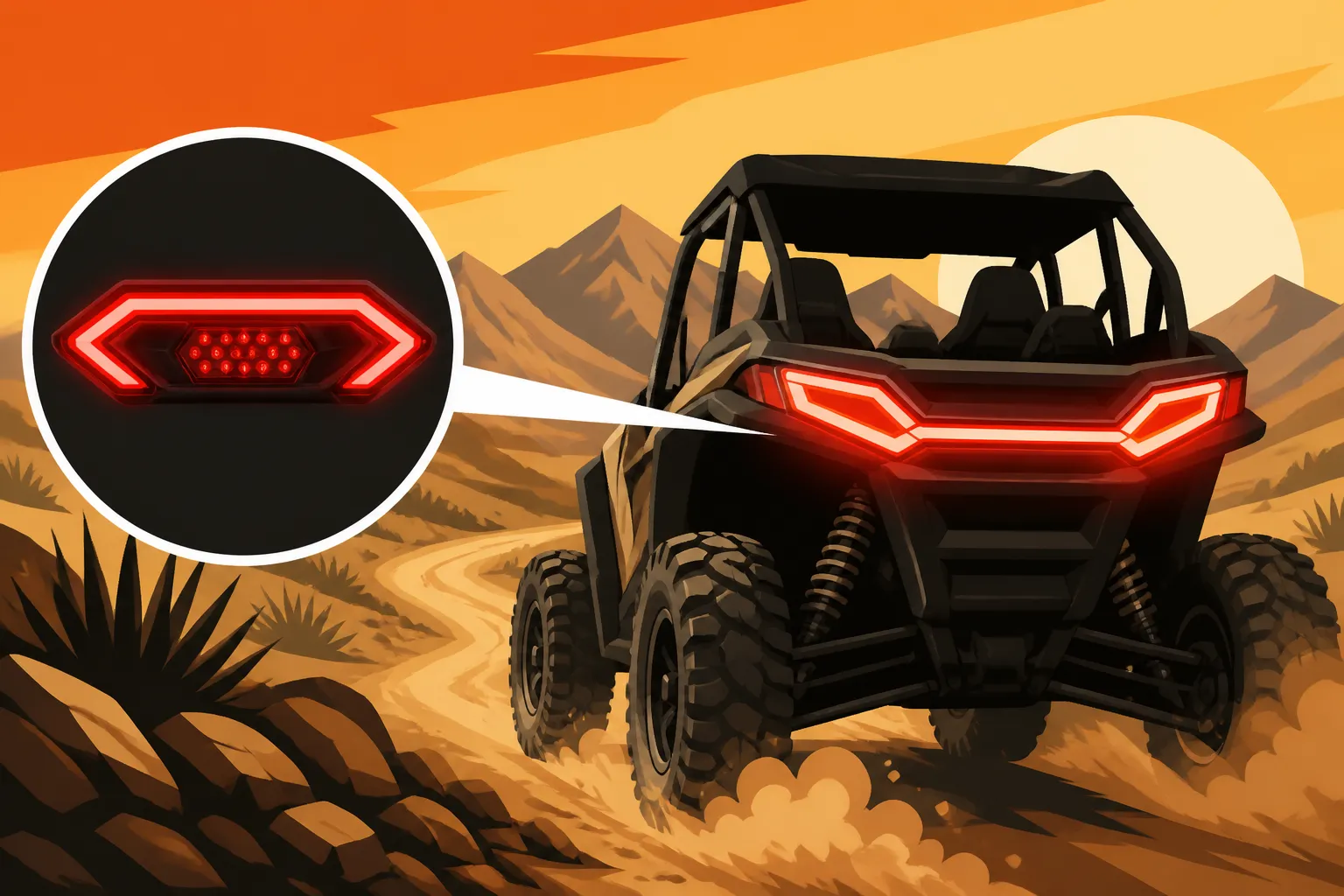
The Stop Lamp a Nevada Road Machine Needs
It's a familiar scenario for many of us who love hitting the open trails in Nevada: you've finally decided to make your ATV or UTV road-legal, and you're diving headfirst into the maze of requirements. It can feel overwhelming, like there's a mile-long checklist just for a few miles of pavement, and figuring out every single component can be a real head-scratcher. One of those often-overlooked but absolutely crucial elements is the stop lamp. This guide will meticulously break down exactly what kind of stop lamp your off-highway vehicle needs to legally and safely navigate Nevada's roads, cutting through the confusion so you can ride with confidence.
The Critical Role of a Stop Lamp on Nevada Roads
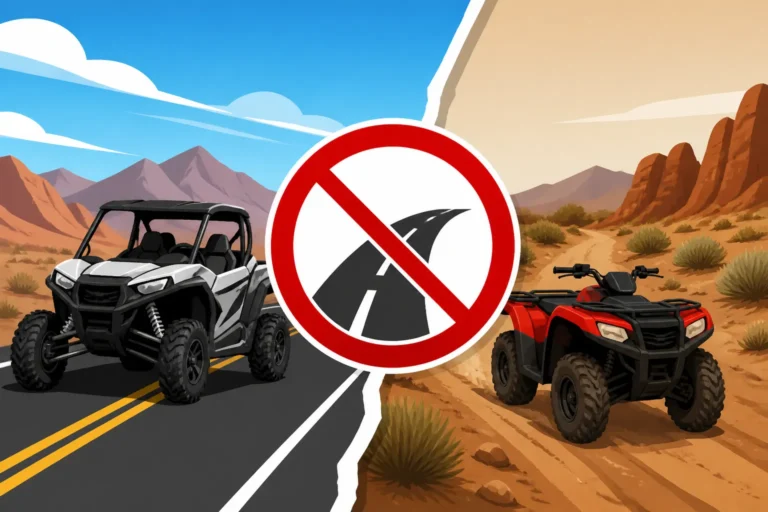
When you're out on the wide-open trails, the rules are different. Your primary concern is often the terrain, your speed, and the machines around you. But the moment you put a tire on a paved road, even a quiet county road, you're entering a different world with a different set of expectations for your machine. That little red light on the back, the stop lamp, suddenly becomes a giant beacon of safety, telling everyone behind you exactly what your intentions are. Ignoring its importance isn't just a gamble with fines; it's a gamble with your safety and the safety of others.
More Than Just a Light: A Safety Imperative
Think about driving your car or truck. What's the first thing you notice when the vehicle in front of you starts to slow down? Those bright red brake lights. They're an instant, universal signal that communicates critical information in a split second. On a paved road, especially one with other traffic, that instantaneous communication can be the difference between a smooth stop and a jarring collision. Your ATV or UTV, while smaller, needs to convey the same clear message. Without a functional, visible stop lamp, you're essentially driving blind to the drivers behind you, forcing them to guess your next move. This becomes even more pronounced when you're riding in a group, or trying to cross a busy road where quick decisions are essential.
The reality of riding a UTV or ATV on a public road, even if only for short distances, means you're sharing that space with larger, faster vehicles whose drivers might not expect to see an OHV. A reliable stop lamp provides that crucial visual cue, allowing them adequate time to react, slow down, and maintain a safe following distance. It's not just about obeying the law; it's about being a responsible, predictable road user. This safety imperative extends beyond just avoiding rear-end collisions, as it can also help prevent confusion during turns or other maneuvers where a sudden change in speed might be unexpected.
Nevada's Clear Mandate for Brake Lights
Nevada state law is pretty unequivocal when it comes to the equipment your OHV needs if you intend to operate it on designated public roads. This isn't just a suggestion; it's a firm requirement designed to integrate off-highway vehicles safely into the existing traffic flow. While many machines come from the factory with some form of taillight, simply having a red light on the back isn't enough. The law specifically mandates a stop lamp – a light designed to illuminate brightly when the brakes are applied. It's a key distinction that sometimes catches riders off guard.
The state isn't trying to make things difficult; rather, these rules are in place to ensure that every vehicle on the road, regardless of its primary purpose, adheres to a baseline of safety. Your OHV needs to be equipped with a stop lamp that automatically activates when you engage the braking system. This requirement is part of a broader set of rules designed to clarify what a [Nevada Street Legal UTV Requirements] actually entails. It’s also tied into the overall [Nevada Equipment List for Road-Legal UTVs], ensuring that your machine can signal its intentions just like any other vehicle sharing the pavement.
The Risks of Non-Compliance: What's at Stake?
Ignoring the stop lamp requirement for road-legal use in Nevada comes with a range of unfortunate consequences, from financial penalties to severe safety risks. First and foremost, a deputy, sheriff, or state trooper checking your machine for compliance won't hesitate to issue a citation if your stop lamp isn't up to snuff. These tickets can quickly add up, turning a simple ride into a costly headache. Beyond the immediate financial sting, repeated violations could lead to more serious issues, especially if you're involved in an incident.
More critically, operating without a functioning stop lamp dramatically increases your risk of an accident. If a driver behind you can't tell you're slowing down, a rear-end collision becomes far more likely. This isn't just about property damage to your beloved machine; it's about potential injuries to yourself, your passengers, and others on the road. In the unfortunate event of an accident, an improperly equipped machine could complicate insurance claims, potentially leading to your policy denying coverage or placing you at fault, even if the primary cause wasn't your braking. It's a legal and practical quagmire that’s easily avoided by making sure your stop lamp is correctly installed and working. When considering [What a Nevada Trooper Looks For on a County Road], a functional stop lamp is high on their list.
Understanding Nevada's Stop Lamp Requirements
Just like putting on the right gear for a desert ride, equipping your OHV for road use means understanding the specifics. It's not just "a light"; there are nuances to how bright it needs to be, how it functions, and where it's placed. These details are often overlooked by riders eager to hit the blacktop, but they are absolutely essential for passing inspection and, more importantly, for ensuring real-world safety.
Visibility, Intensity, and the "How Far" Factor
Nevada's regulations stipulate that a stop lamp must be clearly visible from a certain distance, both day and night. While the exact numerical candlepower might not be something you typically measure on your machine, the practical application means it needs to be bright enough to cut through sunlight and stand out effectively against the ambient light. This isn't just about being a red glow; it's about being a distinct, undeniable signal. Many factory taillights might offer a dim running light, but their "brake light" function might not be robust enough to meet the legal requirements for a dedicated stop lamp.
When you're out on a dusty Nevada county road, or even a main arterial in a smaller town, the conditions can vary wildly. A stop lamp needs to be potent enough to be seen from hundreds of feet away, giving drivers ample reaction time. This is where modern LED stop lamps often shine, offering superior brightness and quicker illumination compared to older incandescent bulbs. When selecting an aftermarket option, don't just pick something that looks cool; verify its light output to ensure it meets these visibility standards. You want a light that screams "I'm stopping!" not one that whispers it.
Activation, Reliability, and Instant Response
A stop lamp is only useful if it activates instantly and reliably every single time you hit the brakes. Nevada law requires that the stop lamp illuminate automatically when the operator applies the brake. This means it needs to be wired directly into your machine's braking system, whether that's the foot pedal, hand lever, or both, depending on your OHV's setup. There shouldn't be any delay or manual switch involved. The moment your foot or hand engages the brake, that light should flash to full brightness.
Reliability is paramount. Imagine riding down a road, needing to make a sudden stop, and your brake light decides to take a coffee break. That's a terrifying thought. The connection needs to be solid, protected from the elements, and resistant to the vibrations inherent in OHV riding. It's not uncommon for riders to discover loose wires or corroded connections after a few months of hard use, which can lead to intermittent function. Regular checks are essential to ensure that your stop lamp is always ready to perform its critical function. If you're pondering [Nevada Equipment List for Road-Legal UTVs], the reliability of your stop lamp should be a top consideration.
Proper Placement and Mounting for Maximum Effect
The placement of your stop lamp isn't just for aesthetics; it's a crucial factor in its effectiveness and legal compliance. Generally, Nevada regulations require the stop lamp to be mounted on the rear of the vehicle, as near to the centerline as practicable, and at a height that allows for maximum visibility. This usually means it shouldn't be too low to the ground where it could be obscured by dust or other vehicles, nor too high where it might be above the line of sight for typical car drivers. It should also be securely mounted, resistant to vibrations and impacts from trail riding.
Think about the sightlines of other drivers. If your stop lamp is hidden behind a spare tire, a cooler, or a flag mount, it's not going to do its job. Some riders opt for an integrated taillight and stop lamp unit, which can simplify wiring and mounting, while others prefer a dedicated, high-mounted stop lamp for extra visibility, especially if their taillights are small or easily obstructed. When considering aftermarket options, such as those offered by SuperATV, pay close attention to their mounting solutions and how they ensure your light meets these placement guidelines. Proper placement, combined with adequate brightness, ensures that your intentions are crystal clear to anyone behind you, enhancing overall road safety.
Choosing and Installing the Right Stop Lamp for Your OHV
Once you understand the requirements, the next step is finding and installing the right stop lamp. This can range from upgrading an existing system to adding a completely new setup. Many riders prefer to tackle this themselves, which is totally doable with the right information and tools. However, knowing when to call in a professional can save you headaches and ensure everything is up to snuff.
Aftermarket Options and Integration Challenges
Most off-highway vehicles, especially sport quads or older UTVs, might not come from the factory with a stop lamp that fully meets Nevada's road-legal standards. This is where the aftermarket really shines, offering a vast array of solutions. You can find everything from simple add-on LED brake lights that mount to your roll cage, to integrated taillight assemblies that combine running lights, turn signals, and a stop lamp all in one sleek unit. Brands like SuperATV are well-known for providing robust and trail-tested accessories, including lighting solutions that can often be adapted for road-legal compliance.
The challenge with aftermarket parts often lies in integration. You need to ensure the new stop lamp is compatible with your machine's electrical system and braking mechanism. For example, some UTVs might have a hydraulic brake switch that can easily be tapped into, while others might require a pressure switch or a mechanical switch at the pedal. Always check the product specifications and read reviews to ensure you're choosing a durable, high-quality light that will withstand the rigors of off-road and on-road use. Don't cheap out here; a flimsy light that fails after a few bumpy rides isn't just annoying, it's a safety hazard. This careful selection ensures you're not left wanting when you consult the [Nevada Taillight and Reflector Rules] for your full setup.
Wiring Your Stop Lamp: A Step-by-Step Approach
Wiring a stop lamp isn't rocket science, but it does require a methodical approach to ensure safety and reliability. First, you'll need to locate a power source. This usually means tapping into a switched 12-volt source that's only active when the ignition is on, preventing battery drain. Next, you need to connect the stop lamp to your brake activation system. This typically involves either a pressure switch in your hydraulic brake line or a mechanical switch actuated by your brake pedal or lever. These switches complete the circuit to the stop lamp when the brake is applied.
Always use appropriate gauge wire, electrical connectors, and ensure all connections are properly insulated and protected from water, dust, and abrasion. Running wires through loom or conduit will protect them from damage and give your installation a clean, professional look. Don't forget proper grounding; a bad ground is a common culprit for electrical issues. Consider adding an inline fuse for protection, even if the light kit doesn't include one. This small component can prevent major electrical problems down the line. If you're unsure about the electrical system, consulting your machine's wiring diagram or a professional is always a good idea.
DIY Versus Professional Installation: Weighing Your Options
For many mechanically inclined riders, installing a stop lamp is a rewarding DIY project. If you're comfortable with basic wiring, using hand tools, and following instructions, you can likely handle it. There are tons of online tutorials and forums that can walk you through the process, and many aftermarket kits, like those from SuperATV, come with decent instructions. Doing it yourself can save you money and give you a deeper understanding of your machine's electrical system, which is invaluable for future troubleshooting or modifications.
However, if you're not confident with electrical work, or if your machine's wiring is particularly complex, a professional installation is a wise investment. An experienced OHV mechanic or an automotive electrical specialist can ensure that your stop lamp is correctly wired, properly mounted, and fully compliant with Nevada's regulations. They can also address any unforeseen electrical challenges and guarantee that the installation is safe and reliable. The peace of mind alone might be worth the cost, especially when considering the potential legal and safety ramifications of an improperly installed brake light.
Beyond the Stop Lamp: Comprehensive Road-Legal Compliance
While the stop lamp is a critical component, it's just one piece of the larger puzzle when making your OHV street legal in Nevada. To truly ride with confidence and avoid unwanted attention from law enforcement, you need to ensure your entire machine meets the state's stringent requirements. This means looking at your lighting, mirrors, licensing, and more.
A Full Checklist of Essential Road Equipment
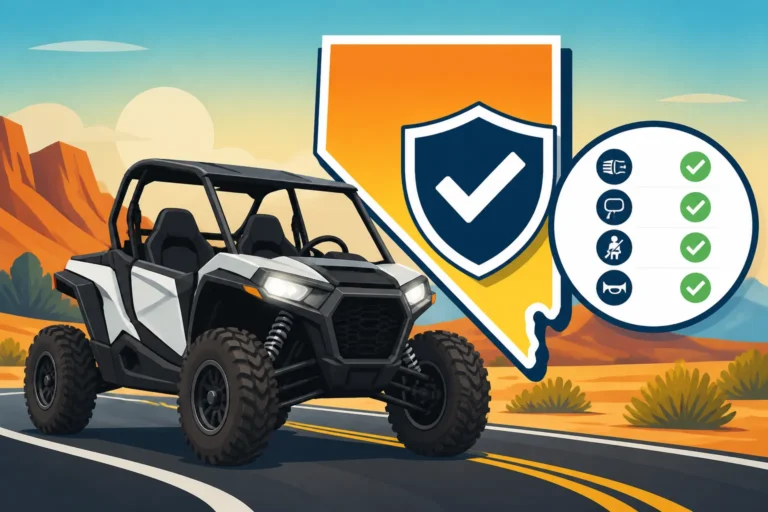
Beyond that all-important stop lamp, Nevada law requires several other pieces of equipment for your OHV to be considered road-legal on designated county roads. You'll need properly functioning [Nevada Headlight Requirements for Road Use], which must be visible from a certain distance and have high/low beam capabilities. Don't forget your [Nevada Taillight and Reflector Rules]; these ensure your machine is visible from the rear even when your brakes aren't applied. And for safe lane changes and situational awareness, functional [Nevada Mirror Requirements for a Road UTV] are a must. These typically include at least one rearview mirror, and often side mirrors too.
Then there's the [Nevada Horn Requirement on a Road Machine] – a working horn that can emit a sound audible from 200 feet away. You'll also need a windshield or suitable eye protection, and seat belts for all occupants in a UTV. A spark arrester on your exhaust is required both on and off-road. While not strictly an "equipment" item, it's vital to ensure your tires are in good condition and meet appropriate tread depth standards for road use. It's a comprehensive list, but each item plays a role in making your off-highway adventure safe and legal on pavement.
Here's a quick overview of essential equipment for Nevada road-legal OHVs:
| Equipment Type | Specific Requirement | Importance |
|---|---|---|
| Stop Lamp | Red, rear-facing, activates upon brake application | Signals deceleration to traffic behind, crucial for safety |
| Headlights | White, front-facing, high/low beam, visible 500ft | Illuminates road, signals presence to oncoming traffic |
| Taillights | Red, rear-facing, visible 500ft | Signals presence from rear, especially at night |
| Reflectors | Red, rear-facing | Enhances nighttime visibility, passive safety |
| Mirrors | At least one rearview (often side mirrors as well) | Allows driver to see traffic behind and to sides |
| Horn | Audible from 200ft | Alerts pedestrians/other vehicles to presence |
| Windshield | Or eye protection for operator/passengers | Protects from debris and elements |
| Seat Belts | For all occupants (UTVs) | Essential occupant safety in case of collision or rollover |
| Spark Arrester | On exhaust | Prevents wildfires, legal requirement on public lands |
| Muffler | Effective in preventing excessive noise | Reduces noise pollution, adheres to sound ordinances |
Navigating Licensing, Registration, and Insurance
Beyond the hardware on your machine, there's a whole layer of administrative compliance you need to navigate. First, the operator of a road-legal OHV must possess a valid driver's license. This isn't just for cars; [Nevada Driver's License Rules for UTV Road Use] apply here, meaning if you're driving it on the street, you need to be a licensed driver. For younger riders, there are specific age and supervision rules to consider when riding on public roads.
Then comes registration. If your OHV is to be ridden on public roads in Nevada, it generally needs to be registered with the DMV and display a [Nevada Large ATV Decal Cost]. This decal signifies its compliance and allows you to use those designated county roads. Finally, and crucially, you must carry proof of [Liability Insurance Nevada Requires Under NRS 485.185]. Just like a car, your road-legal OHV needs to be insured against liability in case of an accident. These administrative steps are just as important as the physical equipment; without them, you're still not fully compliant to be [Riding County Roads Legally in Nevada].
Maintaining Your Road-Legal Setup for Long-Term Safety
Getting your OHV road-legal isn't a one-and-done deal. Just like you maintain your engine and suspension for peak performance, you need to regularly check and maintain your road-legal equipment. Lights, especially those on an OHV, can take a beating from dust, vibration, and water exposure. Check your stop lamp, headlights, and taillights before every road ride. Do they all illuminate properly? Are there any cracked lenses or loose connections?
Mirrors can get knocked out of alignment or even broken, so ensure they provide a clear view. Test your horn periodically. Pay attention to any strange noises or performance issues that might indicate an underlying problem that could affect safety on the road. Remember, the desert environment is tough on everything, and your electrical system is no exception. A little proactive maintenance goes a long way in ensuring your road-legal OHV remains safe, reliable, and compliant for every journey, whether you're heading to the trailhead or just grabbing a quick bite in town.
Disclaimer
This article is for general informational purposes only and does not constitute professional advice. Laws, prices and regulations vary by location and change over time. Consult a qualified professional for guidance on your specific situation.