Nevada OHV VIN Inspection Requirements
Let's be real: trying to figure out the ins and outs of registering an off-highway vehicle (OHV) in Nevada can feel like navigating a maze blindfolded. One of the biggest head-scratchers for many riders is the VIN inspection requirement – especially when you hear the Nevada DMV often won't even do it for you! This guide is here to clear up that confusion, walk you through exactly why and when an OHV VIN inspection is needed, and, most importantly, show you who can actually get it done so you can hit those Nevada trails legally.
Why Your OHV Needs a VIN Inspection in Nevada
It might seem like just another hoop to jump through, but the VIN inspection for your ATV, UTV, or dirt bike actually serves a really important purpose. It’s not just busy work; it’s a critical step in making sure your machine is properly identified and legally linked to you.
The Purpose of a VIN Inspection for OHVs
Think of a Vehicle Identification Number (VIN) as your machine’s unique fingerprint. It's a combination of 17 characters (for newer machines) that tells a story about where and when your OHV was made, its make, model, and other identifying features. The purpose of a VIN inspection is straightforward: to physically verify that the VIN stamped on your off-highway vehicle matches the one on your ownership documents, like a title or manufacturer's certificate of origin.
This verification process is crucial for several reasons. First and foremost, it’s a powerful tool against theft. By ensuring the VIN on the machine hasn't been tampered with and matches legal paperwork, it helps prevent stolen vehicles from being registered and resold. Secondly, it provides a layer of protection for buyers. When you purchase a used OHV, a proper VIN inspection confirms that the machine you're buying is indeed the one described on the title, giving you immense peace of mind. It essentially links the physical machine directly to its legal identity, making sure there are no phantom vehicles floating around the system or machines with questionable origins. It’s all about maintaining a clear, legal chain of ownership and identity for every off-highway vehicle out on our desert and mountain trails.
When a Nevada VIN Inspection is Required
Knowing when you need a VIN inspection can save you a lot of time and frustration. It's not a universal requirement for every single transaction, but there are several key scenarios where Nevada will absolutely require it before you can get that registration decal for your OHV.
The most common situation requiring a VIN inspection is for a brand-new registration of an OHV that has never been registered in Nevada before. This applies whether you've just bought a shiny new side-by-side from a dealer or you're bringing in a machine you've owned for years that’s somehow slipped through the cracks. Another very frequent trigger for an inspection is when you’re [Registering an Out-of-State Machine in Nevada]. If you’ve moved here from Arizona, California, or any other state and your OHV has a title or registration from there, you’ll need a VIN inspection as part of the process to establish its identity within Nevada’s system. It’s how the state confirms that the machine from Utah with a specific VIN is the very same machine you're trying to register here.
You'll also likely need an inspection if there's any discrepancy or missing information on your existing paperwork, or if you're applying for a title for a machine that predates Nevada's OHV titling requirements but now needs to be registered. Furthermore, if you've built a custom machine, like a homebuilt buggy, or significantly rebuilt an existing one, a VIN inspection will be part of assigning a new VIN or verifying the existing one. It's the state's way of dotting its i's and crossing its t's to ensure every off-highway vehicle operating on public land has a clear, verifiable identity.
Who Can Actually Perform an OHV VIN Inspection in Nevada?
This is where a lot of riders hit a wall of confusion. You might assume the DMV does all vehicle inspections, right? Not necessarily for off-highway vehicles in Nevada, and understanding this distinction will save you a world of hassle.
Why the Nevada DMV Won't Always Do It
It’s a common and understandable frustration: you dutifully load up your quad or UTV, haul it all the way to a Nevada Department of Motor Vehicles (DMV) office, only to be politely, or sometimes not-so-politely, told that they can’t perform a VIN inspection for your off-highway vehicle. You’re left scratching your head, wondering where to go next. The reason for this often lies in the specific functions of the DMV. While the DMV does conduct VIN inspections for most on-road vehicles, their staff and facilities are typically geared towards passenger cars, trucks, and motorcycles. The OHV section within the Nevada DMV is primarily an administrative hub located in Carson City, tasked with processing paperwork, but they don't generally have field inspectors or physical locations set up for OHV inspections across the state.
So, when the clerk tells you "the DMV doesn't do that," they're usually referring to the fact that their motor vehicle inspectors aren't authorized or equipped to handle off-highway vehicles. It's not a blanket refusal by the state, but rather a division of labor within its departments. This is a crucial piece of information to remember: don't automatically assume your local DMV branch will handle your OHV VIN verification. Trying to force the issue often just leads to wasted time and gas. This is precisely [The VIN Inspection Nevada DMV Will Not Do], and it’s why knowing the alternative options is so important.
Licensed Nevada OHV Dealers
For most OHV owners, particularly those who live in or near population centers, a licensed Nevada OHV dealer is going to be your easiest and most convenient option for getting a VIN inspection done. These dealers are specifically authorized and equipped to perform the necessary verification. They deal with off-highway vehicles day in and day out, so they are intimately familiar with VIN locations, proper paperwork, and the specific requirements set forth by the state for OHV registration.
Many dealers offer this as a service, even if you didn't purchase the machine from them. You simply call ahead, schedule an appointment, and bring your OHV along with your ownership documents. They'll typically have a trained technician or staff member who knows exactly what to look for and how to complete the required forms. While they might charge a small fee for the service – always ask about the cost upfront – it’s a worthwhile investment for a smooth and correct inspection. For example, imagine you just bought a used UTV from a private seller in Reno and you’re ready to get it registered. Instead of trying the DMV, your best bet is to call a local OHV dealer in the Reno area, like RideNow Powersports or Carson Motorsports, and inquire about their VIN inspection services. They are listed as [Which Dealers Can Inspect a VIN in Nevada] by the state, precisely because they possess the expertise and authorization to get this vital step handled for you.
Sworn Law Enforcement Officers
Another perfectly valid and often necessary option for a VIN inspection, especially for those living in more remote or rural parts of Nevada, is to have a sworn law enforcement officer perform the verification. This includes your local Sheriff's deputy, a Nevada Highway Patrol trooper, or a city police officer in areas where they serve. They are authorized by the state to complete the required VIN verification forms for off-highway vehicles.
This option can be incredibly helpful if you're nowhere near a licensed OHV dealer or if you're dealing with a machine that's difficult to transport. For instance, if you live out in Lincoln County, perhaps near Pioche or Caliente, driving your machine all the way to Las Vegas or Reno for a dealer inspection might be impractical. In such a scenario, contacting your local Sheriff's office and inquiring about scheduling a VIN inspection would be a smart move. When you reach out, explain you need a VIN verification for an off-highway vehicle registration. Be prepared with your OHV's paperwork (title, bill of sale, etc.) and have the machine accessible for inspection. They might come to your property, or they may ask you to bring the machine to a local substation or office at a convenient time for them. Remember, while they are authorized, this isn't their primary duty, so patience and politeness go a long way. They will check the VIN, ensure it's not altered, and fill out the necessary section of the OHV registration form, signing and dating it. This method of [Asking a Sworn Officer to Verify a VIN] is a critical lifeline for many rural Nevada riders trying to comply with state registration laws. [Lincoln County Deputies and OHV Paperwork] is a testament to the fact that local law enforcement is often your best resource in these communities.
The VIN Inspection Process and What to Expect
Once you know who can do the inspection, understanding what the process entails will make it even smoother. It’s not an interrogation, but a simple verification of identity.
Locating Your OHV's VIN
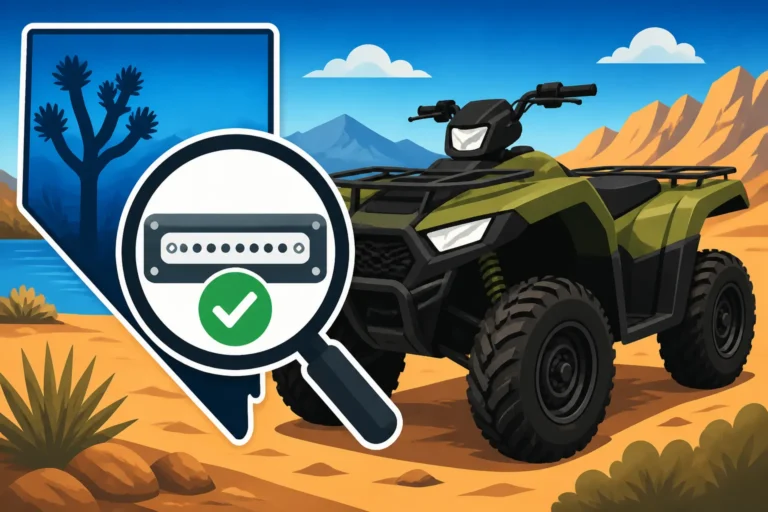
Before you even think about bringing your OHV in for an inspection, you'll want to locate and, if necessary, clean your machine's Vehicle Identification Number (VIN). This might sound obvious, but VINs can be tucked away in various spots, and after years of dust, mud, and trail grime, they can become quite difficult to read. On most ATVs and UTVs, you'll typically find the VIN stamped directly onto the frame. Common locations include the front left frame rail, near the steering head, or on a cross-member under the seat. For some machines, especially older ones, it might be on the engine casing or a dedicated manufacturer's plate.
Take a few moments to thoroughly clean the area where you suspect the VIN is located. A wire brush, some degreaser, and a rag can work wonders to reveal those sometimes-faint characters. If the VIN is obscured by accessories, modifications, or just a thick layer of grit, the inspector won't be able to verify it. Having it clear and easily readable not only speeds up the process but also demonstrates your preparedness, making the inspector’s job much easier. Don’t wait until you’re at the dealer or meeting a deputy to start searching!
Required Paperwork for the Inspection
Having all your ducks in a row paperwork-wise is just as important as having a clean VIN. When you go for your VIN inspection, the inspector will need to cross-reference the physical VIN on your machine with your ownership documents. So, what should you bring?
First, you'll absolutely need your original Certificate of Origin (for a new machine) or the vehicle's title (if it's used and previously titled). This is the legal proof of ownership. If you’ve purchased a used machine from a private seller, a comprehensive bill of sale is crucial. This document acts as a record of the transaction and helps establish the chain of ownership. When drafting a bill of sale, or even reviewing one from a private seller, ensure it captures all critical details: buyer and seller information, the full VIN, make, model, year, sale price, and the date of sale. Tools like LawDepot can be incredibly helpful here, as they provide professional, legally sound templates for documents like a bill of sale, ensuring you don’t miss any crucial information required for registration. This is especially important for [What a Nevada ATV Bill of Sale Should Carry] to avoid headaches later.
You should also bring your personal identification, like a driver's license, and any existing registration documents if the machine was previously registered in another state, for example, if you're going through [Nevada Registration After You Move In]. The inspector will need these documents to accurately complete the verification form and ensure everything lines up. Don't leave anything to chance – gather all relevant papers in a folder so they’re ready to go.
The Inspection Itself and What an Inspector Checks
When you arrive for your VIN inspection, the process itself is generally quick and straightforward. The inspector's primary goal is to physically examine the VIN on your OHV and compare it against the VIN recorded on your ownership documents. They will look for a few key things:
First, they’ll verify that the VIN stamped on the frame or engine of your machine is clear, legible, and exactly matches the VIN on your title, certificate of origin, or bill of sale. They're ensuring there are no discrepancies that could indicate a clerical error or, in more serious cases, potential tampering. Second, they'll visually check for any signs of alteration, grinding, or re-stamping of the VIN. This is a critical step in identifying potentially stolen or salvaged vehicles that have had their identity compromised. They’re trained to spot anything that looks out of place, ensuring the integrity of the machine’s identity.
Once they've confirmed the physical VIN matches the paperwork and appears legitimate, the inspector will complete the designated VIN verification section of the Nevada OHV registration application form (often a section of the OHV-001 or OHV-012, depending on the scenario). They will sign and date this section, officially verifying the inspection. This signed form is your golden ticket for the next step of the registration process. For example, if a family just moved to Nevada from Utah with their side-by-side, the inspector will ensure the VIN on their Utah title matches the machine, then sign off on the Nevada form, clearing the way for their new Nevada decal.
Submitting Your Inspection and Completing Registration
So, you’ve navigated the inspection process, and your OHV has been officially verified! What comes next is submitting all your paperwork to the right place to finally get that Nevada OHV registration decal.
What to Do After a Successful Inspection
The moment the inspector hands you back your signed and dated VIN verification form, treat it like gold. This document is a crucial piece of your registration puzzle. Your next step is to gather all other required documents to complete your OHV registration application. This includes the appropriate Nevada OHV registration form itself – remember, there isn't just one, as [Why Nevada Has Five Registration Applications] explains. You'll need to select the correct form, such as the OHV-001 for general registration or the OHV-012 if you're processing a transaction like [Walking Through Form OHV-012] for an out-of-state purchase.
Make sure you have your proof of ownership (title, manufacturer's certificate of origin, or a properly filled-out bill of sale). If you used a service like LawDepot to create your bill of sale, you’ll have a professional, comprehensive document ready to go. This can also be useful for other legal forms, particularly if you’re transferring ownership as a gift or dealing with complex ownership structures. Don't forget any applicable fees (registration, title, etc.) or your personal identification. Double-check everything, perhaps even using a checklist, to ensure no item is missed. A missing signature or an incomplete field can send your application right back to you, delaying your trail adventures.
Where to Submit Your Paperwork
With all your documents meticulously prepared, the next step is to submit your complete application package to the Nevada DMV OHV Section. While the DMV might not handle the physical VIN inspection, they are absolutely the central hub for processing all OHV registrations and titles. Your primary options for submission are generally by mail to the main OHV Section office in Carson City, or in-person at certain full-service DMV offices across the state. However, if you choose the in-person route, be sure the specific DMV office handles OHV transactions, as not all do.
Many riders find it convenient to have a licensed OHV dealer submit the paperwork on their behalf, especially if they purchased the machine from that dealer or had the VIN inspection done there. Dealers are set up with direct channels to the DMV OHV Section and can often process applications much faster. Keep in mind that dealers may charge a small processing fee for this service, sometimes referred to as [What Nevada's $2 Dealer Submission Fee Pays For]. This fee covers their time and effort in ensuring your paperwork is correctly submitted.
Common Pitfalls and How to Avoid Them
Even with the best intentions, it's easy to stumble into common pitfalls when registering your OHV. Being aware of these can save you a significant amount of time and frustration.
One of the most frequent issues is submitting an expired VIN inspection form. While the VIN on your machine doesn't change, the signed inspection document often has a validity period – sometimes 30 or 90 days, depending on the circumstances. Always check the date on your completed inspection form and aim to submit your full registration packet well within that timeframe. If it expires, you might be back to square one, needing a fresh inspection.
Another major snag is incomplete paperwork. This includes missing signatures, blank fields, or a bill of sale that lacks critical information like the full VIN or sale date. The DMV is very particular about complete and accurate documentation. Imagine you’ve just bought an ATV and you’re trying to meet [Nevada's Thirty-Day Registration Deadline]. If your paperwork is incomplete, that clock keeps ticking while your application is returned to you for corrections.
Finally, attempting to register your OHV without an inspection when one is clearly required is a surefire way to get your application rejected. Don't assume you can skip this step. If your machine falls into any of the categories requiring an inspection (new to Nevada, out-of-state transfer, etc.), make sure that signed verification form is securely part of your submission. By carefully reviewing all your forms before submission and being mindful of deadlines and requirements, you can ensure a smooth and successful OHV registration experience.
| Inspector Type | Pros | Cons |
|---|---|---|
| Licensed OHV Dealer | Familiar with OHV specifics; often quick; convenient if buying from one; can submit paperwork for you; generally accurate. | May charge a fee for the service; limited to business hours; availability might be an issue in very rural areas. |
| Sworn Law Enforcement | Available across most of Nevada, including rural areas; usually no direct fee (as a public service); can be flexible with location. | May require an appointment; not their primary duty, so response times can vary; less familiar with specific OHV forms than dealers. |
| Nevada DMV Inspector | Free (if available); highly official. | Extremely rare for OHVs; usually only for specific, complex cases or for on-road vehicles; generally not an option for routine OHV VIN inspections. |
Disclaimer
This article is for general informational purposes only and does not constitute professional advice. Laws, prices and regulations vary by location and change over time. Consult a qualified professional for guidance on your specific situation.