Kids in the Back Seat of a Side-by-Side
It's a beautiful day for a ride, and you've got the whole family ready to pile into the side-by-side. But hold on a minute – when you're thinking about taking your kids along, especially in the back seat of that UTV, and you're planning on touching any paved roads in Nevada, things can get a little murky. There's a lot of confusion out there about what's legal, what's safe, and what you absolutely need to know before you hit those county roads with your precious cargo. This guide is here to clear up that confusion, diving deep into Nevada's rules for carrying kids in the back seat of your side-by-side on public roads.
Understanding Nevada's "Large All-Terrain Vehicle" Definition
Navigating Nevada's rules for Off-Highway Vehicles (OHVs) can feel like a maze, especially when you start talking about riding on public roads. It's not as simple as just slapping a plate on your quad and going for a drive; the state has very specific definitions and regulations, particularly for side-by-sides that have more seating than a traditional ATV. For UTVs, the critical distinction often hinges on whether your machine qualifies as a "Large All-Terrain Vehicle" (LATV) in the eyes of the law. This classification is what opens the door to limited road use in certain areas, and it directly impacts how you can transport passengers, especially children.
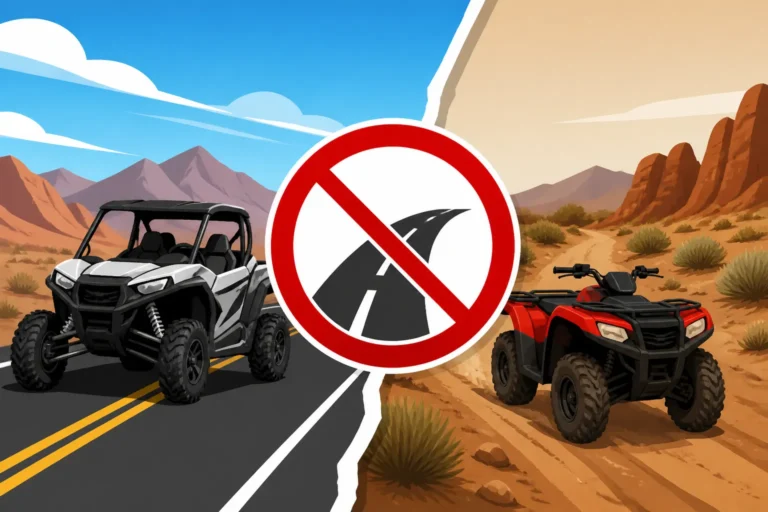
The reason for this careful distinction is rooted in safety and public roadway integration. While ATVs are generally not allowed on paved public roads (except for crossing or very short distances), UTVs, with their car-like seating and often more robust construction, are sometimes given a bit more leeway. However, with that leeway comes a host of specific requirements designed to ensure that these machines, and everyone in them, are as safe as possible when sharing the road, even if only for short stretches. It's a balance between enjoying our incredible outdoor spaces and protecting everyone who uses our public infrastructure.
What Qualifies as a "Large ATV" for Road Use?
So, what exactly does Nevada mean by a "Large All-Terrain Vehicle" that can get a road decal? It boils down to a couple of key physical characteristics. To be considered a Large ATV eligible for limited road use, your side-by-side must meet one of two conditions: it either has four or more seats, or it has a truck bed. This definition is crucial because it immediately differentiates larger, multi-passenger UTVs from smaller, two-seat sport quads or traditional single-rider ATVs.
Think about it this way: a typical sport quad, even a powerful one, has only one or two seats and no truck bed. Under Nevada law, that machine simply doesn't qualify for the "Large ATV" designation, meaning it's almost entirely restricted from public paved roads, outside of specific crossing situations. But if you have a four-seater Polaris RZR, a Can-Am Defender with its versatile cargo bed, or a Kawasaki Mule, these machines very likely do meet the criteria. The logic here is that these larger machines share more in common with traditional vehicles in terms of passenger capacity and utility, making them more amenable to certain road-use regulations, provided they meet all other safety equipment requirements. It's not just about size, but about functionality and how the vehicle is designed to carry people and cargo safely. Remember, getting a [Nevada Large ATV Decal Cost] means meeting these specific requirements.
Why Seatbelts and Secure Seating Matter
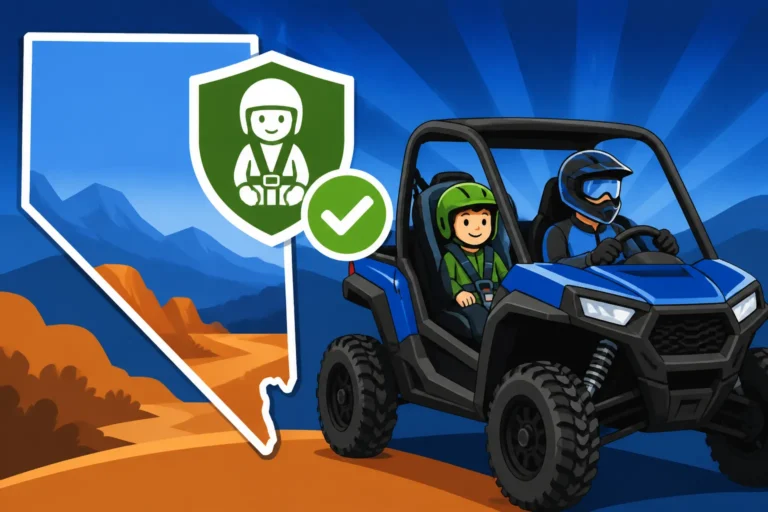
Once your side-by-side qualifies as a Large ATV, and you're considering taking it on designated county roads, the importance of proper seatbelts and secure seating cannot be overstated, especially when you have kids in the back. Unlike some off-road scenarios where riders might have more flexibility, road use demands adherence to stricter safety standards. Every occupant, regardless of age, must be seated in a manufacturer-designed seat and properly restrained by a seatbelt system.
This isn't just a suggestion; it's a fundamental requirement. Imagine hitting a pothole, having to brake suddenly, or even swerving to avoid an obstacle on a paved road. Without proper restraints, a child (or any passenger) can be easily thrown around the cabin, leading to serious injury. Side-by-sides, while incredibly fun, can feel different on pavement than a traditional car, and their handling characteristics can be surprising if you're not used to them. Therefore, ensuring that every seatbelt is functioning correctly, properly buckled, and that children are secured in appropriate seating for their size is paramount. If your UTV has aftermarket seats or harnesses, ensure they meet safety standards and are correctly installed. This is where investing in quality accessories from a brand like SuperATV can make a real difference, ensuring that any modifications enhance safety rather than compromise it.
Nevada's Rules for Child Passengers on County Roads
Taking your children on an OHV adventure is one of the joys of the outdoor lifestyle, creating memories that last a lifetime. But when that adventure involves even a short stint on a public road in Nevada, the rules change significantly. It’s no longer just about off-road safety; it's about blending into traffic, even if it's just local county traffic, and that means adhering to specific regulations designed to protect vulnerable passengers, especially minors. Nevada doesn't just wave a hand and say "kids can ride." It sets out clear guidelines about age, supervision, and safety equipment that every parent needs to be aware of.
Many riders, myself included, have felt that little pang of anxiety wondering if we're doing everything right when our kids are with us. The desert landscape offers so much freedom, but that freedom comes with responsibility, particularly when it comes to the legalities of road use. Understanding these rules isn't just about avoiding a ticket; it's about ensuring the utmost safety for our youngest riders. It's about being able to confidently say, "Yes, we're doing this by the book, and we're doing it safely."
Age and Supervision Requirements
When it comes to kids in the back seat of your side-by-side on Nevada county roads, age and supervision are critical factors. First and foremost, the driver of any Large ATV on a public road must possess a valid driver's license. This isn't a leisure activity for unlicensed teens; it's road use, and the state treats it as such. So, if your teenager is itching to drive the UTV on the short stretch of paved road to the trailhead, they must have a proper driver's license.
For passengers, particularly those under 16 years of age, Nevada has specific supervision rules. A person under 16 years of age operating or riding as a passenger on an OHV must be supervised by a person who is at least 18 years of age. While this rule primarily applies to off-road riding, the spirit of it extends to road use, where an adult's watchful eye and responsible decision-making are even more crucial. There isn't a specific minimum age for a passenger in the back seat of a Large ATV on a road, provided they can be properly restrained by the vehicle's seatbelt system. This means that if a child is too small for the seatbelt to fit securely, they should not be riding in that seat. This is where common sense and parental responsibility come into play – a seatbelt that doesn't fit properly offers little protection. Therefore, always ensure your child fits the restraint system as designed.
Helmet Laws and Passenger Safety
Helmet laws in Nevada for OHVs can be a bit nuanced, depending on whether you're off-road or on an approved county road. However, the general safety principle should always lean towards wearing a helmet, especially for children. On public roads where a Large ATV decal allows travel, the rules become clearer: [Nevada Helmet Law for Road Riding] states that all occupants, including passengers, must wear an approved safety helmet if they are under 18 years of age. For those 18 and older, a helmet is generally not required on designated county roads if the vehicle has a roll bar or enclosure. However, common sense dictates that a helmet is always a good idea, particularly in an open-air vehicle where impacts are a higher risk.
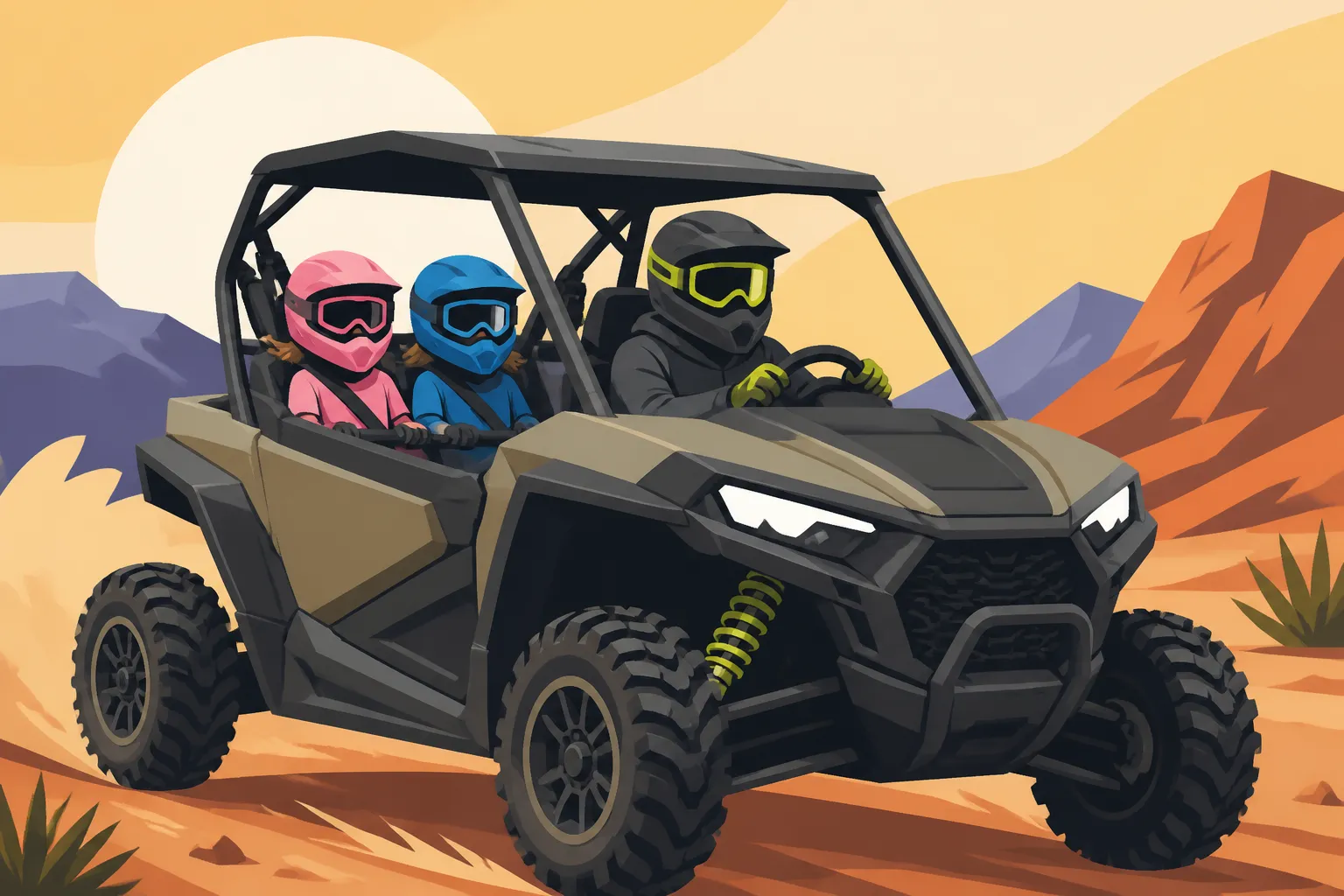
For kids, there's no question: they must wear a helmet when riding in a side-by-side on Nevada's roads. This protection is non-negotiable. Helmets significantly reduce the risk of head injury in the event of a crash or rollover, which, while hopefully rare, are always a possibility when operating any vehicle. Beyond the legal requirement, consider it a fundamental safety measure, just like ensuring their seatbelt is securely fastened. Make sure the helmet fits properly, is DOT-approved, and is comfortable enough that they won't try to take it off mid-ride. This simple piece of gear is their first line of defense. Remember to also check [Nevada Helmet Rules for Passengers] when planning your ride.
Practical Considerations for Riding with Kids in the Back Seat
Beyond the legalities, bringing kids along for a side-by-side adventure, especially one that includes road portions, requires a healthy dose of practical planning and safety-first thinking. It's one thing to understand the rules; it's another to implement them in a way that ensures everyone has a fantastic, safe, and comfortable experience. After all, the goal isn't just to stay legal, but to create lasting, positive memories for your family in Nevada's incredible outdoor playground.
As parents and riders, we often juggle the excitement of hitting the trails with the very real need to keep our children safe and happy. It's a balance of adventure and vigilance. From choosing the right machine to packing the right gear, every decision contributes to the overall success and safety of your family's outing. Getting caught unprepared, or realizing too late that a piece of equipment isn't up to par, can quickly turn a fun day into a frustrating or even dangerous one. Let's make sure that doesn't happen.
Choosing the Right Side-by-Side for Family Rides
When you're thinking about taking your children, especially in the back seat, on Nevada's designated county roads, the type of side-by-side you own—or plan to buy—makes a huge difference. Not all UTVs are created equal when it comes to family-friendly road use. Look for models specifically designed with multi-passenger capabilities. This typically means a four-seat configuration, where the rear seats are proper, factory-installed seats with integrated seatbelts, rather than an aftermarket bench squeezed into a two-seater. These machines often come with a more substantial roll cage and a wider stance, contributing to stability.
Beyond the number of seats, consider features that enhance safety and comfort for younger passengers. A robust roll cage is paramount for protection in a rollover scenario, and many UTVs now offer full doors or door inserts, which can prevent arms and legs from swinging out, especially for smaller children. Some manufacturers also offer optional child seats or boosters that can integrate seamlessly with the UTV's seatbelt system, ensuring a snug and secure fit for smaller statures. Don't forget the importance of proper tires for varied terrain, as you might transition from paved roads to dirt trails. For those looking to upgrade or customize their side-by-side for enhanced safety and comfort, a brand like SuperATV offers a wide range of accessories, from full doors and windshields to heavy-duty suspension components, all designed to make your machine more capable and secure for family adventures.
Essential Gear and Preparation for Riding with Youngsters
Once you've got the right machine, preparing for the ride itself is crucial, particularly when kids are in tow. This isn't just about slapping on helmets; it's a comprehensive approach to safety and comfort.
Safety Gear:
- Helmets: As mentioned, mandatory for all under 18 on roads. Ensure they are DOT-approved and fit snugly.
- Goggles/Eyewear: Dust, wind, and debris are constant companions in the Nevada desert. Good eye protection is vital for everyone.
- Gloves: Protect hands from sun, brush, and minor impacts.
- Appropriate Clothing: Long sleeves and pants are always a good idea, even in warmer weather, to protect against sun, scrapes, and flying debris. Layering is key for the desert's fluctuating temperatures.
- First-Aid Kit: A well-stocked kit is non-negotiable. Include bandages, antiseptic wipes, pain relievers, and any specific medications your family might need.
Vehicle Preparation:
- Maintenance Check: Before every ride, check tire pressure, fluid levels, brakes, lights, and ensure all seatbelts are in good working order.
- Fuel: Plan your route and fuel stops carefully. The Nevada desert is vast, and running out of gas is a serious problem.
- Navigation: Carry physical maps and/or a reliable GPS device, especially if cell service might be spotty.
- Communication: A two-way radio or satellite messenger can be a lifesaver if you're out of cell range. [Cell Coverage on Nevada Trails] is often unreliable.
Kid-Specific Comfort & Supplies:
- Water, Water, Water: This is non-negotiable in Nevada. Bring more than you think you'll need.
- Snacks: Keep energy levels up and moods high.
- Sunscreen and Lip Balm: Protect against intense desert sun.
- Wipes and Hand Sanitizer: Essential for dusty hands and quick clean-ups.
- Entertainment: Small, car-friendly toys or books can help pass the time during breaks or longer stretches of road.
- Weather Protection: Extra layers for unexpected cold, rain gear, or blankets for evening rides. A good UTV roof and windshield, perhaps from a company like SuperATV, can help protect from the elements.
Remember, a little extra preparation goes a long way in ensuring a memorable and safe family outing in the Nevada desert.
Where You Can (and Cannot) Ride with Kids on Nevada Roads
Nevada offers an incredible tapestry of landscapes, from wide-open desert to towering mountains, and our OHVs are perfect for exploring them. However, when you introduce public roads into the mix, especially with kids in the back seat, the "where" becomes just as critical as the "how." Not all roads are created equal in the eyes of Nevada law, and understanding these distinctions is vital to a legal and safe family ride. Straying onto prohibited roads, even accidentally, can lead to fines, citations, and put your family at unnecessary risk.
It's easy to look at a paved road that leads directly to a fantastic trail system and assume it's fair game. But Nevada has gone to great lengths to define which roads are permissible for Large ATVs and which are strictly off-limits. This isn't about hindering your fun; it's about road safety, traffic flow, and protecting both OHV riders and other motorists. Taking the time to understand these boundaries will save you a headache and ensure your family's adventure remains positive.
Permitted County Roads and Designated Routes
Nevada allows properly equipped and registered Large ATVs (which includes many side-by-sides) to operate on specific types of public roads. These are generally referred to as "minor county roads" or "designated routes" within specific jurisdictions. The key here is "minor county roads" – these are typically unnumbered, less traveled, and often lead to trailheads or connect small communities. They are distinct from state highways, U.S. routes, or busy city streets.
Some counties have specifically embraced OHV tourism and have designated routes through towns or connecting areas. For example, [Riding the Street in Mesquite] is often allowed on certain routes, showcasing how some communities work to integrate OHV use. However, this isn't universal. It's crucial to check with the local county or city ordinances for any area you plan to ride. While the state law provides a framework, local jurisdictions have the power to further restrict or designate routes. Always look for signage indicating where OHVs are permitted. The general rule of thumb is: if it's a major thoroughfare, a numbered state or federal highway, or a busy city street, assume it's off-limits unless explicitly stated otherwise. Many of these roads exist to help you get from point A to point B on a dirt journey, not for cruising to the grocery store.
Prohibited Areas and Common Misconceptions
Despite the allowances for Large ATVs on certain county roads, there are significant restrictions and common misconceptions that riders, especially those with families, need to be acutely aware of.
Highways and Interstates: This is perhaps the most critical prohibition. Nevada explicitly bans OHVs, including Large ATVs, from interstate highways and most state and U.S. highways. Even if it looks like a quiet stretch, these roads are designed for higher-speed vehicle traffic, and OHVs simply don't belong there. The only exception is often a short crossing of a highway at an intersection, but this is a very brief maneuver, not sustained travel. Trying to ride along [US 93 and the Roads You Cannot Ride Along] is a recipe for a costly ticket and a dangerous situation.
City Limits and Urban Areas: While some smaller towns, like Mesquite, might have designated OHV routes, the vast majority of incorporated cities and towns in Nevada prohibit OHVs on their streets. Cities like Las Vegas, Reno, and Henderson have strict ordinances keeping OHVs off city streets, except for very specific and rare designated routes. You cannot simply ride your UTV through a subdivision to get to the desert from your house if you're within city limits. [Las Vegas City Limits and OHV Routes] are very limited.
The "Two-Mile Rule": There's often confusion about a "two-mile rule" in Nevada. While OHVs can sometimes travel up to two miles on a paved road to connect two off-highway routes, this rule generally applies to machines that don't qualify as Large ATVs and is meant for connection, not continuous travel. For a Large ATV with its road decal, the focus is on designated county roads, not just any paved road for two miles. Misinterpreting this rule can lead to significant penalties.
Paved Shoulders and Ditches: Riding on the paved shoulder or in the ditch alongside a prohibited road is also generally not allowed and can still result in a citation. These areas are not considered legal operating zones for OHVs, even if you're trying to avoid the main traffic lanes.
In summary, when riding with kids in the back seat on Nevada roads, always assume major roads, highways, and city streets are off-limits. Stick to designated minor county roads, heed all signage, and if in doubt, choose the safer option of trailering your machine to the approved riding area.
Here's a quick reference table for child passenger rules in Nevada:
| Aspect | Off-Road (General) | On Designated Nevada County Roads (Large ATV) |
|---|---|---|
| Driver's License | Not required for OHV operation | Required for Large ATV driver |
| Minimum Passenger Age | No specific age, but must be properly secured | No specific age, must be properly restrained |
| Proper Restraints | Must be seated, securely held | Mandatory factory seatbelts, properly buckled |
| Helmet (Under 18) | Recommended, often required by land manager | Mandatory |
| Helmet (18 and Over) | Recommended | Not required if vehicle has roll bar/enclosure |
| Supervision (Under 16) | Required by 18+ adult | Required by 18+ adult |
| Vehicle Type | Any OHV (ATV, UTV, dirt bike) | Large ATV (4+ seats OR truck bed) |
| Decal/Registration | Required for public lands | Required, plus specific Large ATV decal |
Disclaimer
This article is for general informational purposes only and does not constitute professional advice. Laws, prices and regulations vary by location and change over time. Consult a qualified professional for guidance on your specific situation.