Who Can Do a VIN Inspection in Nevada
Navigating the ins and outs of off-highway vehicle (OHV) registration in Nevada can feel like a scavenger hunt, especially when you hit a roadblock like the VIN inspection requirement. It’s a common frustration for riders, whether you’ve just bought a used quad, brought a side-by-side in from out of state, or even built a custom machine, trying to figure out exactly who can legally verify your vehicle's identity. This guide is here to clear up the confusion, explaining precisely who is authorized to perform a VIN inspection in Nevada, why it's necessary, and what you need to do to get your machine properly documented.
The Core Challenge: Why a VIN Inspection is Needed for Your Nevada OHV
Before we dive into who can perform a VIN inspection, let's talk about why it's such a crucial step in the Nevada OHV registration process. It's not just a bureaucratic hoop to jump through; it's a vital part of ensuring legal ownership, preventing theft, and properly identifying your vehicle for the state's records. Without a verified VIN, your machine is essentially invisible to the DMV, making it impossible to get it registered and legally ride on designated public lands.
You'll encounter the need for a VIN inspection in several common scenarios. Perhaps you purchased a fantastic used ATV from a private seller in a neighboring state, and now you're moving it to Nevada. Or maybe you've assembled a unique custom buggy and need to establish its identity. Even if you're just looking to get your title for a machine you've owned for ages but never properly registered, a VIN inspection is often the gateway. The frustration often stems from the lack of clear, widely publicized information about who is actually authorized to do these inspections. Many riders mistakenly believe they can simply roll up to the local DMV office, only to be turned away and sent on a new quest to find the right person. That wasted trip is exactly what we want to help you avoid.
Proving Ownership and Preventing Theft Through Verification
The Vehicle Identification Number (VIN) is your off-highway vehicle's unique fingerprint. It's a 17-character code that tells a story about where and when your machine was manufactured, its make, model, and other essential details. When you register an OHV in Nevada, the state needs to confirm that the VIN on your physical machine matches the VIN on your ownership documents, such as a title or a bill of sale. This verification process is a critical safeguard against stolen vehicles being registered under false pretenses. It helps law enforcement track down machines that have been reported missing and ensures that the person attempting to register the OHV is indeed the rightful owner.
Think of it this way: without a VIN inspection, someone could potentially try to register a stolen quad using forged paperwork. The inspection acts as a physical check, a hands-on verification that the numbers are real, present, and untampered with. It protects you as a buyer by confirming the machine's legitimacy, and it protects other riders by making it harder for criminals to operate. The integrity of the OHV registration system relies heavily on this seemingly simple step.
Common Situations Requiring a VIN Inspection
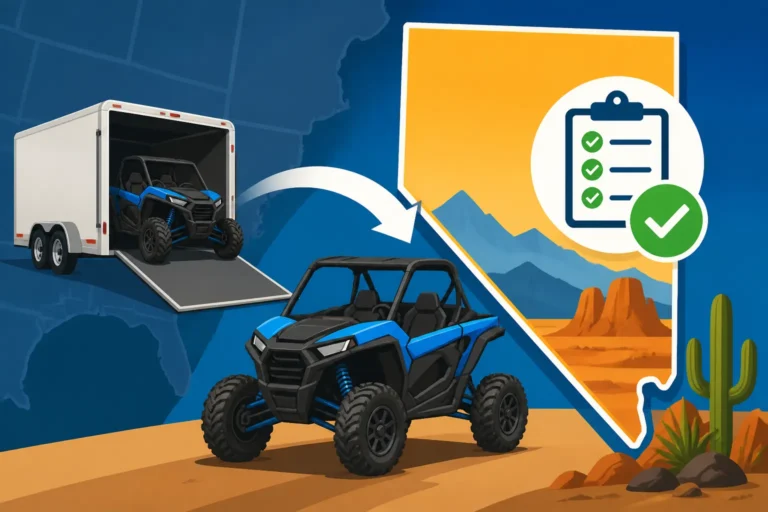
While not every OHV registration requires a VIN inspection, there are several key situations where it's absolutely mandatory. The most frequent scenario involves bringing an OHV into Nevada from another state, especially if it's never been titled or registered here before. Nevada wants to verify the machine's identity upon its entry into the state's system. Another common instance is when you've bought a used machine from a private seller, and perhaps the previous owner didn't have all the pristine paperwork, or the machine's history is a little hazy. The state needs to establish a clean record for your new acquisition.
Homebuilt buggies, sand rails, or custom-fabricated machines also fall into this category. Since they don't have a traditional manufacturer's VIN plate, they'll need a VIN assigned and verified by the state, which naturally requires an inspection. Even if you're applying for a [Nevada OHV Title Application Deadline] and the machine has been in the state for a while but never formally registered or titled, an inspection might be required to ensure its proper place in the system. Understanding these triggers can save you a lot of time and potential headaches down the road.
Who Can Perform a Nevada OHV VIN Inspection? Licensed Dealers and Sworn Officers
Alright, let's get to the heart of the matter. When you need a VIN inspection for your off-highway vehicle in Nevada, you have two primary, state-authorized avenues: licensed OHV dealers and sworn law enforcement officers. Knowing which one to approach can make all the difference in a smooth registration process. Both options have their specific roles and advantages, and understanding them will save you from making unnecessary trips.
It’s crucial to understand that these are the only recognized entities for this task. Don’t fall into the trap of thinking just any mechanic or a friendly notary can do it. Nevada has strict requirements to ensure the integrity of the inspection process. If you try to submit paperwork with an inspection from an unauthorized party, it will be rejected, and you’ll be back to square one.
Licensed Nevada OHV Dealers: Your Go-To Option
For most OHV owners, a licensed Nevada OHV dealer is going to be your most straightforward and convenient option for getting a VIN inspection done. These dealerships are specifically authorized by the state to perform these checks because they deal with OHVs day in and day out. They understand the nuances of the VIN plates, the various locations they can be found on different machines, and the paperwork required. Many dealers offer this service as a standard part of their customer care, especially if you've purchased a machine from them or need to get a new purchase registered.
The process is generally quite simple. You'll typically call ahead to schedule an appointment or verify their availability, then bring your machine and all relevant documentation (title, bill of sale, etc.) to the dealership. A technician or authorized staff member will locate the VIN on your machine, verify it against your paperwork, and complete the necessary inspection form, often called an OHV-002 form in Nevada. There might be a small fee for this service, but it's usually a minor cost compared to the hassle of trying to figure out other options. Using a dealer can often expedite the entire registration process, especially if they also handle the submission of your registration application to the DMV, which is a service some offer. For more detailed insights, you might want to review [Which Dealers Can Inspect a VIN in Nevada] as part of your research.
It’s worth noting that some dealers may charge a small processing fee beyond the inspection itself, sometimes referred to as the [What Nevada's $2 Dealer Submission Fee Pays For]. This fee covers their time and effort in accurately completing and submitting the paperwork on your behalf. While it’s an added cost, it often comes with the peace of mind that everything is filled out correctly and submitted in a timely manner. They are experts in the [Nevada OHV Registration Paperwork Checklist], which can be a real benefit if you're not confident filling out complex forms yourself.
Sworn Law Enforcement Officers: For Specific Situations
While licensed dealers are often the easiest route, there are definitely situations where you'll need to turn to a sworn law enforcement officer for your VIN inspection. This usually includes a sheriff's deputy, a local police officer, or a Nevada Highway Patrol trooper. These situations often arise when a dealer isn't readily accessible, or if there are specific circumstances that warrant a law enforcement verification, such as a machine with no prior title or an unusual history that requires an official legal eye. For instance, if you live in a very rural area without nearby OHV dealerships, asking a local deputy might be your most practical option.
The process for engaging law enforcement can vary slightly depending on the agency and their availability. You'll likely need to call their non-emergency line to inquire about scheduling a VIN inspection. Be prepared for them to potentially come to your location where the OHV is stored, or they might ask you to bring the machine to a specific station. You absolutely must have all your supporting documentation ready, including a bill of sale (which you can easily create and manage using resources like LawDepot for reliable templates), any previous registration cards, and your personal identification. The officer will meticulously check the VIN on your machine against your paperwork and complete the required inspection form. While law enforcement typically doesn't charge a fee for this service, their availability can sometimes be more limited than a dealership's, so patience and advance planning are key. This is directly related to [Asking a Sworn Officer to Verify a VIN] and understanding when and how to approach them.
Consider a scenario where you've purchased an ATV from a private individual and the previous owner has misplaced the original title, but you have a solid bill of sale. In this case, an officer's verification provides an extra layer of official confirmation for the DMV. Another example might be if the VIN plate itself appears to be tampered with or is unreadable; an officer is uniquely qualified to assess such situations and guide you on the next steps, which might involve a deeper investigation. Having a clear, detailed bill of sale, perhaps drafted through a service like LawDepot, can make this process much smoother by providing undeniable proof of your transaction to the officer.
Who Cannot Perform a Nevada OHV VIN Inspection? Dispelling Common Misconceptions
Just as important as knowing who can perform a VIN inspection is understanding who cannot. Many people waste valuable time and energy approaching the wrong entities, only to be turned away. This section aims to prevent those frustrating detours by dispelling common misconceptions and clearly outlining who is unauthorized to perform these specific inspections for Nevada OHV registration. Remember, the state has very specific criteria for these checks to maintain the integrity of its titling and registration processes.
Getting your VIN inspection done by an unauthorized party is akin to showing up to a race without the right entry ticket – it simply won’t be accepted. The Nevada DMV is quite particular about the source of these verifications, and for good reason. It’s all about ensuring that the person verifying the VIN has the proper training, authority, and accountability to do so, minimizing the risk of fraud or error.
Why the DMV Won't Do It
This is perhaps the biggest misconception out there: many people assume that because the Department of Motor Vehicles (DMV) is where you handle registration, they must also be the ones to perform the VIN inspection. Unfortunately, that's not the case. The Nevada DMV does not perform physical VIN inspections on off-highway vehicles. If you drive your ATV or UTV to a DMV office expecting them to send someone out to check the VIN, you will be politely, but firmly, turned away. It's a common source of frustration for riders who make the trip only to find out they need to go elsewhere.
The reason for this policy is primarily logistical and functional. The DMV's role is largely administrative: processing paperwork, issuing titles, and handling registrations. They don't typically have the staff, the time, or the dedicated inspection bays to perform physical vehicle checks. Their focus is on the documentation once it's been properly verified by an authorized third party. This division of labor helps streamline their operations. So, when you're looking for a VIN inspection, remember to skip the DMV office itself and head straight for a licensed dealer or a law enforcement agency. To dive deeper into this specific point, you can refer to [The VIN Inspection Nevada DMV Will Not Do].
It's a system that, while perhaps inconvenient at first glance, helps the DMV manage the sheer volume of transactions they process daily. Imagine if every single vehicle registration required an on-site inspection by DMV staff – the lines would be even longer, and the wait times even more unbearable. By outsourcing this physical verification to entities specifically equipped and authorized for it, the DMV can focus on its core mission.
Other Individuals and Entities Not Authorized
Beyond the DMV, there's a host of other individuals and entities that, despite seeming logical at first glance, are not authorized to perform a VIN inspection for your Nevada OHV. This includes your friendly neighborhood mechanic, even if they're highly skilled and trustworthy. While they can certainly find the VIN on your machine, their verification won't hold up for official state purposes because they lack the specific state authorization required. The same goes for any private individual, a notary public, or even inspectors from other states if the intent is to register the machine in Nevada. An inspection performed in California or Arizona might be valid for their state's purposes, but Nevada will require its own authorized verification when you bring the machine here.
The key takeaway here is authorization. Nevada wants a verification from someone who is explicitly designated and accountable under its state laws for performing these checks. Using an unauthorized person will only lead to delays and additional work, as your application will be rejected, and you'll have to start the inspection process all over again. Always confirm that the person or entity you're approaching is a licensed Nevada OHV dealer or a sworn law enforcement officer before proceeding.
This strict adherence to authorized inspectors is meant to safeguard against potential fraud and ensure accuracy. Without this control, anyone could potentially claim to have verified a VIN, leading to chaos in vehicle records. It's a system designed for security and precision, even if it requires a bit more effort on the part of the OHV owner.
What to Bring and What to Expect During Your VIN Inspection
Preparing for your VIN inspection properly can make the entire process a breeze. Walking into an authorized dealer or meeting a law enforcement officer with all your ducks in a row ensures a quick, efficient verification. Conversely, showing up unprepared with missing documents can lead to delays, frustration, and possibly needing to reschedule your appointment. This section will guide you through the essential paperwork you'll need and give you a clear picture of what the inspection itself will entail.
Remember, the goal of this inspection is to physically confirm the identity of your machine and match it with your legal proof of ownership. The more clearly you can present these pieces of information, the smoother your experience will be. It's about demonstrating legitimate ownership and the machine's true identity.
Essential Documents for Your Inspection
When you head out for your VIN inspection, treat it like an important appointment – because it is! You'll need to gather several key documents to present to the inspector. Having these readily available will not only save time but also demonstrate your preparedness, which is always appreciated.
First and foremost, bring your proof of ownership. This usually means the original title, if you have one. If the machine has never been titled or you purchased it privately and the title isn't available, then a comprehensive bill of sale is absolutely essential. A properly drafted bill of sale should include the full VIN, the purchase price, the date of sale, and the signatures of both the buyer and seller. If you're looking for a reliable template to ensure all necessary details are covered, online legal document services like LawDepot offer excellent, customizable bill of sale forms that can be a lifesaver for private transactions. This document is critical because it legally transfers ownership from the seller to you, and without it, verifying your claim to the vehicle becomes nearly impossible. Ensure that the bill of sale explicitly lists the VIN and the specifics of the ATV or UTV.
In addition to proof of ownership, you should bring any existing registration documents, even if they're from another state or are expired. These can provide a helpful paper trail for the inspector. Don't forget your photo identification, such as a driver's license or state ID, as the inspector will need to verify your identity as the person seeking the inspection. Finally, while not always strictly required for the inspection itself, it's a good idea to have a completed Nevada OHV application form (like the OHV-001 or OHV-012, depending on your situation) on hand. The inspector may be able to sign off directly on this form, or they might provide you with a separate inspection certificate to attach to your application. For a complete overview of what you might need, check out the [Nevada OHV Registration Paperwork Checklist] and consider what [What a Nevada ATV Bill of Sale Should Carry] specifically entails.
It’s often a good practice to make copies of all your documents before you go. This way, you have backups and can provide a copy to the inspector if needed, without worrying about losing an original.
The Inspection Process Itself
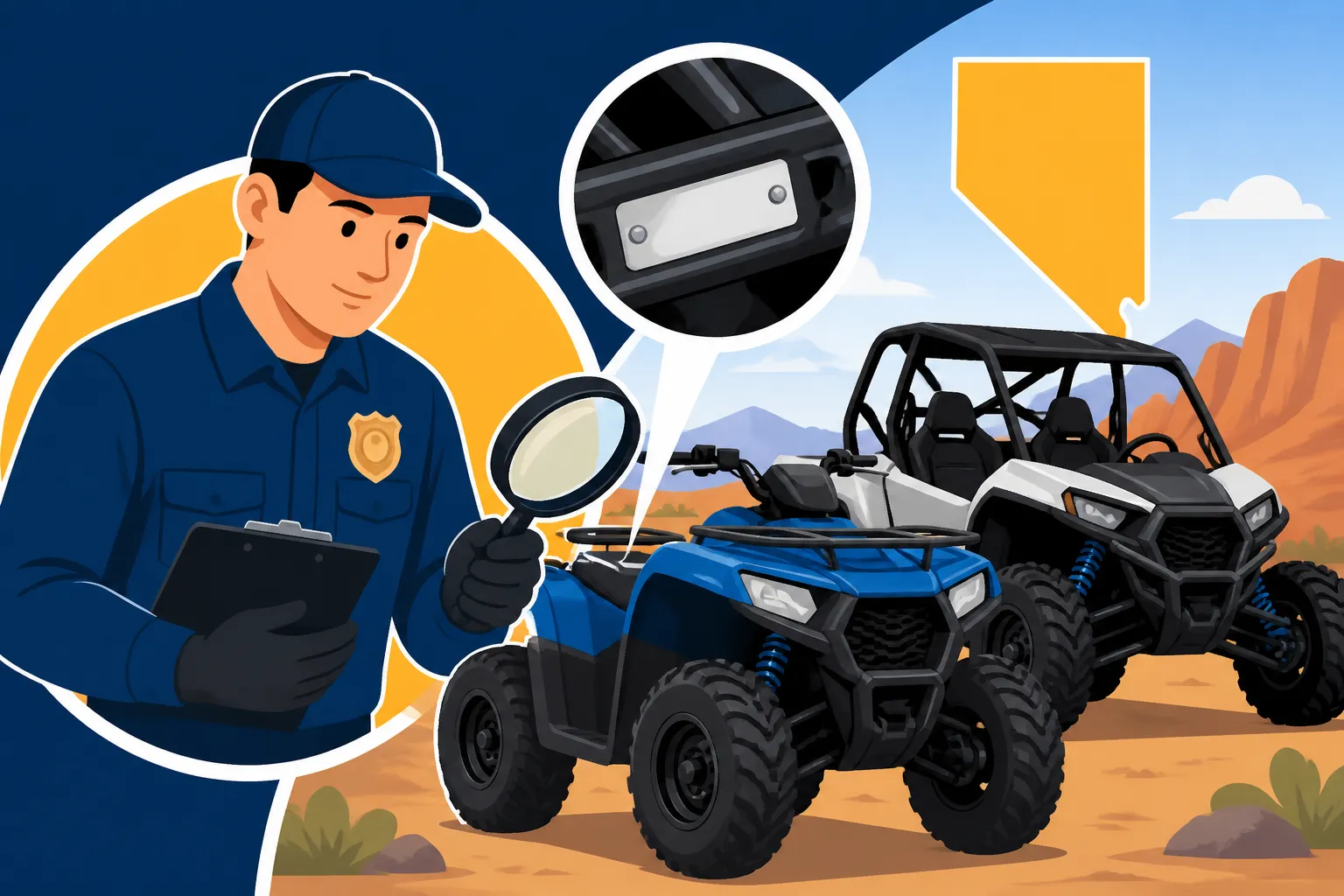
Once you arrive at the dealership or meet with the law enforcement officer, the actual inspection process is usually quite straightforward and doesn't take long. The inspector's primary task is to physically locate the VIN on your ATV or UTV and compare it with the VIN listed on your ownership documents. VINs are typically stamped into the frame of the vehicle, often on a sturdy part like the steering head, a frame rail, or near the engine mount. They are looking for a clear, legible VIN that shows no signs of tampering, alteration, or grinding. Any indication of such issues will immediately raise red flags and halt the inspection process.
They will also verify that the physical characteristics of your machine generally match the description on your documents – for example, if your bill of sale says "red Polaris RZR," they'll expect to see a red Polaris RZR, not a green Yamaha. After successfully locating and verifying the VIN, the inspector will complete the designated VIN inspection form, often signing and dating it. This completed form is what you will then submit to the Nevada DMV along with your other registration and titling paperwork. If any discrepancies or issues are found during the inspection, the inspector will inform you of the problem and advise you on the next steps, which might involve further investigation or corrective action before your machine can be registered.
It’s worth preparing your machine for inspection. Make sure the VIN area is clean and accessible. If it’s covered in mud, grease, or dirt, take a moment to clean it off so the inspector doesn’t have to. This small step can make a big difference in the efficiency of the inspection. Remember, their job is to confirm the identity, and anything you can do to facilitate that helps.
Here’s a quick summary of who can and cannot perform these crucial inspections:
| Authorized Inspector | Unauthorized Inspector |
|---|---|
| Licensed Nevada OHV Dealers | Nevada Department of Motor Vehicles (DMV) |
| Sworn Law Enforcement Officers | General Mechanics/Repair Shops |
| (Sheriff's Deputy, Police, NHP) | Private Individuals |
| Notary Publics | |
| Out-of-State Inspectors |
Getting your VIN inspection done correctly is a foundational step to enjoying Nevada's incredible OHV trails legally and without worry. By understanding who to go to and what to bring, you'll save yourself time and ensure a smooth path to registration. Whether it's a visit to a local dealer or a scheduled appointment with a deputy, the key is to be prepared and informed. Happy riding!
Disclaimer
This article is for general informational purposes only and does not constitute professional advice. Laws, prices and regulations vary by location and change over time. Consult a qualified professional for guidance on your specific situation.