What Decal Rangers Look For at Logandale Trails
There’s nothing quite like the rush of tearing through the desert landscapes around Logandale Trails, feeling the power of your ATV or UTV beneath you, with the red rock formations of Valley of Fire State Park as a stunning backdrop. But that feeling can quickly turn to a knot in your stomach if you see a ranger ahead, especially if you’re unsure about your paperwork. Many riders get anxious, wondering exactly what those rangers are looking for when they check your machine. This guide is here to demystify the process, so you can hit the trails with confidence, knowing exactly what to have ready when a Nevada OHV ranger at Logandale gives you a friendly wave.
The Basics: Why Rangers Check Your Decal at Logandale Trails
When you’re out enjoying the vast expanses of Logandale Trails, it’s easy to feel like you’re completely free, away from the rules and regulations of city life. However, public lands, even those as wild and open as Logandale, have specific guidelines to ensure safety, preserve the environment, and fund the very trails we love to ride. The OHV decal on your machine is a small but mighty piece of that regulatory puzzle, and understanding its significance is the first step to a hassle-free ride.
Understanding Nevada's OHV Registration Mandate
Nevada has a clear mandate: if you're riding an off-highway vehicle (OHV) on public lands, it needs to be registered with the state. This isn't just a suggestion; it's a legal requirement outlined in Nevada Revised Statutes (NRS) Chapter 490. Logandale Trails, being managed by the Bureau of Land Management (BLM) and benefiting from state OHV funds, falls squarely under this mandate. The registration process ensures that your machine is officially recognized by the state, linking it to you as the owner and user.
This requirement isn't about making your life harder; it's about creating a system that supports the entire OHV community. The fees collected from registration go directly back into the OHV program, funding things like trail maintenance, signage, law enforcement patrols, and even grant programs that improve riding areas. So, when a ranger checks your decal, they’re not just checking a sticker; they’re verifying your participation in a system designed to keep these incredible riding opportunities open and accessible for everyone.
What the Decal Actually Signifies
At its core, your Nevada OHV decal is proof of registration. It’s a visual confirmation that you’ve gone through the proper channels, paid the necessary fees, and, in theory, are operating your machine legally on public land. When a ranger glances at your machine, that decal immediately tells them several key things without them having to ask for a single piece of paper.
First, it shows that your machine is officially in the Nevada system. This can be important for things like tracking stolen vehicles or ensuring proper ownership. Second, the color and numbers on the decal indicate the year of registration and when it expires. Rangers are trained to quickly identify if a decal is current or if it’s long overdue. Third, it acts as your "permit" to ride. Nevada does not have a separate trail permit; the registration decal itself serves that purpose, showing you’ve contributed to the funding of OHV programs. [Why Nevada Has No Separate Trail Permit]
Think of it like a license plate for your car. You wouldn't drive on a public highway without one, right? The OHV decal serves a similar function in the off-highway world, signifying that you're a responsible participant in the riding community. It's a small emblem, but it carries a lot of weight in the eyes of law enforcement.
The Role of Rangers in Protecting Nevada's Trails
Rangers at Logandale Trails, whether they are from the BLM, Nevada State Parks, or local law enforcement agencies, have a vital role in maintaining the integrity and safety of the riding area. Their job extends far beyond simply checking decals; they are educators, protectors, and enforcers of the rules designed to keep everyone safe and the environment pristine.
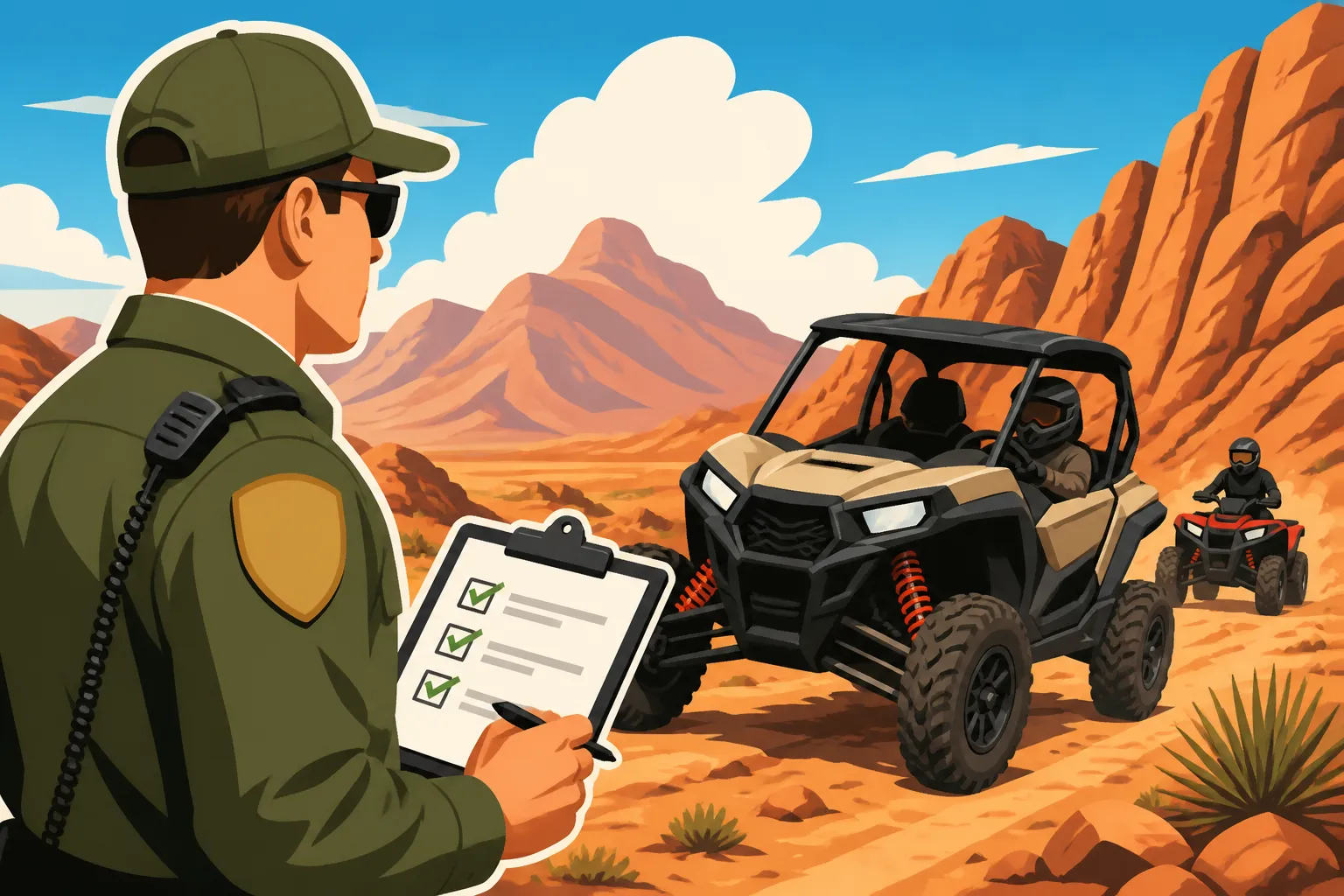
When a ranger approaches you, they are primarily looking to ensure compliance with OHV laws. This includes checking for current registration, proper safety equipment, and adherence to environmental regulations. They are trained to spot violations quickly, but they also serve as a resource for riders, answering questions about trail conditions, permissible riding areas, and local hazards. Their presence helps deter illegal activities, promotes responsible riding behavior, and ensures that the funds generated from registration fees are indeed being used to benefit the trails. Without their diligence, areas like Logandale could quickly degrade, or worse, face closures due to misuse or neglect. They are the eyes and ears on the ground, working to preserve the natural beauty and riding opportunities for future generations. [What Nevada OHV Registration Fees Pay For]
Decal Details: What Rangers Scrutinize on Your Machine
Okay, so you know why rangers check your decal. Now, let’s get into the nitty-gritty of what they’re actually looking for on that little sticker. It's not just about having a decal; it's about having the right decal, in the right place, and in the right condition. Logandale Trails, with its dusty and sometimes rugged environment, can be tough on these stickers, so paying attention to these details is crucial.
Placement and Visibility: Where Your Decal Should Be
One of the first things a ranger will look for is the physical location of your decal. Nevada Revised Statutes (NRS 490.060) are pretty specific about where that decal needs to be displayed. For most ATVs and UTVs, it needs to be affixed to the left side of the machine, or on the rear of the machine. The key here is visibility. It needs to be easily seen and read by a patrolling ranger.
Imagine a ranger driving past you on a dirt road. They should be able to quickly spot your decal without you having to stop, point, or search for it. If your decal is tucked away, covered in mud, or on an obscure part of the machine, it defeats the purpose of being a quick visual identifier. Many riders choose a flat, clean surface on the rear fender or the side plastic near the rear wheel. Make sure it’s in a spot that isn't regularly covered by gear, mud flaps, or passenger legs. Correct placement makes their job easier and ensures you don’t get stopped for a preventable issue. [Left Side or Rear: Where the Decal Goes]
Current and Valid: Checking the Expiration Date
This is arguably the most critical aspect rangers check: is your decal current and valid? Every Nevada OHV decal has an expiration date, clearly printed on it. These decals can be purchased for one year or three years, and rangers are very adept at quickly identifying the current year's color and date. Seeing an expired decal is a surefire way to get pulled over for a friendly chat.
It’s easy to forget when your decal expires, especially if you only ride seasonally or if your machines are stored for long periods. However, "I forgot" isn't a valid excuse when a ranger stops you. An expired decal is the same as riding unregistered, which can lead to fines. Make it a habit to check your decal’s expiration date annually, perhaps when you're doing other maintenance or planning your first big ride of the season to Logandale. If you're nearing the expiration, get that renewal done. You can even renew your Nevada OHV registration online now, which makes it super convenient. [When a Nevada OHV Decal Expires]
Legibility and Condition: Is Your Decal Readable?
Nevada’s harsh desert environment, with its intense sun, dust, and occasional rough washes, can be brutal on anything stuck to an OHV. Your decal is no exception. Over time, decals can fade, peel, get scratched, or even become partially torn. When a ranger checks your decal, they’re not just looking for its presence; they're checking its legibility. Can they clearly read the numbers and the expiration date?
If your decal is so faded that the year is unreadable, or if it's peeling off to the point where crucial information is missing, it’s just as problematic as not having a decal at all. The purpose is visual identification, and a degraded decal fails that test. While some wear and tear are expected, if it's genuinely difficult to read, you might want to consider ordering a replacement. It’s a small investment in peace of mind and can prevent an unnecessary stop or even a citation. Just make sure to properly clean the surface before applying a new one to prevent it from peeling off again too soon. [Decals Peeling Off in Desert Heat]
Beyond the Decal: Other Paperwork and Safety Checks
While the decal is often the first thing a ranger notices, their checks don't necessarily stop there. If they have any questions or concerns, or if they're conducting a more thorough compliance check, they might ask for additional paperwork or quickly scan for essential safety equipment. Being prepared for these secondary checks can smooth out any interaction and get you back on the trail faster.
Carrying Your Registration Card
Even with a perfectly placed and current decal, the physical registration card is your ultimate proof of compliance. Think of it as your OHV's driver's license. The decal is the visual, but the card holds all the official details: your name, the machine's VIN, the registration period, and sometimes even the specific type of machine. Rangers will often ask to see this card if they pull you over, even for a quick check.
It's a good practice to carry the original card, but if you're worried about it getting damaged or lost on the trail, a clear, legible photograph of both sides on your phone is often accepted as proof, especially if the original is safely stowed away elsewhere. Whatever you choose, make sure it’s accessible and protected from the elements. A Ziploc bag or a waterproof document holder in your glove box or storage compartment is a wise investment. Losing or damaging your only copy out on the trails around Logandale can be a real headache. [Keeping Paperwork Dry in a Dusty Machine]
Proof of Ownership and Identification
While not a routine check, a ranger might ask for proof of ownership or your personal identification, especially if there’s any discrepancy with the registration card or if the machine looks new to you. This is more common if you've recently purchased the machine, or if the registration details don't align with who is operating it. Having your driver's license ready is always a good idea, as it identifies you as the operator.
For proof of ownership, this typically means a bill of sale or the vehicle's title. If you purchased your ATV or UTV privately, especially if it was a cash sale, a well-drafted bill of sale is crucial. Resources like LawDepot can help you generate a clear, legally sound bill of sale that protects both the buyer and seller, and serves as excellent proof of ownership should a ranger inquire. Similarly, if you're riding a machine that's still financed, having some documentation to show you're the current owner (even if the bank holds the title) can be helpful. Being transparent and cooperative will always lead to a smoother interaction. [Checking an ATV VIN Before You Buy]
Safety Equipment and Compliance
Beyond just the decal and paperwork, rangers are also looking for overall compliance with safety regulations. While these aren't directly related to your registration decal, they often go hand-in-hand with a responsible riding experience, and a ranger performing a stop might check them. The most common safety checks include spark arresters, which are legally required on public lands in Nevada to prevent wildfires. Without a functioning spark arrester, you could face a serious fine and be ordered off the trail.
Helmets are another big one, especially for riders under a certain age, or for anyone riding on designated county roads where street-legal rules might apply. While helmets are not universally mandated for all off-road riding for adults in Nevada, they are always a good idea for safety and often required in specific circumstances. Rangers also pay attention to general machine condition – working lights, brakes, and sometimes even sound levels (mufflers are required). They're looking for machines that are being operated safely and responsibly, in line with the spirit of the OHV program that your decal helps fund. [Spark Arresters on Nevada Roads]
Avoiding Issues: Best Practices for Riding Logandale Trails
No one wants their exhilarating ride through Logandale to be interrupted by a citation or a lengthy discussion with a ranger. Being proactive and prepared is the best way to ensure your time on the trails is nothing but fun and adventure. A little bit of planning goes a long way in avoiding unnecessary headaches.
Pre-Ride Checklist for Peace of Mind
Before you even load up your machine and head out to Logandale, taking a few minutes to run through a quick checklist can save you a lot of trouble. This isn't just about avoiding a ranger stop; it's also about ensuring your own safety and enjoyment.
Here's a handy list to consider:
- Decal Check: Is your Nevada OHV decal properly affixed, clearly visible, and not expired? Check the year and ensure it’s not peeling or faded.
- Registration Card: Do you have your current OHV registration card with you, or a clear photo of it?
- Proof of Ownership: While not always needed, having a bill of sale (perhaps a template from LawDepot) or title information can be helpful, especially if you've just acquired the machine.
- Identification: Always carry your driver's license or another form of government-issued ID.
- Spark Arrester: Ensure your machine has a functional spark arrester.
- Helmets: If required for you or any passengers (especially minors), make sure they are present and properly worn.
- Machine Condition: Quickly check your lights, brakes, tires, and fuel levels. No one wants to break down far from the trailhead.
- Supplies: Pack plenty of water, snacks, a first-aid kit, and any necessary tools or spare parts for minor repairs.
Going through this checklist helps confirm you're compliant and ready for a great day of riding.
What to Do If Stopped by a Ranger
If a ranger at Logandale signals for you to stop, the most important thing to do is remain calm, be respectful, and cooperate fully. Pull over safely to the side of the trail, turn off your engine, and remove your helmet so you can communicate clearly.
Here’s a general approach:
- Stop Safely: Find a safe place to pull over that doesn't obstruct the trail or put you or the ranger at risk.
- Turn Off Engine: This shows respect and allows for clear communication.
- Remove Helmet: Makes it easier to hear and be heard, and shows you're not trying to hide anything.
- Keep Hands Visible: This is a universal sign of cooperation and helps the ranger feel safe.
- Provide Documents: When asked, provide your driver's license, OHV registration card (or photo), and any other requested documents without hesitation.
- Answer Questions Truthfully: Be honest and direct in your responses. If you made a mistake, acknowledge it.
- Be Polite: A friendly and cooperative attitude goes a long way. Rangers are professionals, and they appreciate respectful interactions.
Remember, rangers are there to enforce rules but also to ensure safety. A positive interaction can quickly resolve any issues and get you back to riding, while a confrontational one can escalate a minor problem into a bigger one.
The Importance of Knowing the Rules
Ultimately, the best defense against any issues with rangers is a thorough understanding of Nevada's OHV laws and the specific rules for riding areas like Logandale Trails. The laws are in place for a reason – to protect riders, the environment, and the future of off-roading. Ignorance of the law is never an excuse.
Take some time to familiarize yourself with [Nevada's $20 OHV Decal and What It Covers] and other regulations. Understanding things like speed limits in certain areas, restrictions on cross-country travel, and environmental protections (like staying out of sensitive habitats) is crucial. Many of these rules are posted at trailheads or can be found on BLM websites. If you're a new rider or visiting Nevada, a quick online search for "Nevada OHV rules" will bring up a wealth of information. Being a knowledgeable and responsible rider not only prevents tickets but also sets a positive example for others and helps preserve these incredible resources for everyone to enjoy for years to come.
Remember, Logandale Trails is a truly special place, offering some of the best OHV riding in Nevada. By understanding what rangers are looking for and preparing accordingly, you can ensure your adventures there are always memorable for the right reasons.
Ranger Check Guide for Logandale Trails
| Item to Check | Ranger's Focus | What You Need to Have Ready | Potential Issue if Missing/Incorrect |
|---|---|---|---|
| OHV Decal | Current, Visible, Correctly Placed, Legible | Decal affixed to left side or rear, unexpired | Fines, being asked to leave the trail |
| Registration Card | Matches VIN, current, proves ownership | Physical card or clear photo | Delays, further questioning about ownership |
| Personal ID | Matches operator to registration (if applicable) | Driver's License or state ID | Delays, identity verification |
| Proof of Ownership | For new machines or if registration is in doubt | Bill of sale (e.g., from LawDepot), title copy | Significant delays, impoundment in extreme cases |
| Spark Arrester | Present and functional | Properly installed on exhaust | Fire hazard, fines, ordered off trail |
| Safety Gear (Helmets) | Compliance for minors, specific road rules | Approved helmets where required | Fines, safety risk |
| General Machine Condition | Working lights, brakes, safe operation | Well-maintained machine | Safety hazard, ordered off trail |
Disclaimer
This article is for general informational purposes only and does not constitute professional advice. Laws, prices and regulations vary by location and change over time. Consult a qualified professional for guidance on your specific situation.