What Rangers Check at Sand Mountain
Heading out to Sand Mountain for a day of ripping through the dunes is an incredible experience, but nothing throws a wrench in the fun faster than an unexpected stop by a Bureau of Land Management (BLM) ranger or a local deputy. Many riders worry about whether their paperwork is in order or if their machine meets all the rules. It's totally understandable to feel a bit anxious, but this guide will walk you through exactly what rangers are looking for when they check your off-highway vehicle (OHV) at iconic spots like Sand Mountain, helping you ride with confidence and keep your focus on the adventure.
The Essentials: Why Rangers Check and What They're Looking For
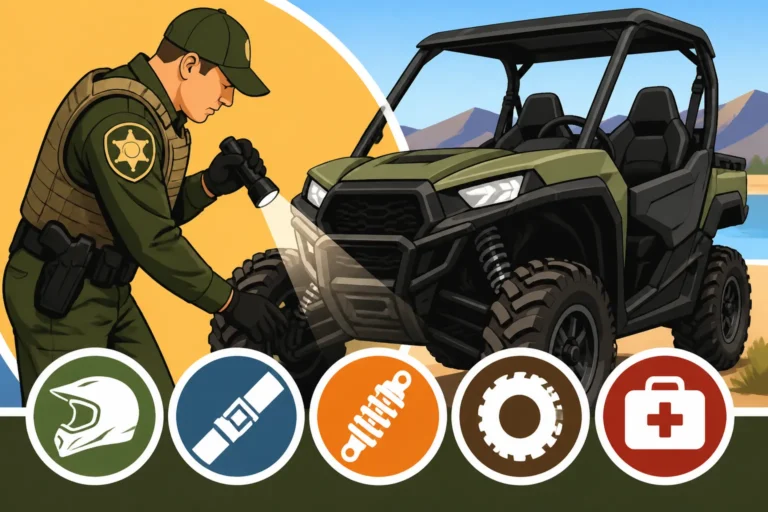
When a ranger approaches you at Sand Mountain, they're not usually trying to ruin your day. Their primary goal is ensuring the safety of all recreationists and protecting the delicate desert environment. They're also there to ensure everyone is compliant with state and federal regulations that keep our riding areas open and well-maintained. It's a balance between enjoyment and responsibility, and their checks are a key part of that.
Valid Nevada OHV Registration Decal
This is perhaps the first thing any ranger will look for: your current Nevada OHV registration decal. Think of it like a license plate for your dirt bike, ATV, or UTV when you're off-road. Nevada requires all off-highway vehicles, with very few exceptions, to be registered. This isn't just about collecting fees; the money from [Nevada's Annual OHV Registration] actually goes back into maintaining and improving OHV trails and facilities, including those at Sand Mountain.
The decal itself needs to be clearly visible and securely affixed to your machine. For ATVs and dirt bikes, it typically goes on the left front fork or fender. For UTVs and side-by-sides, you'll usually place it on the left rear fender or a permanent, visible part of the machine. The state has specific [Nevada OHV Decal Placement Rules] to ensure it's easily seen. If your decal is expired or missing, it's a quick way to get yourself a citation. Rangers aren't just looking for a decal, they're looking for a current decal. The numbers and colors change each year, so it's obvious to them if you're out of date. Having your registration paperwork handy, whether it's the physical card or a photo on your phone, can help clear up any immediate questions about the decal's validity if it's faded or damaged from the desert sun. [What a Nevada OHV Decal Actually Proves] is that you've contributed to the OHV fund and are legally permitted to ride on public lands in Nevada.
Proof of Ownership and Identification
Beyond the decal, rangers often want to confirm that the person operating the machine is the rightful owner or has permission to use it. This comes down to two main things: proof of ownership for the OHV itself and your personal identification.
For proof of ownership, your current registration card is the best bet, as it lists the owner's name. If you've just purchased the machine, a bill of sale, especially if it's notarized or clearly outlines the transaction, can serve as temporary proof. This is crucial if the previous owner's name is still on the registration or if you haven't yet completed the title transfer. Sometimes, riders inherit machines or buy them without a formal title in older transactions. In these scenarios, having any documentation that links you to the machine is important. If you find yourself needing to create a robust bill of sale or other legal documents for a private OHV transaction, services like LawDepot can provide templates and guidance to ensure you have proper documentation in place.
As for your personal identification, always carry a valid driver's license or state-issued ID. Rangers need to verify who you are, especially if they need to issue a warning or a citation. It's a simple, common-sense measure that often gets overlooked by riders who might just grab their helmet and keys. Don't assume that because you're off-road, the rules of personal identification don't apply.
Deep Dive into Documents: Proof of Ownership and Other Paperwork
The paperwork aspect of an OHV stop can sometimes feel daunting, but understanding what's needed can make all the difference. It's not just about the decal; it's about the full story of your machine's legality and your right to operate it.
Your Registration Card
The physical registration card that accompanies your decal is a critical piece of documentation. It contains vital information like the vehicle identification number (VIN), make, model, year, and the registered owner's name and address. Rangers will often cross-reference the VIN on your card with the VIN stamped on your machine to ensure they match. This helps prevent theft and ensures the machine hasn't been altered illegally.
It's a good practice to keep your registration card in a waterproof pouch or a secure compartment on your OHV. The desert environment is harsh, with dust and occasional moisture, so protecting your documents is essential. Some riders prefer to carry a laminated copy or a clear, legible photo on their phone, but be aware that some rangers might prefer to see the original card. Always confirm what is acceptable in the area you are riding. If you need to apply for or renew your registration, it's good to know the [Nevada OHV Registration Paperwork Checklist] to ensure you have everything needed.
Temporary Permits or Exemptions
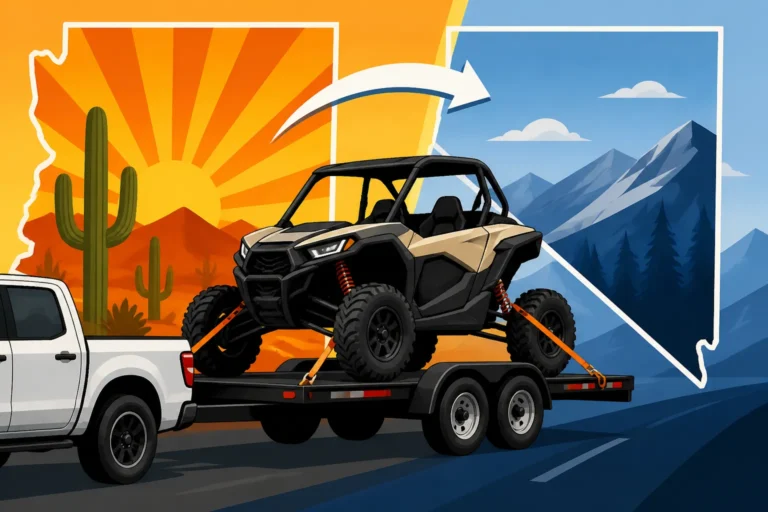
If you're an out-of-state rider, Nevada has specific reciprocity rules. For example, if you're visiting from California and have a valid Green Sticker, you might be allowed to ride for a certain period. Similarly, riders with valid registrations from states like Arizona or Utah often have reciprocal agreements. However, these usually come with time limits, such as a [How Long an Out-of-State ATV Can Stay in Nevada] without needing to register here. Rangers are familiar with these rules and will check your out-of-state registration. If you've been in Nevada for longer than the reciprocity period, they might expect you to have a Nevada decal. Knowing the specific rules for [Riding Sand Mountain on a Utah OHV Sticker] or other states is crucial for non-residents.
Furthermore, there are a few machines exempt from Nevada registration, such as those used exclusively for agricultural purposes (the [The Husbandry Exemption for Nevada Ranches]) or machines under a certain engine size (like [Machines Under 70cc and Why They Skip Registration]). If you claim an exemption, be prepared to explain it and potentially provide proof. For instance, a rancher might need to show documentation of their land or business.
| Document Type | What Rangers Check For | Why It's Important |
|---|---|---|
| OHV Decal | Current year, visible placement, matches machine. | Proof of registration, funds trail maintenance. |
| Registration Card | Owner details, VIN match, machine specifics. | Verifies legal ownership and machine identity. |
| Personal ID | Driver's license or state ID. | Identifies operator for warnings/citations. |
| Bill of Sale | Recent purchase, seller/buyer details, VIN. | Temporary proof of ownership before title transfer. |
| Out-of-State Reg. | Validity, state of origin, compliance with Nevada's reciprocity period. | Ensures legal riding for visitors. |
| Safety Flag/Whip | Required height, visible flag. | Enhances safety in dune environments. |
| Spark Arrestor | Present and functional. | Prevents wildfires, especially in dry conditions. |
| Helmet | Worn by minors and on roads (if applicable). | Critical safety equipment, often legally mandated. |
Safety First: Machine Requirements and Safe Riding Practices
Rangers aren't just bureaucrats; they're also safety advocates. Sand Mountain, a beloved spot for [Sand Mountain: Nevada's Great Basin Dune], has its share of risks, and rangers are there to minimize them. This means checking your machine itself for essential safety equipment and observing your riding behavior.
Safety Flag and Whip
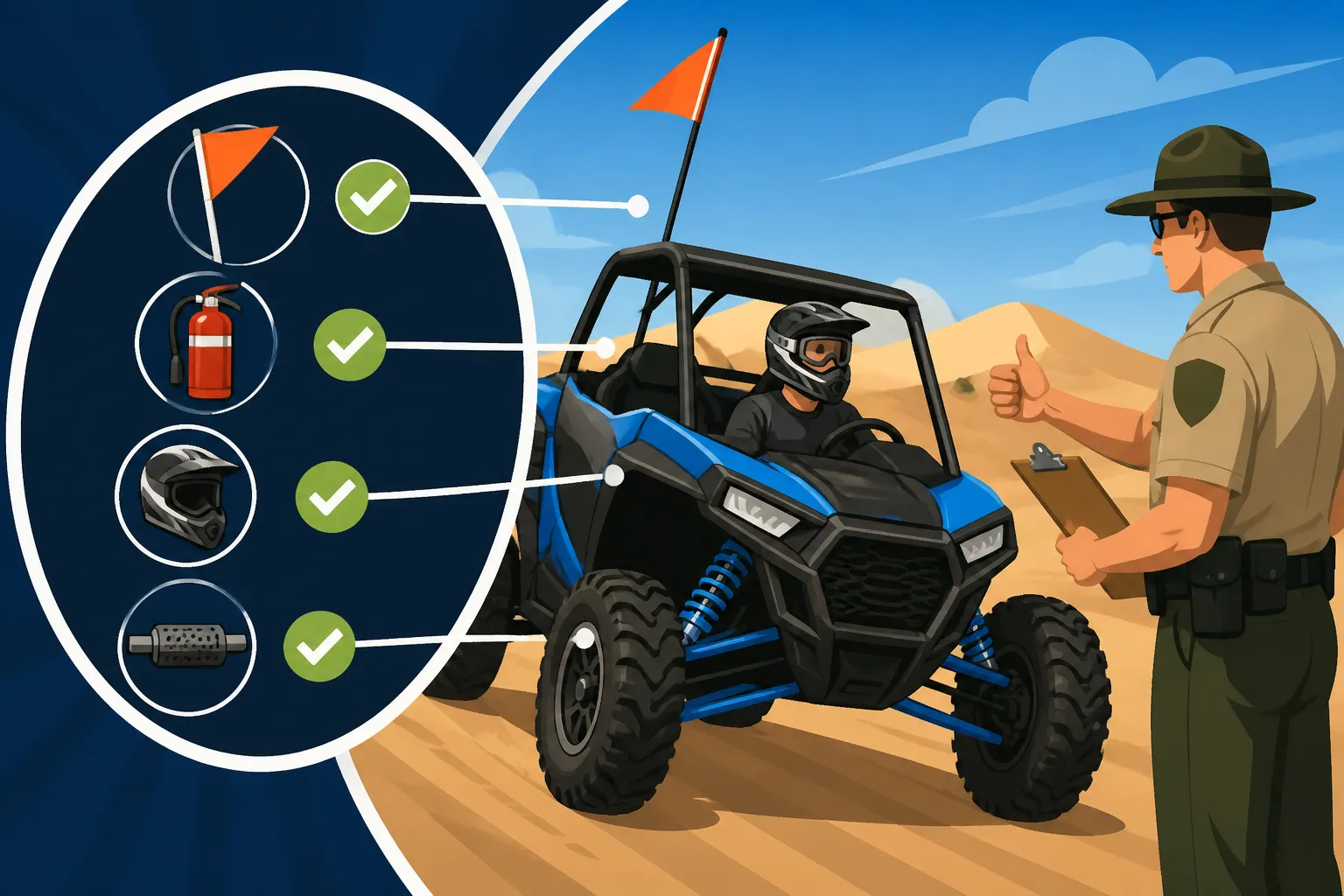
At Sand Mountain, and many other dune areas, a safety flag and whip are non-negotiable. This isn't just a suggestion; it's a rule designed to prevent collisions in areas with limited visibility, like the crest of a dune or a deep bowl. The whip needs to be tall enough to make your machine visible over the horizon of a dune, typically at least 8 feet from the ground to the top of the flag. The flag itself should be brightly colored, often orange, and free-flying. Rangers will absolutely check for this. An improperly placed, too short, or missing flag is a quick way to get stopped. These rules are part of [Nevada Sand Dune Flag and Whip Rules] and are strictly enforced for everyone's protection.
Spark Arrestor and Muffler
Environmental protection and fire prevention are major concerns for BLM. A functional spark arrestor in your exhaust system is mandatory for all OHVs operating on public lands. A spark arrestor is a device designed to prevent hot carbon particles from exiting your exhaust, which could easily ignite dry vegetation in the desert. Rangers will often do a quick visual check for its presence. They might also listen to your machine's exhaust note; excessively loud exhaust, often from aftermarket systems that don't meet sound limits, can also draw attention. Ensuring your machine is equipped with a proper muffler and spark arrestor is not only about compliance but also about being a responsible land user.
Helmets and Rider Age
While Nevada's helmet laws primarily focus on riders under 18 and street-legal OHV use, rangers on public lands, especially in high-traffic areas like Sand Mountain, prioritize rider safety. If you have riders under the age of 18 with you, ensuring they are wearing an approved helmet is paramount. [Nevada Minimum Age to Ride Off-Road] also comes into play, as does [Nevada Supervision Rules for Young Riders]. A ranger might inquire about the age of a young rider and whether they are being properly supervised. While an adult rider over 18 might not be legally required to wear a helmet off-road in every situation in Nevada, it's always the safest choice, and rangers appreciate seeing riders take personal responsibility for their safety.
Avoiding Common Pitfalls: Tips for a Smooth Ranger Encounter
Nobody wants their riding day interrupted by a ranger stop, but if it happens, being prepared and respectful can make it a quick and pleasant interaction. Forewarned is forearmed!
Be Prepared and Proactive
The best way to handle a ranger check is to avoid giving them any reason to stop you in the first place. This means doing a pre-ride check of your machine and your gear.
- Decal: Is it current and visible?
- Flag: Is it the right height and properly attached?
- Paperwork: Do you have your registration and ID handy and protected?
- Machine Condition: Is your spark arrestor in place? Are your lights (if riding at night) functional?
- Out-of-State: If you're a visitor, are you within the [Nevada Reciprocity With California] or other state's grace period? If not, have you obtained a temporary Nevada decal?
Taking these few minutes before you head out can save you a lot of hassle. If you have multiple riders or multiple machines in your group, ensure everyone is aware of the requirements. It’s always helpful to have a [Nevada OHV Registration Processing Times] in mind if you're waiting for new documents, so you don't ride prematurely.
Respectful Interaction
If a ranger does signal you to stop, pull over safely and turn off your engine. Remove your helmet so they can see your face and hear you clearly. Be polite and cooperative. They are performing their duties, and a positive attitude goes a long way. Have your documents ready when they ask for them. If there's an issue, calmly ask for clarification and understand your options. Arguing or being confrontational will not improve your situation and can quickly escalate a minor issue into something more serious, potentially leading to [Fines a Deputy Can Write at a Dune].
Remember, rangers are an important part of keeping our riding areas accessible and enjoyable. They are often OHV enthusiasts themselves and understand the thrill of riding in places like Sand Mountain. By ensuring you're compliant with the rules, you contribute to the longevity and positive reputation of our sport. So go ahead, enjoy the incredible landscape of [Sand Mountain's 4,795 Acres], but always do so responsibly and legally!
Disclaimer
This article is for general informational purposes only and does not constitute professional advice. Laws, prices and regulations vary by location and change over time. Consult a qualified professional for guidance on your specific situation.