Nevada Rules for Riding a Ranch Road You Do Not Own
Navigating Nevada's vast and often sparsely populated landscapes on your ATV or UTV is one of the greatest joys of off-roading, but it also comes with its fair share of challenges. One of the trickiest situations many riders find themselves in is encountering what looks like an open, public dirt road, only to discover it's actually a private ranch road. This guide is here to untangle the complexities of riding on private ranch roads you don't own in Nevada, helping you understand the rules, avoid costly mistakes, and enjoy the trails responsibly.
Understanding Private Land and Public Access in Nevada
Nevada is a state of immense open spaces, and that's precisely what draws so many of us out onto the trails. However, with all that open land comes a complex patchwork of public (BLM, Forest Service, State) and private property. It's incredibly easy to be riding along, enjoying the scenery, and inadvertently cross from public land onto someone's private ranch without even realizing it. This isn't just a minor inconvenience; it can lead to serious legal trouble.
The Illusion of Public Roads on Private Property
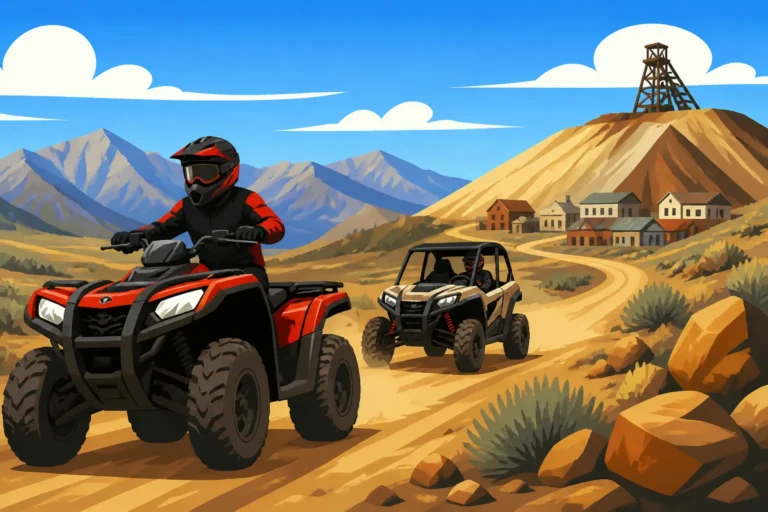
It's a common scenario: you're out exploring a new area, maybe near Winnemucca or down by Caliente, and you come across a well-graded dirt road that seems to stretch for miles into the horizon. There are no "No Trespassing" signs immediately visible, no obvious fences, and it certainly looks like any other public access road you've ridden before. You might think, "Great, another path to explore!" and continue on your way. This is where the illusion kicks in. Many of these roads, particularly in rural and agricultural areas, are private ranch roads. They might be maintained by the rancher to access pastures, move livestock, or reach remote parts of their property. They are not necessarily intended for public recreational use, even if they appear inviting and well-tratraveled. The sheer scale of some Nevada ranches means that marking every single entrance or property line with obvious signs and impenetrable fences simply isn't feasible or practical for the landowner. This lack of clear demarcation often lulls riders into a false sense of security, believing they are on public domain.
The vastness and often subtle transitions between different land types can be incredibly deceiving. What starts as a Bureau of Land Management (BLM) route can seamlessly merge into a private ranch road without any significant change in appearance. Imagine cruising along, dust flying, enjoying the freedom, only to round a bend and find yourself face-to-face with a ranch hand or a locked gate that wasn't there before. This isn't an uncommon occurrence, and it highlights the critical need for riders to be vigilant and informed about where they are riding. The frustration of encountering such a situation is real, as it can cut a ride short and put you in a potentially awkward or even legally precarious position.
Distinguishing Between Public and Private Roads
So, how can you tell the difference when you're out there? It's not always easy, but there are definite indicators. Public roads, even unpaved ones, are typically designated and maintained by a county, state, or federal agency. You might see official road signs, mileage markers, or at least evidence of official road grading. BLM access roads often have signage indicating "Public Land" or specific route numbers. If you're unsure about the overall context, checking into [Riding BLM Land in Nevada] can provide valuable insights into public land access.
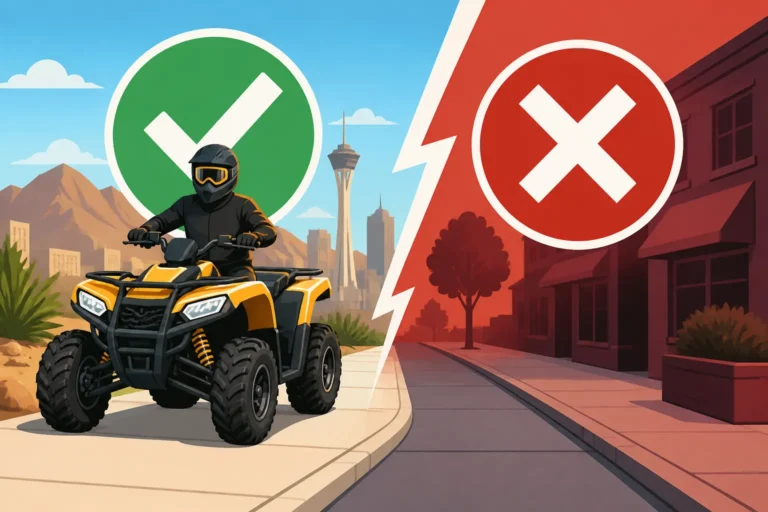
Private ranch roads, on the other hand, might have signs like "Private Property," "No Trespassing," "Ranch Entrance," or "Authorized Personnel Only." Sometimes these signs are small, faded, or placed further down a side road, making them easy to miss if you're not actively looking. Fences and gates are also strong indicators of private land. Even if a gate is open, it doesn't automatically mean you have permission to enter. Many ranchers leave gates open for livestock access or their own convenience but still expect outsiders to respect their property. Always assume a gate signifies private land unless you have explicit information otherwise. It's important to remember that even if a public road cuts through private property, riding off that designated public road onto the adjacent land is still trespass.
The best tools for distinguishing property lines are detailed land maps. This means investing in and learning how to read USGS topographic maps, BLM surface management maps, or Forest Service maps. Many modern GPS units and smartphone apps now offer overlays that show land ownership boundaries, which can be invaluable for real-time navigation and ensuring you stay on public or permitted private land. While these digital tools are a game-changer for many riders, it's always wise to have a basic understanding of map reading and to keep an eye out for physical signs on the ground. A good [Nevada Trail Map Worth Downloading] can literally save your ride.
The Legal Ramifications of Trespassing in Nevada
Riding on private ranch roads without permission isn't just a social faux pas; it carries significant legal consequences in Nevada. Many riders assume that if there isn't a fence or a glaring "No Trespassing" sign, the land is fair game. This assumption can lead to a world of trouble, impacting your wallet and your future riding opportunities.
Civil and Criminal Penalties for Trespass
In Nevada, riding your OHV on private land without the landowner's permission constitutes trespass. This can result in both civil and criminal penalties, depending on the specifics of the situation and the landowner's discretion. On the civil side, a landowner could sue you for damages if your OHV causes any harm to their property, such as damaging fences, disturbing livestock, or creating ruts on fields. Even if no damage occurs, simply being on the land could lead to a civil claim for trespass. The costs associated with defending such a lawsuit, even if you are ultimately found not liable for damages, can be substantial, involving attorney fees and court costs.
From a criminal standpoint, trespass in Nevada is generally considered a misdemeanor. If a rancher calls law enforcement and they find you on their private property, you could face fines, potentially have your OHV impounded, and even face a criminal record. Imagine being pulled over by a deputy out in the middle of nowhere, and suddenly your fun weekend ride turns into a trip to the local jail or a court summons. The fines for trespass can vary widely depending on the county and the circumstances, but they are often high enough to make you wish you had taken an extra moment to check a map. Beyond the immediate penalties, having a criminal trespass charge can impact future employment, travel, and even your ability to purchase firearms. The intent to trespass doesn't always have to be proven; simply being on land you don't own without permission is often enough. As a responsible rider, understanding [Nevada Trespass Rules for Riders] is paramount.
Implied Permission and Its Limitations
The concept of "implied permission" is something many riders mistakenly rely on, especially in areas where rural properties might not be as heavily posted or fenced as suburban lots. Implied permission suggests that if a property isn't clearly marked as private or restricted, then the owner implicitly allows public access. While this idea might hold some water in very specific, historical contexts, it is generally a dangerous assumption when it comes to riding OHVs on private ranch land in Nevada. In a state where vast tracts of land are privately owned and actively used for agriculture, ranching, or other commercial purposes, landowners are increasingly protective of their property rights. They have every right to expect privacy and to restrict access to their land.
In Nevada, particularly in areas with active ranching, the absence of a "No Trespassing" sign should not be interpreted as an invitation to ride. Ranchers are busy, and putting up and maintaining signs along miles of property boundary is a huge undertaking. A faded sign, a single gate, or even just the discernible pattern of private land use (like specific types of fencing or cattle guards) can be sufficient to indicate private property. Relying on "implied permission" is a risky gamble that rarely pays off. Instead, the best and only truly safe approach is to obtain explicit permission from the landowner. This means direct communication, ideally in writing, outlining what you plan to do and where you plan to ride. Building these relationships can be incredibly rewarding, sometimes opening up access to incredible riding areas that are otherwise off-limits. Never assume; always verify.
Navigating Ranch Roads Legally and Respectfully
When you're out exploring Nevada's incredible landscapes, knowing how to interact with private land and its owners can make all the difference between an unforgettable adventure and an unwanted confrontation. Being a respectful and responsible rider extends beyond just trail etiquette; it includes how you approach private property.
Seeking Permission from Landowners
The golden rule for riding on private land is simple: always ask for permission. This might sound daunting, especially with large, seemingly inaccessible ranches, but it's the only way to guarantee you're riding legally and avoid any potential issues. Start by identifying the landowner. This can often be done through county assessor's offices, which typically have public records of property ownership. Sometimes, local knowledge in a small town can also point you in the right direction. For example, if you're riding near Panaca or Pioche, asking at the local general store might yield valuable information about who owns what.
When you approach a landowner, be polite, respectful, and clear about your intentions. Explain what type of OHV you ride, how many people will be with you, and the specific route or area you're interested in accessing. Offer to share your contact information. It’s important to emphasize that you understand and respect their property. Ranchers often have valid concerns about gate security, livestock safety, fire danger, and liability. Addressing these concerns proactively can go a long way. For instance, you might offer to close any gates you pass through, promise to stay on designated tracks, and assure them you'll pack out any trash. If they say no, respect their decision without argument. Developing a good reputation in rural communities as a responsible rider can sometimes open doors for future access, or even lead to referrals to other landowners who might be more amenable. While not directly related to private land access, having dependable equipment like a SuperATV winch or a quality recovery strap in your gear shows you're prepared and take your riding seriously, which can subtly convey responsibility.
Adhering to Designated Routes and Rules
Once you've secured permission, your job isn't over. It's just as crucial to strictly adhere to any routes, restrictions, and rules the landowner sets. If they say "stay on the main two-track" or "do not go near the south pasture," then that's exactly what you do. Deviating from agreed-upon paths, even slightly, can quickly erode the trust you've built and jeopardize future access for yourself and other riders. Always close gates that you open, and if a gate is closed, ensure it's securely latched behind you. This is vital for livestock containment and property security.
Respect for the natural environment and the landowner's operations is paramount. This means riding slowly around livestock, giving them a wide berth, and never disturbing them. Avoid sensitive areas like wet meadows, cultivated fields, or stream banks. Pack out everything you pack in – leaving no trace is fundamental to responsible recreation. Even small pieces of litter can be harmful to livestock or seen as disrespectful by the landowner. Carrying durable storage boxes or bags, perhaps from SuperATV, can make it easier to haul out your trash and keep your machine tidy. By consistently demonstrating respect and adherence to their rules, you not only ensure your own continued access but also help foster a more positive relationship between OHV riders and private landowners. Remember, you are a guest on their land.
Tips for Avoiding Accidental Trespass
Even with the best intentions, accidental trespass can happen. Nevada's landscape can be disorienting, and property lines aren't always intuitive. Here are some actionable tips to help you avoid straying onto private land without permission:
- Utilize Detailed Maps and GPS: This is your number one defense. Invest in a good GPS unit with downloadable land ownership overlays (many popular apps offer this now). Always have a physical map as a backup, especially BLM or Forest Service maps that clearly delineate public and private parcels. Study your route before you go, looking for any areas where your trail might skirt or cross private property. A dedicated [Nevada Trail Map Worth Downloading] will highlight these distinctions.
- Look for Physical Indicators: Keep your eyes peeled for fences, cattle guards, subtle "No Trespassing" signs, or even changes in vegetation or road maintenance that might signal a property line. If you're using a GPS, correlate what you see on the screen with what's on the ground.
- When in Doubt, Turn Around: This is perhaps the most important piece of advice. If you come across a road or trail that looks questionable, or if your GPS indicates you're nearing a private parcel and you're not absolutely certain of your rights, turn back. A slightly shorter ride is always better than facing a citation or an angry landowner.
- Don't Rely Solely on User-Generated Apps: While apps like AllTrails or Gaia GPS are fantastic resources, user-generated content for trail maps can sometimes be inaccurate regarding property boundaries. Always cross-reference with official land agency maps or ownership overlays.
- Carry Essential Paperwork: Always have your [Nevada OHV Registration Paperwork Checklist] completed and your registration card on you. While this doesn't grant you access to private land, it proves you're a legal rider on public land and shows you're responsible. A SuperATV GPS mount can make it much easier to keep your navigation device visible and accessible, reducing the need to pull over and check your phone or map constantly. This allows you to stay focused on the trail ahead and potential property indicators.
By being prepared, vigilant, and respectful, you can largely mitigate the risk of accidental trespass and ensure your Nevada OHV adventures remain enjoyable and stress-free.
Here's a quick comparison of indicators to help you distinguish between public and private ranch roads:
| Feature | Public Road Indicators | Private Ranch Road Indicators |
|---|---|---|
| Signage | Official county road signs, BLM route numbers, "Public Land" markers | "Private Property," "No Trespassing," "Ranch Entrance," "Authorized Personnel Only" |
| Fencing/Gates | Unfenced or clear public access gates | Fences, cattle guards, closed or open gates (often with no specific signage) |
| Maintenance | Maintained by government agency (county, BLM, USFS) | Maintained by landowner (private grading, less consistent maintenance patterns) |
| Land Ownership | Appears on BLM/USGS maps as public land, county road easements | Appears on county assessor/BLM maps as private parcels, often with an associated ranch name |
| Implied Access | Generally understood to be open to public travel (unless posted otherwise) | Never assume implied public access; explicit permission required |
Remember, your [Nevada's $20 OHV Decal and What It Covers] is for riding on public lands, not a pass for private property.
Disclaimer
This article is for general informational purposes only and does not constitute professional advice. Laws, prices and regulations vary by location and change over time. Consult a qualified professional for guidance on your specific situation.