Proof of Insurance for a UTV on a County Road
Venturing out onto Nevada's vast network of county roads with your UTV or side-by-side offers incredible freedom, but it also brings a whole new set of responsibilities. Many riders are caught off guard, scratching their heads about what paperwork they actually need, particularly when it comes to insurance. This guide is going to clear up all that confusion, detailing exactly why proof of insurance is necessary for your UTV on Nevada county roads, what kind of coverage you need, and how to make sure you're always prepared.
The Reality of Insurance on Nevada's County Roads
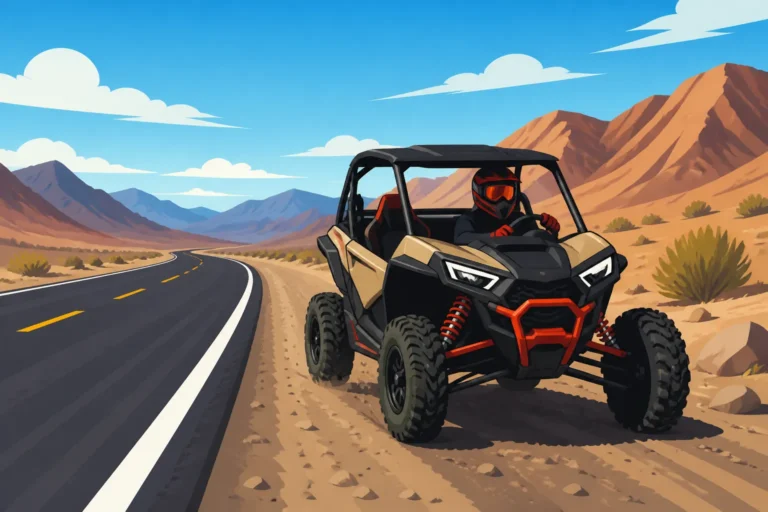
It's a common scenario: you've geared up your UTV with all the latest performance parts, perhaps some robust SuperATV skid plates for those rocky trails, and you feel ready for anything the Nevada desert throws at you. But then you consider taking a shortcut on a county road to connect to the next trail system, or maybe just a short hop into town for gas. Suddenly, the rules of the open desert don't apply, and the thought of getting pulled over on pavement can bring on a cold sweat. Nevada law is pretty clear when it comes to operating certain off-highway vehicles on designated county roads, and proof of insurance is absolutely on that checklist. You see, when you leave the dirt and hit the gravel or paved county roads, your UTV isn't just an off-road toy anymore; it's a vehicle operating in a more regulated environment, and that means adhering to rules typically associated with street-legal vehicles.
Why Your UTV Needs Insurance for Road Use
The biggest reason for this requirement comes down to liability. Imagine a scenario where, through no fault of your own, another driver swerves into your path on a county road, or perhaps you're involved in an unexpected fender bender with another vehicle. If your UTV isn't insured, the financial aftermath can be devastating. Nevada law, specifically NRS 485.185, mandates minimum liability coverage for vehicles that are legally permitted on public roads. This isn't just about protecting you; it's about protecting other drivers and their property in case of an accident. It's a fundamental part of responsible vehicle ownership, ensuring that if something goes wrong, there's a safety net to cover damages and injuries. Think of it as part of the cost of enjoying the privilege of riding beyond the dirt.
The "Large ATV" Designation and Road Use
Nevada has a specific classification called "Large All-Terrain Vehicle" that applies to many UTVs and side-by-sides. If your machine meets certain criteria, generally having four or more wheels, weighing over 900 pounds, and being wider than 50 inches, it might fall under this designation. When these "Large ATVs" are operated on designated county roads, they must meet specific requirements, and liability insurance is a non-negotiable part of that. Understanding [What Nevada's NRS 490.043 Counts as a Large ATV] is crucial because it dictates many of the rules you'll need to follow. It’s not just a fancy label; it's the state’s way of ensuring that these larger, heavier machines are operated safely and responsibly when sharing space with traditional vehicles.
The Consequences of Riding Without Proof
Getting pulled over on a Nevada county road without the required proof of insurance for your UTV isn't just an inconvenience; it can lead to significant penalties. A Nevada Trooper or county deputy will typically ask for your driver's license, your UTV's registration, and proof of insurance. If you can't produce valid proof, you could face hefty fines. More seriously, your machine could be impounded, leaving you stranded and with additional costs to retrieve it. This isn't a situation you want to find yourself in, especially if you're far from home enjoying a weekend ride. It’s a moment of frustration that’s easily avoidable with a little preparation. Always ensure your documents are current and accessible.
Demystifying Nevada's Insurance Requirements for UTVs
When we talk about "proof of insurance," what exactly does Nevada want to see? It's not about comprehensive coverage that fixes your own machine after a roll-over, although that's certainly wise for protecting your investment in high-quality parts like those from SuperATV. Instead, the state focuses on liability insurance. This is the coverage that pays for damages or injuries you might cause to other people and their property if you're deemed at fault in an accident while operating your UTV on a county road.
Understanding Liability Coverage for OHVs
Nevada law, under NRS 485.185, specifies minimum liability coverage amounts. These typically include:
- Bodily Injury Liability: This covers medical expenses, lost wages, and pain and suffering for others if you're at fault in an accident. For example, if you accidentally swerve and cause another driver to go off the road, resulting in injuries, your bodily injury liability would kick in.
- Property Damage Liability: This covers damage to another person's vehicle or property. If you accidentally back your UTV into someone's parked truck at a trailhead near a county road, this part of your policy would help cover the repair costs for their truck.
It’s crucial to remember that these minimums are just that – minimums. While they satisfy legal requirements, serious accidents can quickly exceed these amounts. Many riders choose to carry higher limits for greater peace of mind, especially given the cost of vehicle repairs and medical care today.
How to Secure the Right Coverage
Finding the right insurance for your UTV's road use might seem daunting, but it's usually straightforward. Your first stop should be your existing auto insurance provider. Many major insurance companies offer specific policies or endorsements for off-highway vehicles that include coverage for limited road use. Don't assume your current car insurance policy automatically extends to your UTV, even if it covers personal property – it almost certainly doesn't for road liability.
If your current provider doesn't offer suitable OHV coverage, look to specialty insurance companies that focus on recreational vehicles. They often have a deeper understanding of the unique risks and needs of UTV owners. When speaking with an agent, be very clear about your intentions to ride on designated county roads, as this is a specific type of coverage. They can walk you through the options, including the various levels of [Liability Insurance Nevada Requires Under NRS 485.185]. Remember, while products like a SuperATV lift kit might make your ride look awesome, they don't replace the need for an insurance policy to cover legal requirements on the road.
Presenting Your Proof: What and How
So you've got your insurance sorted – fantastic! Now, the next logical question is, how do you actually carry and present that proof when you're out riding? It's not like you have a glove compartment in every UTV. Keeping your documents safe, dry, and accessible is key, especially in the dusty, rugged environments we often ride in Nevada.
Physical Card Versus Digital Proof
When a law enforcement officer asks for proof of insurance, you generally have a couple of options:
- Physical Insurance Card: This is the traditional method. Your insurance company will send you a card, similar to your car insurance card, that shows your policy number, effective dates, and covered vehicle. The advantage here is that it doesn't rely on cell service or battery life.
- Digital Proof: Most insurance companies now offer digital insurance cards through their mobile apps. Nevada law often recognizes digital proof displayed on a smartphone or other electronic device. This is incredibly convenient, as most of us have our phones with us anyway.
However, there's a caveat with digital proof: if your phone battery dies, or if you're in an area with no cell service (which, let's be honest, is a lot of prime riding country in Nevada), you might be unable to access it. For this reason, many experienced riders choose to carry both a physical card and have a digital backup.
What a Nevada Trooper Looks For at a Roadside Stop
When you're stopped by a Nevada Trooper, Nye County Deputy, or any other law enforcement officer on a county road, they're typically looking for a few key documents. Beyond your proof of insurance, they will almost certainly ask for your valid driver's license – remember, [Nevada Driver's License Rules for UTV Road Use] apply here. They'll also want to see your UTV's registration, which often comes in the form of a decal and a registration card. They want to verify that the vehicle is legally registered for off-highway use and that you are legally permitted to operate it on the road. Familiarize yourself with [What a Nevada Trooper Looks For on a County Road] so you know what to expect and can confidently present your paperwork.
Protecting Your Paperwork in the Desert
Nevada's desert environment is tough on everything, including paper documents. Dust, sweat, and the occasional splash from a water crossing can quickly render your important papers unreadable. Here are a few tips for keeping your proof of insurance, registration, and license safe:
- Waterproof Pouch or Bag: A small, durable, waterproof pouch is your best friend. Many riders use these to store their physical documents.
- Ziploc Bags: A simple, heavy-duty Ziploc bag can offer a good level of protection in a pinch.
- Weather-Resistant Storage: Consider adding a small, secure, and weather-resistant storage box or bag to your UTV. Many aftermarket solutions, like those from SuperATV, are designed to mount securely and keep contents safe from the elements. This is a great place to stash not just your documents, but also an emergency snack or small tool kit.
- Photos on Your Phone: While not a substitute for official digital proof, having clear photos of your documents on your phone can serve as an extra backup, especially if your physical copies get damaged.
| Document Type | Required for Nevada County Road Use | Physical Copy Recommended | Digital Copy (on phone) |
|---|---|---|---|
| Driver's License | Yes | Yes | Optional (photo backup) |
| UTV Registration Card | Yes | Yes | Optional (photo backup) |
| Proof of Liability Insurance | Yes (specific to OHV road use) | Yes | Yes (via app) |
| Large ATV Decal | Yes (if applicable to UTV) | Attached to vehicle | N/A |
Clearing Up Misconceptions and Taking Proactive Steps
There's a lot of chatter and confusion out there, especially when it comes to the nuances of OHV laws. Let's tackle some common myths and ensure you're taking all the right steps to stay legal and safe. After all, the goal is to enjoy the ride, not stress about potential fines!
"My Regular Car Insurance Covers My UTV" – Not So Fast!
This is perhaps the most widespread misconception. Many people assume that because their UTV is technically a "vehicle," their existing auto insurance policy will cover it if they venture onto a county road. In almost all cases, this is absolutely false. Standard auto insurance policies are written specifically for cars, trucks, and SUVs that are street-legal and registered as such. UTVs and ATVs fall into a different class of vehicle. While your car insurance might cover certain aspects of your UTV (like theft if it's explicitly listed as personal property), it typically does not provide the liability coverage required for operating it on public roads. Always assume your car insurance does NOT cover your UTV's road use unless you have a specific endorsement or separate policy.
The Importance of Checking Your Policy and Talking to Your Agent
The single best piece of advice any UTV owner can get is to directly contact their insurance agent. Don't rely on assumptions or what you heard from a friend at the dunes. Call your agent and explicitly ask: "Does my policy provide the minimum liability coverage required by Nevada law (NRS 485.185) for operating my UTV/side-by-side on designated county roads?" Be specific about your intentions. Your agent can then clarify your current coverage, explain any gaps, and offer solutions. They might suggest a separate OHV policy or an endorsement to your existing policy. Many riders invest significantly in their machines, perhaps adding a new exhaust or performance suspension from SuperATV. Protecting that investment, and yourself, with the correct insurance is just as important as any upgrade.
Beyond Insurance: Other Street Legal UTV Requirements
While insurance is critical, it's just one part of the puzzle for legally riding your UTV on Nevada county roads. You'll also need to ensure your machine meets other requirements, such as having a proper [Nevada Large ATV Decal], and specific safety equipment. Things like working headlights, taillights, brake lights, mirrors, and even a horn are often mandated. While SuperATV offers fantastic lighting upgrades and mirrors, these accessories are only effective if you've also met the legal paperwork requirements. You can learn more about these other necessities in guides like [Nevada Street Legal UTV Requirements] and [Nevada Equipment List for Road-Legal UTVs].
Staying informed and prepared means you can focus on the incredible riding experiences Nevada has to offer, from the vast stretches of the [Silver State Trail] to the unique landscapes around [Logandale Trails], without the constant worry of legal repercussions. Safe riding means smart riding, and that starts with knowing and following the rules.
Disclaimer
This article is for general informational purposes only and does not constitute professional advice. Laws, prices and regulations vary by location and change over time. Consult a qualified professional for guidance on your specific situation.