Nevada Registration After You Move In
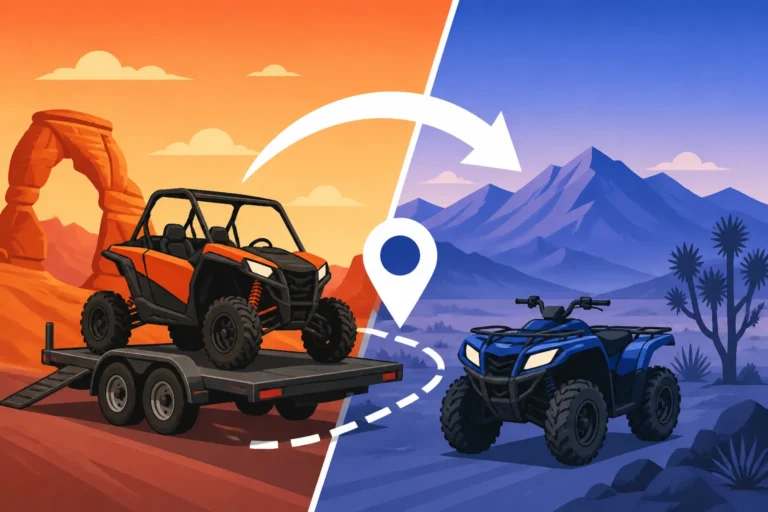
Moving to a new state is exciting, but it often comes with a whole new set of rules and regulations to figure out, especially when it comes to your vehicles. If you've just moved to the Silver State with your beloved ATV or UTV in tow, you might be feeling a bit overwhelmed wondering how to get it properly registered here. Don't worry, you're not alone! This guide is going to walk you through every step of registering your out-of-state off-highway vehicle in Nevada, making the process as clear and stress-free as possible so you can hit the trails sooner.
Understanding Nevada's OHV Registration Basics for New Residents
Alright, so you’ve unpacked, maybe found your favorite local diner, and now it’s time to tackle the administrative stuff. Registering your off-highway vehicle (OHV) in Nevada when you're a new resident isn't quite the same as registering a car, and there are some specific timelines and requirements you absolutely need to be aware of. Let's break down these foundational pieces first so you understand the "why" behind it all.
The 30-Day Clock: What Happens When You Arrive
One of the most crucial things to know right off the bat is that Nevada expects you to register your OHV within a specific timeframe once you establish residency. That magic number is 30 days. Yes, just like your street-legal vehicles, the state gives you a relatively short window to get your out-of-state machine properly documented in Nevada. This isn't just a suggestion; it's a legal requirement. The moment you become a bona fide resident – which often means getting a Nevada driver's license or registering your other vehicles – that 30-day clock starts ticking for your OHV.
Missing this deadline isn't going to get you a gold star, unfortunately. While there might not be an immediate flashing red light, operating an unregistered OHV on public lands in Nevada after that 30-day window can lead to citations from law enforcement, whether it's a local deputy in Lincoln County, a ranger at Sand Mountain, or a BLM officer out on the trails. These fines can definitely put a damper on your weekend ride, so it's always best to get ahead of it. Think of it as part of your moving checklist – right up there with changing your address and finding the best local trails.
Why Nevada Wants Your Machine Registered Here
You might be thinking, "My OHV is perfectly registered in my old state, why do I need to do it again?" And that's a fair question! The truth is, Nevada, like many states, has a vested interest in keeping track of the off-highway vehicles that operate within its borders. It's not just about bureaucracy; it's about safety, theft prevention, and, perhaps most importantly for riders, maintaining the very trails you love to explore.
A significant portion of the fees collected from OHV registrations goes directly into the state's OHV program. This program funds trail maintenance, develops new riding areas, erects signage, and helps with educational efforts. When you register your machine here, you're directly contributing to the infrastructure that supports your passion. It ensures that the beautiful desert landscapes and mountain trails remain accessible and enjoyable for everyone. It's a way for the state to collect the necessary resources to manage its vast public lands responsibly. If you're curious, you can learn more about [Where Nevada OHV Registration Money Goes].
Furthermore, having all OHVs registered locally aids in law enforcement efforts, making it easier to identify stolen machines and return them to their rightful owners. It also creates a clearer distinction between bona fide Nevada residents and temporary visitors who might be exempt from registration for a short period. Essentially, your Nevada registration decal is proof that you're playing by the rules and supporting the local OHV community.
Essential Documents for Out-of-State OHV Registration
Getting your OHV registered in Nevada as a new resident is primarily a paperwork game. The key is to arrive at the DMV or a licensed dealer prepared with all the necessary documents. Missing even one piece can mean a frustrating second trip, delaying your ability to hit those incredible Nevada trails. Let’s break down exactly what you’ll need to gather.
Proving Ownership: Your Out-of-State Title
The absolute cornerstone of proving ownership for your out-of-state OHV is its existing title from your previous state. This document is like the birth certificate of your machine, detailing its VIN, make, model, and crucially, who the legal owner is. Without a valid title in your name, the process of registering your OHV in Nevada will come to a screeching halt. Make sure the title is clear, legibly signed by any previous owners (if applicable), and free of any alterations.
What if your title has gone rogue and is nowhere to be found? This is a common hiccup. If you've lost your original out-of-state title, your first step will be to contact the DMV or equivalent agency in your previous state to request a duplicate. Nevada cannot issue you a new title until your ownership is firmly established. While you might have other forms of proof, like an old registration card or a bill of sale, these are generally not sufficient on their own for a new title application, though they can be helpful supporting documents. For instance, if you're trying to register an ATV in Nevada without a clear title or a bill of sale, the path becomes significantly more complex and often requires additional steps to establish proof of ownership.
The OHV-001 Form: Nevada's Application
Once you have your ownership documents in order, the next critical piece of paper is Nevada's specific application form for OHV registration. This is usually the OHV-001 form. This isn't just a generic form; it's designed specifically for off-highway vehicles and collects all the necessary information about your machine and yourself. You can typically download this form from the Nevada DMV website, or pick one up in person at any DMV office or a participating licensed OHV dealer.
When filling out the OHV-001, pay close attention to every field. You'll need to accurately transcribe details from your out-of-state title, including the Vehicle Identification Number (VIN), make, model, year, and engine size. As a new resident, you'll also be indicating that this is an "out-of-state vehicle" or a "new registration" rather than a renewal. Ensure your new Nevada address is clearly listed. The form might also ask for details about where the vehicle was previously registered. While the DMV has several versions of OHV application forms for various scenarios, the OHV-001 is the primary one you'll use for initial registration as a new resident. It’s always a good idea to double-check you have the correct version to avoid any confusion or delays.
Residency Proof and Identification
Beyond the vehicle-specific documents, you also need to prove who you are and that you are, indeed, a Nevada resident. The state needs to verify your identity and your residency status to process your application. The easiest way to do this is with your current Nevada driver's license or identification card. If you've just moved here and haven't gotten your Nevada license yet, you’ll need to provide other forms of proof.
Commonly accepted documents for proving Nevada residency include utility bills (power, water, gas) in your name at your new address, a rental agreement or mortgage statement, or even a recent bank statement. Always aim for documents that are recent and clearly show your name and your new Nevada address. For identification, a valid photo ID like your driver's license (even if it's still from your old state, though you'll need to be in the process of getting a Nevada one) or a state-issued ID card is essential. Make sure the names on all your documents match exactly to avoid any red flags. A comprehensive checklist of these items can save you a lot of time and frustration at the counter.
Navigating the VIN Inspection Process
One of the more unique steps when bringing an out-of-state OHV into Nevada is the mandatory Vehicle Identification Number (VIN) inspection. This isn't something you'd typically do for a machine already titled in Nevada, and it can be a source of confusion for new residents. Understanding why it's required and, more importantly, who can perform it, is crucial for a smooth registration experience.
Why an Out-of-State Machine Needs a VIN Inspection
So, why the extra hurdle? Nevada requires a VIN inspection for out-of-state OHVs primarily as a safeguard against theft and to ensure the vehicle's identity is accurately represented on all paperwork. When a vehicle comes from another state, Nevada wants to confirm that the VIN on the machine itself matches the VIN on your title and application form. This process helps prevent stolen vehicles from being retitled and registered under false pretenses in Nevada. It's a critical step in verifying the legitimate ownership and existence of the OHV.
Think of it as an extra layer of security. The inspection confirms that the vehicle you're attempting to register is indeed the one described on your title and that the VIN hasn't been tampered with. This process helps maintain the integrity of the state's OHV registration system and protects future buyers of the vehicle. For a deeper dive into the overall requirements, check out [Nevada OHV VIN Inspection Requirements]. This step is a cornerstone of getting your OHV properly set up in Nevada, even if it adds a little extra legwork.
Who Can Perform the VIN Inspection in Nevada
Here's where many new residents can get tripped up: the Nevada Department of Motor Vehicles (DMV) does not perform VIN inspections for OHVs. This is a common misconception, as the DMV handles VIN inspections for regular street vehicles in many other scenarios. For OHVs, you have two primary options for getting this inspection done:
- Licensed Nevada OHV Dealers: Many authorized OHV dealerships across the state are licensed to perform VIN inspections. This is often the most convenient option, as dealers are familiar with OHV VIN locations and the specific form needed (the OHV-002, or similar). They can often complete the inspection relatively quickly, sometimes even while you wait, though it's always wise to call ahead and schedule an appointment. Dealers might charge a small fee for this service.
- Sworn Law Enforcement Officers: You can also have a sworn law enforcement officer – such as a sheriff's deputy, state trooper, or city police officer – perform the VIN inspection. This option can be a bit more challenging to coordinate, as officers are often busy with other duties. You might need to take your OHV to their station or arrange a time and place for them to inspect it. It's important to be patient and respectful of their schedule.
Regardless of who performs the inspection, they will need to physically examine the VIN on your machine and compare it to your title. They will then sign and date the appropriate section of the OHV-002 form (or a similar verification document) to certify that the inspection was completed and the VINs match. For more specifics on why the DMV doesn't do this, you can look into [The VIN Inspection Nevada DMV Will Not Do].
What the Inspector Looks For
When a licensed OHV dealer or law enforcement officer performs your VIN inspection, they aren't conducting a mechanical safety check or judging the condition of your machine. Their sole focus is on the Vehicle Identification Number itself. They will be looking for a few key things:
- Legibility of the VIN: Is the VIN clearly visible and readable on the frame or main component of the OHV? Rust, dirt, or damage can obscure the VIN, making it difficult to verify.
- Matching VINs: Does the VIN on the OHV exactly match the VIN listed on your out-of-state title and the OHV-001 application form you've completed? Any discrepancies will halt the process.
- Tampering: The inspector will also be looking for any signs of tampering, alteration, or removal of the VIN plate. This is a critical check to ensure the vehicle's identity is legitimate and not fraudulent.
If everything checks out, the inspector will complete and sign the verification form. If there's a discrepancy or evidence of tampering, they will likely advise you on the next steps, which could involve further investigation or delay the registration process until the issue is resolved. It’s always best to make sure your OHV is clean, and the VIN is easily accessible before the inspection to make it as quick and smooth as possible.
Calculating Fees and Completing the Registration
You've gathered your documents, got your VIN inspected – now comes the part where you make it official and pay the necessary fees. Understanding the cost breakdown and the acceptable methods of submission is the final hurdle to getting your Nevada OHV decal in hand.
Understanding Nevada's Title and Registration Fees
The cost to register your out-of-state OHV in Nevada involves a couple of components, and it's important to differentiate them. First, there's the title fee. Since your machine is coming from another state, there's typically a slightly higher title fee associated with issuing a new Nevada title. This covers the administrative cost of recording your ownership in the state's system and generating your new Nevada title document. It's often set at a specific amount, which can be found on the DMV's OHV fee schedule or by asking at the counter. For comparative purposes, you can check [The Higher Nevada Title Fee for a Machine Out of State].
Second, there's the registration decal fee. This is the recurring fee you pay to actually get your decal, allowing you to legally operate on public lands. Nevada offers a choice here: you can opt for a one-year registration or a three-year registration. The three-year option is often more cost-effective in the long run and saves you the hassle of annual renewals. The specific amounts for these options are published by the DMV. Be aware that if you miss that initial 30-day window to register as a new resident, you might also face a late fee, similar to [Nevada's $10 Late Fee on an Expired OHV Decal] that applies to renewals. It’s always best to check the current fee schedule on the Nevada DMV website or at the OHV section to get the most up-to-date figures.
Payment Options and Submission Methods
Once all your forms are filled out and verified, and you've calculated your total fees, it's time to submit everything. You generally have a few ways to get your application processed:
- By Mail: You can mail your completed OHV-001 application, the VIN inspection form, a copy of your out-of-state title, and a check or money order for the total fees to the Nevada DMV's OHV Section in Carson City. This is a common and convenient option for many, though it does mean waiting for everything to be processed and mailed back to you. Be sure to use certified mail for important documents.
- In Person: You can visit an authorized Nevada DMV office that handles OHV registrations or, if available, the dedicated OHV section in Carson City. This allows you to have everything reviewed on the spot, ask any questions, and receive your decal (and sometimes even your temporary registration card) much faster. Payment options here often include cash, check, money order, and sometimes debit/credit cards, though it's always smart to confirm payment methods beforehand. For specifics on the dedicated office, see [The Nevada DMV OHV Section].
- Through a Licensed Dealer: Many licensed Nevada OHV dealers offer a service where they can submit your registration paperwork on your behalf. This can be a huge convenience, as they often have direct channels for submission and can handle any minor issues or questions that arise during processing. They might charge a small handling fee for this service, but for many, the time and peace of mind are well worth it. This option effectively lets the dealer act as an intermediary, streamlining the process for you. [Registering Through a Nevada Dealer] explains this further.
Receiving Your Nevada OHV Decal and Title
After successfully submitting your application and fees, the waiting game begins. You'll receive two main things: your physical Nevada OHV decal and your official Nevada OHV title.
The OHV decal is typically mailed to you separately from the title, or in some cases, you might receive it on the spot if you process your registration in person at a full-service DMV office. This decal is usually a colored sticker with a unique registration number and an expiration date. It's crucial proof of your current registration. Once you receive it, you'll need to affix it to your OHV in a specific location, usually on the left-hand side or rear of the machine, where it's clearly visible. [What a Nevada OHV Decal Actually Proves] and [Left Side or Rear: Where the Decal Goes] offer more detail on its significance and placement.
Your Nevada OHV title will typically be mailed to you from Carson City in a separate envelope, often a few weeks after your registration decal. This is the legal document that confirms you are the registered owner of the OHV in the state of Nevada. Keep this document in a safe place, as it is essential for selling your machine in the future or for any future lien transfers. Remember, the decal proves registration, but the title proves ownership.
Special Considerations and Common Pitfalls
While the general process covers most situations, there are always those unique circumstances or common mistakes that can trip people up. Being aware of these special considerations and potential pitfalls can save you time, money, and a good deal of frustration.
Machines Exempt from Registration
Not every single off-highway vehicle in Nevada requires registration. There are specific exemptions carved out by state law, and it's vital to know if your machine falls into one of these categories. The most common exemptions include:
- Machines with an engine size less than 70cc: Generally, smaller, youth-model ATVs that are under this displacement threshold are exempt from registration. The thinking here is that these machines are typically ridden by very young children and often on private land or under strict supervision, posing a different risk profile.
- Machines manufactured before January 1, 1976: Vintage OHVs are often exempt due to the lack of VINs or standard titling procedures when they were originally produced.
- Machines used exclusively for husbandry purposes: This exemption applies to OHVs primarily used on farms, ranches, or other agricultural operations, exclusively for business-related tasks on private property. This isn't for recreational riding on the weekend, even if you live on a ranch.
- Machines owned by government agencies: OHVs used by federal, state, or local government entities are also typically exempt.
It's important to remember that even if your machine is exempt, you still need to be able to prove that exemption if stopped by law enforcement. This might mean carrying documentation that verifies the engine size, date of manufacture, or the nature of its use. For a comprehensive look at which machines skip registration, refer to [Machines Nevada Exempts From Registration].
Registering a Machine with a Lien
Many OHVs are purchased with financing, meaning there's a lienholder (a bank or credit union) that legally has an interest in the machine until the loan is paid off. Registering an out-of-state OHV in Nevada when there's an active lien involves an extra step and coordination.
When you submit your application, Nevada will typically notify the lienholder that a new title is being issued in their name (as the secured party) and your name (as the owner). The lienholder will often be sent the physical Nevada title, as is standard practice, and will hold onto it until the loan is satisfied. You will still receive your registration decal. The key is to ensure all parties are aware of the title transfer to Nevada. Your lender may have specific forms or procedures they require you to follow, so it's always best to communicate with them upfront. Any existing lien must be recorded on the new Nevada title, so this information will need to be provided accurately on your application. For more specific details, you might want to review [Nevada OHV Title for a Machine With a Lien].
Avoiding Scams and Ensuring Proper Paperwork
In the world of OHV ownership, a little vigilance goes a long way, especially when dealing with paperwork. Whether you bought your OHV privately before moving to Nevada or are considering a private sale now, ensuring all your documentation is legitimate is paramount. One of the biggest pitfalls is purchasing a machine with no clear title or a questionable bill of sale. If you're buying a used machine, always verify the VIN before you complete the purchase and make sure the seller is the legal owner.
When it comes to official forms, always use the most current versions provided by the Nevada DMV or a reputable source. If you find yourself needing to create a bill of sale for a private transaction, resources like LawDepot can provide templates that ensure all the necessary information is included, protecting both the buyer and seller. A well-drafted bill of sale includes the VIN, make, model, year, purchase price, date of sale, and signatures of both parties. It serves as vital proof of ownership in case the title is delayed or lost. Taking photos of all documents before submission is also a wise practice, providing you with a personal record. Double-checking every detail on your application before submission can prevent frustrating delays and ensure a smooth transition for your OHV into its new Nevada home.
| Document Type | Purpose | Where to Get It / What to Verify | Key Details Required |
|---|---|---|---|
| Out-of-State Title | Primary proof of ownership from previous state | Must be original, in your name, or properly assigned | VIN, Make, Model, Year, Your Name, Any Lienholder |
| OHV-001 Form | Nevada's application for initial OHV registration | Nevada DMV website, DMV office, or licensed OHV dealer | Your Information, OHV Details (VIN, Make, Model, Year, Engine Size) |
| OHV-002 Form / VIN Insp. | Proof of VIN verification by authorized personnel | Completed by licensed Nevada OHV dealer or sworn law enforcement | Inspector's signature, Date, Confirmation of Matching VIN |
| Proof of Residency | Confirms you are a new Nevada resident | Nevada Driver's License/ID, utility bill, rental agreement | Your Name, Current Nevada Address |
| Photo Identification | Verifies your identity | Valid state-issued driver's license or ID card | Your Name, Photo, Date of Birth |
| Bill of Sale (Optional but recommended) | Supplementary proof of purchase, especially for private sales | Created by seller/buyer (e.g., via LawDepot), signed by both parties | VIN, Purchase Price, Date, Buyer/Seller Info, Signatures |
Disclaimer
This article is for general informational purposes only and does not constitute professional advice. Laws, prices and regulations vary by location and change over time. Consult a qualified professional for guidance on your specific situation.