Riding Nellis Dunes on an Expired Decal
It's incredibly frustrating when you're geared up for an epic day of riding out at Nellis Dunes, sun shining, engine purring, only to glance down and realize that little sticker on your machine has long since given up the ghost – your OHV decal is expired. You're left wondering if you can still hit the trails, what the risks are, and how big of a headache you've just landed yourself in. This guide is here to walk you through exactly what an expired Nevada OHV decal means for your Nellis Dunes adventure, the potential consequences, and what steps you need to take to get back on track.
The Unwelcome Surprise: Riding Nellis Dunes with an Expired Decal
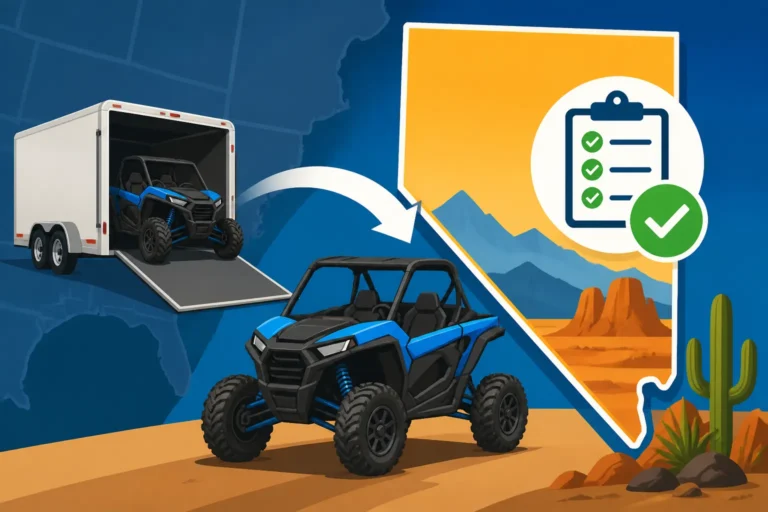
Picture this: You’ve just loaded your UTV onto the trailer, maybe even caravanned with some friends out to Nellis Dunes, feeling the excitement build for a day of ripping through the sand. Then, as you’re unloading, or maybe as you're doing that final walk-around before kicking up dust, your eyes land on the corner of your machine. The Nevada OHV decal, that small but mighty sticker, is looking a little faded, and the year printed on it is decidedly not the current one. Panic sets in. Can you still ride? What happens if a ranger sees it?
Riding at Nellis Dunes, like any other public land managed by the Bureau of Land Management (BLM) in Nevada, comes with responsibilities, and one of the most fundamental is ensuring your off-highway vehicle is properly registered. The purpose of that decal isn't just decoration; it's proof that you've paid your dues, contributing to the very trails and facilities you're about to enjoy. When that decal is expired, it’s not just a minor oversight; it's a direct violation of Nevada law. It means your machine is technically unregistered for legal use on public lands, even if you paid for it years ago.
For many riders, an expired decal isn't a deliberate act of defiance. Life gets busy, renewals slip through the cracks, or maybe you just purchased a used machine and weren't fully aware of the previous owner's registration status. Whatever the reason, the reality at Nellis Dunes is that law enforcement, whether it's a BLM ranger or a local deputy, will treat an expired decal as if the machine is unregistered. This can lead to a quick end to your day's plans, transforming a fun outing into a stressful encounter.
Why Your Decal is Crucial at Nellis Dunes
Nellis Dunes is a fantastic, free riding area managed by the BLM, offering wide-open spaces and varied terrain just a stone's throw from Las Vegas. But "free" doesn't mean "unregulated." The funds collected from OHV registrations across Nevada play a vital role in maintaining these areas, from trail signage and restroom facilities to trash removal and enforcement efforts. When machines operate without current registration, those funds are diminished, impacting the quality and safety of everyone's riding experience.
Rangers and deputies regularly patrol Nellis Dunes, especially during peak riding seasons and holidays. Their job isn't just to catch lawbreakers but also to ensure public safety and resource protection. A quick visual check of your OHV decal is often one of the first things they'll do. It's an easy indicator of whether a rider is following basic regulations. If they spot an expired decal, it immediately raises a red flag and justifies a stop.
Beyond the legal aspect, a current decal also signifies that you, as a rider, are actively participating in the system that supports responsible off-highway recreation. It's a small but important part of being a good steward of the land. Showing up at Nellis Dunes with an expired decal isn't just risking a ticket; it's showing a disregard for the community effort that keeps these precious riding areas open and enjoyable for all. It truly pays to stay on top of your [Nevada's Annual OHV Registration].
Common Reasons for Expired Decals
It's easy to assume that everyone with an expired decal is trying to skirt the rules, but often, that's not the case. One of the most common reasons is simple forgetfulness. Unlike your car registration, which often comes with a glaring reminder in the mail, OHV renewal notices can sometimes get lost in the shuffle, or perhaps you've opted out of mail notices and rely solely on email, which might end up in a spam folder.
Another frequent scenario involves purchasing a used machine. You might buy an ATV or UTV privately, especially if you're not going through a dealer, and assume that if it has a decal, it's good to go. However, that decal is tied to a specific registration period, and it might have expired months ago without your knowledge. It's crucial to always check the expiration date on any decal when acquiring a machine, even if it looks current. You can learn more about this by reading [Buying a Used ATV Privately in Nevada].
Moving to Nevada from another state can also lead to an expired decal situation. You might have had a valid registration in your previous state, but Nevada has its own requirements, and reciprocity only extends for a short period. If you've been here longer than that grace period and haven't registered your machine, your out-of-state decal is essentially null and void for legal riding in Nevada. Understanding the renewal process and actively managing your OHV's registration status is key to avoiding these unwelcome surprises at popular spots like Nellis Dunes.
The Consequences: When a Ranger Spots That Expired Decal
So, you're at Nellis Dunes, and that sinking feeling in your stomach confirms it: your decal is indeed expired. You decide to roll the dice and ride anyway. What's the worst that can happen? Well, unfortunately, the "worst" can range from a polite warning to a significant fine, or even having your machine impounded. It really depends on the discretion of the enforcing officer, the severity of the expiration, and whether you have any other violations.
Law enforcement officers at Nellis Dunes, whether from the BLM, Clark County Sheriff's Office, or Nevada Highway Patrol, are well-versed in OHV laws. They're not just looking for registration decals, but also checking for safety equipment, proper riding conduct, and often, signs of impairment. An expired decal is often the first, most visible sign that something is amiss, prompting a closer look at everything else.
The goal of these patrols isn't to ruin your day, but to ensure everyone's safety and the long-term sustainability of recreational areas like Nellis Dunes. When you ride unregistered, you're not only breaking the law but also potentially putting yourself and others at risk by contributing to an environment where rules are not consistently followed. It's important to remember that these officers have a job to do, and an expired decal is a clear violation.
Fines and Penalties for Unregistered OHVs
The most immediate and common consequence of riding with an expired decal at Nellis Dunes is a citation. Nevada law is pretty clear on the requirement for current registration for off-highway vehicles operating on public land. The exact amount of the fine can vary, and while I can't give you current figures, it's safe to say it's more than the cost of a renewal. Plus, the fine isn't the only cost; there are court fees and potentially administrative penalties on top of that. This is where [Nevada's $10 Late Fee on an Expired OHV Decal] comes into play, as you'll still have to pay that when you finally renew, in addition to the ticket.
Think about it: that money could have gone towards improving trails, adding new amenities, or simply covering the cost of your next riding trip. Instead, it's going towards a penalty for something that was easily avoidable. A fine can quickly turn a fun, affordable day out into an expensive regret. And it's not just about the money; receiving a citation can be a significant hassle, often requiring a court appearance or at least a mailed payment and dealing with legal paperwork.
It's also worth noting that repeated offenses or multiple violations in addition to the expired decal could lead to more severe penalties. For instance, if you're also riding recklessly or in an unauthorized area, the expired decal just adds another layer to your troubles. Enforcement at popular spots like Nellis Dunes is generally consistent, so don't assume you'll slip under the radar. What may seem like a minor oversight can quickly escalate into a legal headache.
The Risk of Machine Impoundment
While less common for a first-time expired decal offense, especially if you're cooperative, an officer does have the authority to impound your off-highway vehicle if it's found to be unregistered or being operated illegally. This is the worst-case scenario and one that no rider wants to face. Imagine your day ending with your prized ATV or UTV being loaded onto a tow truck, leaving you stranded at Nellis Dunes without your machine.
Impoundment isn't just about the immediate loss of your vehicle. You'll incur significant towing fees, storage fees, and administrative charges to get your machine back. These costs can easily run into hundreds, if not thousands, of dollars, far exceeding the cost of registration and any fines you might receive. Furthermore, you'll still have to prove proper ownership and get your registration current before the impound lot will release your machine, adding even more time, expense, and stress to the situation.
This scenario is more likely if there are other aggravating factors, such as a stolen machine, a severely reckless rider, or a history of non-compliance. However, it's a powerful reminder of why staying compliant with registration laws is so important. When an officer pulls you over at Nellis Dunes, they're assessing the situation for potential risks, and an unregistered vehicle, especially one operated by someone who might also be breaking other rules, can be seen as a higher risk. This is why it’s critical to understand [What Happens When a Nevada Decal Runs Out] and act quickly to avoid such dire consequences.
Getting Your Decal Current: Steps to Take
Okay, so you've realized your decal is expired, and the thought of getting caught at Nellis Dunes has given you a real scare. The good news is that renewing your Nevada OHV registration isn't overly complicated, and there are several ways to get it done. The key is to act promptly and not try to "chance it" by riding unregistered.
The first step is always to verify the exact expiration date and gather any necessary documentation. Even if you're not riding immediately, getting the process started shows good faith and can prevent further issues down the line. Remember, the longer it's expired, the more likely you are to incur late fees, so there's no benefit to procrastinating.
Once you have your paperwork in order, you can choose the most convenient method for renewal. Nevada's OHV program is designed to be accessible, recognizing that riders are often out enjoying the wide-open spaces and might not always be near a DMV office. Getting your decal current means you can enjoy places like Nellis Dunes with peace of mind, knowing you're fully compliant with state law and contributing to the trails you love.
Renewing Your Nevada OHV Decal
The most common and often easiest way to renew your Nevada OHV decal is online through the Nevada DMV's OHV portal. This method is usually quick, allowing you to pay with a credit card and often receive a temporary printable registration document almost immediately. This temporary document can be a lifesaver if you're planning a ride soon and waiting for the physical decal to arrive in the mail. Just make sure to keep a copy with you on your ride, perhaps laminated or in a waterproof bag.
If you prefer to go old-school or have specific questions, you can also renew by mail. The Nevada DMV will typically send out renewal notices, and you can simply fill out the form, attach a check or money order, and send it back. Be aware that mail renewals take longer to process, so plan accordingly if you have an upcoming trip to Nellis Dunes. It’s always a good idea to send it certified mail if you’re concerned about tracking.
For those who need immediate assistance or prefer face-to-face interaction, you can visit a qualified Nevada OHV dealer. Many dealerships are authorized to process renewals and can often issue a temporary document on the spot. While you can't typically renew at a standard DMV office, [The Nevada DMV OHV Section] website provides all the necessary information and links to get you pointed in the right direction, including a list of participating dealers.
Addressing Late Fees and Getting Proof
As mentioned earlier, if your decal is expired, you'll likely face a late fee in addition to the standard renewal cost. This is usually a flat fee per machine, and it applies regardless of how long the registration has been expired. It’s important to factor this into your budget when you’re renewing. Again, while I can't provide exact numbers, understanding that there's an additional charge helps set expectations.
Once you’ve submitted your renewal, whether online or by mail, it’s critical to have proof of that transaction with you when you ride. If you renewed online, print out the confirmation page and any temporary registration document they provide. If you renewed by mail, a copy of your completed form and a bank statement showing the payment can serve as temporary proof until your new decal arrives. [Nevada OHV Registration Processing Times] can vary, so don't expect the decal to arrive overnight.
Having proof of a pending renewal can make a significant difference if you're stopped by law enforcement at Nellis Dunes. While an officer may still issue a warning or even a citation, showing that you've taken immediate steps to rectify the situation can often lead to a more understanding interaction. Always carry your documentation – the registration card, proof of insurance, and your driver's license – in a secure, waterproof spot on your machine. [What the Registration Card Must Show] and other critical documents are your best friends in any roadside encounter.
Planning Ahead: Preventing Future Expirations
The best way to avoid the stress and potential penalties of an expired OHV decal at Nellis Dunes (or anywhere else, for that matter) is to prevent it from happening in the first place. A little proactive planning can save you a lot of headaches, money, and interrupted riding time. It’s all about creating a system that works for you, ensuring that renewal dates don't sneak up and catch you off guard.
Think about it: the peace of mind knowing your machine is fully compliant allows you to focus on the joy of riding, the scenery, and the camaraderie with your fellow enthusiasts. You won't have to constantly scan the horizon for rangers or worry about a quick pit stop turning into a legal hassle. Being prepared is being responsible, and it benefits everyone who shares the trails.
From setting up simple reminders to understanding the different renewal options, there are several straightforward steps you can take to keep your Nevada OHV decal current. It’s a small investment of time that pays dividends in stress reduction and uninterrupted fun.
Setting Up Renewal Reminders
One of the simplest and most effective ways to prevent an expired decal is to set up multiple reminders. When you first receive your new decal, immediately add its expiration date to your digital calendar, complete with alerts a month or two beforehand. Many smartphone calendar apps allow recurring events, so you can set it once and forget it for future years.
Consider setting up a physical reminder as well. Maybe a note on your garage workbench, or a sticker on your OHV’s dashboard (if it won't obscure vision or other important info). If you manage your vehicle maintenance digitally, integrate OHV registration renewal into that schedule. You can also bookmark the [Renewing a Nevada OHV Decal] page on your computer or phone for quick access when the time comes.
Don't rely solely on the Nevada DMV to send you a paper notice. While they often do, mail can get lost or overlooked. By taking personal responsibility for tracking your renewal, you build a robust system that won't let you down. This proactive approach ensures that when you're loading up for a trip to [Riding Nellis Dunes, Nevada's Free Dune Ride], you're ready to roll without a worry.
Understanding Your Renewal Options
Nevada offers flexibility when it comes to OHV registration, allowing you to choose between a one-year or a three-year decal. For many riders, the three-year option is a no-brainer. It saves you the hassle of annual renewals, reducing the chances of forgetting, and often provides a slight cost savings over renewing annually. If you know you'll be riding your machine consistently for the foreseeable future, choosing the longer term upfront is a smart move. Check out [One Year or Three Years in Nevada] for more details on this.
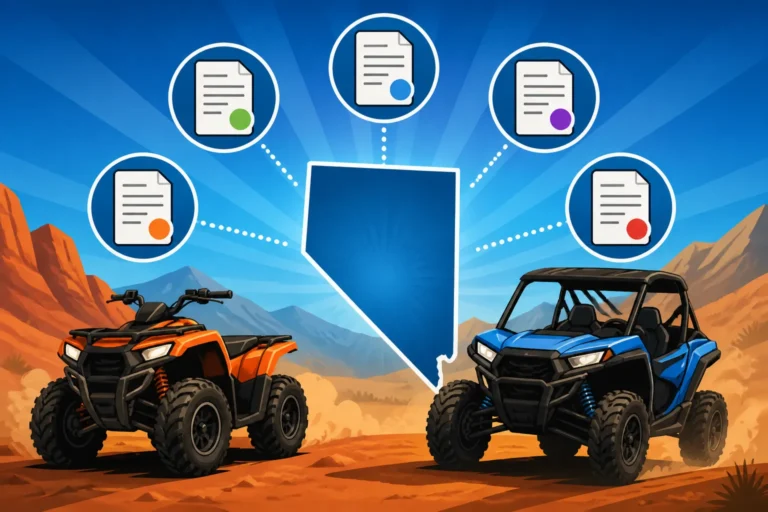
It's also wise to understand the full [Nevada OHV Registration Paperwork Checklist] for renewal. While renewals are generally simpler than initial registrations, sometimes a specific piece of information might be required. Having a small folder or digital file with all your OHV documents – title, previous registration, bill of sale, and insurance information – can make any renewal process smoother. This comprehensive approach means you’re always ready, whether you’re renewing online, by mail, or in person.
| Renewal Method | Pros | Cons | Ideal For |
|---|---|---|---|
| Online | Fastest; often instant temporary proof; convenient from home. | Requires internet access; credit card needed; physical decal mailed. | Tech-savvy riders; those needing quick proof; busy schedules. |
| Convenient if not near a computer/dealer; traditional method. | Slowest processing time; no instant proof; risk of mail loss. | Those with ample lead time; preference for paper forms. | |
| Authorized Dealer | In-person assistance; immediate temporary proof; can answer questions. | Limited locations; might have an extra dealer fee (What Nevada's $2 Dealer Submission Fee Pays For). | Riders needing immediate physical proof; those with questions. |
Keeping Documentation Accessible
Once your OHV is properly registered and you have your shiny new decal, don't just stick it on the machine and forget about your paperwork. It's vital to carry your current registration card with you whenever you ride on public lands, including Nellis Dunes. However, the desert environment can be harsh on paper documents. Dust, sweat, and unexpected water crossings can quickly render a paper card illegible.
Invest in a small, waterproof document holder or a sturdy Ziploc bag for your registration card, proof of insurance, and any temporary renewal documents. Keep it securely fastened to your machine, perhaps in a storage box or under the seat, but easily accessible in case a ranger asks for it. Some riders even take a clear photo of their registration and store it on their phone as a backup, though an officer typically prefers to see the physical card. For tips on protecting your documents, you might find [Keeping Paperwork Dry in a Dusty Machine] helpful.
Finally, regularly check your decal, especially after washes or rough rides. Decals can peel or fade over time, particularly in Nevada's intense sun. If your decal becomes unreadable, even if it's current, you could still face questions from law enforcement. Proactively replacing a damaged decal is much easier than explaining why the date is unreadable during a stop. Knowing [What Rangers Check at Sand Mountain] gives you a good idea of what officials look for at other popular riding spots like Nellis Dunes.
Disclaimer
This article is for general informational purposes only and does not constitute professional advice. Laws, prices and regulations vary by location and change over time. Consult a qualified professional for guidance on your specific situation.