Where Nevada OHV Registration Money Goes
It's a question every off-highway vehicle (OHV) enthusiast in Nevada has asked at one point or another: "I just paid my registration fee, but where does that money actually go? Am I just throwing cash into a bottomless pit, or is it actually doing some good?" Believe me, I've been there, staring at that decal and wondering if my hard-earned money just vanishes into the bureaucratic ether. But here's the good news: Nevada's OHV registration money is specifically earmarked, managed, and distributed to directly benefit the OHV community and the incredible lands we love to ride. This guide is here to pull back the curtain and show you exactly how those dollars are put to work, ensuring our trails remain open, safe, and exciting for everyone.
The Frustration of the Unknown: Why We All Wonder Where Our Fees Go
Let's be honest, filling out paperwork and paying fees isn't exactly the most thrilling part of owning an ATV or UTV. We just want to get out there and ride! So, it's completely natural to feel a bit of skepticism when you hand over your hard-earned cash for a registration decal. You're probably thinking, "Is this just another government tax, or will I actually see the benefit of this money?" This frustration is shared by many riders across the Silver State, and it’s a valid concern when the destination of your funds isn't immediately obvious.
More Than Just a Sticker: Understanding the "Why" Behind Registration
For many, registration feels like an arbitrary hoop, another piece of bureaucracy to navigate before hitting the dunes or the desert trails. You get a decal, you stick it on, and you hope you don't get stopped. But truly, it's so much more than just a sticker. Think of it as your contribution to a collective pool that funds the very infrastructure and management that makes our riding possible. Without these funds, our cherished riding areas could become neglected, unsafe, or even closed off entirely. It’s about ensuring responsible access and preserving the sport for generations to come, not just ticking a box. Your annual payment helps to cover the costs associated with maintaining the delicate balance between recreation and conservation, keeping our favorite spots accessible and enjoyable.
The Misconception of the "Black Hole" Fund
It's easy to fall into the trap of thinking your registration money disappears into some nameless, faceless "black hole" fund, never to be seen or heard from again. This perception often arises because the direct link between paying a fee and seeing an immediate, tangible benefit isn't always clear. You don't usually see a brand-new trail section popping up the day after you register, nor do you get a personalized thank-you note from a trail maintenance crew. However, that money is indeed being put to use, supporting everything from trail upkeep to safety education. We're going to break down precisely where those dollars land, so you can ride with confidence, knowing your contribution is making a real difference.
The Primary Destination: The Nevada Off-Highway Vehicles Program
The journey of your registration dollar begins by landing squarely in a dedicated fund designed specifically for off-highway vehicle recreation. This isn't a general state tax that gets blended with other revenues; it's a specific allocation that serves the OHV community directly. This focus ensures that the money collected from riders directly benefits the very people who contribute it, fostering a sustainable future for OHV recreation across Nevada's diverse landscapes.
The Nevada Commission on Off-Highway Vehicles: The Guiding Hand
At the heart of where your money goes is [The Nevada Commission on Off-Highway Vehicles]. This isn't just a regulatory body; it's a group of dedicated individuals, often riders themselves, who are tasked with overseeing OHV recreation in Nevada. Their primary role is to develop policies, administer the OHV program, and most importantly, allocate the funds collected from registrations and titling. They work to promote safe and responsible riding, enhance access to public lands, and ensure the longevity of our sport. Think of them as the strategic planners and decision-makers, guiding how the OHV account is utilized for the benefit of all riders.
The Off-Highway Vehicles Account: The Money Pot
All the fees collected from OHV registrations, titling, and any associated penalties are deposited into a special account known as the Off-Highway Vehicles Account. This account is legally established to fund specific projects and programs related to OHV recreation. It's a critical distinction to understand that this money is not diverted to other state budgets; it stays within the OHV realm. This direct allocation is what ensures that when you pay for your decal, you're truly investing in your passion. This account is where [What Nevada OHV Registration Fees Pay For] truly begins to take shape, providing the resources needed for everything from trail markers to grant funding.
The DMV's Role in Collection, Not Spending
When you head to the Department of Motor Vehicles (DMV) or process your registration online, it's easy to assume they're also the ones deciding how your money is spent. However, their role is primarily administrative. The DMV is responsible for the collection of fees, processing applications for [Registering an ATV in Nevada], issuing those distinctive decals, and handling title transfers. They are the gatekeepers of the registration process, ensuring everything is properly documented and legal. Once those funds are collected, they are then transferred to the dedicated Off-Highway Vehicles Account, where the Commission takes over the important work of allocation. So, while you interact with [The Nevada DMV OHV Section] for the paperwork, they aren't the ones deciding where those dollars ultimately end up being spent on trails or safety programs.
Trail Maintenance and Development: Keeping Our Rides Epic
One of the most significant and appreciated destinations for your OHV registration money is right where you ride: on the trails themselves. Nevada is blessed with an incredible network of off-road trails and vast open spaces, but these areas require constant attention to remain safe, accessible, and environmentally sound. Without dedicated funding, our riding experiences would quickly deteriorate, leading to closures and damage. Your fees are directly contributing to keeping these vital arteries of adventure open and in prime condition.
Building and Improving Trail Systems
Imagine hitting a new section of trail that's clearly marked, well-graded, and free of unexpected hazards. That's often a direct result of your registration fees at work. Funds are frequently allocated to projects that involve building entirely new trails, connecting existing routes to create longer, more diverse riding loops, or improving access points to popular areas. This could include constructing small bridges over seasonal washes, installing new informational kiosks at trailheads, or laying down gravel in high-traffic areas to prevent erosion. These improvements aren't just cosmetic; they enhance safety, reduce environmental impact, and significantly upgrade the overall riding experience. [What Trail Money Comes Out of a Decal Sale] directly supports these tangible improvements, making our riding areas better for everyone.
Maintenance of Existing Trails
The desert environment, while beautiful, can be incredibly harsh on trails. Wind, rain, flash floods, and constant use take a toll, leading to erosion, ruts, and debris. A substantial portion of the OHV funds goes towards the ongoing maintenance of our existing trail systems. This can involve heavy equipment for grading and smoothing out rough sections, crews clearing fallen rocks or overgrown brush, and volunteers working to repair damaged signage. Regular maintenance is crucial not just for rider enjoyment but also for preventing further environmental degradation, which could lead to closures if left unchecked. It ensures that iconic places like [Logandale Trails Outside Las Vegas] or the challenging terrains around [Sand Mountain: Nevada's Great Basin Dune] remain in top riding condition year after year.
Partnering with Land Management Agencies
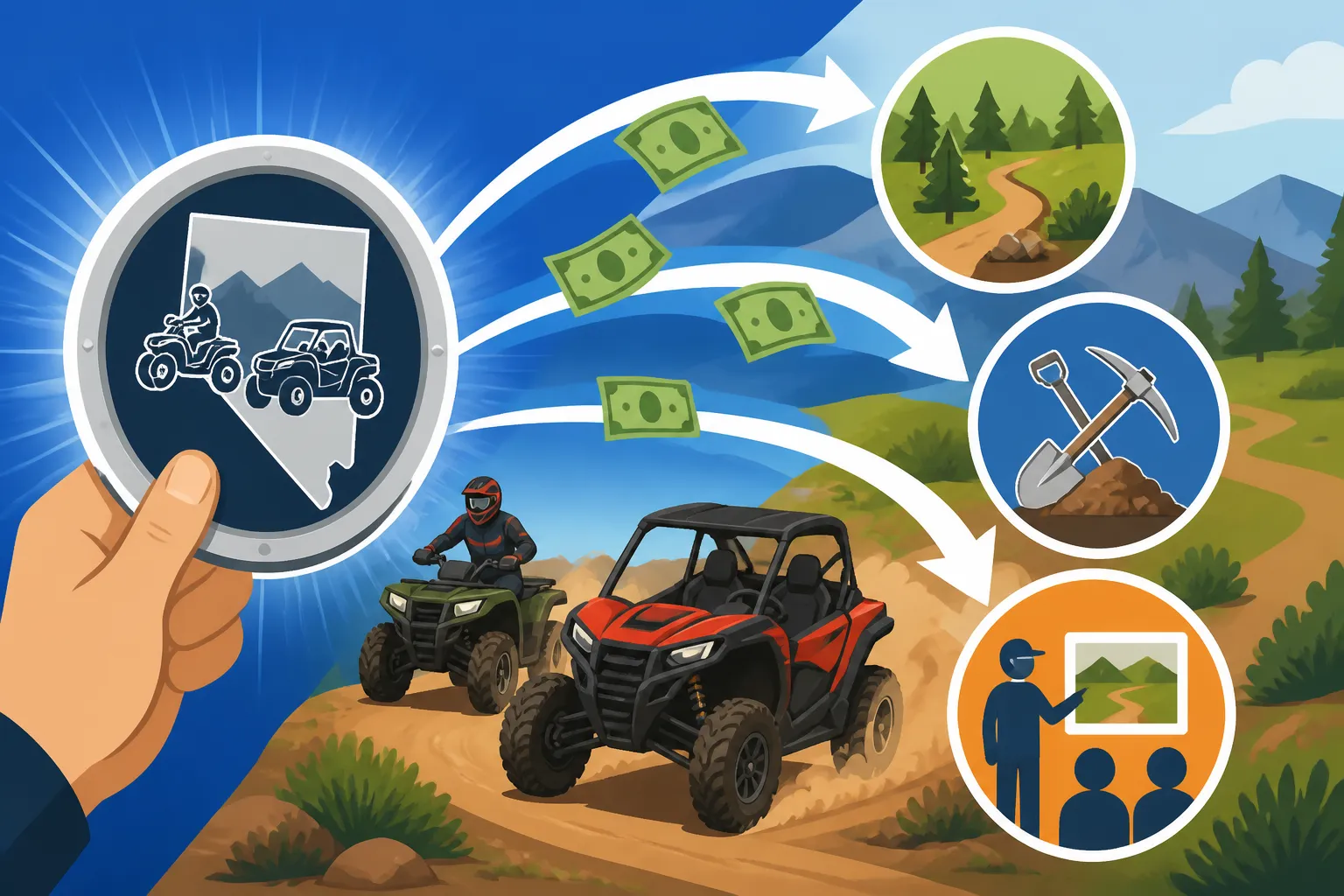
Nevada's OHV trails largely exist on public lands managed by federal agencies like the Bureau of Land Management (BLM) and the U.S. Forest Service, as well as state parks. These agencies often lack dedicated budgets for extensive OHV trail work. This is where your registration money becomes incredibly powerful. The Nevada OHV Commission provides grants and funding to these land management agencies, allowing them to undertake specific projects directly related to OHV recreation. This collaborative effort means that the people who manage the land have the resources to build and maintain trails, install essential facilities like restrooms and staging areas, and implement conservation efforts that benefit both riders and the environment. These partnerships are fundamental to keeping vast areas open for our enjoyment.
Education, Safety, and Enforcement: Making Rides Safer for Everyone
While a smooth trail is great, a safe rider on that trail is even better. A significant portion of the OHV account is dedicated to ensuring that all riders, regardless of experience level, can enjoy Nevada's off-road offerings safely and responsibly. This investment goes beyond just physical infrastructure; it's about fostering a culture of awareness, respect, and adherence to the rules, which ultimately benefits the entire OHV community.
Promoting OHV Safety Programs
Ignorance isn't bliss when it comes to riding off-road. Accidents happen, and often they can be prevented with proper training and awareness. Your registration fees help fund various OHV safety programs and public awareness campaigns across the state. These initiatives can include educational materials distributed at dealerships and events, online resources, and even hands-on training courses, particularly for younger or inexperienced riders. The goal is to equip riders with the knowledge and skills needed to navigate challenging terrain, understand machine capabilities, and respond appropriately to emergencies. Even though [Nevada Has No Mandatory Safety Course], the funds ensure that resources are available for those who want to learn and improve their riding skills, making everyone's time on the trail safer.
Supporting Enforcement Efforts
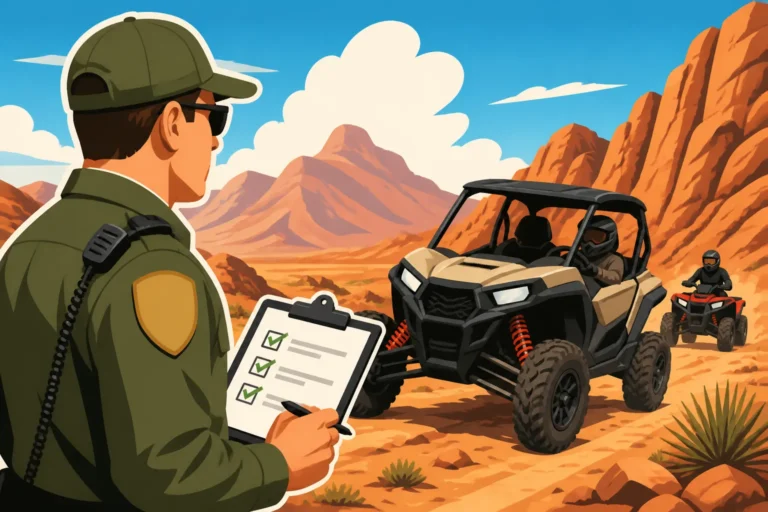
Unfortunately, not everyone plays by the rules. Riding an unregistered machine, speeding in designated slow zones, or venturing into closed areas can ruin the experience for others and damage the environment. A portion of the OHV funds supports enforcement efforts by local law enforcement, BLM rangers, and park police who patrol our riding areas. These officers ensure that riders are compliant with registration laws (like checking your decal, especially in popular areas, so you don't end up [Riding Nellis Dunes on an Expired Decal]), adhering to safety regulations, and respecting environmental guidelines. This isn't about being punitive; it's about maintaining order, protecting our resources, and ensuring that OHV recreation remains sustainable and enjoyable for everyone. It also helps deter illegal activities and ensures that [What Rangers Check at Sand Mountain] goes beyond just a quick glance, ensuring proper equipment and compliance.
Education for Environmental Stewardship
Our desert and mountain landscapes are fragile ecosystems, and responsible riding is paramount to preserving them. Funds are also channeled into environmental education programs, teaching riders about the importance of "Tread Lightly!" principles. This includes understanding where you can and cannot ride, proper waste disposal, minimizing impact on natural habitats, and respecting wildlife. These programs often involve creating informational signage at trailheads, developing educational brochures, and organizing volunteer clean-up events. By fostering a sense of environmental stewardship, your registration money helps ensure that Nevada's beautiful riding areas remain pristine and open for generations of riders to come, rather than succumbing to neglect and irreversible damage.
Administrative Costs and Overhead: The Necessary Backend
While no one likes to think about "administrative costs," the reality is that managing a statewide OHV program requires a significant amount of behind-the-scenes work. Just like any well-run organization, there are essential operational expenses that ensure the funds are collected, allocated, and overseen efficiently. These costs are a crucial part of the process, ensuring that the projects we see on the ground are properly vetted, funded, and executed.
The Day-to-Day Operations of the Commission
The Nevada Commission on Off-Highway Vehicles, while comprised of volunteers, requires professional support to function effectively. A portion of the OHV account covers the operational expenses of the Commission. This includes things like staffing (e.g., an OHV Program Manager), office space, supplies, and the costs associated with holding regular meetings and public outreach events. These dedicated staff members are the ones who process grant applications, coordinate with agencies, and ensure that the Commission's directives are carried out. Without this operational backbone, the entire system for distributing funds and overseeing OHV recreation would grind to a halt. This is part of [Why the Commission Spends What the DMV Collects], as the DMV's role is transactional, and the Commission's is programmatic.
Grant Application and Review Process
The allocation of OHV funds isn't simply handing out money; it's a rigorous grant application and review process. Organizations, land management agencies, and local governments submit proposals for projects, ranging from trail construction to safety education campaigns. Funds from the OHV account cover the administrative costs associated with managing this grant cycle. This includes staff time dedicated to reviewing applications, conducting site visits, ensuring compliance with grant guidelines, and processing payments. It's a complex system designed to ensure that funds are allocated to the most deserving and impactful projects. Furthermore, requiring standardized agreements and forms for these grants ensures accountability. Services like LawDepot can be invaluable for organizations, providing templates for legal documents, formal proposals, or even basic memorandums of understanding needed during the application and oversight stages.
Data Collection and Planning
To make informed decisions about how to best spend OHV funds, the Commission relies on data. This involves conducting surveys of riders, tracking trail use patterns, analyzing accident statistics, and mapping existing and potential trail systems. Your registration fees help fund these data collection efforts, which are vital for long-term planning. By understanding where people ride, what facilities are needed, and what safety issues are prevalent, the Commission can strategically allocate resources to address the most pressing needs and maximize the benefit to the OHV community. This meticulous planning, much like any significant endeavor, benefits from structured documentation, and for many smaller organizations, readily available templates from resources like LawDepot can assist in creating the necessary reports and formal submissions.
The Different Fees: Registration, Titling, and Penalties
It's important to understand that there isn't just one type of fee associated with your OHV in Nevada. Each fee serves a slightly different purpose and contributes to the overall health and functionality of the state's OHV program. While some go directly to trail funds, others cover the administrative overhead of keeping everything legal and organized.
Registration Fees: The Main Revenue Stream
The primary source of revenue for the Nevada Off-Highway Vehicles Account comes directly from registration fees. This is the money you pay for that annual or multi-year decal that proves your machine is legal to ride on designated public lands. You typically have the option to pay for [Nevada OHV Registration Fee for One Year] or opt for the [Nevada OHV Registration Fee for Three Years], which can offer a bit of savings and convenience over time. Regardless of your choice, this fee directly feeds the fund that supports trail maintenance, safety programs, and enforcement efforts. When you choose between [One Year or Three Years in Nevada], you're essentially choosing how far into the future you want to directly support these initiatives. This fee is the engine that drives the entire OHV program.
Titling Fees: Establishing Ownership
Beyond registration, there's also the fee associated with titling your OHV. While separate from the registration decal, this fee is equally important for establishing legal ownership of your machine. The [Cost to Title an ATV in Nevada] typically covers the administrative expenses of processing your title application, recording your ownership, and issuing the official title document. This helps prevent theft, ensures clear transfer of ownership when you sell your machine, and provides a crucial layer of accountability for all OHVs in the state. So, while titling fees don't directly build a trail, they contribute to the overall legal framework that supports responsible OHV ownership. Remember that [Nevada Title Fees for a Resident Machine] might differ from [The Higher Nevada Title Fee for a Machine Out of State], depending on where your machine was originally titled. For those times you need to formalize a private sale, a clear bill of sale, easily drafted using a service like LawDepot, can make the titling process smoother.
Penalties and Late Fees: Encouraging Compliance
No one likes to pay extra, but penalties and late fees serve a crucial purpose: they encourage timely compliance with registration laws. If you let your registration expire, you might face a [Nevada OHV Late Registration Penalty] in addition to the standard renewal fee. Similarly, there's a [Nevada's $10 Late Fee on an Expired OHV Decal] that reminds you to keep your paperwork current. While these fees are intended as a deterrent, any money collected from penalties also goes into the Off-Highway Vehicles Account. So, even though they arise from non-compliance, they still contribute to the overall funding for trails, safety, and enforcement. It's a way of ensuring that everyone who uses public lands for OHV recreation is contributing their fair share to its upkeep.
The Direct Impact: How You Benefit from Your Registration
After all this talk of commissions, accounts, and fees, the most important question for you, the rider, is: "How does this actually benefit me?" The good news is that the impact of your registration dollars isn't just theoretical; it translates into tangible improvements and advantages for every time you swing a leg over your quad or buckle into your side-by-side. Your contribution directly enhances your riding experience, making it safer, more enjoyable, and more sustainable.
Access to Well-Maintained Trails
This is perhaps the most direct and noticeable benefit. When you ride on a trail that's free of excessive ruts, clearly marked, and regularly cleared of debris, you're experiencing the direct result of OHV funds at work. Fewer unexpected obstacles mean a smoother, safer ride, reducing the risk of accidents and mechanical breakdowns. Well-maintained trails also minimize erosion and environmental damage, ensuring that our natural playgrounds remain beautiful and open for years to come. Knowing that the facilities, like those found at [Where the OHV Section Sits in Carson City], are effectively managing the funds for these improvements can make your registration feel more like an investment than just a fee.
Safer Riding Environment and Emergency Services
Beyond the physical condition of the trails, your registration fees contribute to a safer overall riding environment. This includes funding for educational programs that promote safe riding practices, as well as the presence of law enforcement and rangers in popular OHV areas. Knowing that there's oversight can deter irresponsible behavior, making the trails more pleasant for everyone. Furthermore, funds can indirectly support search and rescue operations in OHV areas, meaning that if an accident were to occur, there are resources available to help. Clearer signage also reduces the chance of getting lost, adding another layer of safety to your adventures.
Protecting Future Riding Opportunities
Perhaps the most far-reaching benefit of your OHV registration is its role in protecting and preserving future riding opportunities. By funding responsible land management, environmental education, and trail maintenance, these fees help demonstrate that OHV recreation can coexist harmoniously with conservation. This is crucial for preventing trail closures and ensuring that access to public lands remains robust. Your dollar helps to build a strong case for continued OHV access, demonstrating that riders are willing to invest in the sustainability of their sport. Without these dedicated funds, we risk losing access to the incredible riding experiences that Nevada has to offer, making every decal a small but significant step towards securing our riding future.
How Your OHV Fees Are Allocated
To give you a clearer picture, here's a simplified breakdown of the general categories where your Nevada OHV registration and titling money is typically allocated. Please remember these are broad categories, and the exact distribution can vary based on the Nevada Off-Highway Vehicles Commission's priorities and the needs identified each year.
| Category | Description | Examples of Funded Activities |
|---|---|---|
| Trail Development & Maintenance | Enhancing and preserving physical riding areas for OHV users. | New trail construction, signage, erosion control, bridge repair, grading, brush clearing, trailhead improvements, facility upgrades. |
| Education & Safety | Promoting safe and responsible OHV operation among all riders. | Safety training programs, public awareness campaigns, educational materials, "Tread Lightly!" initiatives, environmental stewardship. |
| Enforcement | Ensuring compliance with OHV laws and regulations on public lands. | Funding for law enforcement patrols (BLM, Sheriff, Parks), equipment for rangers, monitoring illegal riding areas. |
| Administration & Oversight | Managing the overall OHV program, including grant processes and planning. | Staff salaries, office operations, grant application review, data collection, mapping, Commission meeting expenses. |
| Grant Programs | Providing funding to partner agencies (BLM, Forest Service) and local groups. | Specific projects submitted by other organizations for OHV-related improvements or programs on their managed lands. |
Disclaimer
This article is for general informational purposes only and does not constitute professional advice. Laws, prices and regulations vary by location and change over time. Consult a qualified professional for guidance on your specific situation.