The Nevada DMV OHV Section
Trying to figure out where to go for off-highway vehicle (OHV) registration and titling in Nevada can feel like trying to find a needle in a haystack, especially when you're just looking for straightforward answers. It's easy to get lost in general DMV information, but your OHV needs are pretty specific. This guide is going to peel back the layers and introduce you to the dedicated Nevada DMV OHV Section, explaining its vital role, what services it offers, and how it directly impacts your off-road adventures across the Silver State.
What is the Nevada DMV OHV Section?
When you think of the Department of Motor Vehicles, your mind probably jumps to driver's licenses, car registrations, and maybe even commercial vehicles. But the Nevada DMV is a vast entity, and tucked within its structure is a very specific, and critically important, section dedicated solely to Off-Highway Vehicles. This isn't just a general department that sometimes handles ATVs; it's a specialized unit designed to manage the unique aspects of OHV ownership and use across the state. Understanding its existence and function is the first step to a smoother registration and titling process.
Its Mission and Mandate
The Nevada DMV OHV Section isn't just there to collect fees; it operates under a specific mission to ensure that off-highway vehicle recreation in Nevada is managed responsibly and sustainably. This section is the administrative arm that implements the laws and regulations concerning OHV registration, titling, and safe operation. Their mandate stems directly from state statutes, which were put in place to create a funding mechanism for trail maintenance, law enforcement, and rider education, all while providing a clear system for tracking ownership.
Think about it: every time you pay your registration fee, you're not just getting a decal; you're contributing directly to the health of Nevada's vast trail system. The OHV Section plays a crucial role in funneling those funds where they're needed, working in conjunction with entities like the [Nevada Commission on Off-Highway Vehicles] to allocate resources effectively. Without this dedicated section, the entire framework for responsible OHV use and the preservation of our riding areas would simply fall apart, leaving riders and public lands vulnerable.
It's a common frustration to feel like government offices are just bureaucratic hurdles, but the OHV Section actually serves as a central hub for rider protection and trail preservation. Their work ensures that stolen machines can be tracked, that legal ownership is clear, and that the beautiful landscapes we love to ride on are maintained for future generations. It's a complex dance of legislation and administration, all to support our passion for off-roading.
Who It Serves
The Nevada DMV OHV Section serves a broad spectrum of individuals and entities connected to the off-highway vehicle world. First and foremost, it serves every single OHV owner in Nevada, whether you're a weekend warrior with a single ATV or a rancher relying on a fleet of UTVs for daily operations. If you own an OHV that's required to be registered and titled in the state, you'll be interacting with this section, directly or indirectly.
Beyond individual owners, the section also supports OHV dealers, rental companies, and even law enforcement agencies. Dealers rely on the OHV Section for processing applications and understanding the latest regulations when selling new or used machines. Rental companies need clear guidelines for registering their fleets. And law enforcement officers depend on the section's records to verify registrations, ownership, and compliance when they're out on the trails or responding to incidents.
Even visitors who plan to stay longer than Nevada's reciprocity period for out-of-state machines will eventually find themselves dealing with this section. If you've just moved to the Silver State, or perhaps you're planning an extended stay with your quad, understanding the services of this section becomes paramount to legally enjoy the vast riding opportunities available. It's about ensuring everyone who rides responsibly has the proper paperwork in place.
Services Offered by the OHV Section
The Nevada DMV OHV Section is your go-to resource for all official transactions related to off-highway vehicles in the state. While the broader DMV handles a myriad of vehicle types, this specialized section zeroes in on the specific needs of ATVs, UTVs, dirt bikes, and other machines that fall under the OHV definition. This focus means they understand the nuances of these vehicles, from their unique VIN structures to specific titling requirements that differ from passenger cars.
Registration and Decal Issuance
One of the primary functions of the OHV Section is the registration of eligible off-highway vehicles and the issuance of their decals. This process is mandatory for most machines that will be ridden on public lands in Nevada, ensuring that you're compliant with state law and contributing to trail funding. You'll submit your application, proof of ownership, and payment, and in return, you'll receive that coveted [Nevada's $20 OHV Decal and What It Covers] that signifies your machine is ready to hit the trails legally.
The registration process can sometimes feel daunting, especially if it's your first time or if you're bringing a machine in from out of state. However, the OHV Section streamlines this as much as possible, providing the necessary forms and guidance. Whether you're registering a brand new ATV or renewing an existing one, they are the administrative heart of getting your machine field-ready. It's often where the journey to legal trail riding begins.
Once approved, your decal isn't just a sticker; it's your official permit to ride Nevada's incredible network of trails and open lands. The section ensures the decal information is accurate and that it's properly linked to your vehicle's VIN and your ownership records. This system helps prevent unauthorized use and ensures that when a ranger or deputy checks your machine, everything matches up, keeping you out of trouble and on the trail.
Titling and Ownership Transfers
Beyond registration, the OHV Section is also responsible for the titling of off-highway vehicles, which is proof of legal ownership. This is a critical step, whether you've just purchased a brand-new machine, acquired a used one, or need to transfer ownership after a sale or inheritance. The title document is your legal certificate, much like a car title, and it establishes who rightfully owns the ATV or UTV. The [Cost to Title an ATV in Nevada] will vary, but the process is handled directly through this department.
Transferring a title correctly is paramount, especially when buying or selling a used OHV. Many private sales can go awry if the title isn't properly signed over and submitted to the DMV. The OHV Section processes these transfers, updating records to reflect the new owner. They ensure that all necessary paperwork, such as a bill of sale or previous title, is in order to prevent fraud and disputes down the line. It's their job to make sure you have clear title to your machine.
If you're buying a machine from a private seller, having a robust bill of sale, potentially drafted with a service like LawDepot, can make the titling process much smoother and provide extra protection beyond the basic DMV forms. The OHV Section will review all documents for completeness and accuracy, so presenting them with a clear, comprehensive paper trail makes their job—and your life—a lot easier. A properly executed title transfer is the bedrock of secure OHV ownership.
Forms and Paperwork Guidance
Let's be honest, government forms can be intimidating. Thankfully, the OHV Section takes the lead in providing all the necessary forms and, to a reasonable extent, guidance on how to complete them. From initial registration forms like OHV-001 (depending on your situation) to applications for duplicate titles or renewals, they are the repository for all the official paperwork you’ll need. This is a huge relief when you’re trying to navigate what can seem like a bureaucratic maze.
They also offer some general guidance on common scenarios, like [Registering an Out-of-State Machine in Nevada] or [Nevada OHV Registration Without a Title]. While they can't offer legal advice, they can certainly walk you through which forms apply to your specific situation and what supporting documentation you'll need. This information is invaluable and can save you multiple trips or frustrating delays if you submit an incomplete application.
Before heading to the DMV or mailing in your application, always double-check the latest versions of the forms available directly from the Nevada DMV website. They update these periodically, and using an outdated form can result in your application being rejected. A great resource is often their online portal where you can find a comprehensive [Nevada OHV Registration Paperwork Checklist] to ensure you have everything in order before submission.
Navigating the OHV Section Online and In-Person
Dealing with the DMV can sometimes feel like an expedition in itself, but the Nevada DMV OHV Section has made efforts to offer both online and in-person options to suit different preferences and situations. Whether you're a digital native who prefers clicks over queues or someone who needs to speak to a person, understanding how to best approach them will save you time and frustration. It's about choosing the right path for your specific needs.
The Nevada DMV Website Experience
For many basic transactions and information gathering, the Nevada DMV website is your first and often best resource. The OHV Section maintains dedicated pages with downloadable forms, detailed instructions, and FAQs that can answer many of your questions without ever needing to leave your home. You can often find information on [Nevada's Annual OHV Registration], fee schedules, and even locate specific OHV service offices.
Renewing your registration is often the easiest process to complete online. The website provides a portal where you can typically renew your [Nevada OHV Registration Fee for One Year] or [Nevada OHV Registration Fee for Three Years] decal quickly and efficiently, bypassing the need to visit a physical office. This is a huge convenience, especially for those living in remote areas of Nevada or with busy schedules that don't align with DMV hours.
However, be prepared for some limitations. Complex transactions, such as initial titling of a machine with unusual ownership history or certain types of transfers, often still require an in-person visit or mailing in physical documents. While the website is great for general information and simple renewals, don't be surprised if your specific scenario still necessitates a more traditional approach. Always verify if your particular transaction can be fully completed online.
Visiting a Local DMV Office for OHV Services
Sometimes, there's just no substitute for an in-person visit, especially when dealing with complex titling issues or if you prefer direct assistance. Most Nevada DMV offices are equipped to handle OHV registration and titling, although not every branch may have specialist staff for unique situations. It's often advisable to call ahead or check the specific office's services online, especially if you're dealing with something less common than a standard renewal.
When you decide to visit, come prepared. This means having all your paperwork neatly organized, copies of identification, and payment methods ready. Remember the advice about [Nevada OHV Registration Paperwork Checklist] – it’s invaluable here. The more organized you are, the smoother your transaction will be, saving you and the DMV staff time.
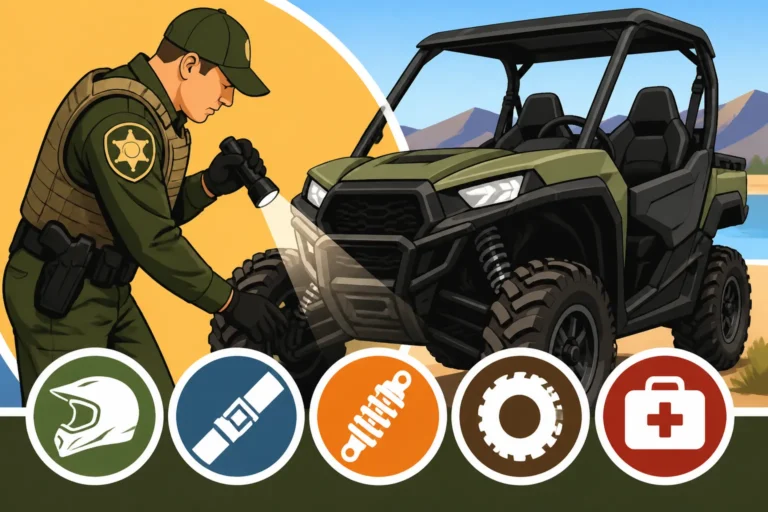
A practical tip: if your transaction involves something like a [Nevada OHV VIN Inspection Requirements], understand that the DMV itself won't perform the physical inspection. You'll need to get that done by a licensed Nevada OHV dealer or a sworn law enforcement officer before you even set foot in the DMV office for registration. Knowing these little details beforehand can prevent a wasted trip and the frustration of being turned away.
Common Challenges and Solutions When Dealing with the OHV Section
Let's be real: bureaucracy can be frustrating. Even with a dedicated section, dealing with government processes often comes with its own set of challenges. It's not always a perfectly smooth ride, much like some of our favorite trails! But understanding these common hurdles and knowing how to navigate them can save you a lot of headaches and get you back to riding faster.
Paperwork Pitfalls and How to Avoid Them
One of the biggest culprits for delays and rejections is incorrect or incomplete paperwork. It's easy to overlook a signature line, miss a required document, or use an outdated form. Forgetting to sign where required, for example, on the seller's portion of a title when [Signing Over a Nevada OHV Title], is a classic mistake that sends many people back to square one. The DMV needs everything just right to process your request.
A common pitfall also arises when purchasing an OHV privately. Sometimes, sellers might not have all the correct documentation, or they might try to cut corners. This is where services like LawDepot can be incredibly helpful for creating robust bills of sale that clearly outline the terms, conditions, and what paperwork is being provided (or not provided) at the time of sale. This protects both parties and ensures you have proper proof for the DMV.
To avoid these headaches, treat your application like a high-stakes puzzle. Double-check every field, every signature, and every supporting document against the specific instructions for the form you're using. If you're unsure, it's always better to call the OHV Section or consult their website before submitting, rather than hoping for the best and facing rejection. A little proactive effort goes a long way.
Dealing with Processing Times and Delays
Once you've submitted your application, especially if it's via mail, you might encounter processing times that feel glacial. This can be particularly frustrating if you're eager to get out and ride, and you're waiting for your [Nevada's $20 OHV Decal and What It Covers] to arrive. While the DMV strives for efficiency, they handle a massive volume of transactions, and sometimes, things just take longer than we'd like.
Factors like peak riding season, staffing levels, and the complexity of your specific transaction can all contribute to delays. For instance, a straightforward [Renewing a Nevada OHV Decal] online might be instantaneous, but an initial registration for an older machine with an out-of-state title might require more manual review, leading to extended [Nevada OHV Registration Processing Times]. It's the nature of the beast, unfortunately.
The best solution here is patience and planning. Don't wait until the last minute if your decal is expiring or if you have a big trip planned. Submit your paperwork well in advance of when you need your decal or title. If you're experiencing an unusually long delay, you can generally inquire about the status of your application, but remember that staff might not always have immediate answers for every single file.
Addressing Specific Machine Scenarios
Not all OHV registrations are created equal. Some machines come with unique circumstances that can throw a wrench into the standard process. For example, what if you bought a machine with no title, or the seller lost it? This can be a particularly sticky situation that requires extra steps, proving ownership, or applying for a bonded title in some cases. The OHV Section will have specific procedures for handling these complex scenarios.
Another common scenario involves machines that might be exempt from registration, such as those used exclusively for husbandry on private land, or very small youth machines. Understanding [Machines Nevada Exempts From Registration] is crucial before you even start the application process. If your machine falls into one of these categories, you could save yourself the time and expense of unnecessary registration.
When facing these specific, often more complicated, situations, it's highly recommended to communicate directly with the OHV Section. They can advise you on the exact forms and supporting evidence required. Sometimes, a detailed bill of sale, especially one created using a service like LawDepot to document the unique circumstances of the sale, can be helpful in proving the history and intent of ownership to the DMV.
Beyond the DMV: Related Nevada OHV Entities
While the Nevada DMV OHV Section is central to registration and titling, it doesn't operate in a vacuum. There are other key players in the Nevada OHV landscape that either influence its operations or work in conjunction with it to ensure a comprehensive and enjoyable off-road experience for everyone. Understanding these relationships gives you a broader picture of how the entire system functions.
The Nevada Commission on Off-Highway Vehicles
The Nevada Commission on Off-Highway Vehicles is a crucial partner to the DMV OHV Section, though their roles are distinct. While the DMV handles the administrative tasks of registration and titling, the Commission is responsible for allocating the funds generated from those fees. They are the strategic planners, advocating for OHV interests and directing resources towards trail maintenance, development, and other initiatives that directly benefit riders.
This Commission is composed of passionate individuals, often with direct experience in the OHV community, who meet regularly to discuss and decide on grant applications. These grants fund things like new trail construction, signage, safety education programs, and even enforcement efforts. So, while you're handing your money over at the DMV, it's the [The Nevada Commission on Off-Highway Vehicles] that ultimately decides how that money translates into tangible improvements for our riding areas.
It's a fantastic system where the very fees you pay go back into enhancing the sport you love. The collaboration between the DMV and the Commission ensures that the funds aren't just sitting in an account but are actively being put to work to maintain and improve Nevada's incredible off-road opportunities. This symbiotic relationship keeps our trails open and well-managed for all to enjoy.
The Role of Dealers in OHV Registration
OHV dealers play a significant role as intermediaries in the registration process, especially for new machines. When you purchase a new ATV or UTV from a licensed Nevada dealer, they are often equipped to handle the initial registration and titling paperwork on your behalf. This is a massive convenience, as they are familiar with the forms and procedures, allowing you to drive off the lot with your temporary registration and eventual decal processing underway.
However, their role extends beyond just new sales. Many licensed dealers are also authorized to perform the necessary VIN inspections for older machines or those coming from out of state, fulfilling a crucial [Nevada OHV VIN Inspection Requirements] that the DMV itself won't do. This saves you the hassle of trying to track down a law enforcement officer for the inspection, making the process much smoother.
While dealers provide a valuable service, it's still important to understand the process yourself. Don't assume everything will be handled flawlessly. Double-check any forms you sign and understand the fees involved. For example, dealers typically add a small [What Nevada's $2 Dealer Submission Fee Pays For] on top of the state fees for handling the paperwork. Being informed ensures you're not surprised by anything.
Making the Most of Your Interaction with the Nevada DMV OHV Section
Navigating government services doesn't have to be a nightmare. With a little preparation and understanding, your interactions with the Nevada DMV OHV Section can be efficient and straightforward. It’s all about being proactive and having your ducks in a row before you initiate any transaction.
Prepping for Your Visit or Application
The golden rule for any DMV interaction is preparation. Before you even think about heading to an office or mailing an application, gather all the required documents. This includes your proof of ownership (like a title or MSO), a bill of sale, your identification, and any other supporting paperwork specific to your situation. Using a service like LawDepot to create a clear bill of sale can be incredibly helpful, especially in private party transactions, to ensure all necessary details are included and legally sound.
Check the Nevada DMV website for the most current forms and a [Nevada OHV Registration Paperwork Checklist]. Print them out and fill in everything you can neatly and accurately before you go. Don't leave blanks or assume the clerk will know what you mean. The more complete and legible your application is, the less likely it is to be rejected or delayed.
Finally, have your payment ready. Know the exact fees for [Registering an ATV in Nevada] or [Titling an Off-Highway Vehicle in Nevada]—remember, I can't give specific figures, but the DMV website will have current fee schedules. Having the correct payment method (cash, check, card, as accepted by the specific office) ensures there are no last-minute hitches.
Understanding Fees and Renewals
Fees are an unavoidable part of OHV ownership, but understanding them can help you budget and avoid surprises. Beyond the basic [Nevada OHV Registration Fee for One Year] or [Nevada OHV Registration Fee for Three Years], there might be other costs, such as title transfer fees, duplicate title fees, or late penalties. For example, a [Nevada's $10 Late Fee on an Expired OHV Decal] is easily avoidable with timely renewal.
It's crucial to understand when your OHV decal expires. The Nevada DMV typically sends out renewal reminders, but it's ultimately your responsibility to keep track of your expiration date. Don't rely solely on a piece of mail that might get lost or overlooked. Mark your calendar, set a reminder on your phone, or create a system that works for you to ensure you renew your [Renewing a Nevada OHV Decal] before it lapses.
By being informed about the fees and proactive about renewals, you can save yourself money and stress. Most renewals can be done quickly online or by mail, meaning there's little excuse for letting your registration lapse. Keeping your OHV current with the Nevada DMV OHV Section ensures you can always enjoy the vast and incredible riding opportunities the Silver State has to offer.
Disclaimer
This article is for general informational purposes only and does not constitute professional advice. Laws, prices and regulations vary by location and change over time. Consult a qualified professional for guidance on your specific situation.