Registering Through a Nevada Dealer
Buying a new ATV or UTV can be such an exciting time—visions of tearing across the Nevada desert, exploring hidden trails, and making memories with friends and family. But that excitement can quickly turn into frustration when you realize the mountain of paperwork and processes involved in getting your new machine legally registered. Many folks assume the dealer handles everything seamlessly, but understanding their role and your responsibilities is key to avoiding delays and headaches. This guide will walk you through everything you need to know about registering your off-highway vehicle (OHV) through a Nevada dealer, ensuring you're ready for the trails without any unwelcome surprises.
The Dealer's Role in Nevada OHV Registration
When you walk into a dealership, whether it's a sprawling store on the edge of Las Vegas or a smaller shop nestled in a rural town like Fallon, they're not just selling you a machine; they're also your first point of contact for getting it legally registered in Nevada. It's a convenient service that often takes a lot of the initial burden off your shoulders, but it's important to understand where their responsibilities begin and end. Think of them as your guide through the preliminary stages, setting you up for success.
Understanding the Dealer's Responsibilities
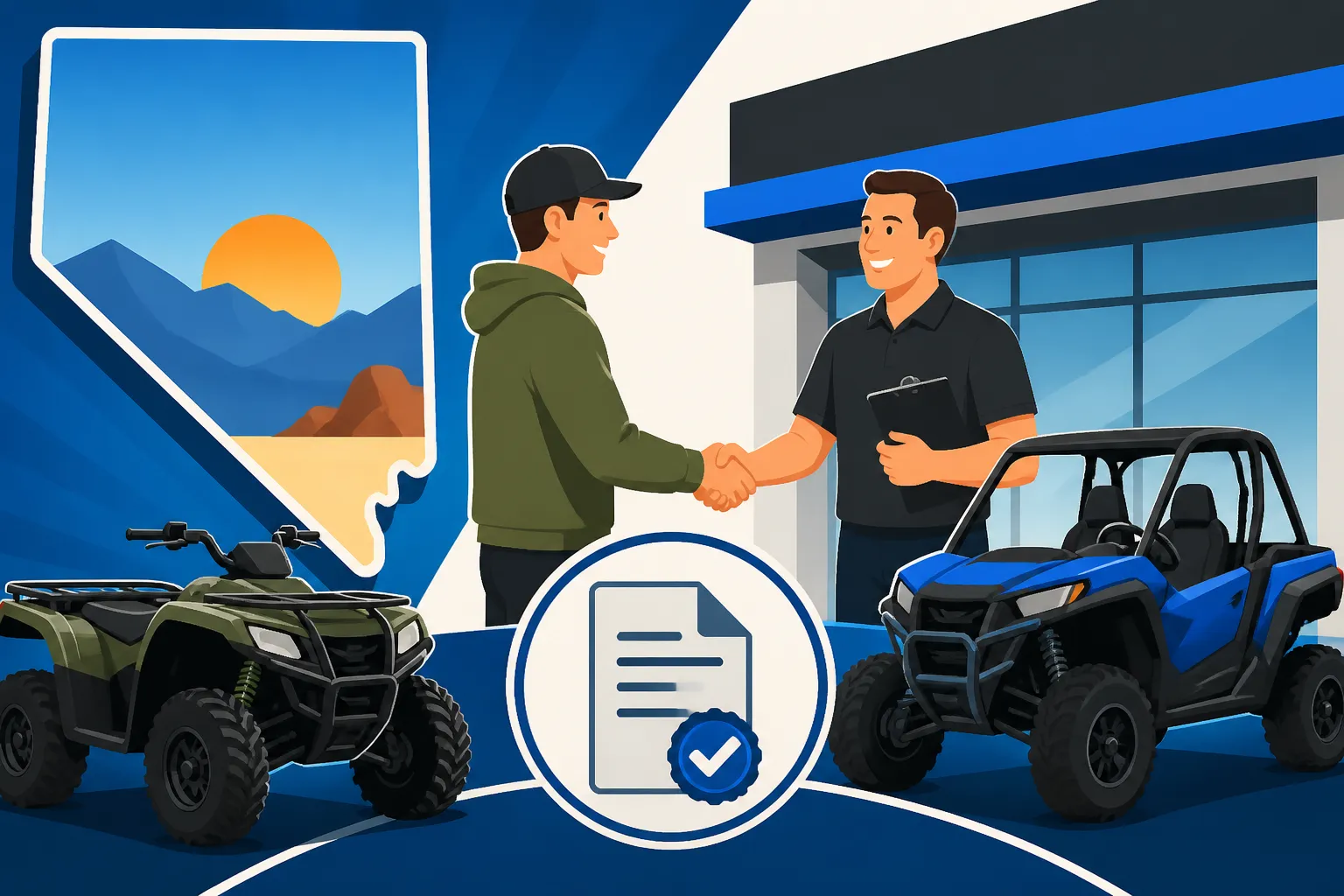
A licensed Nevada OHV dealer acts as an authorized agent for the Department of Motor Vehicles (DMV) when it comes to off-highway vehicle transactions. This means they're empowered to collect specific information, process certain forms, and even collect fees on behalf of the state. When you purchase an ATV or UTV, the dealer is generally responsible for initiating the registration process. This typically includes completing the initial application forms, collecting the necessary fees for registration and titling, and submitting this paperwork to the Nevada DMV's OHV section. They also handle the transfer of ownership from their inventory to you, the new owner. It’s a significant convenience, as it means you don't have to immediately scramble to a DMV office after making a large purchase.
For instance, imagine you've just bought a brand-new side-by-side from a dealer in Reno. Instead of you having to track down the correct forms, figure out the fees, and then make a separate trip to the DMV, the dealer will typically have all the required Nevada OHV registration paperwork ready. They'll fill out the sales portion, collect the sales tax, and get your information for the registration and title application. This streamlines the initial phase, letting you focus on planning your first adventure rather than bureaucratic hurdles. They essentially bridge the gap between your purchase and the official state record.
The Advantage of Dealer-Assisted Registration
One of the biggest perks of registering through a dealer is the expertise they bring to the table. These dealerships handle dozens, if not hundreds, of OHV sales and registrations every year. They're intimately familiar with the specific forms, the current fee structures, and the common pitfalls that can delay a private individual's registration. This knowledge can save you a tremendous amount of time and frustration. They know exactly what information the DMV needs, how to fill out the forms correctly, and how to submit everything to ensure it moves through the system efficiently. This is particularly valuable given how specific the requirements can be for OHVs in Nevada.
Consider the complexity of ensuring every line item is correct on a document like the OHV-001 application. A small error can send your application back, costing you weeks. A reputable dealer minimizes this risk. Plus, many dealers will issue you a temporary operating permit, often a paper tag or sticker, that allows you to legally ride your new machine for a short period while the permanent decal and title are being processed by the DMV. This means you can often hit the trails almost immediately, rather than waiting weeks for your official decal to arrive. It truly is about convenience and peace of mind, knowing experienced hands are managing the initial steps.
When a Dealer Cannot Complete Registration
While dealers are incredibly helpful, there are specific situations where their ability to complete the entire registration process might be limited. For example, if you purchase a used OHV from a private seller, the dealer cannot act as the registration agent for that transaction. In such cases, you, the buyer, would be responsible for completing the transfer of title and applying for new registration yourself. Dealers primarily handle transactions for machines they sell directly from their inventory.
Another scenario might involve a machine that falls into an exempt category. For instance, machines used solely for agricultural husbandry on private land, or certain youth machines under 70cc, may not require full registration, and the dealer's role would shift to simply providing the bill of sale. It's always crucial to verify with the dealer what exactly they will be handling and what might fall to you. Don't assume anything; ask clear questions about the full process. If you're [Buying a Used ATV Privately in Nevada], the entire burden of registration and titling typically falls to you, making the process quite different from a dealer purchase.
Essential Paperwork Dealers Handle for You
The backbone of any successful OHV registration is accurate and complete paperwork. When you buy from a licensed Nevada dealer, they take on the bulk of preparing and submitting these critical documents. This minimizes the chances of errors that could delay your ability to get out and ride. Understanding which forms they handle gives you a clearer picture of the process.
The Nevada OHV-001 Application Form
This is arguably the most crucial piece of paper in the entire process. The OHV-001, also known as the "Application for Registration and Title, Off-Highway Vehicles," is what tells the Nevada DMV who you are, what machine you own, and that you intend to register it. When you purchase from a dealer, they will typically complete sections of this form, filling in all the details about the ATV or UTV you're buying, such as its Vehicle Identification Number (VIN), make, model, and year. They will also collect your personal information to be listed as the registered owner.
The dealer will ensure that the correct boxes are checked regarding whether you're applying for a one-year or three-year registration, and whether you want a title certificate issued. Accuracy is paramount here, as even a small typo in your name or address could lead to delays or issues down the line. They will then have you sign and date the form, confirming the information is correct and authorizing them to submit it on your behalf. This form is the start of your journey to getting your official [Nevada's Annual OHV Registration] decal.
Sales Tax Collection and Remittance
One of the less glamorous but absolutely necessary parts of buying any vehicle is paying sales tax. When you purchase an ATV or UTV from a licensed dealer in Nevada, they are legally obligated to collect the applicable sales tax at the point of sale. This tax is calculated based on the purchase price of your machine and is then remitted by the dealer to the state. This is a significant advantage over private sales, where the sales tax collection process can sometimes be overlooked or misunderstood, leading to potential issues later with the DMV.
By handling the sales tax, the dealer ensures that this requirement is met correctly and promptly. They'll provide you with documentation showing the sales tax paid, which is often a critical part of your overall registration paperwork. This prevents you from having to figure out the tax calculations yourself or deal with separate payments to the state. It's a clean, straightforward transaction that's baked right into your purchase agreement.
VIN Verification by the Dealer
Before an OHV can be registered in Nevada, its Vehicle Identification Number (VIN) must be verified. This step is critical to confirm the machine's identity and ensure it hasn't been reported stolen. For most new machines purchased from a dealer, this is a relatively simple process, as the dealer themselves is authorized to perform this verification. They will visually inspect the VIN on the machine, compare it to the manufacturer's statement of origin (MSO) or previous title, and then complete the necessary section of the OHV-001 form or a separate VIN inspection document.
This is a huge convenience. If you were purchasing privately or from an out-of-state seller, you might have to track down a law enforcement officer or an approved third-party inspector to complete this step. However, since the dealer is already inspecting and preparing the machine for sale, they integrate the VIN verification seamlessly into their process. This ensures that when your application reaches the DMV, this vital step has already been certified by an authorized party, helping to prevent delays. Knowing [Which Dealers Can Inspect a VIN in Nevada] is a key piece of information.
What Happens After You Drive Off the Lot
The moment you sign the final papers and shake hands with the dealer, you're likely eager to hit the trails. But while the dealer has initiated the process, it's not quite instant. There's a period of waiting, and some important steps you should be aware of, to ensure your permanent registration and title arrive without a hitch. This post-purchase phase is where a little patience and awareness go a long way.
The Temporary Operating Permit
One of the best benefits of purchasing from a Nevada dealer is the temporary operating permit. This is often a small, adhesive paper tag or a printed document that the dealer provides to you. It's designed to allow you to legally operate your newly purchased ATV or UTV for a limited time, usually around 30 days, while the Nevada DMV processes your official registration and title. This means you don't have to put your riding plans on hold immediately after purchase.
It’s crucial to understand that this temporary permit is exactly that: temporary. It has an expiration date, and you must adhere to it. For example, if you bought your UTV on a Saturday morning in Las Vegas and the dealer issues you a temporary permit valid for 30 days, you can take it straight out to Nellis Dunes that afternoon. However, you must make sure your permanent decal and registration arrive before that 30-day window closes. If not, you risk riding an unregistered machine. Always keep this temporary permit visible and easily accessible, typically affixed to the machine itself or carried with your other documents. This is how you bridge the gap during [Nevada's Thirty-Day Registration Deadline].
Waiting for Your Decal and Title
Once the dealer submits all your paperwork and fees to the Nevada DMV's OHV section in Carson City, the waiting game begins. The DMV needs time to review your application, process the payment, and then print and mail your official OHV registration decal and your certificate of title. This process doesn't happen overnight. While the dealer speeds up the initial submission, the actual processing time depends on the DMV's current workload and mail delivery.
Many new owners feel a bit antsy during this period, especially if their temporary permit is nearing expiration. It's a common experience. The title certificate, which serves as proof of ownership, is a critical document. The registration decal, which you must affix to your machine, is what law enforcement will look for on the trails. Both are sent via mail, so ensuring the dealer has your correct mailing address is absolutely vital. If you’ve also applied for a physical title, that will arrive in a separate mailing. The state typically charges a specific fee for [Titling an Off-Highway Vehicle in Nevada], which the dealer will collect at the time of sale.
Tracking Your Registration Progress
Unlike some vehicle registrations that can be tracked online instantly, the Nevada OHV system has historically involved a bit more waiting without real-time updates. However, if you experience significant delays beyond what the dealer initially quoted (e.g., several weeks past the temporary permit's expiration), you can reach out to the Nevada DMV. The OHV section specifically handles these inquiries. It’s a good idea to keep a copy of all the paperwork the dealer gave you, including the temporary permit and any receipts, as these will have transaction numbers or other identifiers that the DMV can use to look up your application.
If you find yourself in a situation where your temporary permit is about to expire and you still haven't received your decal or title, don't panic. First, contact the dealer and explain the situation. They might be able to offer guidance or even assist in following up with the DMV, especially if they submitted a batch of applications together. Secondly, be prepared to potentially halt riding until your permanent decal arrives to avoid citations. While frustration is understandable, riding with an expired temporary permit is the same as riding unregistered. Knowing the [Nevada OHV Registration Processing Times] can help manage your expectations.
Dealer Fees and Why They Exist
While the convenience of dealer-assisted registration is undeniable, it's not entirely free. Beyond the state-mandated registration and titling fees, you'll often encounter additional charges from the dealership itself. These fees can sometimes catch buyers off guard, so understanding what they are and why they're applied is essential for budgeting and transparency.
The Nevada $2 Dealer Submission Fee
One fee you’ll almost certainly encounter is the state-mandated $2 dealer submission fee. This isn't a profit generator for the dealer; rather, it's a small charge levied by the State of Nevada for the dealer's service in processing your OHV registration and title application and submitting it to the DMV. Think of it as a processing fee that helps cover the administrative costs associated with dealers acting as agents for the state's registration system.
This fee is typically itemized separately on your sales contract or buyer's order, so you'll see exactly what it is. It's a standard charge across all licensed dealers in Nevada for OHV transactions. While only $2, it's a good example of a specific charge that exists due to the dealer's role in the official registration process. It ensures the system of dealer submission remains viable and supported by the state. Knowing [What the $2 Dealer Submission Fee Pays For] helps demystify your purchase.
Other Dealer Documentation Fees
Beyond the state-mandated submission fee, many dealerships will also include their own "documentation fees" or "doc fees." These fees are generally intended to cover the dealership's internal costs associated with preparing and handling all the necessary paperwork, not just for registration but for the entire sales transaction. This can include preparing the sales contract, ensuring compliance with consumer protection laws, printing all documents, and maintaining records. The amount of these fees can vary significantly from one dealership to another and are usually a one-time charge per transaction.
For example, a dealership in Henderson might have a standard doc fee that covers everything from creating the bill of sale to ensuring your financing paperwork is complete and submitted to the lender. These fees are part of the cost of doing business and providing a full-service experience. While often negotiable in car sales, they might be less so for OHVs, but it never hurts to understand what they entail. Always ask for a clear breakdown of all charges before finalizing your purchase, so you’re not surprised by the total.
Avoiding Unnecessary Charges
The best way to avoid feeling overcharged or confused by dealer fees is to be proactive and ask questions. Before you even agree to purchase, request a detailed breakdown of all costs, including the price of the OHV, sales tax, state registration and titling fees, and any dealer-specific fees. A transparent dealer will be happy to provide this. Compare these breakdowns across different dealerships if you're shopping around, as documentation fees can sometimes be higher at one place than another.
It's also important to differentiate between required state fees (like registration, title, and the $2 dealer submission fee) and the dealer's internal documentation fees. The state fees are non-negotiable and apply to everyone. The internal documentation fees, however, might have some flexibility or at least warrant a discussion. Don't be afraid to politely ask what specific services these fees cover and if there's any room for adjustment. Being informed empowers you to make better financial decisions.
Common Pitfalls and How to Avoid Them
Even with a dealer's help, the OHV registration process isn't immune to hiccups. Understanding the common issues that can arise and knowing how to prevent or resolve them can save you a lot of stress and ensure your machine is legally ready for the trails when you are.
Incomplete Paperwork from the Dealer
One of the most frustrating issues new OHV owners face is when the dealer submits incomplete or incorrect paperwork to the DMV. This can happen due to an oversight, a new employee, or simply human error. Common problems include missing signatures, incorrect VINs, or incomplete personal information. When this happens, the DMV will send the application back, either to the dealer or directly to you, causing significant delays. This means more waiting, more phone calls, and potentially a missed weekend of riding.
To avoid this, be diligent when you're at the dealership. Before you sign anything, carefully review every form that requires your signature. Double-check your name, address, and the machine's VIN on the OHV-001 application and the bill of sale. If something looks off or a field is blank, ask the dealer to clarify or correct it immediately. It’s much easier to fix an error at the dealership than trying to resolve it weeks later with the DMV. You can also use resources like LawDepot to familiarize yourself with what a complete bill of sale or other legal documents should look like.
Delays in Processing Your Registration
While the dealer speeds up the submission, they can't control the DMV's processing times. However, sometimes delays can stem from the dealer's end, such as not submitting your paperwork promptly. Nevada law requires dealers to submit registration applications within a certain timeframe (often 30 days), but occasional backlogs or administrative issues at the dealership can lead to your paperwork sitting on a desk longer than it should.
If your temporary permit is nearing expiration and you haven't heard anything, don't hesitate to follow up with the dealership. A polite phone call to inquire about the status of your submission is perfectly reasonable. Ask them for a copy of the submitted paperwork, or at least a tracking number if they have one for their bulk submissions. If the delay is significant and the dealer is unresponsive, you can directly contact [The Nevada DMV OHV Section] for assistance, providing them with as much detail about your purchase as possible.
Verifying Your Machine's Status
After waiting a few weeks, it's natural to wonder if your registration is active and your decal is on its way. The best way to verify this is to wait for your physical decal and title certificate to arrive in the mail. Once you have the decal, affix it to your OHV in the designated spot (often the left side or rear, depending on the machine type). The title is your proof of ownership and should be stored securely.
If you’re unsure about your machine’s status and need to verify it, especially if you’re planning a trip to a popular riding area like Sand Mountain or Logandale Trails, you can sometimes call the DMV’s OHV section directly. They might be able to confirm if your registration has been processed in their system, even if the physical mail hasn't reached you yet. Always carry some form of proof of ownership and registration when riding, even if it's just a copy of the bill of sale and the temporary permit. Having your [Nevada OHV Registration Paperwork Checklist] handy can help.
Comparing Dealer Registration to Private Sales
Deciding whether to buy a new ATV or UTV from a dealer or a used one from a private seller involves more than just price; it also significantly impacts how you'll handle registration and titling. Each route has its own set of advantages and challenges when it comes to the administrative side of getting your machine trail-ready.
The Convenience Factor
As we’ve discussed, buying from a dealer offers a significant convenience in the registration process. They act as your go-between with the DMV, handling much of the initial paperwork, collecting sales tax, performing VIN verification, and often issuing a temporary permit. This integrated service means you walk out of the dealership having completed most of your immediate registration obligations, allowing you to focus on the excitement of your new machine. It’s a streamlined, less hands-on approach for the buyer.
For many, the extra cost associated with buying from a dealer is well worth the peace of mind and time saved by not having to navigate the DMV system directly. You're paying for expertise and convenience. This can be especially appealing for first-time OHV owners or those who simply don't have the time or patience to deal with government agencies. The dealer essentially front-loads the administrative work, leaving you with minimal follow-up.
Owner Responsibilities in a Private Sale
When you purchase an OHV from a private seller, the tables turn considerably. All the responsibilities that a dealer would normally handle now fall squarely on your shoulders as the buyer. This means you are responsible for:
- Obtaining a proper bill of sale: This document confirms the transfer of ownership and the purchase price. LawDepot or similar services can provide templates for this.
- Ensuring the seller has a valid title: This is paramount. Never buy an OHV without a clear title, unless it's an older machine specifically exempt from titling.
- Completing VIN verification: You'll need to arrange for a VIN inspection by a qualified law enforcement officer or an authorized Nevada VIN inspector.
- Filling out the OHV-001 form: You'll need to accurately complete all sections yourself.
- Paying sales tax: You're responsible for declaring the purchase price and paying the sales tax directly to the DMV when you submit your application.
- Submitting all paperwork and fees to the DMV: This usually means a trip to a DMV office or mailing everything to the Carson City OHV section.
It’s a much more involved process that requires careful attention to detail and proactive engagement on your part. You become the project manager for your own registration.
Paperwork Differences for Private Sales
The specific paperwork required for a private sale differs slightly from a dealer purchase, primarily because certain forms, like the manufacturer's statement of origin (MSO) for a new machine, aren't applicable. For a private sale, you'll absolutely need:
| Document | Dealer Sale | Private Sale |
|---|---|---|
| OHV-001 Application | Dealer fills out most; you sign | You fill out entirely |
| Nevada Certificate of Title | New title issued to you (from MSO) | Seller signs over existing title to you |
| Bill of Sale | Provided by dealer | You and seller create/sign |
| VIN Verification | Dealer performs and certifies | Law enforcement or approved inspector |
| Sales Tax | Collected by dealer at sale | You pay directly to DMV |
| Temporary Permit | Usually issued by dealer | Not applicable; you wait for decal |
Table: Key Differences in Documentation and Process
As you can see, the burden shifts significantly. In a private sale, the seller will sign over their existing title to you, and that title, along with a robust bill of sale (which you might generate using a service like LawDepot), becomes your primary proof of ownership for the DMV. You'll then submit this to get a new title issued in your name and apply for the [Registering an ATV in Nevada] decal. There's no temporary decal to tide you over, so you'll have to wait until your new decal arrives before legally riding on public lands. This highlights why understanding the full process is so important when buying privately.
Disclaimer
This article is for general informational purposes only and does not constitute professional advice. Laws, prices and regulations vary by location and change over time. Consult a qualified professional for guidance on your specific situation.