Finding a Licensed OHV Dealer for an Inspection
It can be incredibly frustrating, can't it? You've just bought your dream off-highway vehicle (OHV) – maybe a sleek new UTV or a trusty quad for the Nevada trails – and you're ready to hit the dirt. But then you remember: the dreaded VIN inspection. You might assume the DMV handles it, only to find out they don't! This guide is here to cut through the confusion and show you exactly how to find a licensed OHV dealer in Nevada who can perform that crucial VIN inspection, so you can get your machine registered and get riding.
Why a VIN Inspection is Required for Nevada OHV Registration
Before we dive into who can do the inspection, let's talk about why it's so important. It's not just a hoop to jump through; it's a critical step in proving ownership and ensuring everything is on the up-and-up with your off-road machine.
The Critical Role of the VIN in Ownership and Registration
Think of your OHV's Vehicle Identification Number (VIN) as its unique fingerprint. It’s a 17-character code that tells you everything from where and when the machine was manufactured to its engine type and model year. For the state of Nevada, this number is paramount. It’s how they track ownership, prevent theft, and maintain accurate records of every off-highway vehicle that needs to be registered.
When you purchase an OHV, especially from a private seller or from out of state, the state wants to verify that the VIN on the machine matches the VIN on your proof of ownership documents, like the title or bill of sale. This simple check helps prevent stolen machines from being registered and provides a clear chain of custody. Without a verified VIN, the Nevada DMV can't be sure you're the rightful owner, and they certainly can't issue you a registration decal. It's all about protecting buyers and sellers from fraud and ensuring the integrity of the state's OHV database.
When a VIN Inspection Becomes Necessary for Your Machine
Not every OHV registration requires a VIN inspection, but many common scenarios do. Knowing when you'll need one can save you a lot of time and frustration. The most frequent reason is when you've purchased an off-road machine that's coming into Nevada from another state. If you’re bringing in an OHV that was previously titled or registered elsewhere, Nevada wants to make sure the physical machine matches the out-of-state paperwork. This is a crucial step in [Registering an Out-of-State Machine in Nevada].
Another very common situation is when you buy a used ATV or UTV from a private seller right here in Nevada. While the seller might have a title, an inspection is often required to ensure everything transfers smoothly. [Buying a Used ATV Privately in Nevada] can be a fantastic way to find a great deal, but it does come with the responsibility of ensuring the paperwork is perfect. Similarly, if you find yourself with an OHV that has no title at all – perhaps it's a very old machine, or the title was lost long ago – the state will almost certainly require a VIN inspection as part of the process for [Nevada OHV Registration Without a Title]. Other less common, but still relevant, situations might include registering a homebuilt buggy, a salvaged machine, or even certain repossessed vehicles. Essentially, if there's any question about the machine's identity or ownership history, a VIN inspection will likely be part of the solution.
Understanding Who Can Perform Your Nevada OHV VIN Inspection
This is where a lot of people get tripped up. It seems logical that the Department of Motor Vehicles, which handles all things vehicle-related, would be your go-to for a VIN inspection. But that's not how it works for off-highway vehicles in Nevada.
The Exclusive Role of Licensed Nevada OHV Dealers
Let's make this crystal clear: the Nevada DMV will not inspect the VIN on your off-highway vehicle. They simply aren't set up for it, nor are their personnel generally trained or authorized for that specific task for OHVs. This is a common point of confusion, and it’s why so many people end up frustrated. If you show up at a DMV office with your quad in tow, you’ll be politely, but firmly, turned away. The state has delegated this responsibility to specific entities, primarily licensed OHV dealers. This explains [Why the DMV Will Not Inspect Your VIN].
These are the dealerships that sell ATVs, UTVs, dirt bikes, and other off-road machines. They are authorized by the state to perform these inspections because they have the necessary knowledge, tools, and most importantly, the certification to verify VINs accurately. When a licensed OHV dealer performs an inspection, they are essentially vouching for the machine's identity and that it matches the paperwork you provide. They're trained to spot anomalies, locate VINs that might be in less common places, and complete the required sections of the Nevada OHV registration forms, specifically the OHV-001 Application for Registration, to attest to the inspection. It's a system designed to ensure accuracy and reduce the burden on the DMV itself.
Beyond Dealers: Other Authorized Inspectors
While licensed OHV dealers are often the most straightforward option, they aren't the only ones who can perform a VIN inspection for your Nevada OHV registration. You also have the option of enlisting the help of certain law enforcement officers. This means that a sworn officer – like a deputy from the county sheriff's office, a city police officer, or even a Nevada Highway Patrol trooper – can conduct the inspection for you. [Asking a Sworn Officer to Verify a VIN] is a valid path.
However, there's a practical reality here. While they are authorized, law enforcement agencies aren't primarily in the business of doing VIN inspections for OHV registration. They're focused on public safety and responding to calls. This means getting an officer to perform the inspection can sometimes be challenging. You might need to call ahead, make an appointment, or even wait for an officer to be available if you just show up at a substation. Their availability can vary wildly depending on the department, day of the week, and their current workload. They might also require you to bring the machine to a specific location, or they may do it at their discretion. For this reason, many OHV owners find that a dedicated OHV dealership is often a more convenient and predictable choice, as it's part of their regular service offerings. However, if you have a good relationship with local law enforcement or if a dealer isn't readily available, a quick call to your local sheriff's office or police department might be worth it to see what their process is. Regardless of who performs it, the core requirement remains: the VIN must be physically verified and documented by an authorized individual on the appropriate Nevada OHV form.
Navigating the Process to Get Your OHV Inspected
Okay, so you know why you need it and who can do it. Now, let's talk about the practical steps to actually get that all-important VIN inspection done. Preparation is key to a smooth process!
Preparing for Your Dealer Visit: What to Bring
Walking into a dealership prepared will save you a ton of time and prevent frustrating multiple trips. The most crucial thing is to have all your proof of ownership documents readily available. At a minimum, you'll need:
- Your Photo ID: The inspector will need to verify who you are.
- The Original Title: This is the gold standard of ownership. If the OHV has a title, bring it! The VIN on the machine will be checked against the VIN on this document.
- Bill of Sale: If you purchased the machine from a private party, a comprehensive bill of sale is essential, especially if the title is missing or if it's an older machine where titles weren't always issued. Make sure your bill of sale includes the full VIN, the purchase price, the date of sale, and the names and signatures of both the buyer and seller. A well-drafted bill of sale is critical, and resources like LawDepot can help you generate a robust one if you're buying privately, ensuring all necessary details are covered. This document is a key component of [What a Nevada ATV Bill of Sale Should Carry].
- Existing Registration (if applicable): If you're bringing an out-of-state machine that was registered in another state, bring its current registration card. This helps establish a clear history.
- Nevada OHV-001 Form: While the dealer might have these on hand, it's always a good idea to print out the latest version of the "Nevada Off-Highway Vehicle Application for Registration" (Form OHV-001) from the Nevada DMV website and fill out your sections beforehand. The inspector will need to sign off on the VIN verification portion of this form.
Make sure your machine is accessible. If the VIN is in a hard-to-reach spot, clear any debris or accessories that might obstruct it. Having everything organized shows the dealer you're serious and helps them get you in and out quickly. Remember, the more information and documentation you can provide, the smoother the inspection process will be. This entire checklist falls under [Nevada OHV Registration Paperwork Checklist].
What Happens During the Inspection Itself
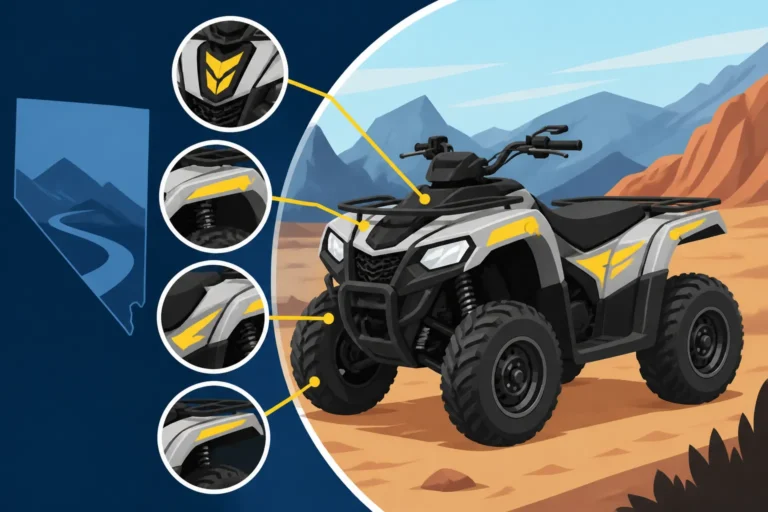
Once you arrive at the licensed OHV dealership with your machine and all your paperwork, the inspection itself is usually a fairly quick process. The authorized dealer employee – often a service technician or a sales manager designated for this task – will physically locate the VIN on your off-highway vehicle. VINs are typically stamped on the frame, sometimes near the steering column, on the engine casing, or on a sticker affixed to a main structural component. They might also check other identifying numbers, such as the engine number, though the VIN is the primary focus.
The inspector's job is to carefully compare the VIN they see on your machine with the VIN listed on your title, bill of sale, or other proof of ownership documents. They're looking for an exact match. They'll ensure there are no signs of tampering, alterations, or discrepancies between the physical machine and the paperwork. This physical verification is the core of the process. Once they've confirmed the numbers match and everything appears legitimate, they will sign and complete the designated "VIN Verification" section on your Nevada OHV-001 Application for Registration form. Sometimes, they might even provide a separate inspection certificate or stamp your form. This signed document is your golden ticket, proving that the VIN has been properly verified by an authorized party.
Fees and Follow-Up After the Inspection
Let's talk about the practicalities of cost and what to do next. While the state doesn't directly charge for the VIN inspection itself, an authorized dealer is performing a service, and they may charge a fee for their time and expertise. This fee can vary from dealer to dealer. It's always a good idea to call ahead and ask about their policy and any associated costs before you bring your OHV in. Some dealers might offer it as a courtesy for customers, while others will have a set fee. Keep in mind that some dealers also add a small administrative fee, which the state allows for processing your paperwork later. This is what [What Nevada's $2 Dealer Submission Fee Pays For] covers, in addition to the actual registration process if you complete it with them.
Once you have your OHV-001 form signed and dated by the licensed OHV dealer, you're ready for the next step: submitting your registration application. You'll take your completed OHV-001 form (with the VIN verification signature), your proof of ownership (title, bill of sale), and any other required documents to the Nevada DMV. You can often do this at a full-service DMV office, or sometimes through the dealer directly if they offer that service. Remember, Nevada typically gives you [Nevada's 30-Day Clock After You Take Ownership] to get your machine registered, so don't delay after getting that inspection done! You've cleared a major hurdle, so keep that momentum going to get your decal.
Common Pitfalls and Troubleshooting Your VIN Inspection
Even with all the right information, sometimes things don't go exactly as planned. Let's look at a couple of common issues you might encounter during the VIN inspection process and how to navigate them.
When the VIN is Missing, Obscured, or Doesn't Match
One of the most frustrating scenarios is encountering a problem with the VIN itself. What if it's rusted, faded, or simply not legible? Or worse, what if the VIN on the machine doesn't quite match your paperwork? If the VIN is obscured or unreadable, the inspector might not be able to complete the verification. In such cases, you might need to try and clean the area, or if it's truly unreadable, you'll have a bigger hurdle to clear with the DMV, potentially requiring a VIN assignment process, which can involve more extensive verification or even a law enforcement investigation to rule out theft.
If the VIN on your machine doesn't match the VIN on your title or bill of sale, that's a red flag. The dealer cannot simply sign off on it. This could be a clerical error on the paperwork, or it could indicate a more serious issue like a stolen vehicle or a "re-VIN" situation. If it's a simple typo on a bill of sale, you might be able to get the seller to correct and re-sign it. If it's on the title, it becomes much more complicated and might require a visit to the DMV's compliance division to investigate. This highlights the importance of checking the VIN carefully yourself before you even complete the purchase, especially when [Registering an ATV Bought From a Nevada Private Seller]. Always compare the VIN on the physical machine to the VIN on the title or bill of sale before handing over your money!
Choosing the Right Dealer and Avoiding Hassle
Not all licensed vehicle dealers are created equal when it comes to OHV VIN inspections. While a dealership might sell cars or trucks, they might not be set up or authorized to inspect off-highway vehicles, or their staff might not be familiar with the OHV-001 form. This is why it's crucial to be proactive when selecting where to go. Don't just show up at the closest auto dealership.
Instead, look for dealerships that specifically sell ATVs, UTVs, or dirt bikes. These are your best bet. Call them ahead of time and clearly state that you need a VIN inspection for OHV registration on your specific type of machine (quad, UTV, etc.). Ask if they perform these inspections, what their fee is, and if you need an appointment. By doing your homework, you can avoid driving around to multiple locations only to be turned away. Some smaller towns might have limited options, but major areas like Las Vegas, Reno, and other larger communities will have several dedicated OHV dealers. Finding the right dealer that understands [Nevada OHV VIN Inspection Requirements] will make your process much smoother and get you out on those beautiful Nevada trails much faster.
| Aspect | Licensed OHV Dealer Inspection | Law Enforcement Officer Inspection |
|---|---|---|
| Convenience | Generally higher; dedicated service, can often walk-in or appoint | Lower; dependent on officer availability, may require wait |
| Cost | May charge a service fee (variable by dealer) | Typically no charge for the inspection itself |
| Availability | During business hours, specific to OHV dealerships | Varies widely by department; less predictable |
| Process | Familiar with OHV-001, quick verification, often onsite | May require bringing machine to station, less common for OHVs |
| Required Forms | Will sign Section A of OHV-001 | Will sign Section A of OHV-001 |
| Best For | Out-of-state machines, private party purchases, general registration | When a dealer is unavailable, or you have direct access to an officer |
Disclaimer
This article is for general informational purposes only and does not constitute professional advice. Laws, prices and regulations vary by location and change over time. Consult a qualified professional for guidance on your specific situation.