Nellis Dunes for Beginners
Nellis Dunes can look like an easy place to try an ATV or UTV, especially when the Las Vegas skyline is nearby. But loose sand, uneven ground, dust, and other riders can make a first trip feel overwhelming. This guide explains how beginners can prepare, choose manageable terrain, stay oriented, and ride more confidently without treating the dunes like a paved track.
What beginners should expect at Nellis Dunes
The terrain is more varied than it looks
Nellis Dunes is an off-highway riding area near Las Vegas, not one broad, uniform stretch of soft sand. You may encounter sandy slopes, hard-packed ground, rocky patches, uneven washes, and routes that change as tires and weather reshape the surface. A route that looks gentle from the parking area can become steeper or looser farther along.
That variety is part of the appeal, but it can catch new riders off guard. Sand can slow a machine and make steering feel less precise, while rocks and abrupt changes in the ground can jolt a rider who is looking only at the trail immediately in front of the vehicle. Start with terrain you can comfortably see and read rather than following another rider over a rise just because they made it look easy.
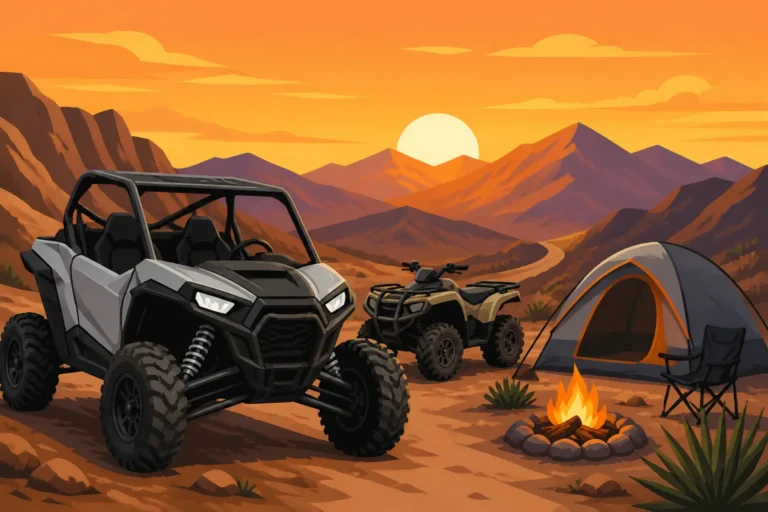
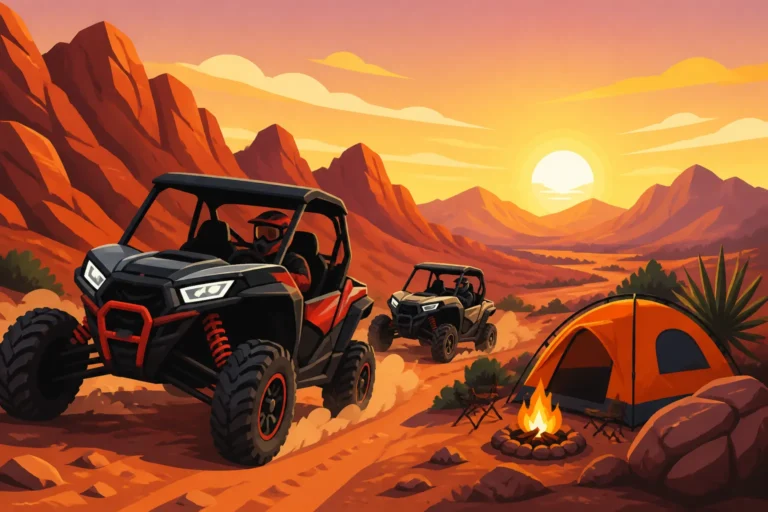
The dunes are also a shared riding area. You may meet ATVs, side-by-sides, motorcycles, trucks, or other visitors, and dust can make it harder to judge how close they are. For a first visit, choose a quieter time if your schedule allows, leave extra room between machines, and be ready to pause when visibility drops. [Nellis Dunes and the Las Vegas Skyline] offers more context about the area’s setting.
Choose a small first goal
It is tempting to plan a long ride and explore as much as possible on your first day. A more comfortable goal is to learn the machine, ride a short section of manageable terrain, and return while you still feel alert. If you are riding with a group, tell everyone beforehand that you want to take a conservative pace. That makes it easier to stop, regroup, or turn around without feeling pressured to keep up.
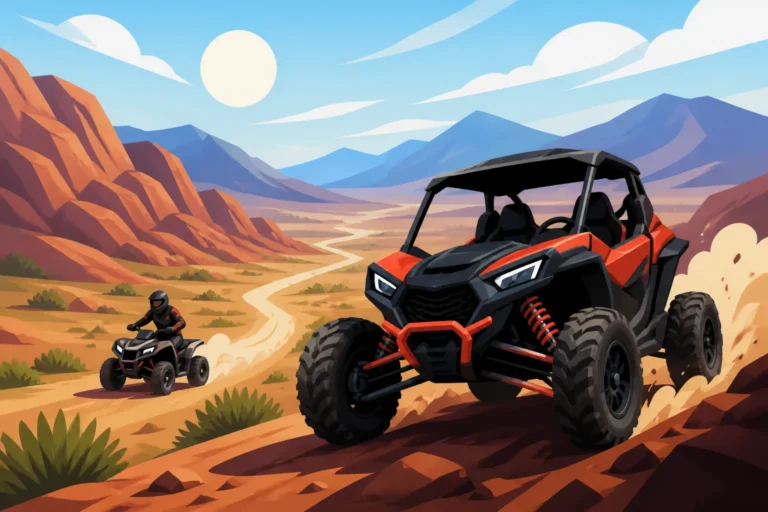
Pay attention to how the machine responds as the ground changes. Notice whether the tires feel like they are sinking, whether the steering becomes heavier, and how much space you need to slow down. Build confidence gradually instead of testing your limits on the first slope you see. Beginners can also look at [Nellis Dunes for Beginners] as a companion topic for thinking through a simple first outing.
A short practice loop can reveal practical issues before you are far from the vehicle or trailer. You might discover that your goggles fog, your gloves rub, your passenger is uncomfortable, or you need to adjust how you sit on a machine. Sorting those things out near the starting area is much easier than realizing them after a long ride.
Plan your route and ride within your limits
Check access and route information before leaving
Do not assume that every visible track is an appropriate or open route. Boundaries, closures, land status, and access conditions matter, particularly around a riding area near military property and other managed land. Stay out of restricted areas, obey signs, and use established routes where required. If a route or boundary is unclear, stop and check rather than guessing.
A mapping tool such as onX Offroad can help you review a route in advance and keep a sense of where you are while riding. It is useful to download or save the information you need before leaving reliable cell service, but a map app should not replace posted signs, land-management information, or common-sense judgment. Check the map before setting out, then confirm that the route on the ground matches what you planned.
Decide where your group will meet if riders become separated. A simple plan—such as returning to the same staging area or stopping at a clearly agreed point—can prevent confusion. You can use onX Offroad to discuss a planned route with your group, but keep the plan simple enough that everyone can remember it without staring at a screen while moving.
Use a beginner-friendly riding approach
For a new rider, smooth and deliberate inputs are usually more useful than sudden corrections. Keep your eyes up and scan ahead for changes in slope, softer sand, rocks, and other traffic. Look where you want the machine to go rather than fixating on an obstacle directly in front of the tires. If you are unsure about a section, stop in a safe place and decide whether it is within your ability.
On loose ground, avoid copying another rider’s speed or line without thinking. Their machine, experience, and comfort level may be different from yours. Give yourself room to maneuver, avoid crowding the machine ahead, and do not stop in a spot where approaching riders have little time to see you. If dust obscures your view, slow down or pull over somewhere visible and safe until it clears.
New UTV drivers should take time to understand the vehicle’s controls, seat belts, visibility, and turning space before heading into uneven terrain. ATV riders should be equally mindful of body position and balance, and should not carry a passenger unless the machine is designed for one. A beginner can get plenty out of a cautious ride; there is no need to climb the steepest dune or push into deep sand to make the outing worthwhile.
Prepare your machine, paperwork, and supplies
Do a practical pre-ride check
A quick check before unloading can help prevent a small problem from becoming a difficult recovery. Look over the tires, brakes, steering, controls, fuel, and visible fasteners. Confirm that the machine starts and responds normally, and make sure any protective equipment fits before you head away from the staging area. If you rent, ask the provider to explain the controls and what to do if the machine gets stuck or develops a problem.
Bring water, sun protection, eye protection, and clothing suited to dust and changing conditions. A basic tool kit and a way to contact your group can also be useful. Keep essentials secured so they do not bounce loose over rough ground. Do not count on finding water or supplies once you are riding; plan to carry what you need for the length of your outing.
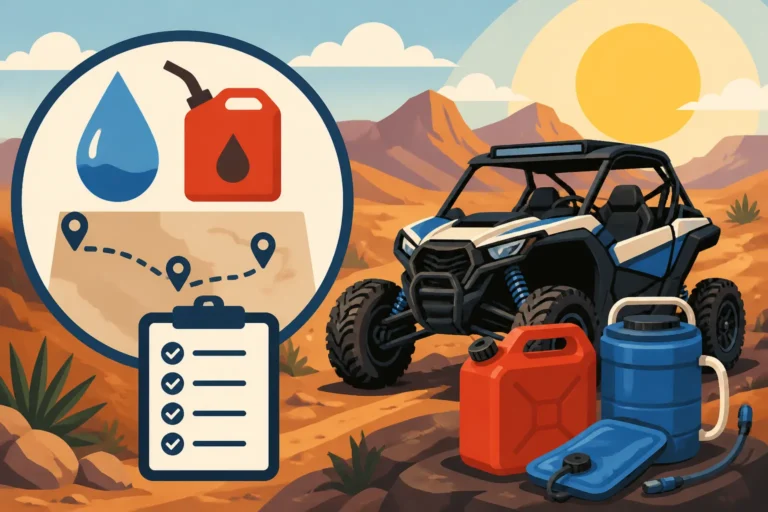
The desert can be demanding even when the ride itself is short. Take breaks before you feel exhausted, and pay attention to signs that you or someone in your group needs to stop. If conditions are especially hot, windy, or dusty, shorten the ride or choose another day. [Nevada Desert Riding in Summer Heat] and [Water and Fuel Planning in Nevada] can help you think through those conditions.
Confirm registration and documents
Before riding on public land, check that your machine has the registration or decal required for your situation. Requirements can differ for Nevada residents, visitors, rented machines, and machines registered in another state. Do not assume a sticker from home automatically covers every Nevada requirement. [Nevada OHV Permits Explained] and [Nevada OHV Reciprocity With Other States] are useful starting points for understanding the rules that may apply.
Keep the documents you may need accessible and protected from dust and moisture. A phone photo can be a handy backup, but it is sensible to carry required paperwork in a secure place as well. Make sure the machine’s decal is displayed as required and remains readable. For practical advice on keeping documents usable out on the trail, see [Carrying Documents in a Dry Bag].
If you are renting, ask what paperwork the rental company handles and what you are expected to carry. Clarify the permitted riding area, fuel expectations, passenger rules, and what to do after a breakdown before leaving the counter. These details can affect your route choices just as much as your riding ability.
A simple first-trip plan for Nellis Dunes
Before you go
Use this checklist to make the day feel more manageable:
| Before the ride | What to do |
|---|---|
| Check access | Review current land information, posted notices, and route boundaries |
| Choose a modest plan | Pick a short outing and agree on a turnaround point |
| Check the machine | Inspect tires, controls, brakes, fuel, and safety equipment |
| Confirm paperwork | Check the registration or decal rules for your machine and situation |
| Prepare for dust | Bring eye protection, water, sun protection, and suitable clothing |
| Set a group plan | Agree on meeting points and what to do if riders get separated |
If you are new to the area, avoid leaving the staging area with an unclear destination. Open onX Offroad or another map tool before you ride, review your route, and save what you need for offline use if that option is available. Then put the device away while moving and focus on the terrain and surrounding riders.
During and after the ride
Start slowly and stop whenever you need a moment to assess the ground. If a hill, wash, or soft patch looks beyond your comfort level, turn around or choose another route. There is no shame in making a conservative call; a good first trip is one where you finish safely and know what you would like to practice next time.
Keep a comfortable distance from other riders and slow down when visibility is limited. If someone in your group gets stuck, do not rush into a recovery without checking the surrounding terrain and agreeing on a safe plan. A machine can shift suddenly in soft sand, and a poorly planned pull can create a new hazard. If you are unsure what to do, ask an experienced rider or follow the rental company’s instructions.
Before packing up, check that everyone and every machine is accounted for, collect your belongings, and leave the area as you found it. Later, make a note of what worked: the route you chose, how much water you used, whether your gear stayed comfortable, and where you felt uncertain. If you use onX Offroad to save a route or mark a point, that record can help you plan a more confident return without turning the next ride into a race to cover more ground.
Disclaimer
This article is for general informational purposes only and does not constitute professional advice. Laws, prices and regulations vary by location and change over time. Consult a qualified professional for guidance on your specific situation.