Nevada Riding Areas That Charge a Fee
A riding day can get confusing when the trail itself looks free but the recreation area has a fee station, camping charge, or separate permit requirement. This guide explains where Nevada riders are most likely to pay, what a fee may cover, and how to check the details before unloading your ATV or UTV.
Which Nevada riding areas charge a fee
Sand Mountain is the main pay-to-ride example
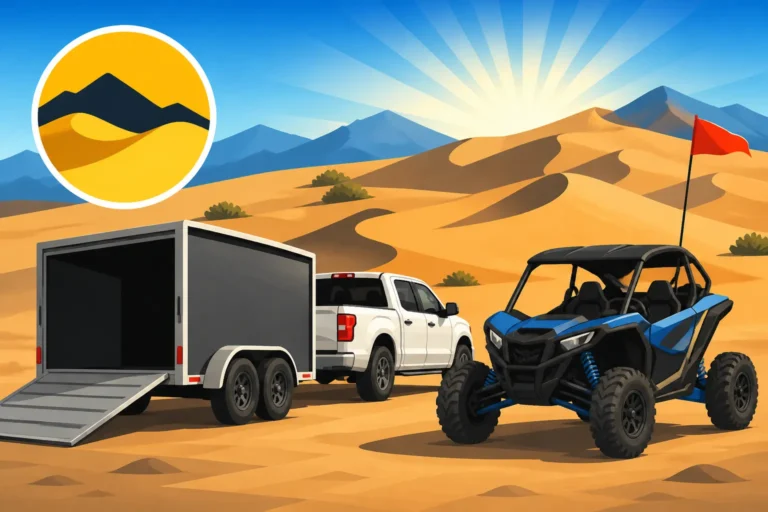
Sand Mountain Recreation Area, near Fallon and US 50, is Nevada’s best-known destination where riders should expect a recreation fee for using the area. It is a large dune complex with marked routes and open riding opportunities, so the pass is part of trip planning—not an optional extra to figure out after you arrive. For an overview of the landscape, start with [Sand Mountain: Nevada's Great Basin Dune] and [Sand Mountain's 4,795 Acres].
The fee is tied to recreation-area use. It is not a replacement for your machine’s registration, and it does not automatically cover every possible cost, such as camping or services provided by a private business. Check the current fee instructions and payment options before traveling. Conditions and practical details can change, and arriving without a way to pay can turn a much-anticipated ride into an avoidable delay.
It also helps to plan for the basics. Sand Mountain is a remote desert destination, and services are limited compared with a town or developed campground. Review [Sand Mountain Day Use Hours] and [Camping at Sand Mountain Without Water] before deciding whether to make a quick day trip or stay overnight. Bring enough drinking water, fuel, and supplies for your group rather than counting on finding them at the riding area.
Fees depend on what you are doing
A fee at an OHV destination may apply to riding access, day use, camping, a special event, or a guided activity. Those are different things, even when they happen in the same general area. A ride-area pass, for example, should not be assumed to include a campground reservation or an event permit.
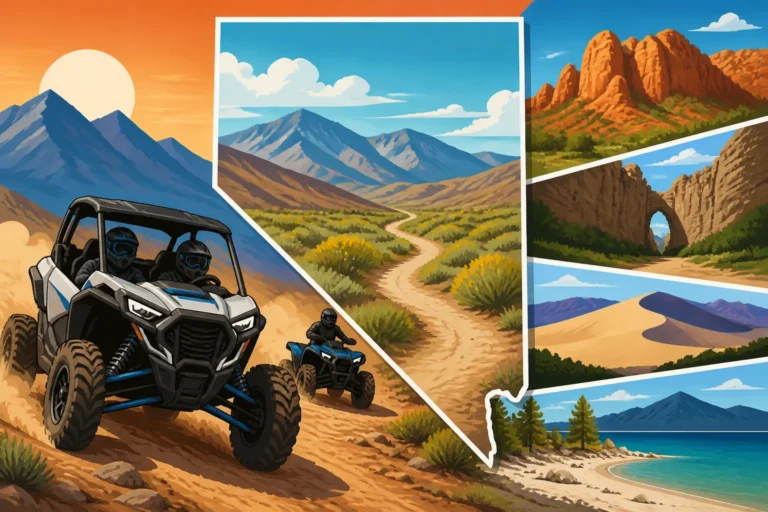
Sand Mountain is the clearest example of a riding area with a pass requirement. Elsewhere, a rider might encounter fees for a developed campground or a separately managed recreation site without paying a dedicated riding fee. Private riding venues and guided tours may also charge for their own access, equipment, or services. The relevant question is not simply “Is this trail free?” but “Who manages this place, and what exactly does the charge cover?”
That distinction is useful when comparing Sand Mountain with nearby options. [Why Sand Mountain Charges and Logandale Does Not] explores why two popular Nevada riding destinations can have different fee arrangements. For more places to consider when you want to avoid a riding-area fee, see [Free Places to Ride an ATV in Nevada]. Free access does not mean every part of a trip is cost-free: camping, fuel, lodging, or an organized activity may still involve separate charges.
Organized rides can have different permit rules
A personal ride and an organized group event are not always treated the same way. A club poker run, competition, or other organized activity on public land may require authorization beyond the registration carried by individual riders. Event organizers should contact the relevant land manager well ahead of time rather than assuming that everyone’s decals or passes settle the permit question.
For a closer look at this separate kind of authorization, read [BLM Special Recreation Permits in Nevada]. A special recreation permit is not the same thing as a routine rider pass: it addresses a particular organized or commercial use of public land. The organizer should confirm the requirements for the event’s location, format, and activities directly with the managing agency.
What a riding fee does and does not cover
A recreation pass is not vehicle registration
Nevada riders often need to keep two separate requirements straight: registration for the OHV and any fee or pass required by the place they are visiting. The state decal serves as the registration and trail-permit credential described in [Nevada's $20 Decal Is the Permit]. A recreation-area fee, where required, is separate from that state requirement.
This matters at a trailhead. A rider may have the correct decal and still need to pay an area-use fee. On the other hand, paying an area fee does not make an unregistered machine compliant. If you are riding with a group, check each machine’s paperwork and the destination’s access rules before the trip; it is easy to assume that one payment covers everything when it does not.
Keep proof of payment and registration accessible. A phone photo can be useful as a backup, but a dusty ride, low battery, or poor reception can make digital records awkward to retrieve. Store the original documents in a sealed bag or another protected spot, and follow the site’s instructions for displaying or carrying proof.
Read the fee instructions before you arrive
Before leaving home, confirm where payment is made, what payment methods are accepted, and whether you need to buy a pass in advance. [Buying a Sand Mountain Pass Before You Arrive] is a useful place to start when Sand Mountain is on your itinerary. Do not rely only on an old screenshot, a friend’s memory, or a social post; posted instructions and fees can change.
Check whether the pass applies to the vehicle, the visit, or another unit defined by the area’s rules. Also look for instructions about displaying a receipt or pass, day-use hours, camping, and closures. If you are traveling during a holiday weekend, build in extra time for the fee process and expect busier access points.
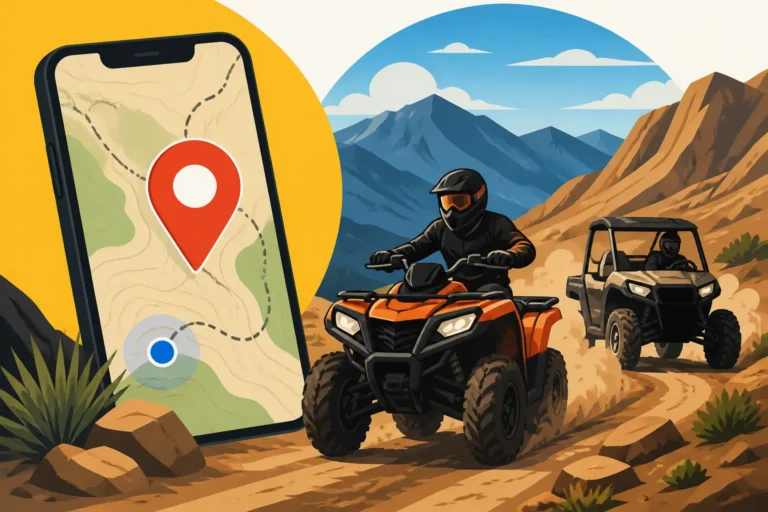
A map app can help you plan the approach and understand the surrounding roads, but it is not the final authority on closures or payment rules. Some riders use onX Offroad to review routes and identify access points before a trip. Use it as a planning aid, then confirm current access and fee instructions with the land manager. A second look at the official information is especially worthwhile when your route crosses more than one type of land.
| What you may be paying for | What to check before the ride |
|---|---|
| Riding-area access | Whether a pass is required for your destination and how to pay |
| Camping | Whether camping is included or handled separately |
| Organized event | Whether the organizer needs a permit or additional authorization |
| Guided ride or rental | What the operator includes and which areas are allowed |
| OHV registration | Whether each machine has the required state registration and decal |
How to plan a fee-based Nevada ride
Build the fee check into your trip checklist
A little preparation saves the frustrating moment of reaching a fee station and discovering that your group has different assumptions. Before departure, write down the destination, its land manager, the required pass or permit, payment instructions, and any separate camping costs. If you are visiting Sand Mountain, the related guides [Does an Annual Pass Beat Weekly Ones?] and [Sand Mountain Day Use Hours] can help you think through the type of visit you are planning.
Then check the route itself. A riding area may have a defined entrance, posted boundaries, or closures that are not obvious from a general map. onX Offroad can help you examine route options and keep a planned track handy, including when you prepare offline maps before leaving cell coverage. Still, confirm land access and current restrictions through the responsible agency. A mapped line is not a guarantee that a route is open or that riding is allowed on every parcel it crosses.
For a weekend trip, consider the whole cost rather than just the pass. Fuel, food, camping, vehicle preparation, and a backup plan all affect the real budget. If the fee is small compared with the drive and overnight costs, learning the rules ahead of time can be worth more than trying to improvise at the entrance.
Compare paid access with free alternatives honestly
A free riding area can be a good fit, but “free” does not necessarily mean easier or better for every rider. You may need to do more work to verify where riding is allowed, find suitable staging, or plan around a lack of facilities. A destination with a fee may offer managed access or developed amenities, but the specific services vary, so check rather than assuming they are included.
Compare options based on your actual priorities: distance from home, terrain, vehicle type, camping needs, available facilities, and how much route planning your group is comfortable doing. A family taking a first dune trip may value a straightforward access process and clear information. A more experienced group might prefer a different area, provided everyone understands the route boundaries and land-use rules.
onX Offroad can be useful during this comparison because it helps riders look at potential routes and nearby access points. Use that planning alongside agency information and local signage. If two maps appear to disagree, do not treat the more convenient route as permission to ride; verify the route with the land manager before heading out.
Confirm the rules again close to departure
Make one final check shortly before you leave. Look for updated access notices, fire restrictions, weather-related closures, payment guidance, or changes to operating hours. Nevada’s desert conditions can shift quickly, and a route that worked on a previous visit may not be suitable after storms, maintenance, or a land-management change.
For Sand Mountain, confirm the pass process, access details, and day-use information using current official instructions. If you are planning an event, a guided activity, or a trip that involves several jurisdictions, contact the relevant office or operator directly. Keep the answers with your trip notes, especially if someone else in your group is handling arrival or payment.
Finally, make sure everyone knows the difference between the machine’s registration and the area’s fee. That simple conversation helps prevent confusion at the staging area and makes it easier to deal with a ranger or site employee if a question comes up. onX Offroad can remain part of your route-planning toolkit, but pair it with current access rules, posted signs, and the right paperwork for the ride.
Disclaimer
This article is for general informational purposes only and does not constitute professional advice. Laws, prices and regulations vary by location and change over time. Consult a qualified professional for guidance on your specific situation.