Nevada Rules for Riding a Canal or Levee Road
There's something uniquely inviting about a canal or levee road, isn't there? They often wind through beautiful, remote parts of Nevada, seeming like a perfect shortcut or a scenic detour for your ATV or UTV. But before you point your machine down one, it’s crucial to understand that these aren't just any dirt roads. Many riders get hit with citations because they didn't realize these paths have very specific rules, often tied to their purpose and ownership. This guide will cut through the confusion and explain exactly when and where you can legally ride your off-highway vehicle on Nevada's canal and levee roads.
Understanding the Nature of Canal and Levee Roads in Nevada
When you're out exploring the vast landscapes of Nevada on your ATV or UTV, it’s easy to come across a dirt track running alongside a canal or atop a levee and think, "Score! A new trail!" But the reality of these pathways is often far more complex than a typical recreational trail. They exist for very specific, non-recreational purposes, and understanding that distinction is your first line of defense against an unwelcome interaction with law enforcement or a water district official.
Who Owns and Manages These Roads?
Unlike a public county road or a designated trail on Bureau of Land Management (BLM) property, canal and levee roads are almost always under the jurisdiction of specific entities. In Nevada, this typically means a water conservancy district, an irrigation district, or sometimes a federal agency like the Bureau of Reclamation. These organizations build and maintain these roads solely to access, inspect, and repair critical water infrastructure – canals, pipes, pumps, gates, and other crucial components of Nevada's water delivery system.
Think of it this way: these aren't scenic routes; they're utility corridors. The entity that owns or manages the water infrastructure owns or manages the access road. This also means their rules, not necessarily general OHV laws, govern who can be on them. You might even find some are privately owned, providing access to ranches or agricultural operations that rely on irrigation. So, while it might look like open desert, the land you’re riding on is often somebody's vital workspace, not a recreational playground.
The "Road" Versus "Access Way" Distinction
This is where a lot of confusion, and subsequent problems, arise for off-highway vehicle riders. What looks, feels, and rides like a road to you might not be legally classified as such in the eyes of the managing authority. Many canal and levee paths are considered "access ways" or "maintenance roads," which means their primary legal purpose is restricted to authorized personnel and vehicles performing official duties. They aren't "public roads" in the sense that anyone can drive or ride on them.
Even if a dirt track is well-maintained and appears to be heavily used, it doesn't automatically grant public access. A true public road has a dedicated right-of-way, often maintained by a county or state, and is generally open to all legal vehicles unless specifically posted otherwise. An access way, however, can be closed to the public at the discretion of the owner or manager, even without a physical barrier. It's a subtle but critical difference that can determine whether your ride is a pleasant adventure or an illegal trespass. Don't fall into the trap of assuming that because it "looks open," it is, in fact, open for your enjoyment.
Navigating Legal Access: When Can You Ride?
So, if these roads aren't automatically open, how do you know when and where you can legally ride your OHV? It comes down to a combination of looking for clear directives, doing your homework, and sometimes, directly asking for permission. This isn't about guesswork; it's about respecting property rights and avoiding legal headaches.
Posted Signs and Their Meaning
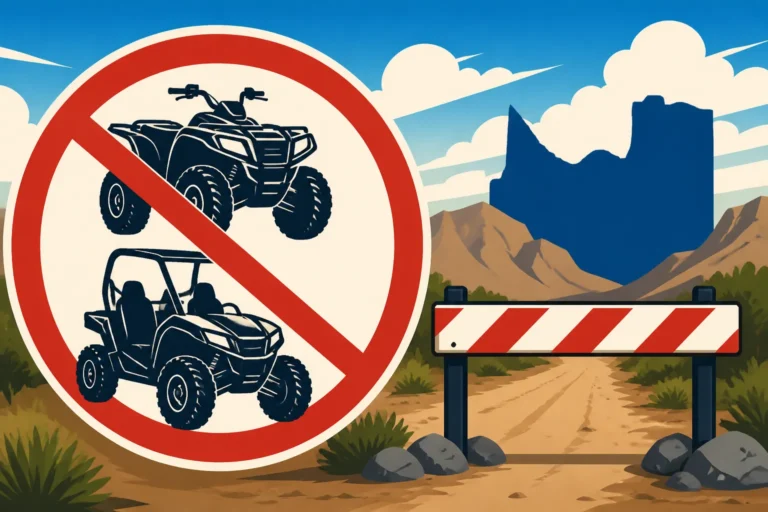
The most obvious and legally binding indicators of access are posted signs. If you see signs that explicitly state "No Trespassing," "Authorized Personnel Only," "Private Property," or even signs indicating the name of a specific water district (e.g., "Truckee-Carson Irrigation District – No Public Access"), you need to turn around. These signs are not suggestions; they are legal warnings. Ignoring them can lead to citations, fines, or even having your machine impounded for trespassing.
It's tempting to think, "Oh, it's just a little road, who's going to care?" But water districts often have their own security patrols, and local law enforcement deputies routinely patrol these areas, especially in remote regions. They are aware of the importance of this infrastructure and the need to protect it. Remember, an open gate doesn't negate a "No Trespassing" sign. Always err on the side of caution. If there's a sign, heed it.
Obtaining Permission or Permits
In some very specific circumstances, you might be able to gain legal access to a canal or levee road by obtaining explicit permission or a permit from the managing authority. This isn't a guaranteed option, but it's worth exploring if a particular route is essential for your travel or access. For example, if you own property that can only be accessed via such a road, you would typically work with the district for an access agreement.
For recreational purposes, blanket permits are rare, but it's not impossible for a local water district to have a policy for specific, limited public access. Your best bet is to contact the relevant water district or federal agency (like the Bureau of Reclamation) that manages the particular canal or levee road you're interested in. Explain your intentions, and politely inquire about their policies for OHV use. Be prepared for a "no," but you might be surprised to find they have a designated route or a process for special requests. Never assume you have permission without a clear, written agreement.
Public Access Easements and Designated Routes
While most canal and levee roads are off-limits for general recreational riding, there are exceptions. Sometimes, a section of a canal or levee road might coincide with a public access easement or be integrated into a larger, officially designated OHV trail system. These are typically rare and well-marked. For instance, parts of [The Silver State Trail and Four Nevada State Parks] might utilize existing utility corridors, but these would be clearly identified as part of the recreational trail.
The key here is "officially designated." Don't rely on old maps, hearsay, or the mere appearance of a trail. Always consult up-to-date official maps from the BLM, Forest Service, or the [Nevada Trail Finder] website. These resources will show you legally designated OHV routes and can help you avoid inadvertently trespassing. If a canal or levee road is part of such a system, it will be clearly signed and delineated as an OHV route. Without that clear designation, assume it's private or restricted access. Many riders even install extra lighting or turn signals from brands like SuperATV to ensure they are highly visible when navigating these areas, especially where shared use might occur, even if briefly.
Operational Considerations and Best Practices
So, let's say you've found a canal or levee road where you genuinely have permission or it's part of a designated OHV route. Fantastic! But your responsibilities don't end there. Riding these specific types of pathways requires extra care and consideration beyond what you might practice on a typical desert trail. They are, after all, still utility corridors, and respecting their primary function is paramount.
Respecting Infrastructure and Natural Resources
When riding on or near canal and levee roads, remember you are in a highly sensitive area. The infrastructure itself – the canals, pipes, pumps, culverts, and headgates – are vital. Avoid riding on the very edge of canal banks, as this can cause erosion, compromise the integrity of the bank, and potentially lead to a dangerous rollover into the water. Never approach or tamper with any equipment, even out of curiosity. Damage to these systems can be incredibly costly and disruptive, impacting water delivery to farms, homes, and businesses.
Beyond the physical infrastructure, these areas often host unique natural resources. Water sources, even artificial ones, can attract wildlife. Be mindful of disturbing animals, especially during sensitive breeding or nesting seasons. Avoid leaving any trash behind; pack it in, pack it out. And always ensure your machine is equipped with a functional [Spark Arresters on Nevada Roads] to prevent accidental fires, a critical concern in Nevada's arid environment. The last thing you want is to be responsible for a fire near a water source that's already under pressure.
Safety and Visibility
Canal and levee roads present their own unique safety challenges. They are often narrow, with steep banks or drop-offs, and may not have the wide, graded shoulders of a typical dirt road. Washouts from heavy rains or irrigation leaks can create unexpected hazards, making the terrain unpredictable. Additionally, you might encounter slow-moving maintenance vehicles or heavy equipment around blind corners or crests. These vehicles are there to work, not necessarily to look out for recreational riders.
Always wear appropriate safety gear, including a helmet, even if you're just on a short jaunt. While [Nevada Helmet Rules Off-Road Versus On-Road] might differ, a helmet is always a smart choice. Consider adding safety flags or whips to your UTV, especially if the road has limited visibility. Dust can be a major issue, so maintain safe following distances and be prepared for reduced visibility. Good aftermarket lighting from companies like SuperATV can also significantly improve your visibility to others, particularly if you're riding near dawn or dusk when maintenance crews might be starting or ending their shifts.
The Risk of Enforcement and Penalties
Let's be blunt: riding where you shouldn't on a canal or levee road can lead to some serious repercussions. Water district personnel, local deputies, or even BLM rangers (if the land is federal) have the authority to issue citations for trespassing. These fines can be substantial, and repeated offenses can escalate to more severe penalties. Ignorance of the rules is never a valid defense, especially when signs are clearly posted.
Beyond fines, there's the risk of having your vehicle impounded. Imagine your UTV being towed away from a remote levee road, leaving you stranded and facing towing fees in addition to the legal penalties. Always have your [Nevada OHV Registration Paperwork Checklist] completed and your proof of ownership handy. Knowing the rules and adhering to them is the easiest way to ensure your ride stays enjoyable and doesn't turn into an expensive lesson. Remember, the goal of these patrols isn't to ruin your fun, but to protect vital infrastructure and prevent accidents.
Comparing Canal Roads to Other Nevada OHV Riding
It's helpful to put canal and levee roads into perspective by comparing them to other types of OHV riding experiences in Nevada. Understanding these differences can further clarify why these specific access ways have such stringent rules and why a cautious approach is always best.
Differences from Designated OHV Trails
Designated OHV trails, like those found at [Logandale Trails Outside Las Vegas] or the popular dunes at [Sand Mountain: Nevada's Great Basin Dune], are built and maintained specifically for recreational riding. They are mapped, often rated for difficulty, and designed to minimize environmental impact while maximizing rider enjoyment. They have clear entry and exit points, and sometimes even amenities like restrooms or staging areas. When you ride a designated trail, you know you're in a place where your type of activity is expected and welcomed, provided you follow the posted rules.
Canal and levee roads are the opposite. They are not designed for recreation. They lack trail markers, difficulty ratings, or any recreational infrastructure. Their purpose is utility, not play. This means they are often less forgiving, less safe due to their narrowness and potential for hidden hazards, and you are far more likely to encounter official vehicles than fellow recreational riders. They require a completely different mindset and level of vigilance than a purpose-built trail system.
Differences from Open BLM Land
Much of Nevada's landscape is managed by the Bureau of Land Management, and a good portion of [Riding BLM Land in Nevada] is open to responsible off-highway vehicle use. You can often ride on existing routes, dry lake beds, and designated open areas. However, even on vast tracts of BLM land, canal and levee roads usually fall under special restrictions due to the infrastructure they support. The BLM often has specific "travel management plans" that identify open routes, restricted areas, and closed routes.
A canal or levee road, even if it traverses BLM property, might still be considered a "closed route" or "limited use" area because of its association with water infrastructure. Just because you're on federal land doesn't mean you have free rein to ride every track you see. It's always essential to check detailed BLM travel maps for the specific area you plan to ride. These maps will delineate open roads and trails from areas where OHV use is restricted or entirely prohibited. Without explicit indication that a canal or levee road is an open OHV route on BLM land, assume it is not. Equip your machine with reliable navigation from SuperATV or another trusted brand to ensure you stay on legal routes.
| Feature | Canal/Levee Roads (Typically) | Designated OHV Trails (Typically) |
|---|---|---|
| Primary Purpose | Maintenance, utility access | Recreational riding |
| Ownership/Mgmt. | Water districts, federal agencies, private | BLM, USFS, State Parks, local gov. |
| Legal Access | Restricted, authorized personnel only, permits rare | Generally open, clearly marked |
| Signage | "No Trespassing," "Authorized Only" | Trail markers, difficulty ratings, rules |
| Amenities | None | Staging areas, restrooms, maps, kiosks (some) |
| Hazards | Narrow, washouts, equipment, unmapped | Marked obstacles, planned challenges |
| Enforcement | Water district security, local law enf. | BLM rangers, park rangers, local law enf. |
| Safety Gear | Critical, high vigilance | Highly recommended, often mandatory |
This article is for general informational purposes only and does not constitute professional advice. Laws, prices and regulations vary by location and change over time. Consult a qualified professional for guidance on your specific situation.