Moving a California Green Sticker Machine to Nevada
Moving from California to the wide-open spaces of Nevada often comes with the excitement of new trails and landscapes, but for many off-road enthusiasts, it also brings a headache: what exactly do you do with that California Green Sticker machine when you cross the state line? This guide is here to walk you through the specifics of registering and titling your off-highway vehicle (OHV) in Nevada once you've made the move, ensuring a smooth transition from California's system to the Silver State's requirements.
Understanding California's Green Sticker System
Before we dive into Nevada's rules, it's helpful to briefly understand what that California Green Sticker represents, because it's fundamentally different from what Nevada does. In California, the Green Sticker program is primarily a registration program managed by California State Parks, not their Department of Motor Vehicles (DMV), for off-highway vehicles that operate on public lands. It signifies that your machine is compliant with California's emissions standards and is registered for off-highway use within the state.
Think of it as a user fee and a permit to ride on designated public lands within California. It's tied to the machine itself, but it doesn't necessarily function as a traditional vehicle title in the same way a car's pink slip does. Many OHVs in California might have a Certificate of Ownership, but it's not always as robust or comprehensive as a DMV-issued title you'd find for a street-legal vehicle. This distinction becomes incredibly important when you start the process of moving your machine to Nevada, which has its own titling and registration structure.
The Role of a California Green Sticker
The Green Sticker essentially says, "This machine is allowed to operate on California's public OHV lands for the period stamped on the sticker." It's a seasonal or multi-year registration, and it helps fund off-road programs and facilities in California. For many riders, it's a familiar process – renew it every few years, stick it on your fender, and hit the trails.
However, it doesn't automatically mean your machine has a formal, DMV-recognized title, which is a common point of confusion. Some machines might have both a Green Sticker and a Certificate of Ownership, while others might just have the Green Sticker and perhaps a bill of sale as proof of purchase. When you're packing up your life and heading east across the Sierra Nevada, you'll need to gather all the ownership documents you possess, no matter how informal they might seem.
Nevada's OHV Registration Requirements for New Residents
Once you've planted roots in Nevada, your California Green Sticker is no longer valid for riding here. Nevada has its own set of rules and a mandatory OHV registration program. The good news is that Nevada generally welcomes out-of-state OHVs, but there are specific steps you need to take to make your machine legal for trail use within the state. The biggest difference you'll encounter is that Nevada issues both a title and a registration decal for most OHVs, linking ownership and usage far more directly than California's Green Sticker system.
You have a brief window to get this done. Nevada law typically gives new residents a [Nevada's Thirty-Day Registration Deadline] to register their vehicles, and this often extends to OHVs as well. It’s always best to get started as soon as possible to avoid any potential issues. Don't wait until your California Green Sticker is about to expire or you're planning your first big ride in the Silver State.
Why Your Green Sticker Won't Fly Here
Nevada's OHV program is managed by the Nevada Department of Motor Vehicles (DMV) and is distinct from California's. While both states aim to manage off-road recreation, their administrative structures and requirements differ significantly. Your California Green Sticker is a permit for California trails, and Nevada law enforcement will not recognize it as valid registration for riding on Nevada's public lands. If you're pulled over or checked at a trailhead, an expired or out-of-state registration (like your Green Sticker) could lead to a citation.
Nevada's system ensures that all OHVs operating in the state contribute to local trail maintenance, safety programs, and administrative costs. The funds collected through Nevada's OHV registration program, which includes the cost of your decal, are specifically earmarked for these types of initiatives. So, while it might feel like an extra step, it's an important one for ensuring the longevity and quality of our Nevada riding areas.
The Decal Versus the Plate Distinction
In Nevada, you'll receive a registration decal, not a license plate, for your OHV. This decal is distinct from what you might get for a street-legal vehicle. It's typically a brightly colored sticker that needs to be affixed to the left-rear side of your machine, clearly visible. This is a common question from folks moving from states that might use small plates for OHVs. Nevada's system is decal-based, and it's what local law enforcement and rangers will be looking for when you're out on the trails. You can learn more about [Why Nevada Issues a Decal and Not a Plate].
The decal itself is proof that you've completed the registration process and paid the necessary fees. It comes with an accompanying registration card that you should always carry with you when riding. This card contains important information about your machine and its registration status. For many new Nevada residents, understanding these nuances is key to a hassle-free experience on our incredible desert trails.
The Titling Process for Your Out-of-State Machine
This is often the trickiest part for new residents with a California Green Sticker machine. Nevada requires a title for most OHVs, just like it does for cars and trucks. If your machine only has a California Certificate of Ownership or a bill of sale, you'll need to go through a process to obtain a valid Nevada title. This involves proving ownership, ensuring the machine hasn't been stolen, and sometimes undergoing a physical inspection.
The Nevada DMV doesn't just want to register your machine for use; they want to officially recognize you as the owner. This helps prevent theft, facilitates legal sales, and ensures that everyone operating an OHV in the state has clear documentation of ownership. It's a critical step that you absolutely cannot skip if you plan to eventually sell your machine or want full legal protection of your asset. [Titling an Off-Highway Vehicle in Nevada] covers this in more detail.
Proving Ownership Without a Formal Title
If your California machine came with a formal Certificate of Title from the California DMV, that's great! It simplifies things considerably. You'll bring that title, along with your other documents, to the Nevada DMV. However, many California OHVs only have a Certificate of Ownership or just a bill of sale paired with the Green Sticker registration. This is where you might need to do a little more legwork.
In these cases, the Nevada DMV will need to establish a clear chain of ownership. You'll generally need a bill of sale, ideally notarized, that clearly identifies the machine by its VIN and lists both the buyer and seller. Any past registration documents, like your Green Sticker renewals, can also help. If you're missing a solid bill of sale, it's worth seeing if you can create one retroactively with the previous owner, or at least have a robust document ready. Resources like LawDepot can provide templates for bills of sale that cover all the necessary information, which can be incredibly helpful for establishing clear ownership documentation.
| Document Type | Nevada DMV Requirement | What it Proves |
|---|---|---|
| California Title | Preferred | Legal ownership from CA |
| CA Certificate of Ownership | Acceptable (with other docs) | Evidence of past registration & ownership |
| Bill of Sale | Often Required | Transfer of ownership from seller to you, details machine |
| Past Green Sticker Reg. | Supportive | History of the machine's use and your possession |
| VIN Verification | Required | Machine matches documents, not stolen |
The Importance of a Bill of Sale
Even if you have a California Certificate of Ownership, a clear, detailed bill of sale is your best friend when moving to Nevada. It should include:
- The full names and addresses of both buyer and seller.
- The sale price.
- The date of sale.
- A complete description of the OHV, including make, model, year, and crucially, the Vehicle Identification Number (VIN).
- Signatures of both parties.
If you don't have one, or if your current one is very basic, consider drafting a more comprehensive document. This is where tools like LawDepot can be beneficial; they offer customizable bill of sale templates that can help you formalize the transaction and meet Nevada's requirements for proving ownership. A well-documented bill of sale drastically streamlines the titling process and can prevent headaches down the road.
Essential Paperwork and Inspections
Getting your California Green Sticker machine titled and registered in Nevada isn't just about showing up with a few papers. There are specific forms to fill out and a mandatory inspection process that ensures the machine is what it claims to be and meets Nevada's safety standards. Gathering all your documents and understanding these steps beforehand will save you multiple trips to the DMV and a lot of frustration.
This part of the process is non-negotiable and designed to protect both the state and you as an owner. It verifies the machine's identity and ensures it's safe for public land use. Pay close attention to the details here, as skipping a step or bringing incomplete paperwork can bring your registration process to a grinding halt.
The Mandatory VIN Inspection
Every off-highway vehicle being titled or registered in Nevada for the first time, especially one coming from out of state, must undergo a VIN inspection. This is a physical verification of the machine's Vehicle Identification Number to ensure it matches your ownership documents and hasn't been altered or is not a known stolen vehicle. Unlike street-legal vehicles, the Nevada DMV will not perform this inspection themselves. This is a common point of confusion for new residents. You can read more about [The VIN Inspection Nevada DMV Will Not Do].
So, who can do it?
- Licensed Nevada OHV Dealers: Many authorized OHV dealers in Nevada offer VIN verification services. They have trained personnel who know what to look for and how to properly complete the necessary paperwork. This is often the easiest and most reliable option. You can ask [Which Dealers Can Inspect a VIN in Nevada].
- Law Enforcement Officers: You can also [Asking a Sworn Officer to Verify a VIN], such as a sheriff's deputy or a Nevada Highway Patrol trooper. However, be aware that not all officers are familiar with OHV-specific VIN locations, and their availability can vary greatly. It's often best to call ahead and schedule an appointment or ask if they have a specific procedure for this.
Once the VIN inspection is complete, the inspector will sign off on a specific Nevada DMV form (often the OHV-001 or a similar variant, depending on the scenario). This signed form is critical and must be submitted with your other registration paperwork.
Necessary Forms and Documents
When you visit the Nevada DMV or mail in your application, you'll need a comprehensive set of documents. Here’s a checklist of what you should generally prepare when [Registering an Out-of-State Machine in Nevada]:
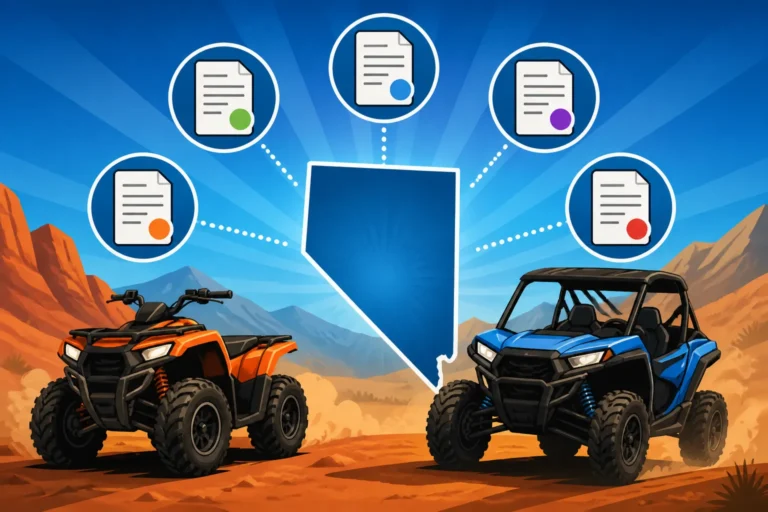
- Nevada Application for Registration (Form OHV-001): This is the primary form for OHV registration and titling. There are actually [Why Nevada Has Five Registration Applications], so ensure you select the correct version that applies to an out-of-state machine with a new title.
- Proof of Ownership: Your California Certificate of Title (if you have one), California Certificate of Ownership, and/or a comprehensive bill of sale (as discussed above, potentially created with the help of LawDepot). The more evidence you have, the better.
- VIN Inspection Form: The completed and signed form from a licensed dealer or law enforcement officer.
- Nevada Resident Proof: You'll need to show proof that you are now a Nevada resident, such as a Nevada driver's license, utility bill, or other state-recognized documents.
- Payment for Fees: Be prepared to pay the applicable titling fees, registration decal fees (which vary for one-year or three-year options), and any administrative fees. While exact numbers are subject to change, expect fees for the title, registration, and potentially a small VIN assignment fee. For instance, you can expect [Cost to Title an ATV in Nevada] and [Nevada OHV Registration Fee for One Year] or [Nevada OHV Registration Fee for Three Years].
Double-check the Nevada DMV website for the most current forms and fee schedules before you head to their office or mail your application. Having everything organized beforehand will make the process much smoother and faster.
Beyond Registration: Riding Safely and Legally in Nevada
Once your California Green Sticker machine has a shiny new Nevada title and registration decal, you're all set to explore the vast and incredible riding opportunities here in the Silver State. However, registration is just one piece of the puzzle. Being a responsible and safe rider means understanding Nevada's other OHV laws and regulations, from helmet requirements to where you can actually ride.
Nevada boasts millions of acres of public land perfect for OHV use, but it's not a free-for-all. There are rules designed to protect riders, the environment, and other public land users. Familiarizing yourself with these regulations will ensure your adventures are both thrilling and compliant.
Where to Stick Your New Decal
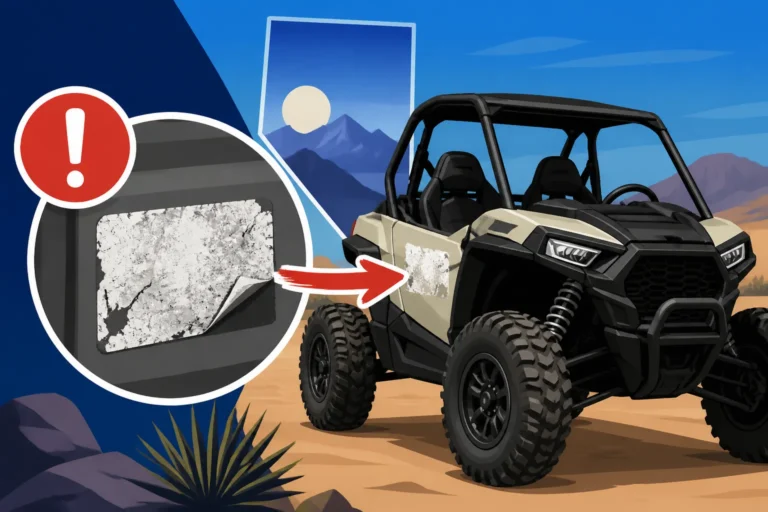
Nevada has specific rules for decal placement. For ATVs, the decal must be placed on the left rear fender, clearly visible. For UTVs or side-by-sides, it generally goes on the left rear side of the vehicle, again, in a spot where it's easy for law enforcement to see. Don't just slap it anywhere! Proper placement is part of complying with the registration requirements. You can look up [Left Side or Rear: Where the Decal Goes] for more specific guidance.
Ensure the surface is clean and dry before applying the decal for the best adhesion, especially considering the desert heat can sometimes make [Decals Peeling Off in Desert Heat] a concern. A well-placed decal will stay put for the entire registration period, signaling to any ranger or deputy that you're legal to ride.
Helmet Laws and Safety Training
Nevada has specific helmet laws for OHV riders, particularly for minors. While an ATV Safety Institute (ASI) training course isn't mandatory for adults, it's highly recommended, especially if you're new to the sport or riding a different type of machine. Nevada does not currently require adults to complete a specific safety course for OHV operation on public lands, but it does mandate that riders under 16 attend hands-on training. You can explore [Does Nevada Require an ATV Safety Course?] and [Nevada ATV Safety Certificate for Minors] for more details.
Always wear an approved helmet, eye protection, and appropriate riding gear when you're out on the trails. Our Nevada terrain can be challenging, and safety should always be your top priority. Accidents can happen quickly, even to experienced riders, so being prepared is crucial.
Knowing Where to Ride
Nevada offers incredible riding opportunities, from the expansive [Sand Mountain: Nevada's Great Basin Dune] to the technical trails of [Logandale Trails Outside Las Vegas] and the unique desert landscape of [Nellis Dunes and the Las Vegas Skyline]. However, not all land is open to OHV use. It's crucial to ride only on designated trails and open areas. Respect private property, wilderness areas, and sensitive habitats.
Before you head out, check local land management agency websites (like the Bureau of Land Management – BLM) for maps and any temporary closures or restrictions, especially during fire season. Riding responsibly helps keep these areas open for everyone to enjoy.
Disclaimer
This article is for general informational purposes only and does not constitute professional advice. Laws, prices and regulations vary by location and change over time. Consult a qualified professional for guidance on your specific situation.