Does a 70cc Machine Need Nevada Registration?
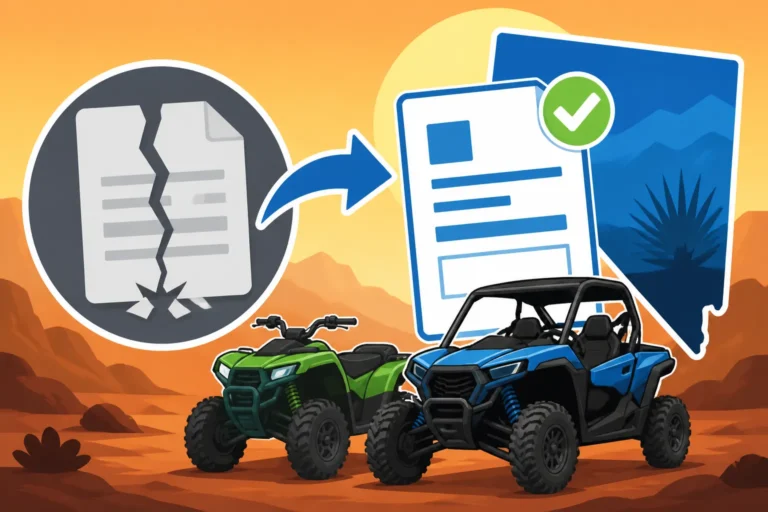
It's a common question that pops up when you're navigating the ins and outs of Nevada's off-highway vehicle (OHV) laws: what about those smaller machines? We often hear about the need to register quads, side-by-sides, and dirt bikes, but what if your machine is just a little 70cc runabout for the kids, or a mini-bike you use for quick runs around the property? This guide is here to clear up the confusion surrounding whether a 70cc machine truly needs to be registered with the Nevada DMV.
Understanding Nevada's OHV Registration Threshold
Navigating the rules for off-highway vehicles in Nevada can feel like trying to read a map with half the roads missing, especially when you're dealing with smaller machines. You want to do the right thing and stay legal, but the specifics around engine size can be surprisingly unclear if you don't know where to look. The good news is, for many of those smaller, youth-oriented ATVs and dirt bikes, Nevada actually provides a clear answer, and it often means one less thing to worry about.
The 70cc Engine Displacement Rule Explained
Nevada's OHV laws draw a distinct line in the sand, or rather, in the engine displacement, at 70 cubic centimeters (cc). If your off-highway vehicle, whether it's an ATV, dirt bike, or even a mini-UTV, has an engine that measures less than 70cc, the state considers it exempt from mandatory registration. This means you don't need to apply for a decal, pay the registration fees, or go through the often-confusing process of getting a VIN inspection. It's a significant relief for parents or casual riders who just want to enjoy their smaller machines without the bureaucratic hassle.
Now, let's be super clear about this threshold. "Less than 70cc" means exactly that. A 69cc machine? Exempt. A 50cc youth quad? Exempt. But what about a 70cc machine exactly? Or a 71cc? The law is pretty specific here: 70cc itself is generally considered the cutoff. So, if your machine is rated at 70cc or above, it generally falls into the category that does require registration. This can be a point of frustration for folks who own a 70cc machine, thinking it might squeak by, only to find out it technically falls on the side of needing that registration decal. Always check your machine's specifications carefully to avoid any unwelcome surprises when you're out riding.
This specific cc cutoff isn't unique to Nevada; many states implement similar thresholds. The idea is to differentiate between recreational machines primarily used by very young or novice riders, or those with very limited power and speed, and the larger, more powerful machines that are capable of higher speeds and more extensive trail use. The goal isn't to discourage riding, but to ensure that the machines with greater potential for public land impact and higher performance are appropriately tracked and contribute to trail maintenance funds.
The Rationale Behind the Exemption for Smaller Machines
You might wonder why Nevada bothers with this distinction. It’s not just a random number chosen by some government official in Carson City. There's a practical and philosophical reason behind exempting smaller OHVs from registration. Primarily, these machines are often designed for children and beginners. They typically have lower top speeds, simpler controls, and are less capable of sustained, high-impact riding that larger machines might engage in. The state recognizes that imposing the full registration burden on every tiny pit bike or entry-level youth quad might create an unnecessary barrier for families introducing children to the sport.
Think about it: many of these smaller machines are ridden on private property, or under strict adult supervision in designated family-friendly riding areas. The likelihood of a 50cc quad tearing up sensitive wilderness areas or posing a significant safety risk on its own is considerably lower than that of a full-sized 450cc dirt bike or a powerful side-by-side. By exempting these smaller engines, Nevada encourages supervised recreational riding for youngsters, fostering a love for the outdoors without adding undue administrative hurdles. This also aligns with the idea that the funds generated from registration fees are often directed towards maintaining and expanding public OHV trails, which larger machines are more likely to utilize. You can find out more about [Where Nevada OHV Registration Money Goes] to understand how these fees are utilized.
Furthermore, the state aims to strike a balance between oversight and accessibility. While larger machines contribute significantly to wear and tear on trails and require more robust tracking for safety and enforcement, smaller machines often represent a more contained and controlled recreational activity. The exemption reflects a pragmatic approach to regulation, focusing resources where they are most needed while allowing easier entry into the OHV community for younger riders and their families. It's about making sure the regulations fit the vehicle and its typical use, rather than a one-size-fits-all approach that might be overly burdensome for very small machines.
What "Exempt from Registration" Really Means
When you hear that your 70cc (or under) machine is "exempt from registration" in Nevada, it's easy to jump to the conclusion that it's completely free from all rules and regulations. This is a common misunderstanding that can lead to some uncomfortable conversations with law enforcement out on the trails. While the registration decal might not be required, being exempt from one aspect of the law doesn't mean you get a "free pass" on all the others. It's crucial to understand the limitations and what other responsibilities still fall on you as the owner or operator.
It's Not a "Free Pass" for All Riding
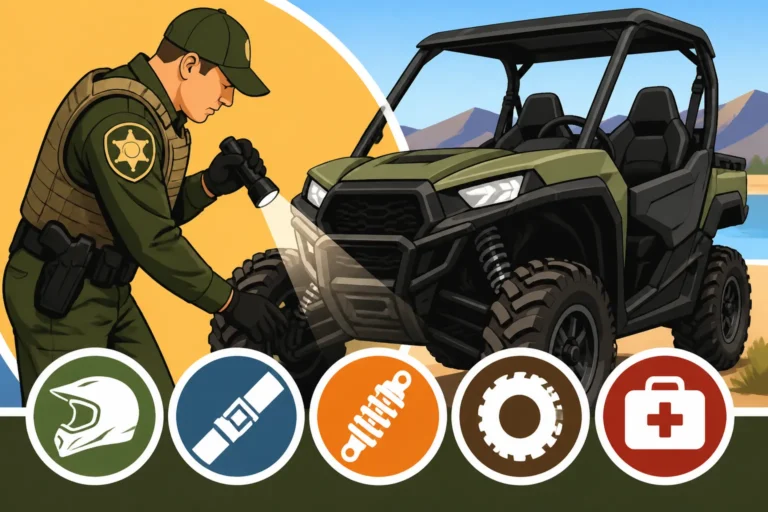
This is where many people get tripped up. Just because you don't need to put a [Nevada OHV Decal Placement Rules] on your 65cc dirt bike doesn't mean you can ride it absolutely anywhere, anytime, without any other considerations. Every off-highway vehicle, regardless of engine size, must still adhere to general OHV laws concerning safe operation, equipment, and designated riding areas. For example, spark arresters are still typically required on public lands to prevent wildfires, and helmets are mandatory for riders under 18 (and strongly recommended for everyone, everywhere!). Think of it this way: the registration is about tracking the vehicle and funding trails, but the other rules are about safety, environmental protection, and responsible recreation.
The "no free pass" rule becomes even more critical if you consider taking your small machine beyond designated OHV areas, especially onto county roads or public highways. While larger, "large ATVs" can sometimes qualify for limited road use with special decals and specific equipment, a 70cc machine almost certainly will not meet any of the criteria for street legality, even for crossing a road. Attempting to ride an unregistered, unequipped 70cc machine on a public road could lead to fines and legal trouble, regardless of its engine size exemption. The purpose of these small machines is for off-road recreational use, and that's where their exemption truly applies. You can learn more about general registration requirements in [Registering an ATV in Nevada].
So, while you might breathe a sigh of relief about skipping the registration line at the DMV for your little ripper, remember that it's just one piece of the puzzle. Always ensure your machine is equipped with the necessary safety gear, that you and your riders are wearing appropriate protection, and that you're riding in areas where OHVs are permitted. The spirit of the law is to make it easier for smaller machines to participate, not to bypass fundamental safety and land-use regulations that apply to all riders.
Proof of Ownership Still Matters, Even Without a Title
Here’s another critical point that often gets overlooked: even if your under-70cc machine doesn't require registration or even a title through the Nevada DMV, you absolutely, positively still need proof that you legitimately own it. Imagine you’re out with your kids, enjoying a beautiful day at a designated riding area, and a ranger or deputy stops you for a routine check. They might ask to see proof of ownership to ensure the machine isn't stolen. Without any documentation, you could find yourself in a very sticky situation, potentially facing impoundment of the machine until you can prove it's yours.
A simple bill of sale is your best friend in these scenarios. When you purchase a small, unregistered machine, whether new or used, always insist on a clear, written bill of sale that includes the seller's and buyer's information, the date of sale, a description of the machine (make, model, VIN if it has one), and the purchase price. Even if the state doesn't require a formal title for a machine under 70cc, a well-drafted bill of sale acts as your legal document of ownership. Services like LawDepot can provide easy-to-use templates for bills of sale, ensuring you have all the necessary information covered. This is particularly vital if you're [Buying a Used ATV Privately in Nevada], where a clear paper trail protects both buyer and seller.
Keep a copy of this bill of sale with you when you ride, or at least have access to it. A photo on your phone might even be accepted by some officials, but a physical copy kept in a waterproof bag on your machine is always a good idea. While you won't get a registration card from the state for an exempt machine, your proof of ownership is just as important as a registration card for a larger machine. It verifies your right to possess and operate that particular vehicle, preventing potential headaches and proving your legitimacy as an owner.
Practical Considerations for Your Small Machine
While Nevada's exemption for under-70cc OHVs simplifies things, there are still crucial practical considerations that every owner should be aware of. The absence of a registration requirement doesn't mean a complete hands-off approach from the state, especially when it comes to safety, future transactions, or what happens if you move from another state. Being informed about these aspects will ensure your riding experience remains smooth and trouble-free.
Age Restrictions and Supervision Requirements
Even with a tiny 50cc quad, you can’t just hand the keys over to any child and let them loose. Nevada has strict rules regarding the age of OHV operators and the necessity of supervision, particularly on public lands. Generally, riders under the age of 16 are required to be supervised by an adult at least 18 years old when operating an OHV on public property. While the law specifies certain minimum ages for various engine sizes, and even requires a safety certificate for some younger riders, the core principle is that youth riders need guidance and watchful eyes. You can delve deeper into [Nevada Minimum Age to Ride Off-Road] to understand the specific age and supervision matrix.
It's not just about what the law says; it's also about common sense and safety. Small machines, while less powerful, still pose risks. Learning to ride takes practice, judgment, and proper instruction. As parents or guardians, you have a responsibility to ensure that young riders are not only adhering to the legal age and supervision rules but also that they are competent and confident enough to handle their machine safely. This includes ensuring they wear proper safety gear, like helmets, goggles, and protective clothing, every single time they ride. A fantastic day out can turn sour quickly if safety isn't the top priority, regardless of whether a machine is registered or not.
Furthermore, some designated riding areas or special events might have their own specific age or skill-level restrictions, even if they allow unregistered machines. Always check the rules for the specific area you plan to visit. The goal of these rules is to protect the riders, other trail users, and the environment. Understanding and adhering to these guidelines will ensure that your family can enjoy their small OHVs responsibly and avoid any unnecessary issues while exploring Nevada's incredible outdoor spaces.
When Your Under-70cc Machine Might Need a Title (Even if Not Registered)
This is a point of frequent confusion: "My machine is under 70cc, so it doesn't need registration. Does that mean it doesn't need a title either?" For the most part, Nevada does not require a state-issued title for OHVs under 70cc. However, there are scenarios where having some form of documented ownership, beyond just a simple bill of sale, becomes incredibly important, even if the state isn't mandating it. While the DMV may not issue a formal "title" for these smaller machines in the same way they do for cars or larger OHVs, proving a clear chain of ownership is always beneficial.
Consider the future. What if you decide to sell that 65cc quad your child has outgrown? A potential buyer will likely want robust proof that you are the legal owner, not just a verbal assurance. A comprehensive bill of sale, perhaps generated using a platform like LawDepot, provides that crucial documentation. While the state might not require a title for operation, having clear ownership records helps prevent disputes and simplifies any future transactions. If the machine did have a title issued in another state (some states title all OHVs regardless of size), it's a good idea to retain that title and transfer it appropriately, even if Nevada won't issue a new one for you. You can learn more about overall title requirements here: [Nevada OHV Title Application Deadline].
Another less common but important scenario involves inheritance. If you inherit a small OHV, establishing clear ownership for estate purposes, even without a formal title, will require documented proof like a bill of sale or records from the original purchase. In such cases, the burden of proving legal ownership falls squarely on you. Keeping meticulous records from the point of purchase, including the bill of sale, any original manufacturer's certificates of origin, and even maintenance records, can be invaluable later on. These documents effectively serve as your "title" in the absence of a state-issued one, proving legitimate possession. For some very old machines, or those purchased before specific dates, a title might not have even existed, as discussed in [Pre-1976 Machines on Nevada's Exempt List].
Moving to Nevada with a Small Machine
Moving to a new state is exciting, but it often comes with a heap of administrative tasks, and figuring out vehicle registration is almost always one of them. If you’re relocating to Nevada and bringing an under-70cc OHV with you, you might be wondering how the exemption plays out. The good news is, if your machine is genuinely less than 70cc, Nevada's exemption still applies regardless of where you moved from. This means you won't suddenly need to register it just because it crossed state lines. However, there are still some essential steps and considerations.
First, even though Nevada won't require registration or titling for your small machine, you should still have strong proof of ownership. If your previous state issued a title for that 60cc dirt bike (some states title all OHVs, regardless of engine size), keep that title safe! While Nevada won't transfer it to a new Nevada title, that out-of-state title serves as excellent proof of ownership, which, as we discussed, is always important. If your previous state also didn't require a title for it, then make sure you have a detailed bill of sale or other purchase documentation. This helps establish your legal ownership from the moment you move into the Silver State. You can learn more about general requirements for bringing machines into the state here: [Nevada Registration After You Move In].
Second, while the machine itself is exempt from registration, you, as the operator, are still subject to all of Nevada's OHV laws, including those on age, supervision, safety equipment, and legal riding areas. Don't assume that because your machine was treated a certain way in your old state, all other rules carry over. Familiarize yourself with Nevada's specific regulations for OHVs, especially concerning youth riders and where you're allowed to ride. A quick check with [The Nevada DMV OHV Section] website or a local OHV ranger office can clear up any doubts and help you avoid a citation. In essence, the machine's registration status might be simple, but your responsibilities as a rider in a new state remain significant.
Nevada OHV Registration and Titling Comparison: Under 70cc vs. 70cc+
Here's a quick overview to help you differentiate between machines under 70cc and those 70cc and above in Nevada. This table clarifies the main distinctions you'll encounter regarding registration, titling, and other important aspects.
| Feature | OHV Under 70cc Engine Displacement | OHV 70cc and Above Engine Displacement |
|---|---|---|
| State Registration | Generally exempt | Required (unless other exemptions apply) |
| State Decal | Not required | Required |
| State Title | Generally not issued | Required (unless other exemptions apply) |
| Proof of Ownership | Bill of sale strongly recommended | State-issued title is primary proof |
| VIN Inspection | Not required | Required for initial titling/registration |
| Age/Supervision | Still subject to Nevada OHV laws | Still subject to Nevada OHV laws |
| Spark Arrester | Generally required on public land | Generally required on public land |
| Funds for Trails | Does not directly contribute via registration fee | Contributes via registration fees |
| Road Use | Not street legal | Not street legal (unless Large ATV decal obtained and meets criteria) |
Disclaimer
This article is for general informational purposes only and does not constitute professional advice. Laws, prices and regulations vary by location and change over time. Consult a qualified professional for guidance on your specific situation.