Registering an ATV Bought From a Nevada Dealer
There’s nothing quite like the thrill of picking out a brand new (or new-to-you) ATV or UTV from a Nevada dealer. You envision those wide-open desert trails, the sand flying, and the wind in your hair. But before you can hit the dirt, there’s that inevitable stack of paperwork. Navigating the registration process can feel like a chore, but this guide is here to walk you through exactly what you need to do when you buy an off-highway vehicle from a licensed Nevada dealer.
Why Buying from a Dealer Can Simplify Your OHV Registration
When you purchase an ATV or UTV from a licensed dealer in Nevada, you’re often in for a smoother registration process than if you were buying privately. Dealers are generally well-versed in the state's OHV laws and frequently handle the initial paperwork on your behalf, acting as a crucial intermediary between you and the Nevada Department of Motor Vehicles (DMV). This can save you a lot of guesswork and potential headaches, especially if you're new to the world of off-highway vehicle ownership.
Think about it: a dealer’s business relies on moving vehicles, and part of that process is making sure their customers can legally ride what they buy. They have systems in place and staff trained to ensure the necessary forms are filled out correctly and submitted in a timely manner. This doesn't mean you can just sign and forget, but it does mean a significant portion of the legwork, particularly the initial gathering of documents and understanding the specific requirements, is often taken care of. They're motivated to get you on the trail legally, so you have a positive experience and might just come back for your next machine.
The Dealer's Role in Expediting Paperwork
A reputable Nevada OHV dealer isn't just selling you a machine; they're often a one-stop shop for getting it ready for the trail. This typically includes processing your initial registration application and, in many cases, handling the titling of your new off-highway vehicle. They usually have the official forms on hand and know exactly which boxes need to be checked and which signatures are required. You might find them completing the application for a Nevada OHV decal right there at the counter.
Many dealers are authorized to submit your registration application directly to the DMV or its designated OHV section. This often includes collecting the appropriate fees from you, such as the registration and title fees, and then forwarding them along with your paperwork. They understand the nuances of things like [Nevada's Thirty-Day Registration Deadline] after a purchase, and they'll help ensure you don't miss that crucial window and incur late fees. While they may charge a small administrative fee for this service, such as [What Nevada's $2 Dealer Submission Fee Pays For], it's often a worthwhile cost for the convenience and expertise they provide, ensuring your application is complete and accurate before it even leaves their lot.
Essential Documents You'll Receive from the Dealer
When you walk out of a Nevada dealer with your new ATV or UTV, you should have a clear set of documents in hand or be assured that they are being processed. The most critical piece of paper you'll get is often the manufacturer's certificate of origin (MCO) or manufacturer's statement of origin (MSO), which is essentially the birth certificate for your machine. This document proves the vehicle's initial ownership and specs directly from the factory. It's vital for getting your initial title and registration.
You'll also receive a detailed sales contract or bill of sale from the dealer. This document outlines the purchase price, any trade-in value, taxes, and other financial details. It serves as your proof of purchase and is essential for establishing ownership. Make sure this document clearly identifies the machine by its Vehicle Identification Number (VIN). While the dealer handles much of the heavy lifting, it’s a good practice to keep meticulous records of your purchase. You might even find resources like LawDepot helpful if you want to generate a personal checklist or ensure you understand the legal language in your sales contract for your own peace of mind, though the dealer's documents are the official ones.
Understanding the Nevada OHV Application Process
Even with a dealer handling a good portion of the paperwork, it’s important for you to understand the application process and what’s required. This knowledge empowers you to confirm everything is being handled correctly and ensures you have all the necessary documentation for your own records. The primary goal is to get your off-highway vehicle officially titled and registered with the state, which means securing a title and the coveted OHV decal that proves your machine is legal for Nevada's public lands.
The process centers around specific forms and clear proof of your ownership and compliance. Without these, your application will simply be delayed or rejected, which means more frustration and time off the trails. Knowing what to expect makes it easier to follow up with your dealer or the DMV if needed, and to carry the correct documentation when you're out riding.
The Core Application Form: OHV-001
The backbone of your ATV or UTV registration in Nevada is typically the OHV-001 form, formally known as the "Application for Certificate of Title and/or Registration for an Off-Highway Vehicle." While your dealer will likely fill this out for you, it's good to be familiar with its contents. This form collects all the vital information about you, the owner, and your machine. It asks for details like your name, address, the vehicle's year, make, model, and crucially, its VIN.
The OHV-001 also allows you to designate whether you want a one-year or three-year registration decal. Choosing between [Nevada OHV Registration Fee for One Year] or [Nevada OHV Registration Fee for Three Years] is a personal preference, often dictated by how frequently you want to deal with renewals. This form also has sections for lienholders if you financed your purchase, and it's where you'll declare the purchase price for sales tax purposes. Ensure all information is accurate, especially the VIN, as any discrepancy can cause significant delays.
Proving Ownership and Sales Tax Payment
Beyond the application form itself, the DMV needs concrete proof that you legally own the off-highway vehicle and have satisfied any applicable sales tax obligations. For a dealer purchase, your MCO/MSO is the primary document proving that the vehicle originated legitimately and that you are its first owner. This document will be surrendered to the DMV when you apply for your title.
The sales contract from the dealer serves as your proof of purchase price, which directly impacts the sales tax collected. Nevada charges sales tax on OHV purchases, just like other vehicle sales, and the dealer typically collects this at the time of purchase. Your sales contract will show this payment. If for some reason the sales tax wasn't collected by the dealer (which is rare for a licensed dealer), you would be responsible for paying it directly to the DMV or the state's Department of Taxation. Without proof of sales tax payment or the MCO/MSO, you won't be able to get a title, which is a prerequisite for registration. If you needed to track or verify these financial details for your records, generic templates or trackers from services like LawDepot could be a handy personal tool.
Addressing the VIN Inspection Requirement
Even though you’re buying from a dealer, your new ATV or UTV might still require a Vehicle Identification Number (VIN) inspection. This step is a crucial part of the registration process in Nevada, designed to prevent fraud and ensure the vehicle's identity matches its paperwork. It's a physical verification of the VIN on the machine against the VIN listed on your MCO/MSO and application forms.
Many riders find this particular requirement a bit confusing, especially if they assume a brand-new machine wouldn't need it. However, it's a standard procedure to safeguard against stolen vehicles and ensure that the correct information is recorded with the state from the very beginning. Understanding when and by whom this inspection needs to be done will save you from making extra trips or encountering unexpected hurdles.
When a VIN Inspection is Crucial
A VIN inspection is required for all off-highway vehicles that have never been titled or registered in Nevada before, regardless of whether they're new or used. Since your dealer is selling you a machine that hasn't been through this process yet in Nevada, it will need one. This includes both brand-new machines and used machines the dealer might have acquired from out of state. It's a one-time thing for the initial title and registration in Nevada.
The inspection essentially confirms that the VIN stamped on the vehicle's frame or engine matches the VIN on your MCO/MSO. This verification helps the state maintain accurate records and prevents the registration of vehicles with altered or fraudulent VINs. It's a small but significant step in ensuring the integrity of OHV ownership records in Nevada.
Who Can Perform the VIN Inspection
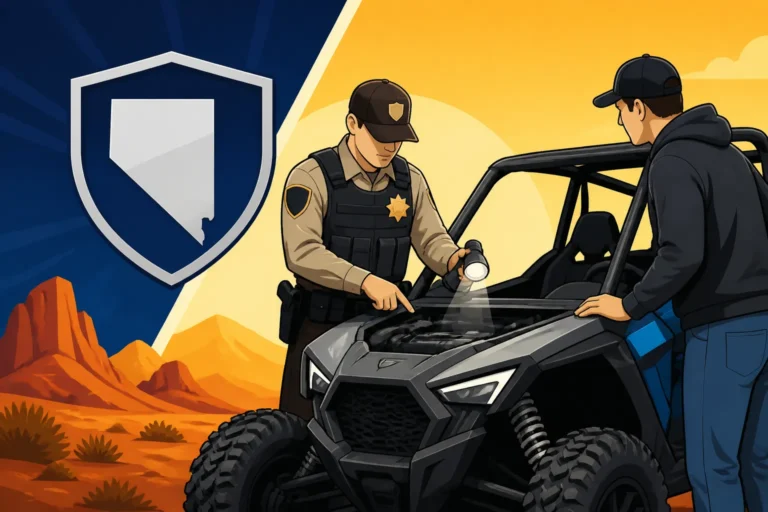
This is where buying from a Nevada dealer really shines again. A major convenience when purchasing from a licensed Nevada dealer is that they can often perform the VIN inspection right there on their lot. This eliminates the need for you to take your new machine to a separate location, like a DMV office, or arrange for law enforcement to inspect it. Many dealerships have staff authorized and trained to complete the necessary VIN verification form, often the OHV-003 or a similar dealer-specific form.
The authorized dealer inspector will visually confirm the VIN on your machine matches the paperwork. Once completed, they will sign off on the inspection, adding it to your packet of documents for submission. This service streamlines the process considerably. Without this dealer capability, you'd be looking at options like [Which Dealers Can Inspect a VIN in Nevada] or [Asking a Sworn Officer to Verify a VIN], which can add more steps to your registration journey. Confirm with your dealer if they provide this service when you make your purchase.
Submitting Your Application and Awaiting Your Decal
Once all the paperwork is gathered and correctly filled out, the final step is to submit your application and wait for your official Nevada OHV decal and title. This is where your patience might be tested, but knowing the typical流程 and what to expect can ease the anticipation. The goal is to get that physical decal in hand, ready to stick on your machine, proving you're good to go.
Remember, the clock starts ticking on your [Nevada's Thirty-Day Registration Deadline] from the date of purchase, so timely submission is key. Even if the dealer is handling the submission, it's good to understand the process so you can follow up effectively if there are any delays.
Where to Submit Your Paperwork
For purchases made through a licensed Nevada dealer, they will often handle the submission of your completed application package directly. They gather your signed OHV-001 form, the MCO/MSO, the VIN inspection document, and collect all applicable fees (registration, title, sales tax, and any dealer fees). They then forward this complete packet to the Nevada DMV's OHV section in Carson City. This direct submission by the dealer is a huge benefit, as it means less running around for you.
If for some reason the dealer doesn't offer this service, or you prefer to do it yourself, you would mail your complete package to the Nevada DMV Off-Highway Vehicle Section in Carson City. It's crucial to send all required documents and fees together. Submitting an incomplete application will undoubtedly lead to delays and potentially require you to resubmit or provide additional information. Always make copies of everything you submit for your own records, just in case.
Understanding Fees and Processing Times
The costs associated with registering an ATV or UTV in Nevada include the title fee and the registration fee. The title fee is a standard amount, while the registration fee varies depending on whether you choose a one-year or three-year decal. For example, opting for the [Nevada's $60 Three-Year Decal] typically offers a cost saving over renewing annually. Your dealer will calculate all these fees, including sales tax, and collect them from you at the time of purchase.
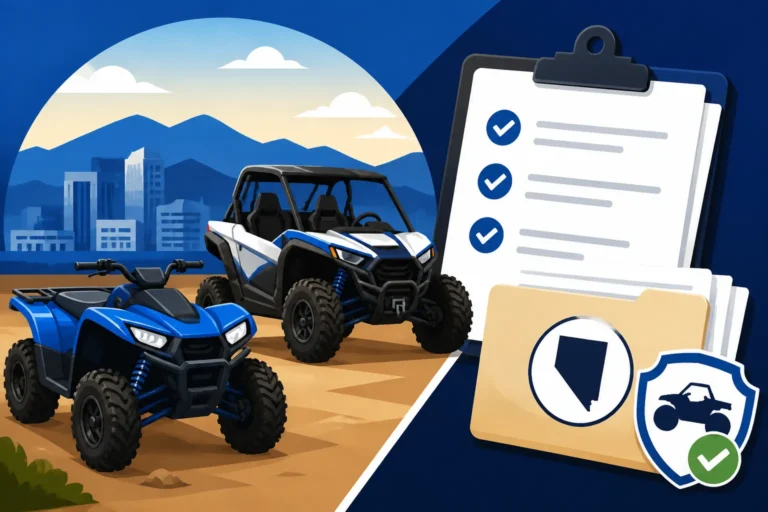
| Item | Description |
|---|---|
| Sales Contract | Proof of purchase and sales tax paid. |
| Manufacturer's Certificate of Origin (MCO/MSO) | Vehicle's "birth certificate," surrendered for title. |
| OHV-001 Application | Completed and signed form for title and registration. |
| VIN Inspection (OHV-003) | Verification of VIN, often by the dealer. |
| Payment for Fees | Registration, title, sales tax, and any dealer admin fees. |
After submission, there will be a processing period before your title certificate and OHV decal arrive. [Nevada OHV Registration Processing Times] can vary depending on the volume of applications the DMV is handling. It's not an instant process, so don't expect to leave the dealership and immediately have your decal in hand. The DMV will process your application, issue your official Nevada OHV title, and then mail your new decal. Once that decal arrives, typically a small sticker with a registration number and expiration date, you'll affix it to the left side or rear of your machine, as per [Left Side or Rear: Where the Decal Goes], and you'll be officially ready to explore the incredible trails Nevada has to offer.
Disclaimer
This article is for general informational purposes only and does not constitute professional advice. Laws, prices and regulations vary by location and change over time. Consult a qualified professional for guidance on your specific situation.