Which Dealers Can Inspect a VIN in Nevada
It’s a common scenario for many off-highway vehicle (OHV) enthusiasts in Nevada: you've just acquired a new-to-you ATV or UTV, you're excited to hit the trails, and you know registration is the next big hurdle. But then you run into the requirement for a Vehicle Identification Number (VIN) inspection, and suddenly you're wondering, "Who even does these?" It can feel like a mystery trying to figure out which entities are actually authorized to verify your machine's identity, leading to unnecessary delays and confusion. This comprehensive guide will clear up that uncertainty, detailing exactly which dealers and other authorized personnel can perform the VIN inspection your off-highway vehicle needs for proper Nevada registration.
Why a VIN Inspection is Crucial for Nevada OHV Registration
Before you can even think about getting that coveted [Nevada's Large All-Terrain Vehicle Decal] or standard OHV registration decal, the state needs to confirm your machine is what you say it is. This isn't just bureaucratic red tape; it's a vital step in preventing theft, ensuring proper ownership, and maintaining accurate records for all off-highway vehicles operating within Nevada's vast and beautiful landscapes. The VIN inspection serves as a physical verification of your machine's unique identifier against its ownership documents.
Imagine you've just bought a quad from a private seller. While they might provide a bill of sale, how does the state truly know that the VIN on that paper matches the machine sitting in your garage? That's where the inspection comes in. It closes the loop, confirming the physical existence and identification of the vehicle, which is absolutely essential for the safety and integrity of the OHV community. Without this verified inspection, the DMV simply cannot process your application, leaving your machine unregistered and off the trails.
This step is particularly important for machines that are new to Nevada, whether they're purchased out-of-state, are older models being registered for the first time, or even machines bought privately where the chain of ownership might need extra scrutiny. It’s about more than just a number; it’s about validating the entire history and legality of your machine before it enters the official state system.
The DMV's Role and Limitations in VIN Inspections
One of the most common frustrations drivers face is assuming the Department of Motor Vehicles (DMV) is a one-stop shop for everything related to vehicle registration. While the [The Nevada DMV OHV Section] handles the processing of your registration application, they generally do not perform VIN inspections for off-highway vehicles themselves. This often comes as a surprise, leading to wasted trips and mounting irritation for new OHV owners.
The reason for this limitation largely stems from logistical and resource constraints. DMV offices are primarily set up to handle paperwork, licensing, and vehicle titling for on-road vehicles. OHVs often require specific expertise to identify certain features or confirm modifications, and DMV staff are not typically equipped or authorized to perform these detailed physical inspections. Their focus is on the administrative side of things, making sure all the required forms, fees, and indeed, the completed VIN inspection certificate, are in order.
So, while you'll ultimately submit your paperwork to the DMV, don't expect them to send someone out to your truck to check your ATV's VIN in the parking lot. Understanding this distinction upfront saves a lot of time and prevents unnecessary headaches. It's a critical piece of information that helps you plan your registration journey effectively. You'll need to secure that inspection from an external, authorized source before heading to the DMV.
What the Inspection Verifies
At its core, a VIN inspection is about verification and fraud prevention. The inspector isn't just glancing at the number; they're meticulously comparing the VIN stamped on the frame of your ATV or UTV against the information on your proof of ownership documents, such as a title or manufacturer's statement of origin (MSO). This crucial step confirms that the vehicle's identity matches its paperwork, significantly reducing the risk of registering a stolen machine.
Beyond matching numbers, the inspector also looks for any signs of tampering or alteration to the VIN. Have numbers been ground off and re-stamped? Does the VIN plate look like it's been removed and reapplied? These are critical questions addressed during the inspection. The goal is to ensure the VIN is original, legible, and corresponds directly with the documentation you provide. For instance, if you're trying to [Registering an ATV Bought From a Nevada Private Seller], the inspector will ensure the VIN on the machine matches the VIN on the seller's signed title and your bill of sale.
This thorough process provides a layer of security for both the state and future owners. It helps protect buyers from inadvertently purchasing stolen property and helps the state maintain a clean and accurate database of registered off-highway vehicles. It might seem like a small detail, but this verification underpins the entire registration system, ensuring everything is above board and legitimate before you get out on the trails.
Who is Authorized to Perform a Nevada OHV VIN Inspection?
This is the golden question for many new OHV owners! You're staring at the registration form, scratching your head, and realizing the DMV isn't going to do it. Thankfully, Nevada provides specific options for getting your VIN inspection completed. These authorized entities have been designated because they possess the necessary training, tools, or legal authority to accurately verify a vehicle's identification number and sign off on the official documentation.
It's not just any mechanic or friendly neighbor. The state is quite particular about who can perform this task, for all the reasons we discussed about fraud prevention and accurate record-keeping. Knowing these options beforehand means you can strategically plan your next steps, avoiding frustrating detours and getting your machine registered much faster.
The two primary categories of authorized personnel are licensed OHV dealers and sworn law enforcement officers. Each has specific circumstances and processes associated with obtaining an inspection, and understanding the nuances of each can make your registration journey much smoother. Don't waste time going to an unauthorized party; stick to these official channels to ensure your inspection counts.
Licensed Nevada OHV Dealers
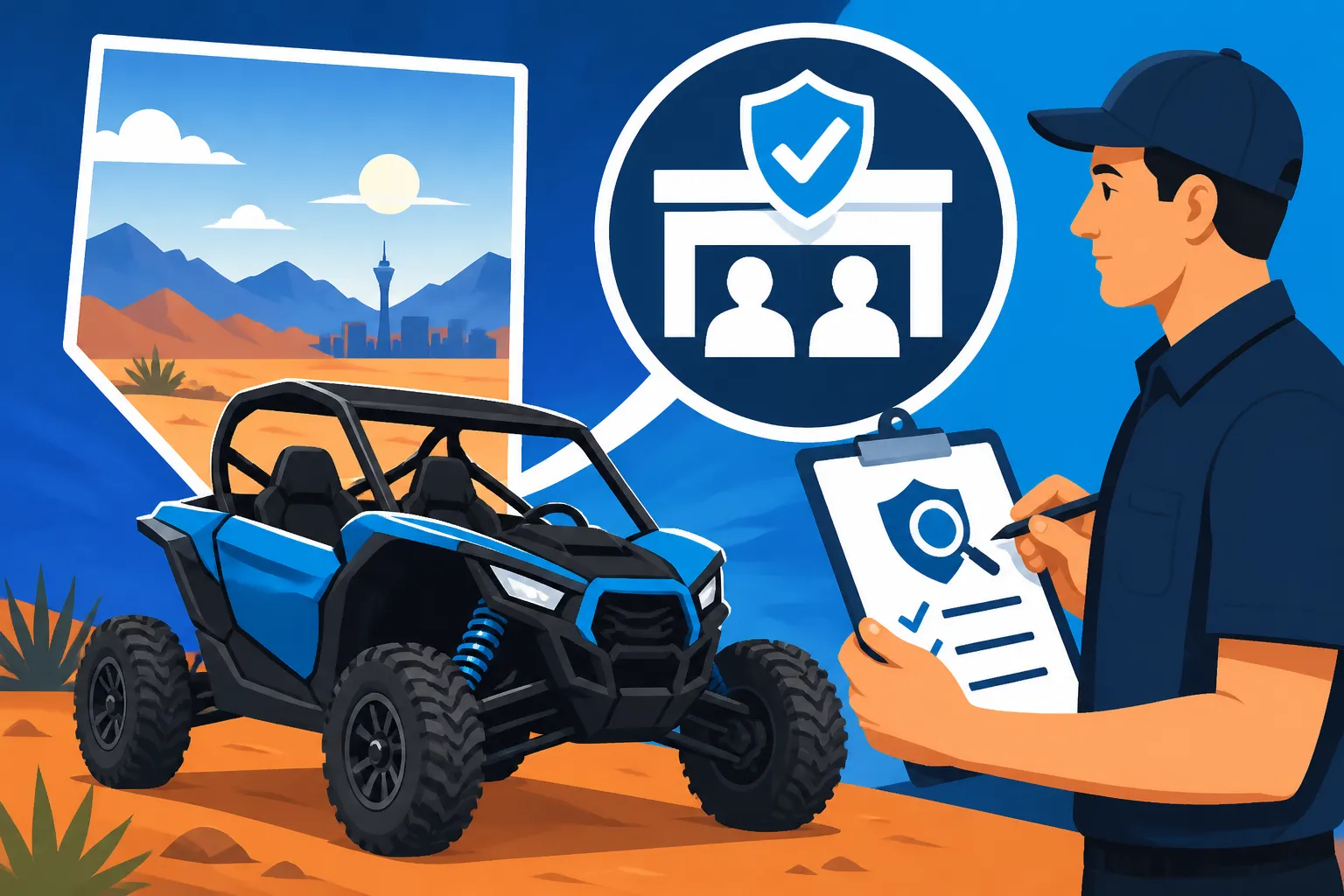
For most OHV owners, bringing their machine to a licensed Nevada OHV dealer is the most common and often easiest route for a VIN inspection. These dealers are authorized by the state to perform these verifications because they regularly handle new and used off-highway vehicles, have staff trained in identifying VINs and recognizing potential issues, and are familiar with the specific requirements for OHV registration.
When you take your machine to an OHV dealer, they typically have a dedicated service department or personnel who are designated for these inspections. They will ask to see your proof of ownership, such as a title, bill of sale, or manufacturer's certificate of origin. The process usually involves a physical check of the VIN stamped on the frame, ensuring it's legible and matches your paperwork exactly. They'll complete the necessary state form, typically the OHV-002 "Vehicle Identification Number (VIN) Verification" form, and sign it, certifying that the inspection has been performed correctly.
Many dealerships will offer this as a routine service, sometimes for a small fee. It’s often quicker than trying to coordinate with law enforcement, especially if you live in a more populated area with several OHV dealers nearby. Whether you're in Las Vegas, Reno, or a smaller town, finding a qualified dealer can be the most straightforward path. Remember to call ahead to confirm their availability and what documents you need to bring.
Sworn Law Enforcement Officers
Another authorized option for getting your VIN inspection is to have it performed by a sworn law enforcement officer. This includes officers from city police departments, county sheriff's offices, or the Nevada Highway Patrol. While less common for routine registrations than going to a dealer, it's an important option, especially for those in remote areas or in specific situations.
Officers are authorized because they are trained in vehicle identification and are often involved in investigating stolen vehicles. They have the legal authority to verify the VIN and sign the official state form. To [Asking a Sworn Officer to Verify a VIN], you typically need to contact your local law enforcement agency's non-emergency line and inquire about their process for OHV VIN inspections. Some departments may have specific days or times they offer this service, or they may require you to bring the machine to a specific station.
Keep in mind that law enforcement agencies prioritize emergency calls, so scheduling an inspection might require some patience and flexibility on your part. It's not usually an immediate service you can walk in and get. However, for those who purchased a machine without proper paperwork or have a unique situation that a dealer might not handle, a law enforcement inspection can be a necessary and reliable avenue. They will perform the same diligent check as a dealer, looking for VIN integrity and matching it to any available ownership documents, such as a [What a Nevada ATV Bill of Sale Should Carry] or a previous registration.
The "Self-Inspection" Myth and Reality
It's tempting to think, "Why can't I just check the VIN myself and sign a form?" or "Surely my buddy who's a mechanic can do it?" This is a common misconception, and it's important to clarify that Nevada state law does not permit self-inspections or inspections by unauthorized individuals for OHV registration purposes. The state requires that the VIN verification be performed by a designated, impartial, and qualified third party.
The reality is that the state needs an independent verification to ensure accuracy and prevent fraud. If individuals could simply sign off on their own inspections, the entire system designed to track ownership and combat theft would be compromised. The authorized parties – licensed dealers and sworn law enforcement – are specifically empowered to complete the OHV-002 form and certify the inspection because they meet the state's criteria for impartiality and expertise.
Any form submitted with an unauthorized signature or an unverified inspection will be rejected by the DMV, leading to delays and frustration. It's crucial not to try to circumvent the system; doing so will only prolong the registration process. Always seek out one of the officially recognized inspectors to ensure your paperwork is valid and accepted the first time around.
Navigating the Dealer Inspection Process
Opting for a dealer inspection is often the most straightforward path for many OHV owners. These establishments are generally accustomed to the process, making it a relatively smooth experience. However, a little preparation on your part can make it even more efficient. Knowing what to expect, what to bring, and what questions to ask will save you time and ensure you leave with a properly completed inspection form ready for the DMV.
One of the key advantages of using a dealer is their familiarity with the specific OHV forms and requirements. They often have copies of the OHV-002 form readily available, and their staff are trained on exactly what information needs to be captured and how it should be presented to the state. This expertise can be invaluable in avoiding common mistakes that might lead to your registration application being rejected later on.
It's also worth noting that many dealers see this as part of their service to the OHV community, even if you didn't buy the machine from them. They understand the importance of getting machines legally registered and out on the trails, contributing to the overall health of the sport.
Finding a Qualified Dealer
Not just any car dealership can perform an OHV VIN inspection. You need to seek out a dealer that is specifically licensed to sell and service off-highway vehicles. This typically means motorcycle shops that sell ATVs and UTVs, powersports dealerships, or dedicated off-road vehicle centers. They are the ones who understand the nuances of OHV identification and registration. For instance, a dealership that only sells cars and trucks likely won't have the authorization or expertise for an OHV.
To find a qualified dealer, start by searching online for "ATV dealers near me" or "UTV service Nevada." Look for dealerships that explicitly mention selling Polaris, Can-Am, Yamaha, Honda, Kawasaki, or other major OHV brands. You can also check the Nevada Department of Motor Vehicles website for lists of licensed OHV dealers, though sometimes these lists can be outdated, so always call ahead to confirm. If you're near a major city like Reno or Las Vegas, you'll likely have several options, but in smaller towns, your choices might be more limited.
Once you have a list, it’s a good idea to call a few places to confirm they perform VIN inspections for machines not purchased from their location, ask about their fees, and inquire about scheduling. Some dealers might be able to do it on a walk-in basis, while others prefer an appointment. Being proactive in your search will ensure you find the right place quickly and efficiently.
What to Bring to the Dealer
When you head to the dealership for your VIN inspection, being prepared with the correct documentation is paramount. This will ensure a smooth process and prevent you from having to make a second trip. The dealer will need to see proof of ownership to verify the VIN against, so gather these items carefully.
Here's a checklist of what you should typically bring:
- Your ATV or UTV: This might seem obvious, but the machine needs to be physically present for the inspection. Ensure it's accessible for the inspector to easily locate the VIN, which is usually stamped on the frame.
- Proof of Ownership: This is the most critical item. It could be:
- The Certificate of Title: If the machine has been previously titled, this is your primary document.
- Manufacturer's Statement of Origin (MSO) or Manufacturer's Certificate of Origin (MCO): For brand new machines, this is the document provided by the manufacturer.
- A Bill of Sale: Especially important if you've purchased a used machine and are awaiting a title, or if the machine is older and was never titled in Nevada. Make sure it clearly states the VIN. Resources like LawDepot can provide reliable bill of sale templates if you need one.
- Previous Registration Documents: If the machine was registered in another state, bring those documents.
- Your Photo ID: The inspector may want to verify your identity as the current owner or applicant.
- Payment for the Inspection Fee: Most dealers charge a nominal fee for this service.
- Any Required Nevada DMV Forms: While the dealer may have their own OHV-002 forms, it doesn't hurt to bring your partially completed [Nevada OHV Registration Paperwork Checklist] and any other forms you're working on.
Having all these documents organized will demonstrate your preparedness and help the dealer complete the inspection efficiently.
Costs and Turnaround Times
While I cannot provide specific figures for dealer inspection fees, it's safe to say that most licensed OHV dealers will charge a service fee for performing a VIN inspection. This fee compensates them for the time and expertise of their staff and the administrative effort involved in completing the paperwork. The cost can vary from one dealership to another, so it's always a good idea to call ahead and inquire about their current rates when you're scheduling or confirming their service.
Regarding turnaround times, dealer inspections are generally quite efficient. If you have an appointment, the inspection itself usually takes a short amount of time – often just 15 to 30 minutes, depending on the dealer's workload and how quickly they can access your machine and its VIN. If you're a walk-in, you might experience a short wait if their service bay is busy, but usually, it's not a lengthy process. The benefit here is that you'll typically leave with the completed and signed OHV-002 form in hand, ready for your trip to the DMV.
It's important to clarify the dealer's role: they perform the inspection and sign the form. They don't typically handle the full registration submission to the DMV themselves, unless you're buying a new machine directly from them and they offer that as part of their sales process. For most VIN verifications on machines you already own, you'll be responsible for taking the signed inspection form, along with your other required documents and fees, to the DMV to complete the registration.
When to Consider a Law Enforcement Inspection
While dealers are often the go-to, there are distinct circumstances where seeking out a law enforcement officer for your VIN inspection becomes not just an option, but sometimes the most practical, or even necessary, choice. These situations often involve geographical remoteness, specific ownership challenges, or times when a dealer simply isn't an accessible resource. Understanding these scenarios can help you decide which path is best for your unique situation.
It's important to remember that law enforcement officers are official representatives of the state and are fully authorized to perform these inspections. Their involvement adds another layer of security and verification, especially in cases where the ownership history might be less straightforward or if a machine has been recovered after being reported stolen.
However, approaching law enforcement for a VIN inspection also comes with its own set of considerations, including scheduling and the potential for longer wait times compared to a commercial establishment. You'll need to be prepared for these differences if you choose this route.
When Dealers Aren't an Option
There are several scenarios where relying on a licensed OHV dealer for a VIN inspection might not be feasible, making a law enforcement officer your best, or only, alternative.
One major factor is geographical location. If you live in a very rural or remote part of Nevada, such as near Caliente or Pioche, where the nearest OHV dealer might be hundreds of miles away, the time and cost of transporting your machine for a simple VIN check can be prohibitive. In such cases, contacting your local county sheriff's office or a Nevada Highway Patrol substation closer to home makes far more sense.
Another reason could be unique ownership circumstances. Perhaps you’ve inherited an older machine, and the paperwork is incomplete, or the title is lost, making it difficult for a dealer to verify clear ownership before an inspection. In these situations, law enforcement might be better equipped to handle the complexities, especially if there's any ambiguity in the chain of ownership. Similarly, if you're attempting to register a machine that was recovered after being stolen, a law enforcement inspection is almost certainly the required route to ensure all legalities are properly addressed.
Finally, there's the rare but possible scenario where a dealer simply refuses to perform an inspection for a machine they didn't sell or don't service, or if they have concerns about the vehicle's provenance. While uncommon, if you encounter such a situation, law enforcement offers a reliable fallback.
How to Request a Law Enforcement Inspection
If you determine that a law enforcement inspection is the right path for you, the process involves a specific approach. You can't just flag down a patrol car on the highway and ask for a VIN check.
The first step is to contact the non-emergency line of your local law enforcement agency. This could be your city police department (e.g., Las Vegas Metropolitan Police Department, Reno Police Department), your county sheriff's office (e.g., Washoe County Sheriff, Clark County Sheriff), or the Nevada Highway Patrol. Clearly state that you need an off-highway vehicle (ATV/UTV) VIN inspection for DMV registration purposes.
Be prepared to provide your name, contact information, the location of the machine, and a brief explanation of why you need the inspection. Some agencies may have a designated officer or unit that handles these requests, while others might schedule a patrol officer to come to your location (home or business) at a convenient time, or ask you to bring the machine to a specific station during non-peak hours.
When the officer arrives or when you bring your machine in, have all your ownership documents ready – the title, bill of sale (consider using a LawDepot template for this), or MSO. Just like with a dealer, the officer will physically verify the VIN on the machine against your paperwork and complete the OHV-002 "Vehicle Identification Number (VIN) Verification" form. Remember to be polite and patient, as these officers have many duties, and your inspection request will be handled within their operational schedule.
Challenges and Patience Required
While a law enforcement VIN inspection is a perfectly valid option, it often comes with certain challenges and requires a good deal more patience compared to going to an OHV dealer. Understanding these potential hurdles upfront can help manage your expectations.
The primary challenge is scheduling and availability. Law enforcement agencies prioritize emergency calls and critical public safety duties. Non-emergency requests like a VIN inspection will naturally fall lower on their priority list. This means you might not get an immediate appointment. It could take several days, or even a week or more, for an officer to be available to perform the inspection, especially if you're requesting a home visit. Don't be surprised if you have to call back a few times to follow up.
Another factor is logistics. If the department requires you to bring the machine to a station, you'll need to arrange transport. Ensure you know the exact location and any specific instructions they might have for bringing an OHV onto their property. The officer performing the inspection might also be less familiar with the specific OHV-002 form compared to a dealer who handles dozens of them, so be prepared to gently guide them to the correct sections if needed, with a completed sample form or a blank form for them to fill out.
Despite these challenges, a law enforcement inspection is a reliable and official method. Just go into it with realistic expectations regarding timing and be prepared for potential delays. Your patience will eventually pay off when you have that signed OHV-002 form in hand, bringing you one step closer to legalizing your ride.
The Importance of Proper Documentation Post-Inspection
Getting your VIN inspection completed is a huge step, but it's not the end of the road. Once you have that signed verification form, your next crucial task is to combine it with all the other necessary paperwork and submit everything to the Nevada DMV. The journey from inspection to fully registered OHV is all about meticulous documentation. Any missing form, incomplete signature, or overlooked detail can send you right back to square one, causing frustrating delays.
It’s easy to feel a sense of relief once the inspection is done, but resist the urge to relax too much! The DMV is known for its strict adherence to protocol, and they will meticulously review every piece of paper. Think of your inspection form as a critical piece of a larger puzzle. Without all the other pieces, the picture isn't complete, and your registration won't be approved. This section will guide you through the final paperwork hurdles, ensuring you're ready to cross the finish line.
| Document Type | Purpose | Key Information |
|---|---|---|
| OHV-002 Form | Vehicle Identification Number (VIN) Verification | VIN, Make, Model, Year, Inspector's Signature & Agency Stamp |
| OHV-001 Form | Application for Registration & Title | Owner Info, Machine Details, Lienholder (if any), Signature |
| Proof of Ownership | Establishes legal ownership | Title, MSO, Bill of Sale (with VIN & purchase price) |
| Proof of Residency | Confirms applicant is a Nevada resident | Driver's License, Utility Bill, Lease Agreement |
| Payment for Fees | Covers registration, title (if applicable), and any other charges | Check current [Nevada OHV Registration Fee for One Year] or [Nevada OHV Registration Fee for Three Years] and [Nevada Title Fees for a Resident Machine] |
Understanding the OHV-002 Form
The OHV-002, or "Vehicle Identification Number (VIN) Verification," form is the official document that your authorized inspector will complete and sign. This form is proof to the DMV that your off-highway vehicle's VIN has been physically checked and verified against its ownership documents. It's a non-negotiable part of your [Registering an ATV in Nevada] process.
The form itself is relatively straightforward, but accuracy is key. It will include fields for the machine's make, model, year, and of course, the VIN itself. The inspector will fill out their name, title, agency (dealer or law enforcement), and contact information, and then sign and date it. Some agencies might also apply an official stamp or seal. It's imperative that all this information is clear, legible, and accurate. Double-check it before you leave the inspection site.
Think of the OHV-002 as the official stamp of approval from an impartial third party. Without it, the DMV has no way of knowing that the machine you're trying to register actually exists with the VIN you're providing. Keep this form safe and uncreased, as it will be part of your submission packet. A damaged or illegible OHV-002 could lead to your entire application being delayed or rejected.
Submitting Your Paperwork to the DMV
Once you have your duly completed and signed OHV-002 form, along with all your other required documents, it's time to head to the DMV. This is where all your hard work comes together. Make sure you have the following ready:
- Completed OHV-001 Form: This is the primary application for your registration and, if applicable, title. Ensure all sections are filled out accurately and signed.
- The Signed OHV-002 VIN Verification Form: The star of this show, ensuring your machine's identity is confirmed.
- Proof of Ownership: Your title, MSO, or a comprehensive bill of sale (like one created with LawDepot) is essential. If you bought from a private party, ensure the title is properly signed over.
- Proof of Nevada Residency: A Nevada driver's license or ID card, utility bill, or other acceptable document showing your current address.
- Payment for Fees: Be prepared to pay the registration fee, any titling fees, and potentially a [What the $2 VIN Assignment Fee Buys] or other administrative charges. Check the DMV website or call ahead for current fee structures.
- Any Lienholder Information: If you have a loan on the machine, you'll need to provide the lienholder's details.
You can typically submit your OHV registration in person at any full-service DMV office in Nevada. In some cases, depending on how recent your purchase was and if you went through a dealer, they might handle the initial submission for you. However, for most private sales and VIN verifications, it's up to you to visit the DMV. Be ready for a wait, especially during peak hours. Some DMV offices allow appointments, which can save you significant time.
Avoiding Common Registration Pitfalls
After going through the effort of securing a VIN inspection, the last thing you want is to have your registration application stumble at the finish line. There are several common pitfalls that new OHV owners encounter when trying to register their machines in Nevada, and being aware of them can help you navigate the process smoothly.
One of the most frequent issues is incomplete or incorrect paperwork. Always double-check every form before heading to the DMV. Are all fields filled out? Are there any missing signatures? Is the VIN consistent across all documents? Forgetting to sign a form, for instance, is a simple mistake that will lead to rejection. Utilizing a [Nevada OHV Registration Paperwork Checklist] can be incredibly helpful here.
Another common pitfall involves proof of ownership discrepancies. If the VIN on your bill of sale doesn't exactly match the VIN on the title or the machine itself, you're going to have problems. Ensure the seller properly signed and dated the title, and that any assignments of ownership are clear. For machines purchased privately, getting a thorough bill of sale is crucial. [Buying a Used ATV Privately in Nevada] can come with unique challenges, so be extra diligent.
Finally, be mindful of deadlines. Nevada has a [Nevada's Thirty Day Clock After a Purchase] for registering a newly acquired OHV. Failing to meet this deadline can result in additional late fees, such as [Nevada's $10 Late Fee on an Expired OHV Decal]. Plan your inspection and DMV visit accordingly to avoid these unnecessary penalties. By being meticulous and prepared, you can ensure your OHV registration process is as seamless as possible.
Disclaimer
This article is for general informational purposes only and does not constitute professional advice. Laws, prices and regulations vary by location and change over time. Consult a qualified professional for guidance on your specific situation.