Nevada Large ATV Decal Cost
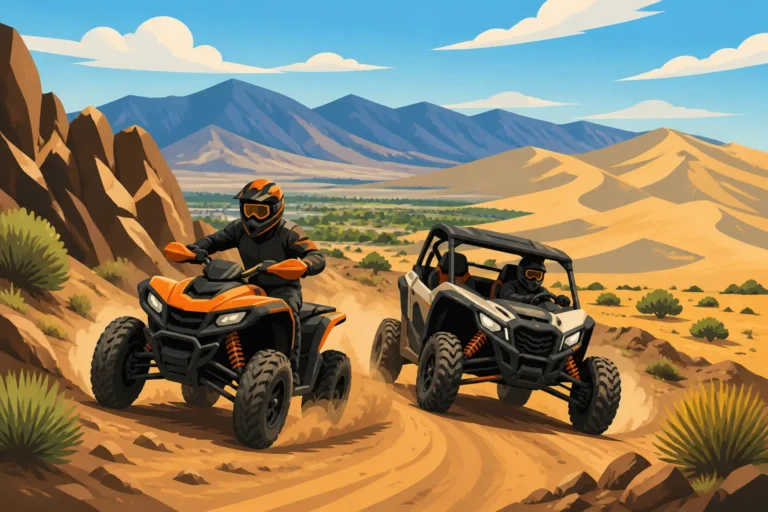
Trying to figure out what it actually costs to get that "Large ATV Decal" for your UTV in Nevada can feel like a scavenger hunt, right? You’ve heard whispers about making your side-by-side street legal, and then BAM! This specific decal comes up, and you're left wondering if it's another hidden fee or something completely different from your regular OHV registration. This guide is here to clear up the confusion, lay out the cost structure, and help you understand exactly what you'll be paying to get your larger off-highway vehicle legally cruising certain Nevada roads.
The Purpose and Uniqueness of the Nevada Large ATV Decal
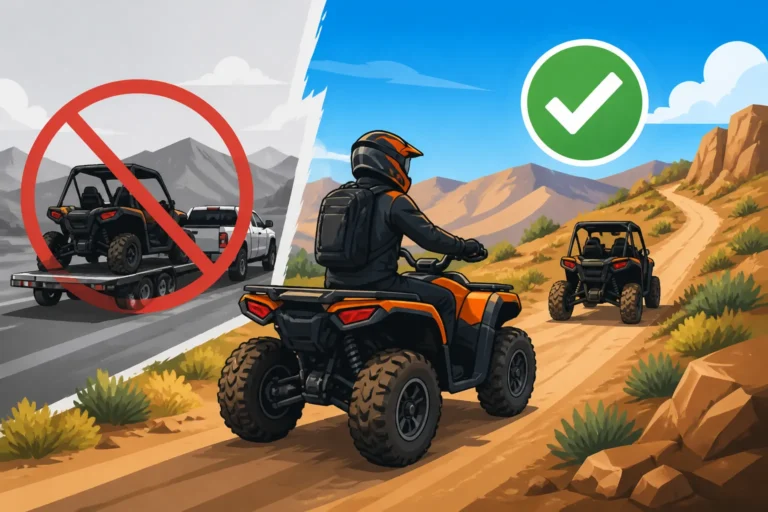
Let's be honest, the world of off-highway vehicle (OHV) registration can be a bit of a labyrinth, especially when you start dabbling in making a machine street legal. Many riders in Nevada dream of being able to leave camp and ride their UTV directly to the nearest gas station or local diner, instead of always having to load it onto a trailer. That's where the Nevada Large ATV Decal comes into play, and it’s distinct from the standard OHV registration decal you might already have for off-road use. It's easy to confuse the two, or to assume one covers the other, but they really serve different masters.
Why This Decal is Different From Standard OHV Registration
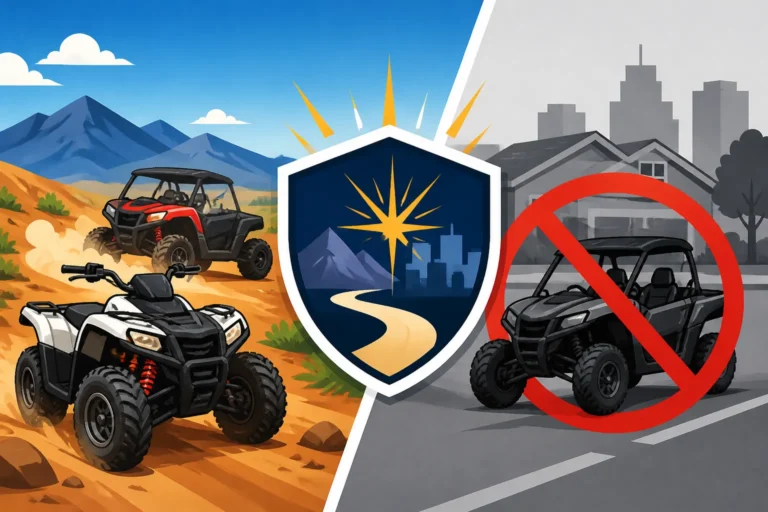
Your regular Nevada OHV registration decal is primarily about identifying your machine for off-highway use, contributing to trail maintenance, and ensuring you're legally recognized when you're out on public lands. It's a fundamental part of responsible off-roading in the Silver State. However, that standard decal, whether it’s the annual or the three-year version, doesn't grant you permission to ride on paved public roads. Nevada, like many states, has a very clear distinction between off-road and on-road privileges, and simply having an OHV decal won't cut it when a deputy sees you cruising down a county road.
The Large ATV Decal, on the other hand, is specifically for those larger off-highway vehicles that meet certain criteria under state law and are equipped to be driven on designated public roads. This decal is Nevada's way of saying, "Okay, this particular type of OHV, with the right equipment and driver, can legally operate on some paved roads." It’s not about general trail access; it’s about limited road access. This distinction is crucial for understanding why there’s a separate application and, yes, a separate cost. It allows you to legally bridge the gap between dirt and pavement on specific routes, and without it, even a fully equipped machine is essentially out of bounds on those roads.
What Qualifies as a "Large ATV" for This Decal?
Not every ATV or UTV can get this decal, and that's often where the confusion begins for riders. Nevada law, specifically [What Nevada's NRS 490.043 Counts as a Large ATV], defines what constitutes a "large all-terrain vehicle." Essentially, it boils down to size and seating capacity, pushing it beyond what many traditional, smaller ATVs typically offer. We're talking about machines that are generally wider, heavier, and often have multiple seating positions or even a cargo bed. Think of many modern side-by-sides – your four-seat RZRs, Can-Am Defenders with a utility bed, or larger Polaris Rangers.
The law is pretty specific: to be considered a large ATV, your machine generally needs to have a dry weight exceeding a certain threshold, a width greater than what a typical quad offers, and must be designed to carry more than one person, or have a utility bed. This often means two-seat sport quads, despite their power, don't qualify, as detailed in [Can a Two-Seat Quad Get a Nevada Road Decal?]. This strict definition ensures that the vehicles allowed on public roads are those that more closely resemble a small car or utility vehicle in their operational characteristics, making them theoretically safer for shared road use, provided they meet all other safety equipment requirements. It's a gatekeeper, making sure only appropriate machines are considered for this special road-use privilege.
Unpacking the Cost: Fees for Your Nevada Large ATV Decal
So, you've got a UTV that fits the "Large ATV" definition, and you're ready to make it street legal. What's this decal going to set you back? It's important to understand that the "cost" isn't just one single number. It involves a specific fee for the decal itself, plus other associated expenses that are part and parcel of getting your machine road-ready. When you’re budgeting for this, you need to think beyond just the decal price.
The Specific Fee for the Large ATV Decal
The actual fee for the Nevada Large ATV Decal is a dedicated charge that the state assesses for this specific road-use privilege. It's distinct from the standard OHV registration fee, which, depending on whether you choose one year or three, will have its own separate cost. The Large ATV Decal is essentially an add-on, a special endorsement for your vehicle that allows it to access public roads where permitted. While I can't give you exact dollar amounts, expect it to be a separate, identifiable fee that you’ll pay when you apply. It's not an exorbitant sum, but it's an additional cost that reflects the expanded privilege of road access. This fee directly supports the administration of the program and the enforcement efforts related to OHV road use.
Remember, this decal isn't a substitute for your primary OHV registration. You’ll still need your regular OHV decal to legally ride off-road. The Large ATV Decal simply grants you that additional layer of legality for specific on-road scenarios. Think of it like buying an optional package for your car; the car runs fine without it, but this package unlocks extra features.
Related Costs for Street Legality Beyond the Decal
Here's where the "cost" can really add up, and it's vital to factor these in when you're planning. The decal itself is just one piece of the puzzle. To truly make your UTV street legal and apply for that decal, you'll need to ensure it meets [Nevada Equipment List for Road-Legal UTVs]. This often means upgrading or adding components that weren't standard on your off-road machine.
Common required upgrades include:
- Headlights and Taillights: Must be visible from specific distances. Many UTVs have these, but ensure they meet the intensity and visibility requirements.
- Stop Lamps: A functioning brake light is a must.
- Horn: A working horn is essential for road safety. Companies like SuperATV offer a range of universal horn kits that are popular for UTV conversions.
- Mirrors: You’ll need at least one rearview mirror, and often side mirrors are highly recommended for better visibility.
- Tires: While not always explicitly stated as "DOT approved" for the large ATV decal specifically, having tires appropriate for road use (and not just soft sand paddle tires) is a practical and often necessary consideration for safety and compliance.
- Spark Arrester: A functioning spark arrester is required for all OHVs on public land, and by extension, on public roads.
- Muffler: Must meet noise emission standards.
Beyond the physical upgrades, you also need to consider other administrative costs. There's the application process itself, which may involve minor processing fees. Crucially, you'll need to provide proof of liability insurance, as outlined in [Insurance Nevada Requires for Road Use]. This isn't part of the decal fee, but it's a mandatory prerequisite for road use and will be an ongoing expense. Furthermore, a VIN inspection might be required, which could involve a fee if performed by a licensed dealer. All these elements contribute to the overall financial commitment of getting your large ATV legally on the pavement.
The Application Process and Associated Costs
Getting your Nevada Large ATV Decal isn't as simple as just walking into the DMV with a wad of cash. There's a specific process you need to follow, and each step can potentially involve its own costs or requirements that you need to be aware of. Understanding this process upfront will save you a lot of headaches, wasted trips, and unexpected expenses. It's about being prepared, both financially and with your paperwork.
Necessary Paperwork and Potential Administrative Fees
When you're ready to apply for your Large ATV Decal, you'll be submitting your application to the Nevada DMV OHV Section. The process for [Applying for a Nevada Large ATV Decal] requires specific forms and supporting documentation. You'll typically need to provide:
- Proof of Ownership: This usually means your vehicle’s title.
- Proof of Insurance: As mentioned earlier, liability insurance is a non-negotiable requirement for road use.
- VIN Inspection Form: This verifies that your vehicle's Vehicle Identification Number is accurate.
- Application for Large All-Terrain Vehicle Decal: The specific form for this process.
There might be minor administrative fees associated with processing these forms, though these are typically modest. The key is to have all your ducks in a row before you submit. Any missing information or incorrect forms can lead to delays, meaning more trips to the DMV or more time waiting for mail. Many people find it helpful to call the DMV's OHV section first, or check their website, to get the absolute latest checklist. It saves a lot of frustration to know exactly what they're looking for before you even step foot in the door.
The Role of VIN Inspection and Its Cost Implications
A crucial step in making your UTV street legal in Nevada is the VIN inspection. This isn't just a formality; it's a verification process to ensure the vehicle's identity is correctly recorded and that it hasn't been tampered with. While the Nevada DMV itself will not perform VIN inspections for OHVs (as detailed in [The VIN Inspection Nevada DMV Will Not Do]), you have a couple of options for getting this done.
Typically, a VIN inspection can be performed by:
- A licensed Nevada OHV dealer: Many dealers are authorized to perform these inspections, and they will usually charge a fee for their service. This fee can vary, so it's wise to call around and inquire.
- A sworn peace officer: In some cases, a police officer, sheriff's deputy, or highway patrol trooper can perform the VIN inspection. While they may not charge a direct fee for this service, coordinating with law enforcement can sometimes take time and effort.
The cost implication here is primarily the fee charged by a dealer. Don't overlook this when budgeting. It’s an unavoidable step in verifying your machine's legitimacy for road use. Make sure that whoever performs the inspection fills out the official Nevada VIN inspection form correctly, as any errors could hold up your decal application. It's all part of the due diligence required to ensure your machine is safe and properly documented for shared use on public roads.
Navigating the Road Legally: Beyond Just the Decal
While securing your Nevada Large ATV Decal is a huge step, it's really just the beginning of legally riding your UTV on public roads. This decal doesn't grant you carte blanche to ride anywhere and everywhere. There are very specific rules and limitations that you must understand and adhere to, or you could face citations and fines, even with your fancy new decal.
Understanding Where You Can Actually Ride in Nevada
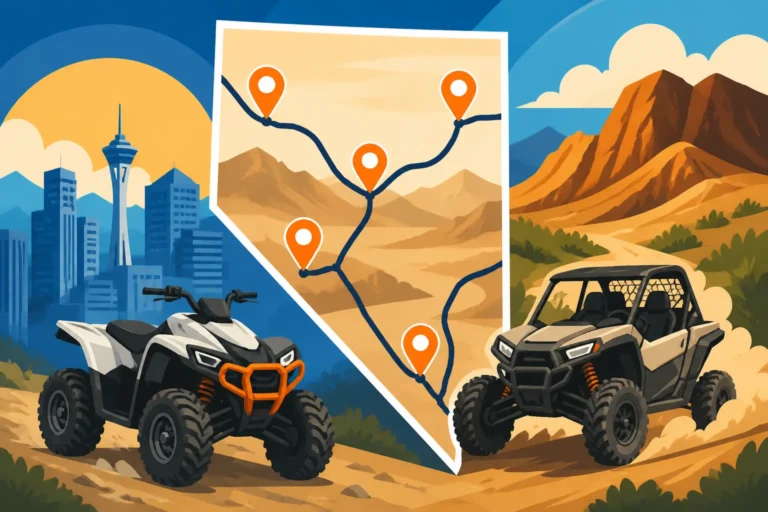
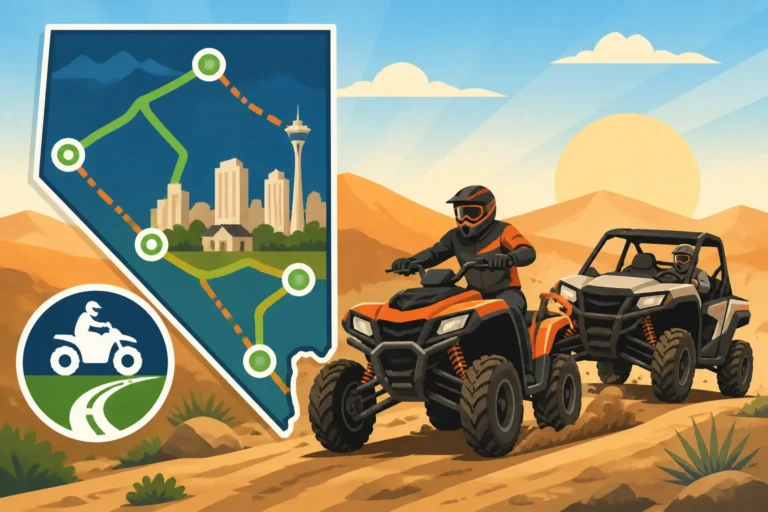
One of the biggest misconceptions about getting a Large ATV Decal is that it magically turns your UTV into a street-legal vehicle like a car or truck, allowing full access to all roads. This simply isn't the case in Nevada. The state has very specific regulations about where a large ATV, even with the proper decal, can be operated. Generally, your large ATV decal permits you to ride on certain [Nevada County Roads Open to UTVs] and other designated routes.
However, there are significant restrictions:
- Paved Highway Limit: Nevada imposes a [Nevada's 2-Mile Limit on Paved Highway] for crossing or using state highways. This means you can't just cruise down a major state route for miles on end. It's usually for getting from one trail to another, or for very short distances to access services.
- City Ordinances: Many cities, especially larger ones like Las Vegas, Reno, Henderson, and Sparks, have ordinances that prohibit OHVs from being operated on city streets. Your decal doesn't override these local bans. You need to be aware of [Nevada Cities That Require Designated OHV Routes] or those that ban them outright.
- Interstate Highways: Absolutely no OHV is permitted on interstate highways in Nevada.
- Designated Routes: Some areas might have specifically designated OHV routes within towns or counties, which you can use. Always check local regulations before you ride.
The bottom line is that the decal allows limited road use, often on minor county roads or to connect trail systems. It's crucial to research the specific areas you plan to ride in, because what's legal in one county might be prohibited just across the border. A good rule of thumb: assume you can't ride somewhere unless you've confirmed you can.
The Importance of Driver's License and Insurance
Beyond the decal and your machine's equipment, two critical personal requirements must always be met when operating a large ATV on Nevada roads: having a valid driver's license and proof of insurance. Without these, your Large ATV Decal is essentially meaningless in the eyes of law enforcement.
| Requirement | Description | Cost/Consideration |
|---|---|---|
| Large ATV Decal | State-issued decal permitting limited on-road use for qualifying large ATVs. | Dedicated fee (check DMV for current amounts). |
| Valid Driver's License | You must possess a standard Class C (or higher) driver's license from Nevada or another state. Learner's permits are usually not sufficient. | No direct cost beyond obtaining/maintaining your license. |
| Liability Insurance | Mandatory for all vehicles operating on public roads, including street-legal large ATVs. | Ongoing premium costs; varies by provider and coverage. |
| Required Equipment | Headlights, taillights, stop lamps, horn, mirrors, spark arrester, etc. | Varies greatly based on existing equipment and aftermarket upgrades (e.g., from SuperATV). |
| VIN Inspection | Verification of your vehicle's identity, usually done by a dealer or peace officer. | Dealer fees may apply. |
First, when you're pulled over or stopped by a deputy, one of the first things they'll ask for, after proof of registration, is your driver's license. [What a Deputy Asks for at a Roadside Stop] includes this crucial piece of identification. You must have a valid driver's license – not just a permit, but a full license – to legally operate any motor vehicle on public roads in Nevada, including your large ATV. This isn't just about the OHV laws; it's about general traffic laws that apply to all drivers.
Second, proof of insurance is non-negotiable. Nevada Revised Statutes (NRS) require liability insurance for all vehicles operating on public roads, and your large ATV is no exception. This protects you and others in case of an accident. If you're caught riding on a public road without the required insurance, you could face significant fines, penalties, and even suspension of your driving privileges. Make sure your insurance policy specifically covers your UTV for on-road use, as some off-road policies might have exclusions. Always carry your proof of insurance with you when you're riding on roads, alongside your vehicle's registration. These two items, along with your Large ATV Decal, are your golden ticket to legally enjoying those limited road miles.
Disclaimer
This article is for general informational purposes only and does not constitute professional advice. Laws, prices and regulations vary by location and change over time. Consult a qualified professional for guidance on your specific situation.