Nevada ATV Tours That Start in Las Vegas
Nevada ATV tours that start in Las Vegas can mean anything from a guided ride in the desert to a longer outing with hotel pickup and substantial travel time. The tricky part is comparing what is actually included: the riding area, time on the machine, transport, vehicle type, and rules. Use those details to choose a tour that fits your group and expectations.
What a Las Vegas ATV tour includes
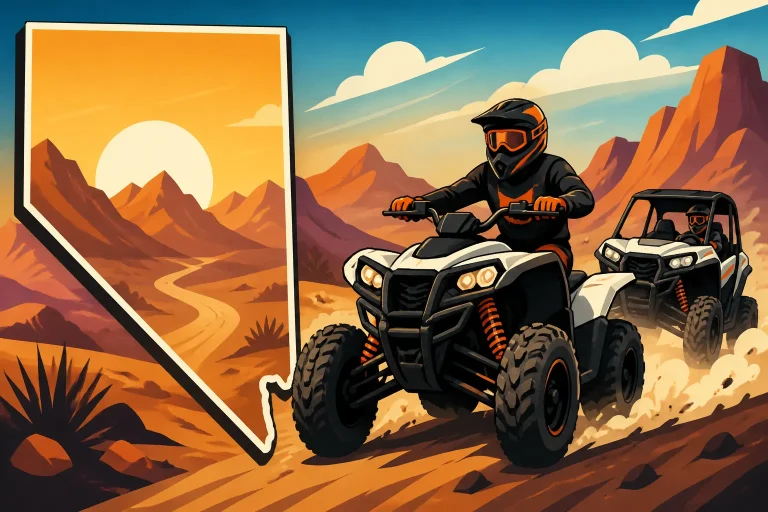
“Starts in Las Vegas” usually describes the tour’s meeting or pickup point, not where the riding happens. Many trips travel outside the city to reach a permitted desert riding area. Your day may include a drive to the trailhead, a safety briefing, gear fitting, guided riding, and a return transfer. The exact route and schedule depend on the operator and the day’s conditions.
That distinction matters when you compare listings. A tour advertised as a Las Vegas desert ride may spend only part of its total duration on the machine. The rest can be transportation, check-in, instruction, or stops. A shorter trip can work well if you want a taste of off-road riding; a longer outing may offer more time in the terrain but take up much of the day.
Before booking, look for a clear itinerary. It should tell you:
- Where the group meets, and whether hotel pickup is available
- How long the transfer to the riding area takes
- How much time is spent riding versus traveling
- Whether the tour is guided and how the group is managed
- What type of machine you will drive or ride as a passenger
- Whether helmets, goggles, water, and other essentials are provided
- What happens if weather or trail conditions disrupt the plan
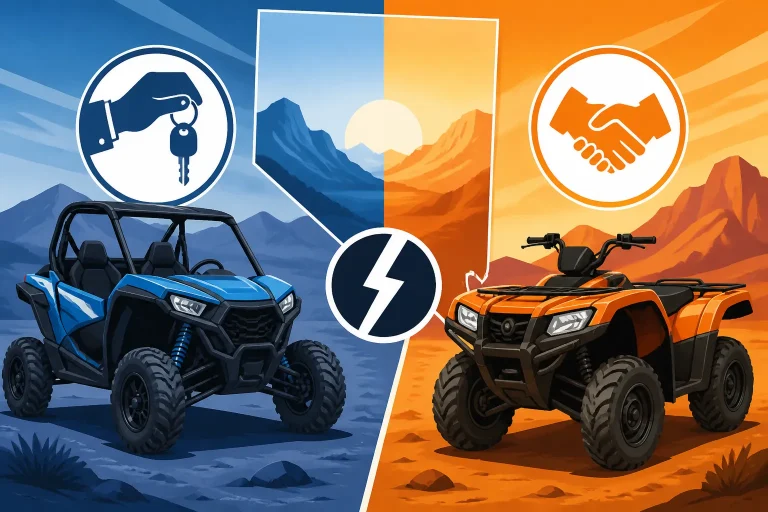
Listings can use “ATV,” “quad,” “dune buggy,” and “UTV” loosely, even though they are not the same kind of vehicle. Confirm the machine rather than choosing from the headline alone. If a trip is advertised as an ATV tour but the photos show a side-by-side, ask whether you will operate a single-rider quad or a multi-seat vehicle.
The same goes for “private,” “small group,” and “guided.” A private tour may still use a guide and follow a set route; it does not necessarily mean you can choose any trail or ride at your own pace. Ask the operator how large the group is, whether other bookings may join, and whether the guide can adjust the route for a first-time rider.
A useful comparison is the amount of riding you get for the full time commitment. If you have a limited schedule, check the door-to-door duration rather than relying on a tour’s headline length. For more examples of what listings may include, see Nevada ATV Tours With Hotel Pickup and Nevada ATV Tours With Water and Snacks.
Choose a riding area and landscape that suit you
Las Vegas is a convenient starting point, but tours can head to different kinds of desert terrain. The scenery and ride feel may change from one area to another, and a dramatic photo does not tell you whether a route is beginner-friendly or suitable for your group.
Some tours emphasize open desert views and broad, relatively straightforward routes. Others highlight dunes, rocky tracks, washes, or a mix of terrain. Dunes can be exciting but may require a different approach from a maintained dirt route. Loose sand, changing surface conditions, and visibility around other riders can make it a poor match for someone who expects a calm scenic drive.
The tour description should identify the general riding area or the kind of landscape you will visit. If it does not, ask before paying. An operator may not publish every route in advance, but it should still be able to explain the terrain, expected difficulty, and whether the ride includes sand or steep sections.
| Tour feature | What to check | Better fit for |
|---|---|---|
| Open desert route | Surface, dust, exposure, and how closely the group stays together | Riders seeking broad views and a guided introduction |
| Dune-focused ride | Sand conditions, vehicle type, pace, and how the guide handles climbs | People who want a more active ride and are comfortable with loose terrain |
| Rocky or mixed route | Bumps, clearance, and whether the ride includes narrow sections | Riders who want varied terrain and can follow instructions |
| Scenic tour with stops | How much riding time remains after photo or viewpoint stops | Groups prioritizing scenery over continuous driving |
| Longer outing outside the city | Transfer time, meal or water arrangements, and return schedule | Visitors who can set aside a large part of the day |
These are broad categories, not guarantees about a particular itinerary. Conditions can change, and operators may alter routes for safety, land access, or weather. Ask whether the route is chosen on the day and what happens if the planned area is unavailable.
Several tour listings focus on well-known destinations outside central Las Vegas. For example, Valley of Fire ATV Tours From Las Vegas can help you compare outings marketed around that landscape, while Mojave Desert Tours in Southern Nevada covers the wider desert-tour category. Do not assume that a tour visits a particular park or protected area just because the name appears in a listing. Confirm the actual riding location and whether the itinerary includes a scenic stop, a ride nearby, or a visit to the named destination.
A tour’s location also affects your day beyond the ride. A more distant trailhead means more time in a transfer vehicle and less flexibility if you have a show, dinner reservation, or flight afterward. If your schedule is tight, ask for an estimated return time and leave a buffer rather than planning another fixed activity immediately after the tour.
Decide whether you want an ATV, a UTV, or a guided tour
The vehicle determines how involved the ride feels and who can participate. An ATV is generally a single-rider machine operated with handlebars. A UTV, often called a side-by-side, has a steering wheel and seats for a driver and passenger or several occupants, depending on the model. A “dune buggy” listing may refer to a UTV-style vehicle, but the label alone is not enough to confirm the setup.
A quad for a hands-on ride
A quad gives the driver direct control and a more exposed riding position. It can feel more active than sitting in a side-by-side, but it may demand more balance, coordination, and comfort with uneven ground. If you have never ridden an ATV, tell the operator. A beginner tour may use a slower pace, a practice area, or a route selected for new riders, but you should confirm how instruction works.
Some operators set minimum age, height, or other participation requirements for drivers. Those rules are not interchangeable across companies or vehicles. A child who can ride as a passenger in a UTV may not be eligible to operate a quad. Check the specific requirements for every person in your group before booking.
A UTV for shared seating
A UTV can suit couples, families, or friends who want to share one vehicle. The driver still needs to operate it responsibly, but passengers do not have to control a separate machine. This can be a more comfortable choice for people who prefer a seat belt, a passenger seat, or the option to ride without driving.
Confirm how many people fit in the vehicle and whether the listed capacity includes the guide. Ask if every passenger has a seat belt and whether children need a particular seat or restraint. Do not assume that a child can ride simply because the vehicle has an open seat.
If you are deciding between a tour and a self-drive rental, the key difference is support and control over the day. A guided tour usually supplies a set route, a leader, and a schedule. A rental may give you more independence, but it also puts more responsibility on you to understand the permitted riding area, vehicle restrictions, and return arrangements. The comparison in Renting an ATV in Nevada and Nevada Rentals Versus Buying a Machine can help clarify the options.
Guided does not mean risk-free
A guide can explain controls, set expectations, lead the group, and respond when someone has a problem. That support is valuable, especially for first-time riders. It does not eliminate the need to follow instructions or keep a safe distance. Ask how guides communicate with the group and what happens if a rider falls behind or needs to stop.
For beginners, the operator’s teaching approach can matter more than the advertised speed or vehicle model. Ask whether you can practice before leaving the staging area, whether the guide adjusts pace for the slowest rider, and whether there are sections you can bypass. Nevada ATV Tours for Beginners is a useful comparison when you are looking for an outing that clearly accommodates new riders.
Compare the full schedule and cost, not just the headline
Tour prices and inclusions vary by operator, vehicle, group size, season, and booking channel. A low advertised total may not include every item you need, while a higher total may include transport or gear that would otherwise be an extra expense. Because prices and policies can change, check the provider’s current listing and confirm the final amount before you commit.
Build a like-for-like comparison. Check the number of riders included, whether the price is per person or per vehicle, and whether passengers pay a separate amount. Ask whether transport, protective equipment, water, taxes, or other required charges are included. Do not treat a listing’s “from” price as the cost for your whole party.
| Cost or schedule detail | Question to ask |
|---|---|
| Booking basis | Is the amount charged per rider, per vehicle, or per booking? |
| Vehicle | Is one machine included, and can the group share it? |
| Transfer | Is hotel pickup included, optional, or unavailable? |
| Gear | Are helmets and goggles supplied, and is there a charge for other equipment? |
| Tour duration | How much is riding time, and how much is travel or instruction? |
| Added charges | Are there taxes, required fees, or optional upgrades at checkout? |
| Group size | Is the tour private, or can additional customers join? |
| Changes and cancellation | What are the deadlines and conditions for changing plans or receiving a refund? |
When comparing booking channels, distinguish the company operating the ride from the platform displaying the listing. Viator can be useful for comparing available excursions and reading booking details, but the local operator is the party to ask about the vehicle, pickup, route, and day-of logistics. Check whether the listing identifies the operator and whether the operator’s direct information is available.
Likewise, if you are looking at Polaris Adventures, confirm that the specific offer is a guided tour or a rental, and where the machine is actually available. A brand name or vehicle photo does not by itself confirm that a particular Las Vegas itinerary, pickup, or guide is part of the booking.
Read the cancellation and weather terms before paying. Desert weather may be hot, windy, dusty, or wet, and a company may need to change or cancel a ride when conditions make it unsafe. Find out whether a schedule change results in a rescheduled trip, a credit, or a refund under the current policy. The details can differ between the booking platform and operator, so make sure you know which terms apply. For more on the policy questions to compare, see Nevada ATV Tour Cancellation Policies.
Check participation rules, safety, and accessibility
Tour operators set requirements for drivers and passengers. They may consider age, height, weight, physical ability, driving experience, or the ability to understand safety instructions. These rules can vary by vehicle and provider, so do not rely on another company’s requirements or an old listing.
Before booking, give the operator accurate information about your group. If someone is a minor, has limited mobility, is pregnant, or has a medical issue that could affect riding, ask the company whether the activity is appropriate and what accommodations are possible. Do not assume a passenger seat makes a tour accessible. Entry, seating, heat, dust, vibration, and the distance from parking to the vehicle can all matter.
A driving license may be required for the person operating a vehicle, especially for some UTV rentals or tour formats. Requirements vary, and an international visitor may need to ask what documents are accepted. Confirm directly with the operator rather than assuming that a license used at home will meet every condition.
What a safety briefing should cover
A proper briefing should explain the controls, stopping, spacing, hand signals or other communication, group pace, and what to do if a machine stalls or someone becomes separated. It should also cover the route’s hazards and the guide’s instructions for hills, sand, rocks, or water crossings if those features are present.
Pay attention even if you have ridden before. Different machines can respond differently, and a guided group may have rules that keep the ride predictable for everyone. If you do not understand a control or instruction, ask before setting off. A tour is not the right place to improvise or to keep up by riding faster than you can safely manage.
Helmets are central protective equipment for off-road riding. Confirm what the operator supplies and whether the equipment fits each rider. Goggles or other eye protection can help with dust and flying debris. Clothing should protect skin from sun, dust, and contact with the vehicle; sandals and loose items are poor choices for an off-road ride.
The route itself also affects risk. Loose sand, uneven ground, dust, heat, and other vehicles can all require attention. Keep the distance the guide recommends, do not pass without permission, and do not attempt a hill or obstacle because another rider did. If you feel unwell or uncomfortable, tell the guide rather than silently continuing.
For clothing and dust-specific preparation, compare Nevada Tours and What to Wear and Nevada Tours and Dust Protection. These considerations are not just about comfort: sun exposure, grit in the eyes, and dehydration can make it harder to enjoy the ride and follow instructions.
Heat, hydration, and the desert environment
A tour can be physically demanding even when you are seated for much of it. Sun exposure and reflected heat can build quickly, and a helmet or goggles may feel warmer than expected. Drink water before the trip and follow the operator’s instructions about bringing fluids. Ask whether water is provided, whether you can carry a bottle on the vehicle, and whether there are breaks.
Weather can change the experience. Wind may increase dust, rain can affect access or traction, and high temperatures can make a midday ride uncomfortable. The operator makes the final call on whether conditions are suitable, but you can help by choosing a time and trip length that match your comfort level. If you are sensitive to heat or motion, ask about the route and expected exposure before booking.
Plan transportation, pickup, and the day around the ride
The pickup arrangement can be as important as the machine. Some tours have a designated meeting point; others may offer hotel transportation. “Hotel pickup” can have limits, such as a defined service area, a particular meeting time, or a requirement to confirm your location in advance. Verify the exact address and time in the booking confirmation.
If you are meeting the tour yourself, check parking and arrival instructions. Ask how early you should arrive for waivers, identification checks, gear fitting, and the briefing. Being late can affect the whole group, and a tour may not be able to wait for a customer who misses departure.
For a pickup-based tour, provide a working phone number and watch for messages from the operator. Confirm the hotel name, entrance, and pickup point. Large resorts can have several entrances and traffic areas, so “meet outside” may be too vague. Get a specific location and contact method.
Leave space after the tour. Return times can shift because of traffic, group pace, or operational changes. Avoid booking a show, restaurant reservation, or flight with a tight connection after the scheduled finish. If you have a fixed commitment, ask the operator how much buffer it recommends and whether the return point is the same as pickup.
Pack for the whole outing, not only the ride. Keep valuables secure and avoid bringing items that cannot be protected from dust. If you wear prescription glasses, ask whether they fit under the supplied goggles. Follow the operator’s rules about phones, cameras, bags, and loose accessories; a device that is easy to drop can become a distraction or a hazard.
Consider who is responsible for personal belongings during the activity. Some tours may have a place to store items at the staging area, but you should confirm rather than assume. Do not bring more than you can safely secure, especially if you will be riding in an open vehicle.
If the tour includes a long transfer, plan for motion sickness or discomfort. Eat in a way that suits you before departure, bring any personal medication you may need, and ask whether there are stops. Do not take a medication that affects alertness and then operate a vehicle unless a qualified clinician has said it is safe and the operator permits participation.
Book carefully and prepare for common problems
A little checking before checkout can prevent the most common disappointments: booking the wrong vehicle, misunderstanding pickup, underestimating travel time, or finding out that a participant does not meet the requirements.
Use this sequence:
- Choose the experience. Decide whether you want to drive a quad, share a UTV, or ride as a passenger. Then narrow the options by terrain, tour length, and group style.
- Check every participant’s eligibility. Confirm age, license, height, and other requirements directly with the operator, especially for children and anyone with mobility or health concerns.
- Read the itinerary closely. Separate riding time from transfer time, and confirm the riding area, meeting point, and expected return.
- Compare the total booking cost. Check what is included, how the booking is charged, and whether there are required additions.
- Read the change policy. Confirm how weather, lateness, illness, and schedule changes are handled.
- Save the confirmation and operator contact. Keep the meeting instructions accessible and check for updates before departure.
- Arrive ready to listen. Wear suitable clothing, follow the gear instructions, and tell the guide if you need help or do not understand a control.
If details in a third-party listing conflict with the operator’s confirmation, contact the operator before travel. Ask a specific question rather than relying on a general assurance. For instance: “Is pickup included from this hotel?” or “How many minutes are spent riding?” A precise answer helps you compare the offer and leaves less room for mismatched expectations.
Be cautious about assuming that a photo represents the exact machine or route. Tour fleets may change, and the image may show a different model or a promotional setting. Ask what vehicle category you will receive and whether the ride is shared. If the answer matters to your decision, get it in writing through the booking channel.
For a group, appoint one person to verify the booking details and share them with everyone. Each participant should know the arrival time, clothing requirements, identification needed, and rules about driving versus riding as a passenger. A group member who expects to drive but is booked only as a passenger can create a difficult problem at check-in.
If you are visiting Las Vegas for a larger trip, weigh the tour against other ways to reach the desert. A guided outing removes some navigation and access uncertainty, but follows a schedule and a set route. A rental offers a different level of independence and responsibility. A tour is often the simpler choice when you have limited time, no off-road experience, or do not want to handle transport and route planning yourself. A rental may be more appealing if you have suitable experience and have confirmed the permitted area and rental rules.
Frequently Asked Questions
Do Las Vegas ATV tours ride inside the city?
Usually, the phrase refers to a Las Vegas meeting or pickup point. The actual ride may take place outside the city in a permitted desert area. Confirm the riding location and transfer time with the operator.
Is an ATV tour suitable for someone who has never ridden?
It can be, if the operator accepts beginners and provides suitable instruction and a manageable route. Ask about practice time, group pace, and whether the tour includes terrain such as dunes or steep sections. See Nevada ATV Tours for Beginners when comparing options.
Can children join a Las Vegas ATV tour?
Some tours allow children as passengers, while driver eligibility and age rules vary. The vehicle, child’s age and size, and operator policy all matter. Confirm requirements for each child before booking.
Does a tour include hotel pickup?
Not always. Pickup may be included, offered only in certain areas, or unavailable. Check the exact hotel, meeting point, and pickup time in the current listing and confirmation.
Should I book a quad or a side-by-side?
Choose a quad if you want to operate a single-rider machine and are comfortable with its controls. Choose a UTV if you prefer a seated, shared vehicle or want to ride as a passenger. Confirm the exact machine and seating arrangement before paying.
Disclaimer
This article is for general informational purposes only and does not constitute professional advice. Laws, prices and regulations vary by location and change over time. Consult a qualified professional for guidance on your specific situation.