Crossing SR 169 Near Valley of Fire
Ah, the dilemma of being out in the vast, beautiful Nevada desert, riding your favorite ATV or UTV, only to find that the next incredible trail, the next dune, or even just the path to your camp, requires you to cross a paved state route. It's a common frustration, especially when you're in an iconic area like near the Valley of Fire. You're trying to explore, not commute! This guide is all about navigating those specific rules for getting your off-highway vehicle safely and legally across Nevada's state roads, focusing on the real-world challenge of crossing SR 169 near the stunning Valley of Fire.
Understanding Nevada's Rules for Crossing State Routes
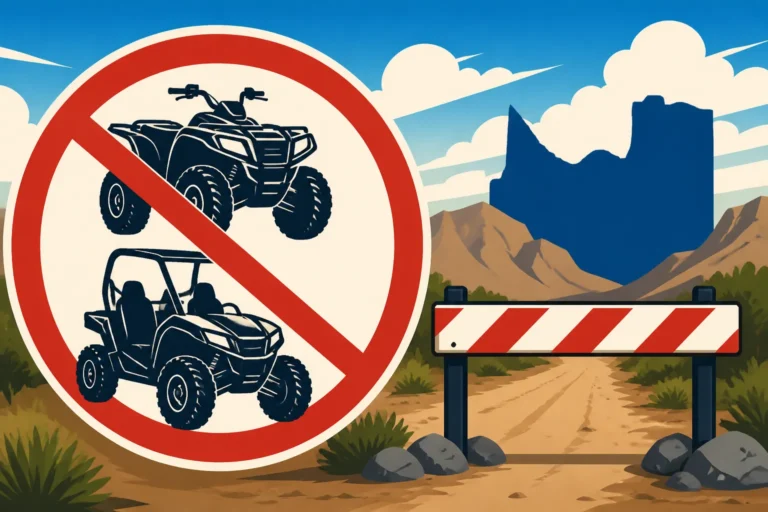
Let's be real, Nevada isn't exactly a "street legal everywhere" state for OHVs like some others. You can't just hop on SR 169 and cruise down to the grocery store on your UTV. The state has very specific provisions for when and how an off-highway vehicle can even touch a paved road, especially a state highway. Ignorance of these rules isn't bliss out here; it's a ticket waiting to happen.
The "Crossing Only" Provision
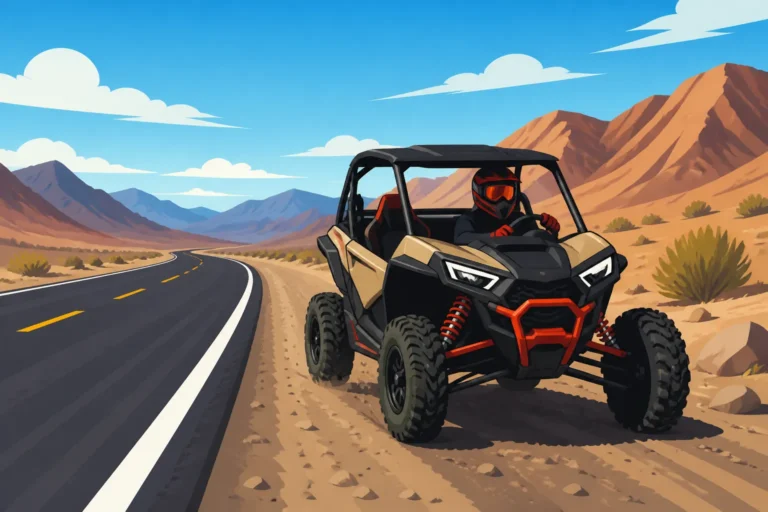
Nevada Revised Statute (NRS) 490.100 clearly outlines that OHVs are generally prohibited on highways. However, there's a crucial exception: you can cross a highway if it's the most reasonable route to access an approved off-highway trail or area. This isn't a free pass to ride a mile down the shoulder; it's meant for a direct, perpendicular crossing. The intent is to get from one side of an off-highway area to another, where a paved road happens to separate them. Think of it as a brief interruption in your off-road adventure, not an extension of it. The key here is "most reasonable route," implying no other practical way to continue your ride without using the pavement. It's a pragmatic approach to connect fragmented trail systems.
It’s also important to understand the nuance between "crossing" and "riding along." Nevada law allows for very limited instances where an OHV might travel along a highway shoulder or a designated minor county road, but a state route like SR 169 falls under stricter rules. Generally, if you're on a state highway, you're looking at a swift crossing, not a joyride down the shoulder. [Nevada Rules for Crossing a State Route] delves into these specifics.
Equipment Requirements for Road Use
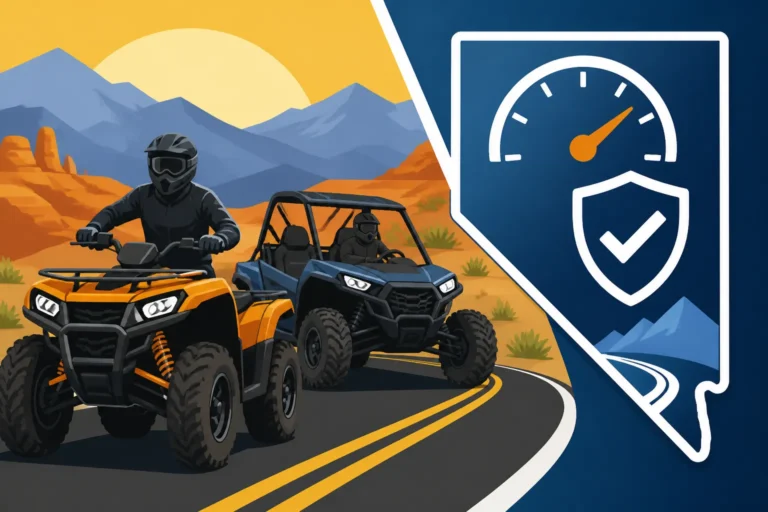
Even for a quick hop across the blacktop, your machine needs to be equipped for the road. This isn't just about safety; it's about legal compliance. The rules are designed to make sure your OHV is visible and predictable to other drivers sharing the road, even if only for a few seconds.
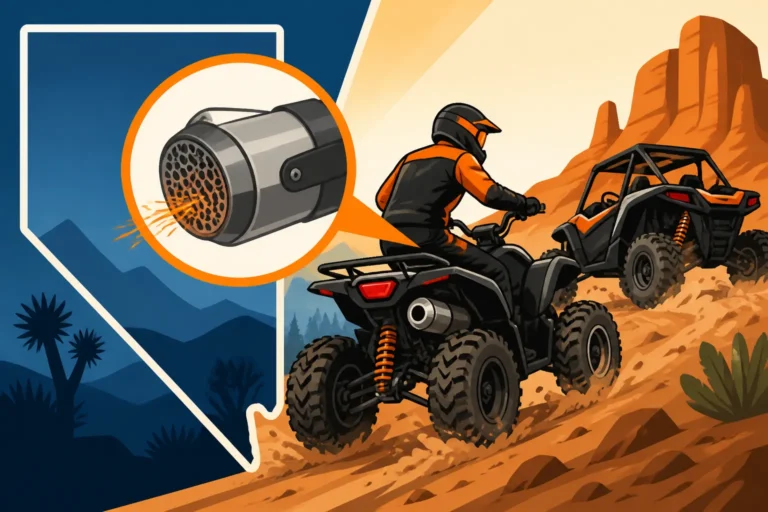
First and foremost, you need proper lighting. Your ATV or UTV must have [Headlights and Taillights Visible 500 Feet] both front and rear. This means they need to be on, functioning, and clean. Imagine crossing a highway at dusk or dawn; that visibility is paramount. Many aftermarket accessories, like those from SuperATV, offer robust lighting solutions that exceed basic requirements, ensuring you're seen no matter the conditions. Beyond lights, a working brake light is non-negotiable. You'd be surprised how often riders neglect to check these before heading out. A horn, while not strictly required for every off-road scenario, is absolutely essential for any street-legal interaction, even a crossing.
Reflectors are another often-overlooked item. These passive safety devices can make a huge difference in low light conditions. While a properly functioning taillight might fulfill some of the rear reflector requirements, having additional, visible reflectors, particularly on the sides of your machine, adds an extra layer of visibility to approaching traffic.
It’s worth noting that if you’re trying to make your UTV more extensively street legal for those [Nevada County Roads Open to UTVs] where it is permitted, you'd need a more comprehensive setup including mirrors, turn signals, and potentially a windshield, but for a state highway crossing, the focus is heavily on visibility and basic control.
Driver and Insurance Requirements
Just like driving any other vehicle on a public road, you need to meet certain personal qualifications. This isn't just about your machine; it's about you, the operator.
The most fundamental requirement is a valid driver's license. If you're going to operate any vehicle on a paved public road in Nevada, even for a moment, you need to be a licensed driver. [The Driver's License Nevada Wants on Roads] is a Class C (standard passenger vehicle) license. A learner's permit won't cut it, nor will an expired license.
Then there's insurance. While insurance isn't always mandatory for off-road riding on private land, it becomes critical when you interact with public roads. For any vehicle operating on a public road, including an OHV making a legal crossing, liability insurance is required. [Insurance Nevada Requires for Road Use] covers the basic minimums, which are put in place to protect others in case of an accident. While you might feel like you're only on the road for a moment, accidents can happen quickly, and being uninsured leaves you in a very precarious position, both legally and financially. Always carry proof of insurance with you; a digital copy on your phone or a physical card is sufficient.
Finally, while helmets aren't mandatory for adults on all off-road trails in Nevada, they are generally required for road use, especially for riders and passengers under the age of 18. [Nevada Helmet Rules for Road Riding] are pretty clear on this. Given the inherent danger of crossing a high-speed state highway, wearing a helmet is just plain smart, regardless of the law. It’s an extra layer of protection that could save your life if an unexpected issue arises.
Navigating SR 169 Near Valley of Fire: Specifics and Challenges
SR 169 is a two-lane state highway that winds through some incredibly scenic areas, including the approach to the Valley of Fire State Park. For riders exploring the vast BLM lands and trail systems in the Logandale area, crossing SR 169 is often a necessity to connect different riding zones.
Why SR 169 is a Common Crossing Point
The Logandale Trails system, a massive network of off-highway vehicle trails, lies on both sides of SR 169. On one side, you have the more technical canyons and washes closer to Logandale town, and on the other, you have more open desert and access points further north. [Logandale Trails Beside Nevada's Valley of Fire] are a major draw, and it's not uncommon for riders to plan routes that involve traversing this state route.
The road itself is often relatively quiet, especially compared to major interstates, but traffic can pick up significantly on weekends, holidays, or during peak tourist seasons for the Valley of Fire. Many recreational users, from hikers to campers and sightseers, use SR 169, often driving at highway speeds. This mix of recreational traffic and local commuters makes situational awareness crucial for OHV riders. [Driving to Logandale on Nevada SR 169] itself offers stunning views, but you need to keep your eyes peeled for cars, not just scenery, when planning a crossing.
Identifying Safe Crossing Locations
Not all crossing points are created equal. You can't just pick any random spot on SR 169 and dart across. Safety is paramount, and choosing the right location makes all the difference.
- Visibility: Look for areas where you have long, clear sightlines in both directions. Avoid blind curves, hillcrests, or dips in the road where oncoming traffic might not see you until it's too late. The straighter the section of road, the better.
- Shoulder Width: While you shouldn't ride on the shoulder of a state highway, a wider, stable shoulder at your crossing point provides a safer staging area to assess traffic before entering the roadway. It gives you a little extra buffer zone from fast-moving vehicles.
- Designated Crossings: In some areas, local authorities or trail organizations might have indicated preferred crossing points with signage. Always prioritize these if available, as they've likely been chosen for optimal safety and visibility. However, near Logandale and Valley of Fire, formal OHV crossing signs on SR 169 are rare, so you'll rely on good judgment.
- Minimizing Time on Pavement: Your goal is to cross directly, perpendicularly, and with as little hesitation as possible. The less time you spend on the paved surface, the lower your risk exposure. This means choosing a spot where the off-road access on both sides is relatively clear and easy to navigate, so you're not getting stuck in a ditch on the other side.
Avoiding Common Missteps
Riders often make a few key mistakes when attempting to cross state routes like SR 169, which can lead to dangerous situations or expensive citations.
- Riding Along the Shoulder: This is a big no-no. As mentioned, the allowance is for crossing, not traveling. Even if it's just a short distance to a better crossing point, riding along the shoulder of a state highway is illegal and incredibly dangerous. Vehicles are moving fast, and you're far less visible. You should ride your OHV to the edge of the pavement, stop, assess, cross, and immediately exit the pavement.
- Underestimating Traffic Speed: While SR 169 isn't an interstate, vehicles are typically traveling at 55 mph or faster. What looks like a safe gap when you're standing still can close very quickly when you're trying to accelerate a heavy OHV across two lanes. Always give yourself a much larger margin of error than you think you need.
- Not Having Proper Documentation: A deputy or state trooper can pull you over if they see you on a state highway, even if you're making a legal crossing. If you don't have your [Nevada OHV Registration and Proof of Ownership], driver's license, and proof of insurance, you're looking at fines. This isn't the place to gamble. Keep your paperwork in a waterproof bag on your machine.
- Assuming Drivers See You: Never assume. Even with bright lights and a bright machine, drivers can be distracted. Make eye contact if possible, and always be prepared for them not to have seen you. Bright riding gear, including helmets, can help improve your profile.
Practical Tips for a Smooth and Legal Crossing
Being prepared and executing the crossing deliberately is key to staying safe and legal. Think of it like a brief, intense exercise in road safety.
Pre-Ride Checklist for Road Segments
Before you even leave your staging area, if you know your route involves crossing SR 169, run through a quick mental checklist:
- Lights On and Functional: Are your headlights, taillights, and brake lights working? Are they clean and free of mud or dust that might obscure them? A quick wipe down before hitting the pavement takes seconds but dramatically increases visibility.
- Horn Check: Give it a quick toot. Is it loud enough to be heard over your engine and traffic?
- Tire Pressure: While primarily for off-road performance, ensuring your tires are properly inflated for your machine's weight helps with stability and control on the short paved stretch. For off-road-focused machines, sometimes a little lower pressure is better off-road, but for maximum control and stability on pavement, closer to the higher end of the recommended range is generally better.
- Driver's License and Insurance: Is it accessible? Do you know exactly where it is? Don't be fumbling through bags when an officer asks.
- Machine Performance: Is your engine running smoothly? Can you accelerate quickly if needed? You don't want to stall halfway across the road.
Consider investing in aftermarket upgrades like brighter LED lights from SuperATV. They often offer significantly improved light output and durability compared to stock units, which can be a huge asset when you need to be seen quickly by fast-moving traffic.
On-Road Conduct and Safety
When it's time to actually make the crossing, focus completely on the task at hand.
- Stop Completely: At the edge of the pavement, come to a complete stop. Do not roll through.
- Look Both Ways, Multiple Times: Scan for traffic. Look left, then right, then left again. Pay attention to how fast vehicles are approaching. Estimate the gaps. If you see a particularly large gap, make your move. If you're riding with others, communicate clearly.
- Cross Directly and Decisively: Once you commit, accelerate smoothly and cross directly across the lanes, aiming for the opposite side. Do not weave or hesitate. Your goal is to minimize your time on the pavement.
- Signal Intent (if equipped): If your UTV has turn signals, use them to indicate which way you are heading off the pavement on the other side. This adds another layer of communication with drivers.
- Be Aware of Passengers: If you have passengers, especially children, ensure they are properly secured and understand the importance of being still and quiet during the crossing. [Nevada Rules for a Child Passenger on a Road] emphasize safety and proper restraint.
It’s always a good idea to scout out the crossing point beforehand if possible, especially if you're unfamiliar with the area. Sometimes a very short walk can save you a lot of grief. Remember, you're effectively merging into highway traffic, albeit very briefly.
What to Do if Stopped by Law Enforcement
Even if you're doing everything right, you might still get stopped. Law enforcement officers patrol these areas, and they're always on the lookout for OHV riders straying where they shouldn't.
- Pull Over Safely: If a patrol vehicle signals you to stop, find the safest place off the pavement immediately, preferably on the shoulder or a nearby dirt pull-off. Turn off your engine.
- Remain Calm and Respectful: Keep your hands visible, ideally on the handlebars or steering wheel. Wait for the officer to approach.
- Provide Documents Promptly: When asked, present your driver's license, OHV registration, and proof of insurance without hesitation. Having them ready can de-escalate the situation quickly.
- Explain Your Intentions: Politely explain that you were making a legal crossing to access trails on the other side of the highway, as permitted by Nevada law. State your intended direction of travel.
- Comply with Instructions: If the officer gives you instructions, follow them. If they say to turn around, or take a different route, do so. Arguing will only make things worse.
Most officers in these rural areas are familiar with OHV activity and the specific crossing provisions. They understand that riders need to connect trails. If you're clearly following the rules, equipped correctly, and polite, you're far more likely to get a warning or simply be sent on your way, rather than receive a citation.
| Requirement | Off-Road (General) | Paved Road Crossing (SR 169) |
|---|---|---|
| Registration Decal | Required | Required |
| Driver's License | Not always | Required |
| Liability Insurance | Not always | Required |
| Headlights | After dark | Required (Day or Night) |
| Taillights | After dark | Required (Day or Night) |
| Brake Light | Not always | Required |
| Horn | Not always | Required |
| Helmet | Recommended (18+) | Required (<18), Recommended (18+) |
| Street Tires | Not required | Not required (but DOT are better) |
| Mirrors | Not required | Not required (unless 'Large ATV') |
| Purpose | Recreation | Direct, perpendicular access to trail |
This table clearly shows the stepped-up requirements when even briefly touching a paved road. It's not just about staying safe; it's about staying out of trouble with the law.
Crossing SR 169 near Valley of Fire, or any other state highway in Nevada, requires respect for the rules and a keen sense of awareness. By understanding the "crossing only" provision, ensuring your machine is properly equipped for the road, and adhering to safe driving practices, you can confidently and legally connect those amazing Nevada trails without unwanted interruptions.
Disclaimer
This article is for general informational purposes only and does not constitute professional advice. Laws, prices and regulations vary by location and change over time. Consult a qualified professional for guidance on your specific situation.