Crossing US 50 on the Way to the Dune
It's a common scenario for off-road enthusiasts: you've loaded up your ATV or UTV, the dunes are calling, and then you hit that stretch of pavement. Often, it’s a major artery like US 50, slicing right through the landscape, and you wonder, "Can I just cross this, or even ride a short distance, to get to the dirt?" The confusion around Nevada's off-highway vehicle (OHV) laws on paved roads, especially state highways, can be incredibly frustrating. This guide will walk you through the specifics of navigating state routes like US 50 with your OHV, ensuring you stay legal and safe on your way to adventure.
The Reality of Nevada's Highway Rules for OHVs
Let's be real: Nevada is an off-road paradise, but that doesn't mean every road is open to every machine. State highways, like US 50, are fundamentally different from dirt trails or even designated county roads when it comes to OHV access. The laws are in place to ensure safety for both OHV riders and regular motorists, and understanding them is your first line of defense against an unexpected citation.
State Highways vs. County Roads: A Critical Distinction
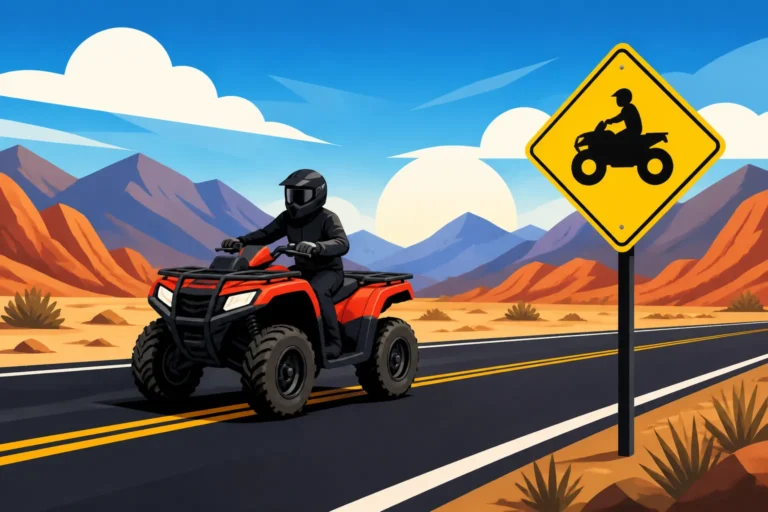
One of the biggest sources of confusion for riders is the difference between state highways, like the iconic US 50 or SR 169 near Valley of Fire, and minor county roads. While some minor county roads may allow for limited OHV travel under specific conditions, state highways are generally much more restrictive. Think of US 50 as a main thoroughfare primarily for cars, trucks, and other street-legal vehicles. The speed limits are higher, the traffic volume can be significant, and the expectation is that all vehicles on it are fully compliant with standard road laws.
Your ATV or UTV, even if registered with a Nevada OHV decal, isn't considered "street legal" in the same way a car is. This means that prolonged travel on these major paved routes is almost always prohibited. Trying to ride your side-by-side down the shoulder of US 50 for miles to get to an obscure trailhead, even if it feels safer than a busy two-lane highway, is a recipe for trouble. Law enforcement takes these distinctions seriously, and ignorance of the law isn't an excuse that will save you from a fine.
The Purpose of Your Nevada OHV Decal
Your Nevada OHV decal, whether it's the one-year or [Nevada's $60 Three-Year Decal], is fantastic for indicating that your machine is registered and legal for use on designated public lands. It shows you've paid your dues and contributed to trail maintenance and other OHV-related programs. However, this decal does not magically transform your off-highway vehicle into a street-legal vehicle capable of cruising down US 50 with cars and trucks.
Many riders mistakenly believe that once they have that decal, they can ride anywhere, including highways, for short distances. This simply isn't the case for continuous travel. The decal allows you to ride on thousands of miles of trails, open lands, and some unpaved county roads, but the paved state highway system has its own set of rules entirely. Understanding [What a Nevada OHV Decal Actually Proves] is crucial to avoiding misunderstandings with law enforcement. It proves registration for off-highway use, not road legality.
Navigating US 50: When is a Cross or Short Ride Permitted?
While prolonged riding on US 50 is out, Nevada law does make allowances for very specific scenarios, primarily when you need to cross a highway or travel a minimal distance to access a trail or another road. These exceptions are narrow and come with strict requirements.
Nevada's 2-Mile Rule for Paved Roads
Nevada Revised Statute (NRS) 490.060 addresses the use of OHVs on highways. This is where the famous "2-mile rule" comes into play. It states that an OHV may be operated on a highway for a distance of not more than 2 miles if it's for the purpose of crossing the highway or gaining access to another approved route for off-highway use. This is a critical distinction: it's not permission to joyride on the highway, but rather a practical allowance for connecting trail systems or getting to a staging area.
So, if you're trailering your machines to Sand Mountain, for instance, and the last mile or so to the staging area requires you to briefly use US 50 or a state route exit ramp, the 2-mile rule might apply. However, this isn't carte blanche. You still need to operate your OHV in a safe manner, obey all traffic laws, and exercise extreme caution. Remember, this rule is about necessity, not convenience. If there's an alternative dirt route, even if it's a bit longer, it's always the safer and legally preferred option. Ignoring the spirit of this rule can land you in hot water, even if you technically stay within the 2-mile limit.
Crossing US 50: The Most Common Scenario
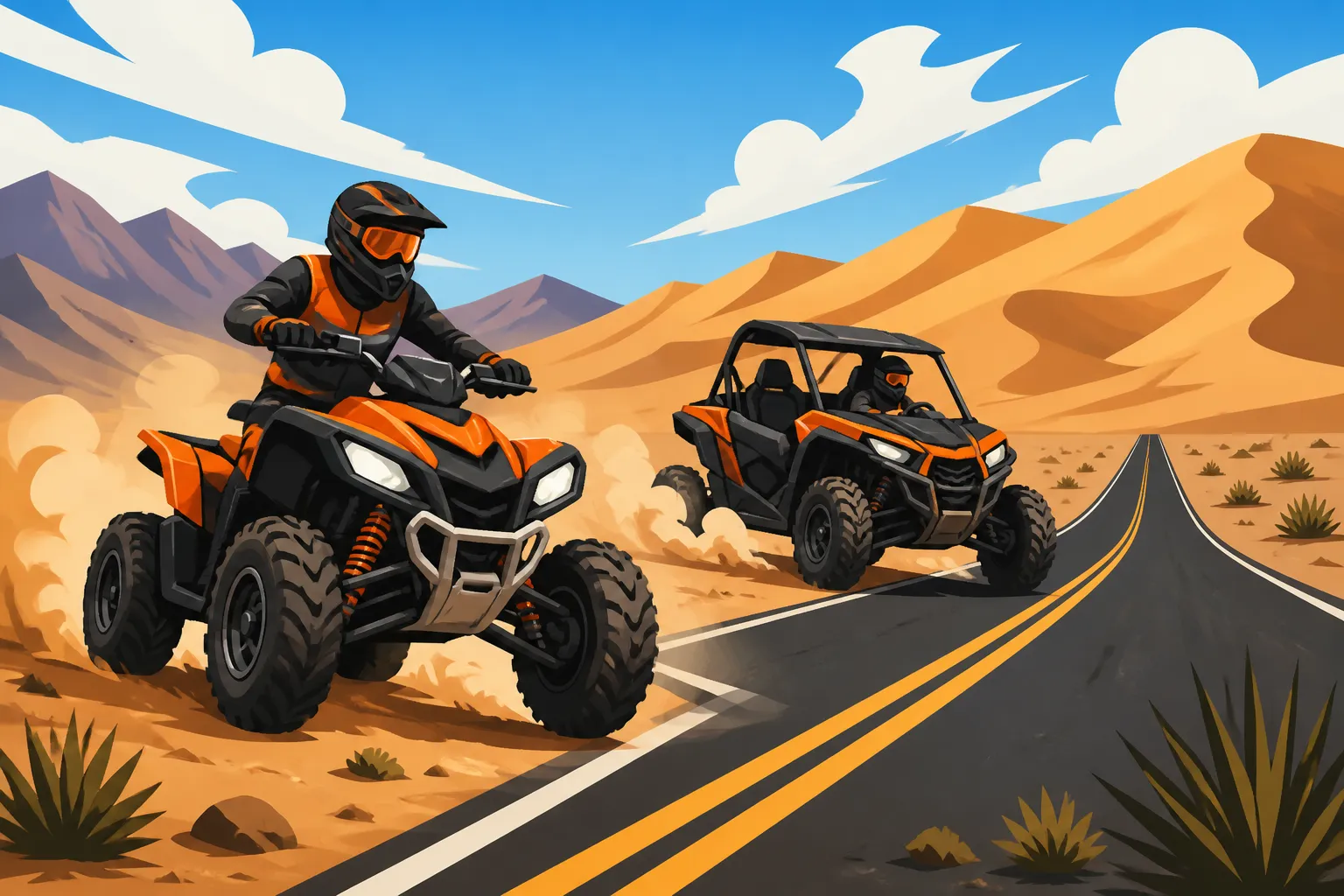
The most common situation where you might encounter US 50 with your OHV is needing to cross it. Perhaps your staging area is on one side, and the main dune access road is directly across the highway. In this instance, Nevada law generally permits crossing at a right angle to the highway, but with paramount attention to safety. This means you approach the highway, yield to all traffic, cross directly, and immediately exit onto the dirt. You should never "cruise" down the highway for any distance if your primary intent is to cross.
When performing such a crossing, visibility is key. Wearing bright clothing, ensuring your machine's lights are on (even during the day), and making eye contact with any approaching drivers can literally save your life. It's a quick, high-risk maneuver that requires your full attention. While a quick crossing might seem minor, remember that state highways are often traveled at high speeds, and your OHV is far less visible and maneuverable than a standard vehicle. You're entering a very different operating environment, even if just for a few seconds.
The "Large ATV Decal" and State Highways: A Misconception
Some riders confuse the allowance for "large ATVs" (generally UTVs with certain features like four seats or a truck bed) to ride on minor county roads with permission to ride on state highways. Let's be clear: [What Nevada's NRS 490.043 Counts as a Large ATV] and the associated "large ATV decal" allows for travel on specifically designated county roads, not state highways like US 50. Even with a large ATV decal, riding a UTV along US 50 for any distance beyond a necessary 2-mile crossing is likely to result in a citation.
The criteria for a large ATV decal are designed for more substantial machines that share some characteristics with street-legal vehicles, making them safer for slower travel on less-trafficked county roads. State highways are a different beast entirely. Always confirm the specific road's designation before assuming you can ride it. A quick call to the local sheriff's office or checking county ordinances can clarify whether a particular stretch of road is a "minor county road" or part of the state highway system, which significantly alters what's allowed.
Equipping Your Machine and Yourself for Safe Pavement Transitions
Even though you're only on paved roads for a short time, safety is paramount. The difference in speed, visibility, and vehicle mass between your OHV and a passenger car is immense. Taking extra precautions can prevent accidents and ensure your journey to the dunes is a positive one.
Enhancing Visibility for Highway Crossings
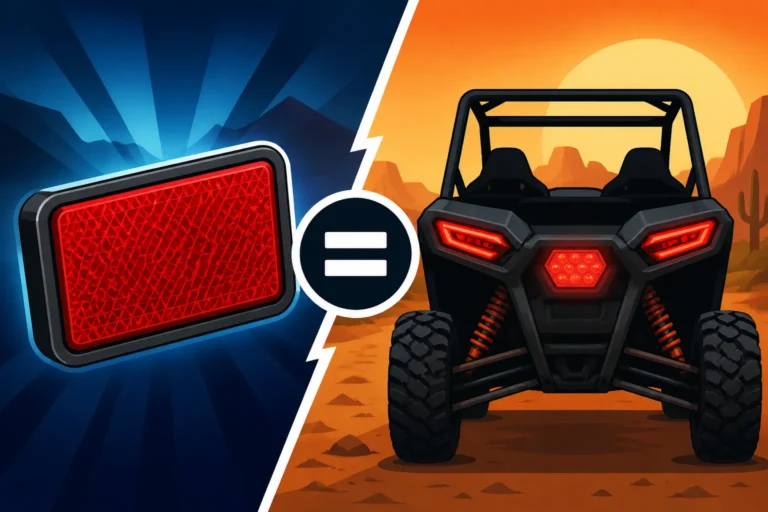
When you're making a quick dash across US 50, you need to be seen. Your standard OHV lighting, while sufficient for trails, might not cut it on a busy highway. Consider adding aftermarket accessories that boost your visibility. Brighter LED headlights and taillights are a good start. Additionally, adding a whip flag, especially one with an LED light, can make a huge difference in how far away other drivers can spot you, particularly in dusty or low-light conditions.
For side-by-sides, installing proper side mirrors that provide a clear view of traffic approaching from behind is non-negotiable. Companies like SuperATV offer a range of aftermarket mirrors that are designed to withstand off-road abuse while still providing excellent visibility on those brief paved sections. A loud horn is also a wise investment, allowing you to alert motorists to your presence if needed. Remember, the goal is to make it impossible for a driver to say, "I didn't see them." The more visible you are, the safer everyone is.
Essential Gear for Riders During Pavement Transitions
Beyond your machine, your personal gear plays a crucial role. While helmets are mandatory off-road for riders under 18 in Nevada and highly recommended for all, they are also a must for any pavement exposure. Brightly colored helmets and clothing increase your visibility to other drivers, even if your machine is equipped with extra lights. Think hi-viz vests or jackets, similar to what road cyclists or construction workers wear.
Gloves, eye protection (goggles or a face shield), and sturdy riding boots are also essential. These items protect you in the event of an unexpected fall or collision, which is always a risk when mixing with high-speed traffic. Even for a short crossing, the potential for serious injury is significant. Don't skimp on safety gear, and ensure it's in good condition. You might also want to carry a small, waterproof bag for any documents you need, like your [Nevada OHV Registration Paperwork Checklist] or driver's license, especially if you're pulling off a highway.
Driver Awareness and Road Etiquette
Your mindset is perhaps the most important safety tool. When you're on a trail, you're looking out for other OHVs, obstacles, and terrain changes. On a highway, your focus shifts entirely to vehicle traffic. Always assume cars won't see you. Look multiple times before entering traffic, signal clearly if your machine has turn signals (many aftermarket kits from brands like SuperATV can add these), and make deliberate, decisive movements. Don't hesitate or linger on the pavement.
Before you even get to the highway, plan your crossing. Know exactly where you intend to enter and exit. Is there a clear line of sight? Are there blind spots? Is the shoulder wide enough to stage safely? If you're riding with a group, communicate your intentions clearly and move together, if safe to do so. Never assume a driver will yield to you. Highway drivers are often traveling at 65+ mph, and their ability to react to a slower, less visible OHV is limited. Your vigilance is key to a safe transition.
Consequences of Non-Compliance and Best Practices for Riding Near State Highways
Ignoring Nevada's OHV laws for paved roads isn't just a minor inconvenience; it can lead to significant fines, impoundment of your machine, and even serious accidents. Understanding the risks and adhering to best practices will keep your adventures fun and hassle-free.
Fines and Penalties for Illegal Road Use
The penalties for operating an OHV illegally on a state highway like US 50 can be quite steep. You could face a moving violation citation, which often comes with a substantial fine, and potentially points on your driver's license. In some cases, especially if you're deemed to be operating recklessly or dangerously, your OHV could even be impounded. Imagine getting to Sand Mountain only to have your machine towed away before you even hit the sand!
Beyond the immediate financial and legal repercussions, there's the broader impact on the OHV community. Every instance of illegal or reckless OHV use on paved roads creates negative public perception and can lead to stricter regulations for all riders. It's a responsibility we all share to uphold the rules and ensure our privileges aren't eroded. Remember, law enforcement, like a [What a Nevada Trooper Looks For on a County Road], is trained to spot illegal OHV activity, and they're not afraid to issue tickets to those who disregard the law.
Planning Your Route to Avoid Pavement Whenever Possible
The absolute best practice is to avoid riding on state highways altogether. Whenever possible, trailer your OHV directly to the designated staging area. Many popular OHV areas, like Sand Mountain, have well-marked access points designed for vehicles with trailers, minimizing or eliminating the need to ever put your OHV on a major paved road.
Use mapping apps or resources like the [Nevada Trail Finder] to identify routes that are entirely off-highway. Even if it means a slightly longer drive in your tow vehicle, it's far safer and less risky than trying to navigate paved roads on your OHV. When you're heading to places like Sand Mountain, the goal is the dirt, not the tarmac. Planning ahead ensures you spend your time riding where you're supposed to be, without the stress of worrying about state highway patrols.
What to Do If an Officer Pulls You Over on a State Highway
Should an officer pull you over while you're on a state highway, even if you believe you were following the 2-mile rule for crossing, remain calm and cooperative. Turn off your engine, keep your hands visible, and follow all instructions. Present your driver's license, your OHV registration, and proof of any required insurance. Explain your route and your intention to cross or access an off-highway route, but avoid arguing.
If you genuinely believe you were within the legal limits and acting safely, you can calmly state your case. However, remember that the officer has the final say at the roadside. It's always better to receive a warning or even a citation than to escalate the situation. If you disagree with the citation, you'll have the opportunity to challenge it in court. But on the side of a busy highway like US 50, safety and compliance are your priorities.
| Regulation Aspect | State Highways (e.g., US 50) | Minor County Roads (Designated) | Off-Highway Trails/Public Land |
|---|---|---|---|
| Primary Use | Motor vehicles (cars, trucks) | Local traffic, some OHV access for "Large ATVs" | OHV recreation, hiking, equestrian |
| OHV Travel (Standard) | Prohibited (except limited crossing/2-mile rule) | Possible for "Large ATVs" (check local ordinance) | Permitted (with valid OHV decal) |
| "Large ATV" Decal Effect | No general allowance for continuous travel | Enables limited use in designated areas | Not applicable (decal covers off-road) |
| Crossing Allowed? | Yes, at right angles, up to 2 miles max | Yes, if accessing an approved route | Not applicable |
| Speed Limits | High (55-75 mph typical) | Varies, usually lower than state highways | Not usually posted, safe speed required |
| Traffic Volume | High to moderate | Low to moderate | Low |
| Required Equipment | Same as off-road (plus high visibility for crossing) | Specific for "Large ATVs" (lights, horn, mirrors) | Spark arrester, valid OHV decal |
| Law Enforcement Focus | Strict enforcement of OHV restrictions | Enforcement of local ordinances/safety | Enforcement of OHV regulations, safety |
Disclaimer
This article is for general informational purposes only and does not constitute professional advice. Laws, prices and regulations vary by location and change over time. Consult a qualified professional for guidance on your specific situation.