Nevada Helmet Rules for Passengers
It’s a beautiful day out on the Nevada trails, and you’re ready for an adventure with friends or family. But wait a minute—what about helmets for everyone, especially your passengers? This can be a real head-scratcher, leaving many riders confused about when and for whom helmets are legally required in our vast state. This comprehensive guide is here to untangle all the rules, helping you understand Nevada’s helmet laws for ATV and UTV passengers, whether you're hitting the dunes or cruising a backroad.
The Core Principle: Helmets are Paramount for Nevada OHV Passengers
Let's face it, off-highway vehicle (OHV) riding is inherently thrilling, but it also carries risks. Nevada lawmakers, like those in many other states, have put specific rules in place to mitigate the potential for serious injury, especially when it comes to head trauma. It’s not just about following the law; it’s about protecting yourself and your loved ones.
Why Nevada Law Prioritizes Passenger Head Protection
When you’re out on an ATV or a side-by-side, you’re dealing with uneven terrain, unpredictable obstacles, and the sheer power of the machine itself. A sudden jolt, an unexpected bump, or even a slow-speed tip-over can send a rider or passenger flying, or cause their head to strike part of the vehicle or the ground. For a passenger, who isn't actively steering or anticipating changes in the terrain, the risks can be even greater. They might not brace themselves as effectively as the driver, making them particularly vulnerable.
Think about the forces at play in a rollover, even a slow one. Your body, despite seatbelts in a UTV, can still move violently within the confines of the vehicle, and your head can impact roll bars or other hard surfaces. A helmet acts as the first line of defense, distributing impact forces and preventing direct trauma to the skull. Nevada's laws reflect this understanding, aiming to prevent life-altering injuries that can result from even seemingly minor incidents. The legislative intent is clear: protect those who are enjoying our incredible public lands.
Off-Road Helmet Requirements for All Ages
Here’s where it gets specific for off-highway riding: Nevada Revised Statute (NRS) 490.130 generally mandates that any person under 18 years of age must wear a safety helmet when operating or riding as a passenger on an OHV. This applies whether they are driving or just along for the ride. So, if your teenager or child is with you on the trail, a helmet isn't just a good idea – it's the law.
For adults, the law isn't as strictly mandated for off-road riding in every single scenario, but let’s be real for a moment: common sense, and frankly, self-preservation, dictates that everyone should wear a helmet. While the law might be focused on minors, that doesn't make an adult's head any less susceptible to injury. We often say that a helmet is cheap insurance for your brain, and that holds true regardless of your age. Think of it as a "best practice" that goes beyond just what's written in the statute. You can get more details on the nuances of helmet use by reading up on [Nevada Helmet Rules Off-Road Versus On-Road].
Differentiating ATV Passengers from UTV (Side-by-Side) Passengers in Nevada
The world of OHVs has diversified quite a bit, and with that comes different considerations for passengers. What works for a traditional ATV might not be the same for a multi-passenger UTV, even if the general safety principles remain consistent.
The Specifics for ATV Passengers (Two-Up Riding)
If you're riding a traditional ATV, designed for one person, adding a passenger is usually not only unsafe but often illegal. However, many manufacturers now produce "two-up" ATVs specifically designed to safely carry a driver and one passenger. These machines have extended seats and often passenger handholds and footrests.
Even on these specialized two-up ATVs, the helmet rules for passengers remain steadfast, especially for minors. If your passenger is under 18, they absolutely must wear a DOT-approved helmet. The inherent instability of an ATV, compared to a UTV, means that quick turns, sudden stops, or unexpected obstacles can more easily unbalance the machine, putting both riders at higher risk. The passenger on an ATV is exposed and vulnerable, and a helmet is critical protection. It’s always a good idea to refresh your memory on [Nevada Rules for Riding With a Passenger Off-Road] to ensure you're compliant and safe.
UTV Passengers: Seat Belts, Cabs, and Helmet Considerations
Side-by-sides, or UTVs, have exploded in popularity largely because they offer a more social and, some might argue, more stable riding experience than a traditional ATV. With features like roll cages, seat belts, and sometimes even doors and windshields, it’s easy to feel a false sense of security. You might think, "We're belted in, we're enclosed, we don't need helmets, right?"
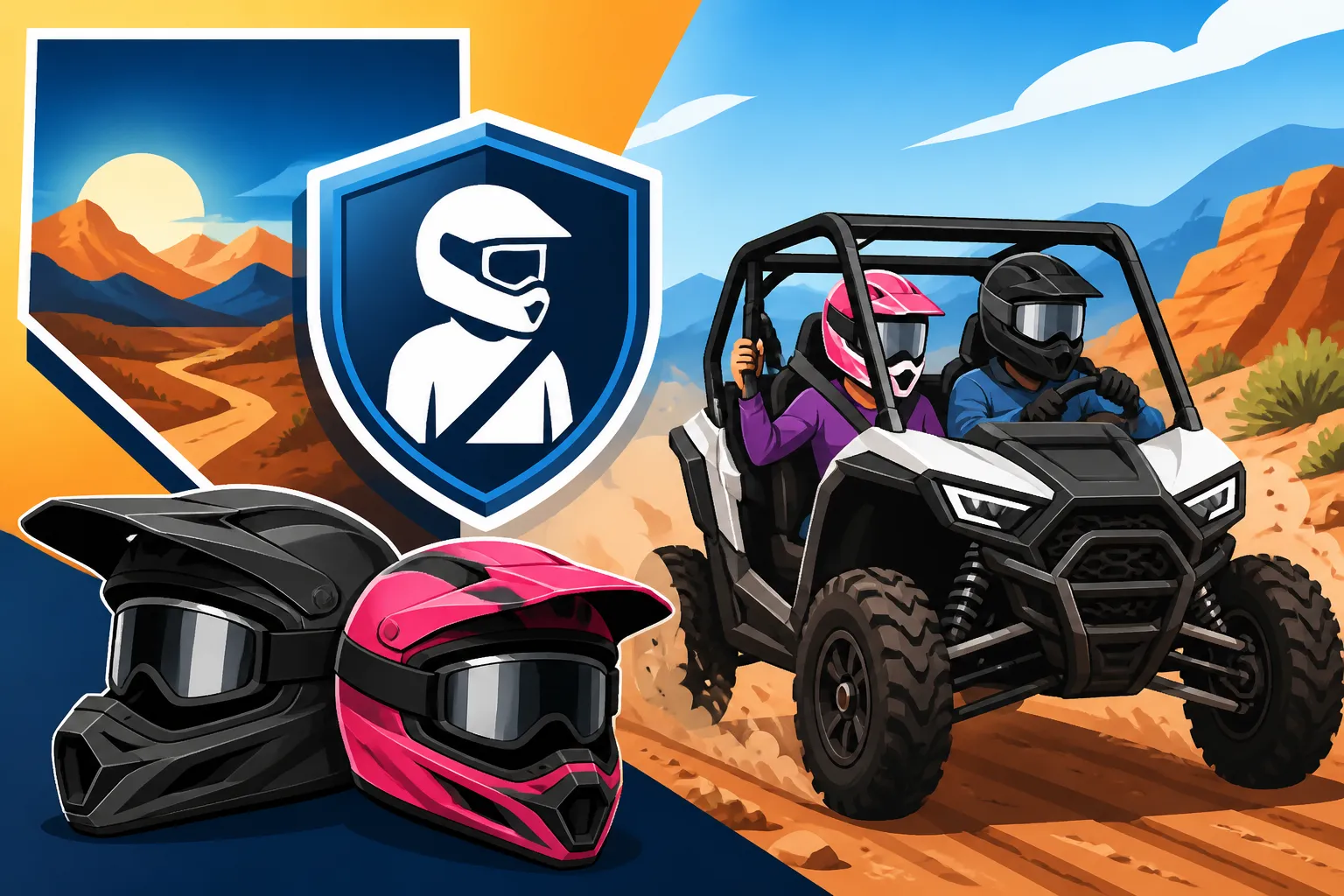
Not so fast. While those safety features are definitely a huge plus, Nevada law still mandates helmets for passengers under 18 when riding in a UTV off-road. That robust roll cage is there to protect you, but your head could still impact it in a jarring event if not properly protected. Even for adults, while not always legally required in all off-road UTV scenarios, wearing a helmet is a no-brainer. Aftermarket accessories from companies like SuperATV, such as sturdy roofs, full windshields, and doors, can significantly enhance comfort and protection from the elements or debris, but they are not a substitute for a helmet in terms of head injury prevention. When it comes to young riders, be sure to understand all the regulations, especially if you have [Kids in the Back Seat of a Side-by-Side].
Navigating Nevada's Roads: Helmet Rules for Street-Legal OHVs
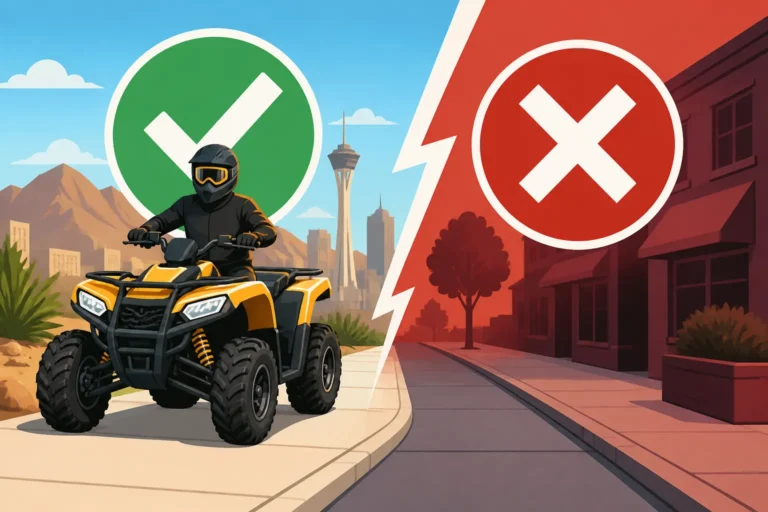
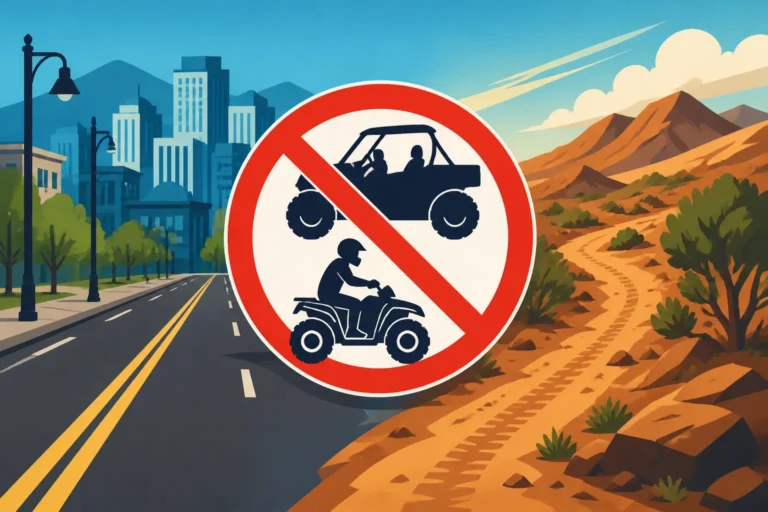
This is where things can get a little more complex, as the rules shift when you transition from dirt trails to paved roads. Nevada does allow certain UTVs, designated as "large ATVs," to be ridden on specific county roads, provided they meet a list of criteria and are properly registered with a special decal. But what about helmets for these road excursions?
When a Helmet is Legally Required on Nevada Roads
If your UTV qualifies as a "large ATV" and you're riding it on a designated Nevada county road, the helmet rules tighten up considerably for everyone, not just minors. Under Nevada law, if your UTV does not have a "fully enclosed cab," then all occupants, regardless of age, must wear a DOT-approved safety helmet. This means the driver and every passenger.
This particular rule is in place because riding on roads, even minor county roads, introduces different hazards, including interactions with other vehicles. The speeds can be higher, and the surfaces unforgiving. The state wants to ensure maximum protection for anyone riding these machines on public roadways. It's a critical distinction to remember when you're planning a trip that might involve connecting trails via a county road. For a deeper dive into road riding specifics, check out [Nevada Helmet Law for Road Riding] and ensure your machine meets all [Nevada Street Legal UTV Requirements] before you even consider hitting the pavement.
Exceptions and Important Distinctions for Enclosed Cabs
Now, for that "fully enclosed cab" exception. What exactly does that mean? Generally, it refers to a rigid structure with a hard top, a full windshield, and doors that fully enclose the passenger compartment, much like a traditional automobile. Think about some of the more utility-oriented UTVs or models specifically designed for street use in other states, which might feature glass windows and a more car-like cabin.
Most sport or recreation UTVs, even those fitted with aftermarket roofs and flip-up windshields, would not typically qualify as having a "fully enclosed cab" in the eyes of Nevada law. These setups still leave the occupants relatively exposed to the elements and, more importantly, to impacts in the event of an accident. So, unless your UTV is genuinely sealed up like a car, assume that helmets are mandatory for everyone when you're riding it on a permitted county road. Even if your UTV does have a fully enclosed cab, and helmets become legally optional for adults, we still strongly recommend wearing one. Why take the chance? When riding with younger passengers on roads, specific attention should be paid to [Nevada Rules for a Child Passenger on a Road].
Choosing the Right Gear and Staying Compliant
Understanding the law is one thing, but making sure you're equipped to comply—and more importantly, to stay safe—is another. The right helmet isn't just any helmet; it's one that fits correctly and meets essential safety standards.
Sizing Up: Ensuring Proper Helmet Fit for Passengers
A helmet can only do its job if it fits properly. This is absolutely critical, especially for children. A helmet that's too loose can shift around during an impact, leaving parts of the head exposed or even coming off entirely. Conversely, one that's too tight will be uncomfortable and could distract the wearer.
Here's a quick guide to checking fit:
- Snug but Comfortable: The helmet should fit snugly all around your passenger's head, without being painfully tight. There shouldn't be any major gaps between the helmet's interior padding and their head.
- No Excessive Movement: When they shake their head (gently!), the helmet should not move or slip significantly. It should feel like an extension of their head.
- Chin Strap Secure: The chin strap should be fastened securely, forming a "V" shape under their ears and tight enough that you can only fit one or two fingers between the strap and their chin. It should not cause discomfort or choke them, but it needs to be firm.
- Eye Port Vision: Ensure the helmet doesn't obstruct their peripheral vision.
For children, you'll likely need to replace helmets as they grow, so don't try to buy one they can "grow into." Their safety today is what matters most.
DOT Certification: The Gold Standard for Head Protection
When buying a helmet for yourself or a passenger, always look for the "DOT" sticker on the back. This signifies that the helmet meets the minimum safety standards set by the U.S. Department of Transportation (DOT). These standards ensure that the helmet has undergone rigorous testing to prove its ability to absorb impact and protect the skull.
While other certifications exist, like Snell or ECE, DOT certification is the legal baseline for helmets used on public roads and generally accepted for off-road use in most states, including Nevada. Investing in a DOT-certified helmet is non-negotiable. While companies like SuperATV offer fantastic aftermarket accessories to enhance your UTV's performance and safety, remember that these complement, but do not replace, the fundamental head protection provided by a certified helmet.
What to Expect from Law Enforcement and Consequences
Nevada law enforcement – whether it's a Bureau of Land Management (BLM) ranger, a county sheriff's deputy, or a Nevada State Trooper – takes OHV safety seriously. When they encounter riders, especially with passengers, they are looking for compliance with safety regulations, including helmet use. If you're caught violating helmet laws, particularly with a minor, you could face consequences.
These can range from a verbal warning and a request to comply, to a citation carrying fines. While specific fines vary, and I cannot provide current figures, be aware that ignoring safety regulations can hit your wallet and your riding privileges. Enforcement is about more than just revenue; it's about promoting a culture of safety to prevent accidents and injuries in our riding community. Always carry your required registration and proof of ownership, and ensure all safety gear is up to snuff.
Beyond the Law: Prioritizing Passenger Safety on Every Ride
While following the letter of the law is crucial, a truly responsible rider goes above and beyond, making passenger safety a top priority on every single outing. It’s about creating a safe, enjoyable experience for everyone on board.
The Responsibility of the Operator
As the operator of the ATV or UTV, you carry the ultimate responsibility for the safety of your passengers. This means more than just handing them a helmet. It involves a holistic approach to safety:
- Pre-Ride Briefing: Before you even start the engine, talk to your passengers. Explain how to hold on, where to keep their feet, and what to expect from the terrain. Tell them to keep their arms and legs inside the vehicle at all times.
- Lead by Example: Always wear your own helmet, even if you’re an adult and the law might allow an exception in some niche scenario. Your actions speak louder than words.
- Adjust Your Riding Style: When carrying passengers, especially children, you need to adjust your riding style. No aggressive maneuvers, no excessive speed, and be extra cautious over bumps and turns. Remember, the ride needs to be comfortable and safe for them.
- Check on Them: Periodically check on your passengers during the ride. Are they comfortable? Are they holding on? Is their helmet still properly secured?
- Supervision: For young riders, proper supervision is key. Understand [Nevada Supervision Rules for Young Riders] to ensure you're compliant and keeping them safe.
Additional Safety Gear for Passengers
While a DOT-approved helmet is the star of the show, it's part of a larger ensemble of safety gear that can make a huge difference in comfort and injury prevention.
- Eye Protection: Goggles or a helmet with a face shield are essential. Dust, branches, insects, and even harsh sunlight can impair vision and cause injury.
- Gloves: Gloves protect hands from scrapes, blisters, and impacts, and can improve grip on handholds.
- Long Sleeves and Pants: Even in hot weather, long-sleeved shirts and long pants (jeans or riding pants) offer crucial protection against scrapes, brush, and sun exposure. Synthetic, moisture-wicking materials can help keep riders cool.
- Appropriate Footwear: Sturdy, over-the-ankle boots are ideal to protect feet and ankles from impacts and keep them securely on footrests.
- Aftermarket Enhancements: Consider additional safety features for your UTV. Items like enhanced seat harnesses (beyond standard lap belts), grab handles for passengers, and even more robust roll cage components can further improve passenger security. Many companies, including SuperATV, offer a wide range of these safety-minded accessories to make your UTV even more secure for all occupants.
Ultimately, the goal is to make every ride memorable for all the right reasons. By understanding and adhering to Nevada’s helmet rules for passengers, and by embracing a comprehensive approach to safety, you can ensure that your off-road adventures are thrilling, responsible, and most importantly, safe for everyone involved. For a broader understanding of OHV safety, consider taking an [Nevada ATV Safety Course Online].
Disclaimer
This article is for general informational purposes only and does not constitute professional advice. Laws, prices and regulations vary by location and change over time. Consult a qualified professional for guidance on your specific situation.