Cost to Title an ATV in Nevada
Bringing home a new-to-you ATV or UTV in Nevada is super exciting! But that excitement can quickly turn into a headache when you start looking at the paperwork and trying to figure out exactly how much it's going to cost to get that machine legally titled in your name. It's not always as straightforward as just one simple fee, and it's easy to feel caught off guard by unexpected expenses. This guide is here to unravel all those potential costs, making sure you're prepared for every line item when you go to title your off-highway vehicle in the Silver State.
Understanding the Standard Nevada OHV Title Fee
When you finally have that perfect off-highway vehicle (OHV) in your driveway, whether it’s a gleaming new side-by-side or a trusty pre-owned quad, the very first thing on your mind, after taking it for a spin of course, is getting it into your name. And that means navigating the titling process. It’s a necessary step to establish legal ownership and keep everything above board.
The Baseline Cost for a Resident Machine
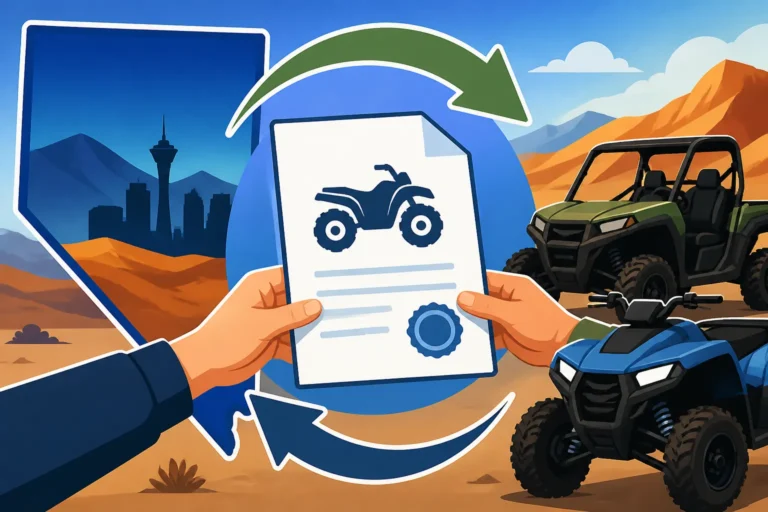
For most Nevada residents acquiring an OHV from within the state, the core titling fee is a pretty standard, fixed amount. This is the fee you'll likely pay if you've bought a machine from a private seller right here in Nevada, or if you've brought one into the state that was previously titled in another state and are now making Nevada your permanent home. This fee isn't designed to break the bank, but it's important to know it's there. It covers the administrative work of processing your application, updating state records, and ultimately issuing that official piece of paper that says, "Yep, this machine belongs to you!" Think of it as the state's way of ensuring clear ownership and maintaining a robust database of off-highway vehicles. It's often easy to confuse this with the cost to register your machine, but they are indeed separate line items. For a deeper dive into how these two costs compare, you can check out [Nevada Title Costs Compared With Registration].
Imagine Mark, who just bought a well-maintained quad from his neighbor in Reno. Both are Nevada residents, and the quad has always been titled in Nevada. When Mark heads to the DMV-approved agent or the DMV office itself, he'll be asked to pay this baseline title fee. It’s a transparent charge for transferring the legal document of ownership from his neighbor to him. This keeps things orderly and helps prevent issues down the road, like if the machine were ever stolen or if he wanted to sell it years later.
Why a Title is Essential, Beyond the Fee
While paying a fee for a piece of paper might seem like just another bureaucratic hurdle, the OHV title itself is incredibly important. It's more than just a receipt; it's the undisputed proof of ownership. Without a clear title in your name, selling your ATV or UTV becomes a nightmare. Trying to prove it’s yours can lead to endless headaches, potential legal disputes, and significantly reduce its resale value. It also plays a critical role in preventing theft, as a machine without proper title documentation is a red flag. For law enforcement, a clear title is key to tracking ownership and recovering stolen property.
Consider Sarah, who bought a side-by-side privately a few years ago and never bothered to get the title transferred into her name, assuming the bill of sale was enough. Now, she's ready to upgrade and wants to sell her old machine. Prospective buyers are asking for the title, and she realizes she doesn't have one in her name. This oversight means she'll have to go through a potentially complicated process to get a title issued or transferred to herself first, which could delay her sale and add unexpected stress. Having that official title provides immense peace of mind and simplifies any future transactions.
Situations That Increase Your Nevada Titling Costs
While there’s a standard titling fee, life, and off-highway vehicle purchases, aren't always standard. Certain circumstances can add a little extra to that baseline cost, and it's always better to be prepared for these possibilities than to be surprised.
Higher Fees for Out-of-State Purchases
One of the most common reasons your titling fee might be higher is if you're bringing an OHV into Nevada from another state. The Silver State recognizes that there are additional administrative steps involved when a machine crosses state lines. This isn't about penalizing you for finding a great deal out of state; it's about the extra work required to verify the machine's history, ensure it's free of liens in its previous state, and properly integrate its records into Nevada's system. It’s a slightly steeper fee, but it ensures thoroughness and accuracy in the titling process. You can find more specific details on this particular scenario at [The Higher Nevada Title Fee for a Machine Out of State].
Let's say David found his dream side-by-side at a fantastic price from a seller in Utah. He trailers it back to his home near Las Vegas, thrilled with his purchase. When he goes to title it in Nevada, he'll encounter a fee that is a bit higher than what Mark paid for his local quad. This additional cost accounts for the extra checks and balances the Nevada Department of Motor Vehicles (DMV) or its approved agents perform to ensure the machine’s legal history from Utah is correctly documented and transferred into the Nevada system.
The Importance of a Bill of Sale and Proper Ownership Documentation
Having all your ducks in a row with paperwork is perhaps the single most important thing you can do to keep titling costs predictable. A clear, properly executed bill of sale is your golden ticket. If you're buying from a private party, this document spells out who bought what, from whom, for how much, and on what date. Without it, or with incomplete documentation, you could face significant hurdles. The DMV might require additional affidavits, searches, or even deny the title transfer until proper proof of ownership can be established. These extra steps can introduce delays and, in some cases, additional costs if you need to pay for title searches or legal assistance.
Maria, for instance, saw an ad for a quad on a local bulletin board. She met the seller, paid cash, and got a quick, handwritten note on a scrap of paper saying "Sold quad to Maria." Now, trying to title it, the DMV is asking for more formal documentation, questioning the legality of the sale. She's now scrambling to track down the previous owner for a proper bill of sale, which is proving difficult. Had she used a professional bill of sale template, perhaps from a service like LawDepot, she would have had all the necessary fields covered, making the process much smoother. For guidance on what this critical document should include, check out [What a Nevada ATV Bill of Sale Should Carry]. And if you're navigating a private sale, it's worth reading [Buying a Used ATV Privately in Nevada] to cover all your bases.
Ancillary Fees and Potential Hidden Expenses
It’s easy to focus solely on the main title fee, but other seemingly minor costs can add up or catch you off guard if you're not aware of them. These aren't always direct titling fees, but they are often required steps or potential penalties directly related to getting your OHV legally documented.
VIN Inspections: A Non-DMV Cost
Here’s a common point of confusion: while the DMV is where you submit your title application, they generally don't perform the physical Vehicle Identification Number (VIN) inspection themselves. For off-highway vehicles, this crucial step is often handled by specific authorized entities. You'll need to get a VIN inspection done if your machine is new to Nevada or if it's never been titled or registered in the state before. This inspection verifies that the VIN on your paperwork matches the physical VIN on the machine, deterring theft and ensuring accurate record-keeping.
The cost for a VIN inspection can vary. Some licensed OHV dealers are authorized to perform these inspections, and they may charge a modest fee for their time and service. In some areas, a sworn law enforcement officer (like a deputy or trooper) might perform the inspection as a public service, though this isn't always guaranteed to be free or immediately available. So, while it's not a fee paid directly to the DMV for titling, it's a prerequisite for many title applications, making it an unavoidable cost or effort. For more on this requirement, see [Nevada OHV VIN Inspection Requirements] and a detailed look at who can perform them, check out [Which Dealers Can Inspect a VIN in Nevada]. Emily, who just moved to Fallon from California with her dirt bike, needs to get her VIN inspected. She calls around to local OHV dealers to find one that performs the service and asks about their current fee.
Late Fees and Deadlines
Nevada is pretty clear about the timeframe you have to get things done after purchasing an OHV. There's a 30-day clock that starts ticking the moment you take ownership to get your machine titled and registered. Missing this deadline, even by a day or two, can result in a late fee. This isn't just for registration; it applies to the titling process as well. It's a penalty designed to encourage prompt action and maintain accurate, up-to-date records. Nobody likes paying extra just because they ran out of time, so marking that calendar is essential. For more detailed information on this critical timeframe, refer to [Nevada's Thirty Day Clock After a Purchase].
Think about Mark, who was so excited about his new UTV that he spent the first three weeks tearing up the trails. He knew he needed to get it titled, but other things kept popping up. By the time he finally got around to gathering his paperwork on day 35, he discovered he was facing an avoidable late fee. It was a minor ding to his wallet, but a frustrating one that could have been avoided with a bit of planning.
The Cost of Replacement Documents
Life happens. Maybe you accidentally spill coffee on your pristine title, or perhaps it gets lost in a move. If you ever need to replace your OHV title, there's a specific fee for a duplicate document. This cost covers the administrative effort to verify your ownership, update records if necessary, and print and mail a new official title to you. It's typically a fixed, moderate fee and something you hope you never need, but it's good to know it exists. If you find yourself in this predicament, our article on [Duplicate Nevada OHV Title Cost] can provide more specific insights, and for general replacement info, see [Replacing a Lost Nevada OHV Title].
Jessica was getting ready to sell her quad, but when she pulled out her filing box, she realized the original title was nowhere to be found. She distinctly remembered putting it in a "safe place." Now, before she can legally transfer the machine to the new buyer, she has to apply for a duplicate title, incurring an extra cost and a delay in her sale.
Sales Tax Considerations
While technically not a "titling fee," sales tax is a significant financial consideration that often gets paid at the time of titling if you've purchased your OHV from a private party. If you buy from a licensed dealer in Nevada, they will typically collect sales tax at the point of sale. However, if you purchase an OHV from a private individual, Nevada law requires you to pay the applicable sales tax based on the purchase price when you transfer the title into your name. This can be a substantial sum, depending on the price of your machine, and it’s a cost many private buyers forget to factor into their initial budget. It's crucial to understand how this works, as it can be a major unexpected expense. Our guide on [Nevada OHV Registration and Sales Tax] provides a deeper explanation of this often-overlooked cost.
Robert found a fantastic deal on a used side-by-side from a private seller in Pahrump. He negotiated a great price and felt like he got a steal. What he didn't fully account for was the sales tax he would owe to the state when he went to title the machine. When he finally got to the DMV-approved agent, that sales tax added several hundred dollars to his overall cost, which he hadn't fully budgeted for, making that "great deal" feel a little less sweet initially.
Budgeting and Streamlining Your Titling Process
Navigating the various fees and requirements for titling your OHV in Nevada doesn't have to be a confusing, expensive ordeal. With a bit of foresight and organization, you can budget accurately and avoid those frustrating surprises.
Creating a Comprehensive Cost Checklist
The best way to manage the costs associated with titling your ATV or UTV is to have a clear understanding of all the potential fees upfront. A simple checklist can be a game-changer for budgeting and peace of mind. Here's a table summarizing the different cost categories you might encounter:
| Item | Description | Typical Cost Shape (Check current rates) | Notes |
|---|---|---|---|
| Standard Nevada Title Fee | For resident machines with complete paperwork | Fixed, moderate fee | The base fee for transferring ownership. |
| Out-of-State Title Fee | For machines previously titled outside Nevada | Fixed, slightly higher fee | Covers additional verification for machines entering Nevada. |
| VIN Inspection Fee | Verification of vehicle identification number | Varies (often small fee or free) | Performed by licensed OHV dealer or sworn officer. |
| Late Fee (Titling) | Penalty for submitting title application after 30 days | Fixed, smaller fee | Avoid by titling promptly after purchase. |
| Duplicate Title Fee | To replace a lost or damaged original title | Fixed, moderate fee | Needed if the original document is unavailable. |
| Sales Tax | Tax on the purchase price of the machine | Percentage of purchase price | Paid at titling for private sales, or at dealer for new purchases. |
Let's imagine Susan is buying a used ATV from a friend in Henderson. Her checklist might look like this:
- Standard Nevada Title Fee: [Check current rates at the DMV or authorized agent]
- VIN Inspection Fee: Contact a local dealer to see their charge. (Assume $10-20, or free if she can get a deputy to do it).
- Sales Tax: Calculate this based on her agreed-upon purchase price.
By listing these out, she has a much clearer picture of her total out-of-pocket expense, beyond just the purchase price of the quad.
Pro Tips for Avoiding Unnecessary Fees
Nobody likes paying extra, especially when it's avoidable. A little planning goes a long way in ensuring your OHV titling process is as smooth and cost-effective as possible.
- Act Promptly: That 30-day clock is real! Make it a priority to submit your title application within that window after purchasing your OHV to avoid any late fees. Set a reminder on your phone or mark it on a physical calendar.
- Gather All Paperwork: Before you even think about heading to the DMV or an approved agent, make sure you have every single required document. This includes the properly signed-over original title (if applicable), a comprehensive bill of sale, and any VIN inspection certificates. Missing a single piece of paper can lead to delays and potentially require repeat visits, costing you time and perhaps even triggering a late fee if it pushes you past the deadline. Using resources like LawDepot to ensure you have correctly formatted legal documents, such as a bill of sale, can make a huge difference in avoiding hiccups. For a detailed list of what you'll need, review the [Nevada OHV Registration Paperwork Checklist].
- Double-Check Everything: Before signing, verify that all VINs, names, and addresses on your documents match perfectly. A simple typo can create a nightmare of corrections and delays.
Dealer Versus Private Sale Implications
The path you take to purchase your OHV can have a noticeable impact on the titling process and associated costs. Understanding these differences can help you plan.
- Buying from a Licensed Nevada Dealer: When you purchase a new or used OHV from a reputable, licensed dealer in Nevada, much of the paperwork burden is lifted from your shoulders. The dealer will typically handle the collection of sales tax, submit your title application, and often even facilitate the initial registration. This usually means the purchase price includes these administrative fees, and you receive your title and registration decal directly in the mail a few weeks later. It's often a more streamlined, hands-off process for the buyer, though the convenience is usually factored into the overall price. If you're considering this route, reading [Registering Through a Nevada Dealer] can give you an idea of what to expect.
- Buying from a Private Seller: A private sale means you, the buyer, are responsible for everything. This includes ensuring you receive a clear title (or proper proof of ownership if no title is required for an older machine), drafting a legally sound bill of sale (which LawDepot can help you create), getting any necessary VIN inspections, and then submitting all the paperwork to the DMV or an approved agent yourself. While private sales can sometimes offer better negotiated prices, they demand more proactive effort and diligence from the buyer to avoid issues and unexpected costs. For those navigating a private purchase, our guide [Registering an ATV Bought From a Nevada Private Seller] is a must-read.
No matter how you acquire your off-highway vehicle, knowing the potential costs and preparing your documents meticulously will ensure a much smoother ride through the titling process.
Disclaimer
This article is for general informational purposes only and does not constitute professional advice. Laws, prices and regulations vary by location and change over time. Consult a qualified professional for guidance on your specific situation.