Why Nevada Has Five Registration Applications
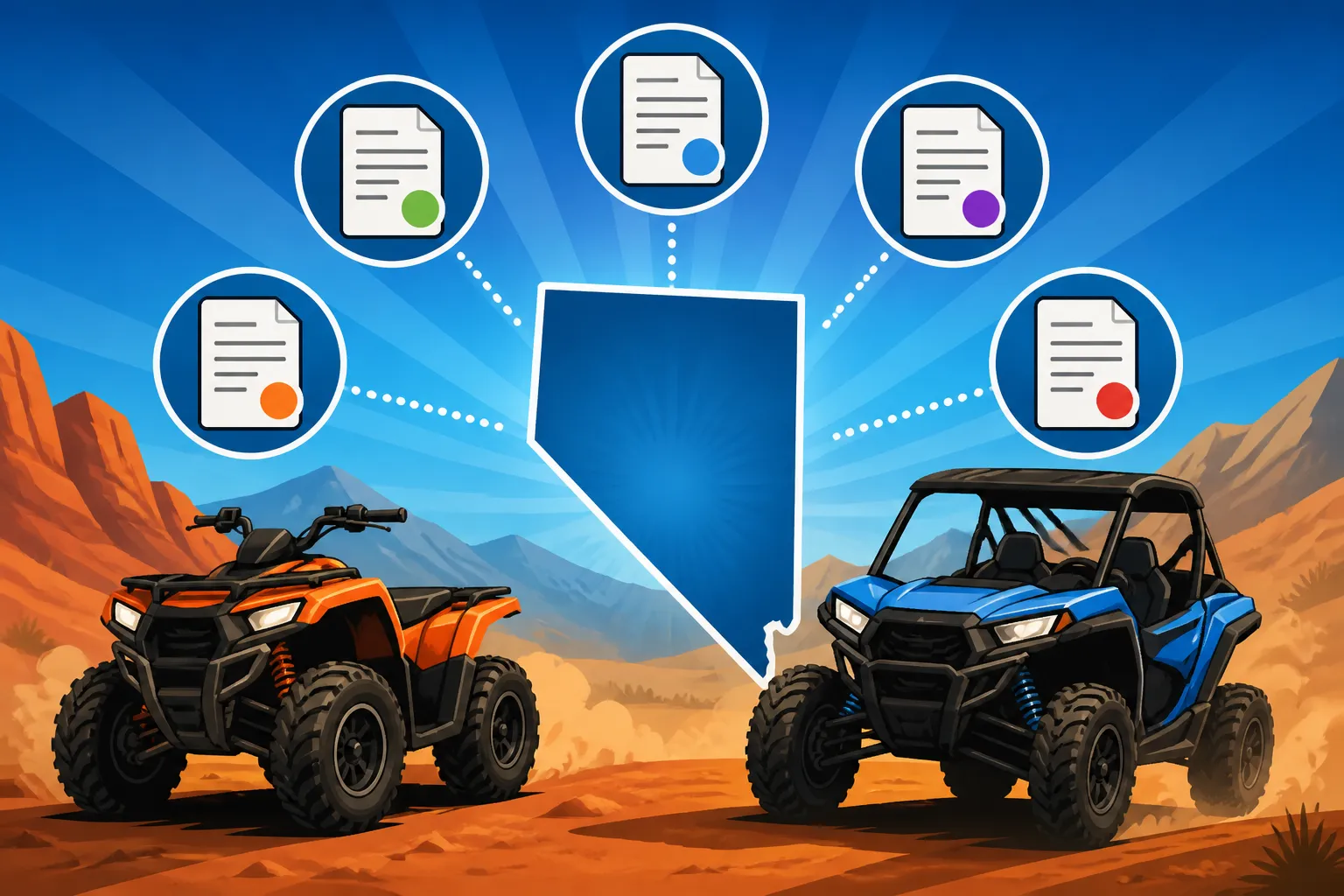
Trying to register your off-highway vehicle (OHV) in Nevada can sometimes feel like a treasure hunt where you're not even sure which map to use. Many riders, especially those new to the Silver State or just getting their first quad, are completely blindsided when they discover there isn't just one simple form to get a decal. This guide is going to walk you through exactly why Nevada uses five different registration applications, breaking down the confusion and helping you understand which one applies to your specific situation.
The Head-Scratching Initial Encounter with Nevada OHV Paperwork
It’s a common scenario: you’ve just bought a shiny new side-by-side or a rugged ATV, you’re itching to hit the dunes or the desert trails, and you head to the Nevada Department of Motor Vehicles (DMV) or a participating dealer, expecting a quick process. Then, you're handed a stack of papers, or worse, you look online and find a confusing array of forms all seemingly related to OHV registration. "Why on earth are there so many options?" you might wonder, feeling that familiar pang of bureaucratic frustration.
Initial Sticker Shock: Why Isn't There One Simple Form?
Many states simplify their OHV registration process to a single, universal application. You fill it out, provide proof of ownership, pay your fees, and off you go. Nevada, however, takes a different approach, one that can initially feel overwhelming. Riders often tell me they spend more time trying to figure out which form to complete than actually filling it out. This isn't just a minor annoyance; it can lead to delays, multiple trips to the DMV, or even fines if you end up riding with expired or incorrect paperwork because you got bogged down in the details. The intent behind the multiple forms is actually to streamline their processing by pre-sorting various scenarios, but for us, the riders, it often feels like a riddle.
The DMV's Perspective: Categorizing Every Scenario
From the perspective of the Nevada DMV, or the local OHV dealer who helps process these registrations, having specific forms for specific situations makes a lot of sense. It allows them to quickly identify the nature of your transaction – is it a brand-new machine, an out-of-state transfer, a simple renewal, or something more complex like assigning a VIN to a custom build? Each scenario has different legal requirements, documentation needs, and fee structures. By directing you to a specific form, they aim to ensure all necessary information is collected upfront for that particular type of transaction, theoretically reducing errors and processing time on their end. It's about ensuring accuracy, maintaining proper records, and collecting the correct fees for each unique circumstance, which ultimately helps fund our trails through [What Nevada OHV Registration Fees Pay For].
Diving into Nevada's OHV-001 Form Family
At the heart of Nevada's OHV registration system is a series of forms, all beginning with "OHV-001," but distinguished by a letter or specific title. These are the main applications you'll encounter, each designed for a distinct type of OHV registration. Understanding these core forms is the first step to conquering the paperwork mountain.
Form OHV-001: The General Application for a New Machine
This is often the go-to form if you're registering a newly purchased OHV, whether it's brand new from a Nevada dealer or a private sale within the state. It's the most common application you'll use for a machine that hasn't been previously registered in Nevada or is simply changing ownership. When you purchase a machine from a Nevada dealer, they usually handle the bulk of this paperwork for you as part of the sale, often adding a [What Nevada's $2 Dealer Submission Fee Pays For]. If you're buying privately, however, you'll need to be diligent about gathering all the necessary documents, like the signed-over title and a proper bill of sale. Sometimes, using a template from a service like LawDepot can help ensure your bill of sale includes all the critical information needed for registration. This form specifically addresses the information needed for establishing initial ownership and getting that first Nevada decal.
Form OHV-012: Registering an Out-of-State Machine
Moving to Nevada with your beloved ATV or UTV? Or perhaps you just bought one from a private seller in Arizona or California and are bringing it into the Silver State for the first time. That's where Form OHV-012 comes in. This application is specifically tailored for machines that have been titled or registered in another state or jurisdiction and are now being brought into Nevada. The key difference here is often the VIN inspection requirement, which helps the state verify the machine's identity and ensure it hasn't been stolen. You'll definitely want to read up on [Registering an Out-of-State Machine in Nevada] because there are specific steps, like needing a VIN inspection performed by a Nevada-licensed dealer or a sworn peace officer, which is a detail many riders overlook, leading to delays.
What OHV-013 Is For: Unique Ownership Scenarios
While less common than the first two, Form OHV-013 is crucial for specific scenarios that don't fit the typical new purchase or out-of-state transfer mold. Think about situations like registering a machine that was previously exempt from registration (such as an older pre-1976 model or a machine used exclusively for [The Husbandry Exemption for Nevada Ranches]) but now needs to be registered for public land use. Or perhaps you've inherited a machine and need to transfer ownership without a traditional bill of sale. This form is designed to capture these unique pathways to ownership and registration, requiring different types of proof than a simple sales receipt. It’s about covering the edge cases, ensuring every OHV that should be registered can be, even if its history isn't straightforward.
Specific Scenarios Requiring Unique Forms
Beyond the main OHV-001 series, Nevada also has specialized forms for particular processes that are separate from initial registration but are absolutely critical for maintaining your OHV's legal status. These forms address situations where you're not getting a new registration, but rather modifying or replacing an existing one.
The VIN Assignment Form: For Homebuilt or Missing-VIN Machines
Imagine you've poured your heart and soul into building a custom buggy from the ground up, or you've acquired an older machine where the original VIN plate has been lost or is unreadable. How do you get a legal identity for that OHV? That's where a VIN Assignment form comes into play. This isn't a registration form itself, but a prerequisite to registration. It's a specialized application that allows the state to assign a new, unique Vehicle Identification Number to your machine, which is absolutely essential before it can ever be legally registered. The process involves a thorough inspection and documentation to ensure the machine is legitimate. This is one of those times when [What the $2 VIN Assignment Fee Buys] really clarifies the administrative effort involved. You can't just slap a number on it yourself; it has to be done through the proper channels.
Replacement Decals and Titles: When Things Go Missing
Life happens, and sometimes important documents get lost, stolen, or simply damaged beyond recognition. Nevada provides specific forms for requesting replacements for your OHV decal or title. If your OHV decal fades, peels off, or gets damaged while you're out riding the desert trails, you can apply for a replacement decal. Similarly, if you lose your physical OHV title, which is your ultimate proof of ownership, there's a specific application to get a [Replacing a Lost Nevada OHV Title]. These forms are simpler than the initial registration forms because the state already has your machine's information on file. They simply need a formal request and the appropriate fee to issue a duplicate. You can often handle [Ordering a Replacement Decal From Carson City] by mail, which saves a trip to the DMV.
Why Nevada Needs These Distinctions
It might seem like an over-complication, but there are some very valid reasons why Nevada opts for this multi-form approach. These distinctions serve several important purposes, all geared towards efficient governance and public safety.
Protecting State Revenue and Funding Trails
Each registration scenario can involve different fees and taxes. For example, a new purchase might involve sales tax, while a transfer of an already registered machine typically does not. By having separate forms, the DMV can accurately calculate and collect the correct revenue for each transaction type. This revenue isn't just for bureaucracy; a significant portion of [Where Nevada OHV Registration Money Goes] is specifically allocated to the Nevada Commission on Off-Highway Vehicles, which then funds trail maintenance, signage, and improved riding facilities across the state. This helps ensure that the places we love to ride, like Logandale Trails and Sand Mountain, remain accessible and well-maintained.
Ensuring Proper Ownership Transfer and Preventing Fraud
A key function of the various forms is to create a robust chain of ownership. When you buy an OHV, the state wants to be absolutely sure that the seller was the rightful owner and that you are indeed the new, legal owner. Different scenarios, like purchasing from a dealer versus a private party, inheriting a machine, or bringing one in from another state, all present different challenges for verifying this ownership. The specialized forms guide you to provide the specific documentation needed for that particular situation, whether it's a properly signed title, a notarized bill of sale (which a service like LawDepot can help you generate), or court documents. This helps prevent fraud and ensures that stolen machines can be tracked and returned to their rightful owners.
Tracking for Public Safety and Environmental Stewardship
Knowing how many OHVs are operating in the state, and who owns them, is crucial for public safety and environmental management. In the event of an accident, a recall, or even to understand the impact of OHV use on certain sensitive environmental areas, accurate registration data is invaluable. The state uses this information to make informed decisions about trail closures, new designations, and safety campaigns. The registration process also helps ensure that machines meet basic equipment requirements, such as spark arresters, which are vital for preventing wildfires in our dry desert environment.
Navigating the Paperwork: Tips for a Smooth Registration
Feeling a bit more confident about tackling these forms? Good! Now let's talk about some practical strategies to make your registration process as smooth and painless as possible. A little preparation goes a long way.
Gathering Your Documents Before You Go
This is perhaps the single most important piece of advice: gather everything you might need before you even think about stepping into the DMV or visiting a dealer. This includes your original title (if applicable), bill of sale, proof of residency, identification, and any previous registration documents. If you're using a generic bill of sale, ensure it includes the full names and addresses of both buyer and seller, the date of sale, the purchase price, and a clear description of the OHV, including the VIN. A template from a reputable online resource like LawDepot can be incredibly helpful here to ensure you don't miss any critical fields that could cause delays. Having a [Nevada OHV Registration Paperwork Checklist] handy can be a lifesaver.
| Form Type | Purpose | Key Documents Often Required | Common Scenario |
|---|---|---|---|
| OHV-001 | Initial Nevada registration (new or used, in-state) | Original MSO/Title, Bill of Sale, VIN Inspection (sometimes) | Buying an ATV from a Nevada dealer or private seller |
| OHV-012 | Registering out-of-state machine | Out-of-state Title/Registration, Bill of Sale, VIN Inspection | Moving to Nevada with your UTV, or buying out-of-state |
| OHV-013 | Unique ownership transfers (exempt, inherited) | Proof of previous exemption, Affidavit of Ownership, Will | Registering a pre-1976 quad for the first time |
| OHV-002 (VIN) | Assigning a VIN | Proof of ownership (receipts), Affidavit of Construction, Photos | Custom-built buggy, machine with missing VIN |
| OHV-006 | Replacement Decal/Title | Owner ID, Current Registration Info, Notarized request (for title) | Lost your decal or title while out riding near Pioche |
Note: This table provides general guidance. Always verify the exact requirements for your specific situation with the Nevada DMV or a licensed OHV dealer.
Utilizing Online Resources and Dealer Assistance
The Nevada DMV website is a fantastic, though sometimes dense, resource. You can often download the forms directly, which allows you to fill them out at home without feeling rushed. Many licensed Nevada OHV dealers are also authorized to process registrations and can be an invaluable resource, especially for new purchases. They often have experience navigating the different forms and can advise you on exactly what you need for your particular situation. They're processing these forms constantly, so they know the ins and outs. Always confirm that the dealer can process the specific type of registration you need before you go, as some may only handle new sales. For complicated scenarios, sometimes they can clarify Why Nevada Has Five Registration Applications better than the official website.
Dealer Inspection and Documentation Assistance
When you purchase a new or used OHV from a dealer, they often handle the initial registration application (OHV-001) for you. They’ll collect all the necessary paperwork, including your MSO (Manufacturer’s Statement of Origin) or previous title, your bill of sale, and any other required documents. They will also typically perform the VIN inspection required for new registrations or out-of-state transfers. This convenience is one of the big advantages of buying from a licensed dealer in Nevada. They know [Which Dealers Can Inspect a VIN in Nevada] and can save you a separate trip. Just remember that even with a dealer's help, it's always wise to double-check everything before you sign.
Common Pitfalls to Avoid
Even with the right form in hand, there are still a few common mistakes that can trip up even the most experienced riders. Being aware of these can save you a lot of headache and potential delays.
Missing Key Information or Required Signatures
This is a big one. It's easy to overlook a small box or a crucial signature, especially on a multi-page form. Ensure every single field is filled out accurately and completely. If a signature is required, make sure it's present. For instance, if you're transferring a title, both the buyer and seller must sign it in the correct places. If you have a co-owner, they'll need to sign as well. Missing a single piece of information, no matter how minor it seems, can cause your application to be rejected and sent back, delaying your ability to get that decal and hit the trails. For official documents like a bill of sale, ensure it's fully executed and includes all necessary details, which LawDepot's templates can help with.
Selecting the Incorrect Form Initially
As we've discussed, picking the right form from the start is paramount. Accidentally filling out an OHV-001 when you needed an OHV-012 for an out-of-state machine will lead to an immediate rejection. This is why understanding the nuances of your specific situation – whether it's a brand-new purchase, an import, or a title replacement – is so critical. If you're ever in doubt, it's always better to call the Nevada DMV OHV section directly or consult with a licensed OHV dealer. Don't guess; it will only cost you time and frustration. Double-checking Why Nevada Has Five Registration Applications could save you a wasted trip.
Waiting Too Long to Register
Nevada has a [Nevada's Thirty-Day Registration Deadline] after you purchase an OHV or bring it into the state. Missing this window can result in penalties, including late fees. Don't let the paperwork intimidate you into procrastinating! The sooner you start the process after taking ownership, the less likely you are to incur extra charges or run into problems trying to rush things at the last minute. Riding with an expired or non-existent decal can also lead to citations from rangers or deputies patrolling popular riding areas like [What Rangers Check at Sand Mountain] or Logandale. The moment you acquire your machine, put "register OHV" at the top of your to-do list.
By breaking down the reasons behind Nevada's seemingly complex OHV registration system, hopefully, you feel better equipped to navigate the process. It's designed to ensure proper ownership, fund our incredible trail system, and maintain public safety. With a little preparation and attention to detail, you'll have that decal on your machine and be ready to explore all the Silver State has to offer!
Disclaimer
This article is for general informational purposes only and does not constitute professional advice. Laws, prices and regulations vary by location and change over time. Consult a qualified professional for guidance on your specific situation.