Nevada’s High Desert Elevation and Your Engine
Nevada elevation changes reduce ATV and UTV engine power by three percent per one thousand feet of gain due to less oxygen for combustion.
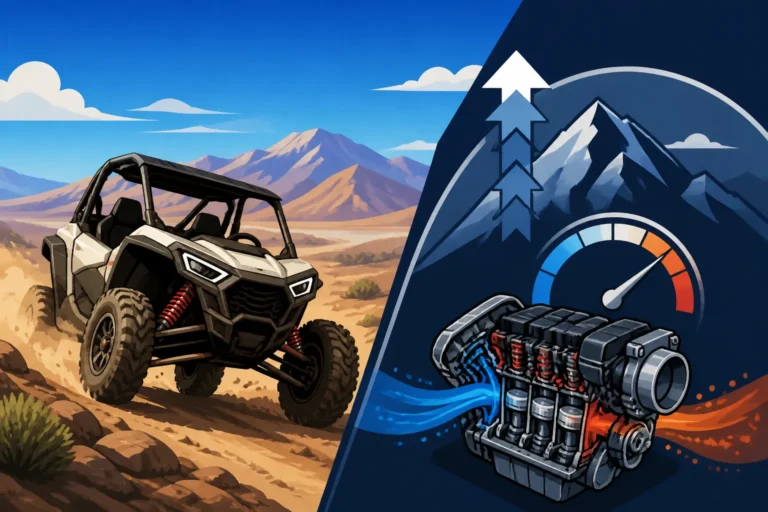
Nevada elevation changes reduce ATV and UTV engine power by three percent per one thousand feet of gain due to less oxygen for combustion.
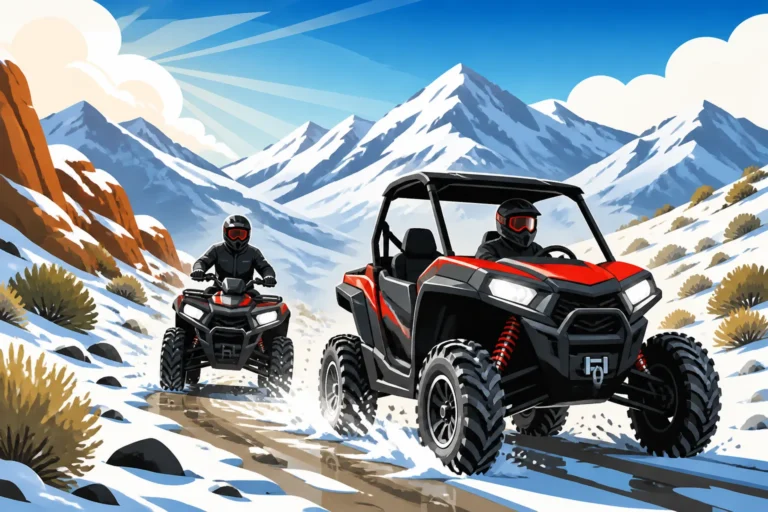
Nevada winter storms reshape OHV trails with snow and ice, creating hidden hazards that require careful route evaluation.

Nevada desert summer heat planning explains how riders manage water, choose cooler hours, and prepare vehicles.

Clark County congressionally named off-highway vehicle areas have specific rules, distinct terrains, and varying visitor services.

Nelson Hills and Sandy Valley off-road routes differ in terrain, mining hazards, and land boundaries, requiring careful motorized trip planning.

Laughlin designated OHV area rules explain how to prepare, ride responsibly, and avoid common mistakes near Nevada.

Eastern Nevada trailheads in Caliente, Alamo, Pioche, and Panaca require careful route planning for off-road vehicles.
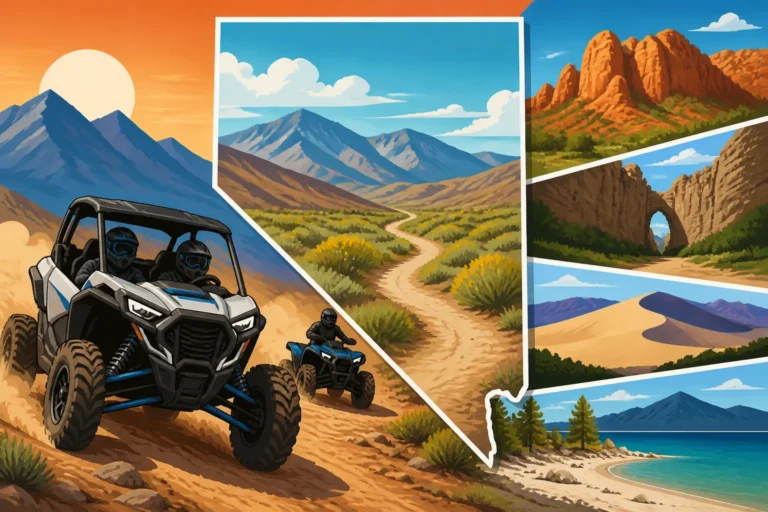
The Silver State Trail connects four Nevada parks, explaining route distances, fueling needs, and local off-highway vehicle rules.

Winnemucca Dunes in Nevada require careful planning for soft sand, changing access conditions, and limited services.

Amargosa Big Dune details planning, riding conditions, navigation, and remote desert preparation for visitors in southern Nevada.