Sand Mountain: Nevada’s Great Basin Dune
Sand Mountain can look like an open playground, but its dunes, marked routes, wildlife closures, and changing desert conditions call for more planning than a quick drive out of Fallon. This guide explains how to prepare, ride responsibly, choose a route, camp, and handle common safety and paperwork questions before heading to Nevada’s Great Basin dune.
Getting to Know Sand Mountain
Where the dunes are and what makes them distinctive
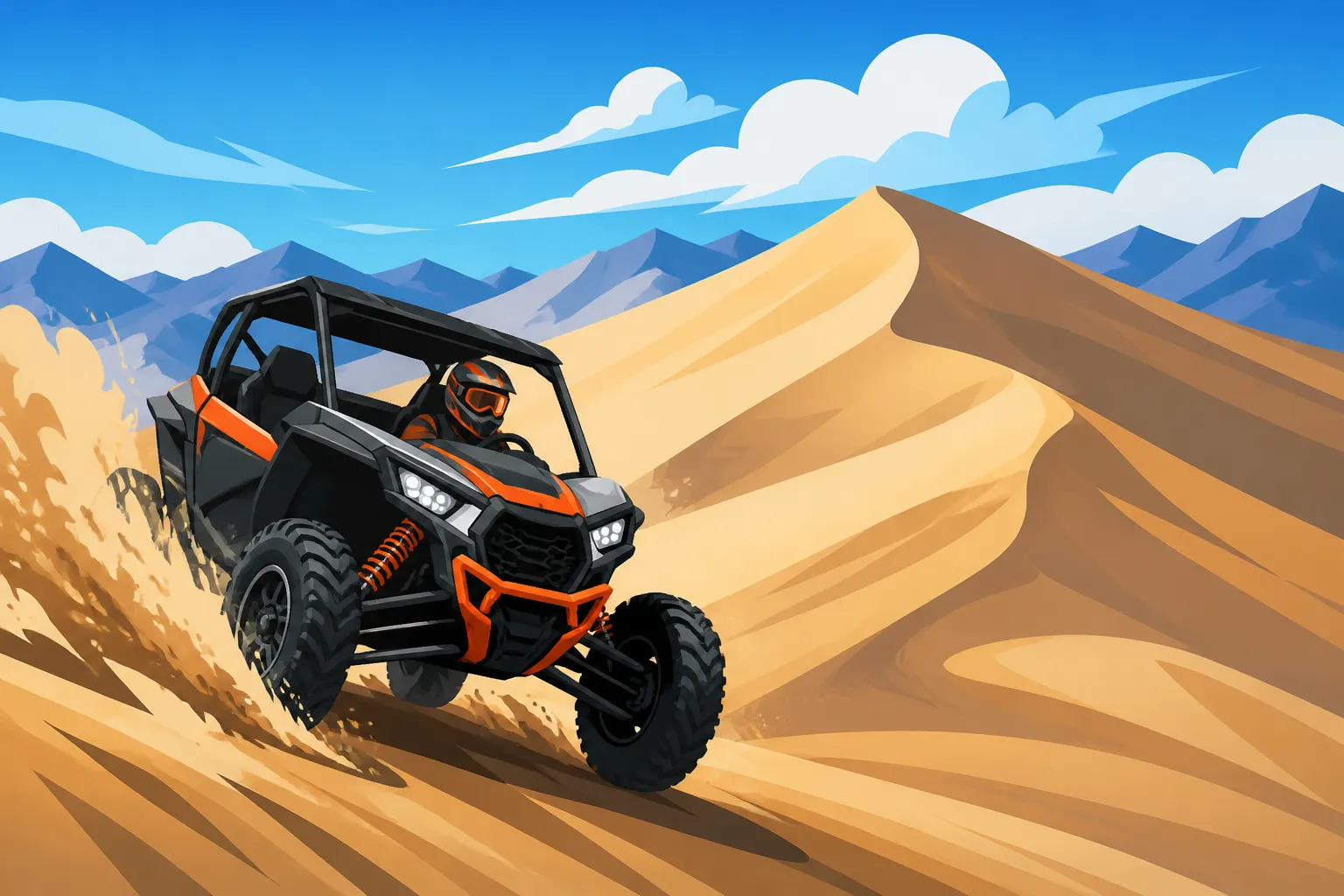
Sand Mountain Recreation Area is in Churchill County, east of Fallon, near U.S. Route 50. Its most recognizable feature is a prominent dune rising above the surrounding basin, with a broad area of sand and desert terrain around it. The setting is striking, but the landscape is not a featureless sandbox: the dune, flatter sandy sections, marked routes, and surrounding habitat all create different riding conditions.
The scale of the area can make it tempting to head off in whichever direction looks inviting. Resist that impulse until you have checked current maps, signs, and closures. Routes may be marked for a reason, and some sections are restricted to protect sensitive habitat. The boundary between an open riding area and a closed area is not always obvious when you are looking across a wide, pale landscape.
Sand Mountain is known for its large dune face and its network of marked trails. Riders often plan around the main dune, but a day here can involve much more than climbing it: exploring approved routes, watching other machines, managing dust, and taking breaks in a landscape with little shade. For an overview of the dune’s scale and setting, see [Sand Mountain's 4,795 Acres] and [The 600-Foot Dune Near Fallon, Nevada].
What the area is like on the ground
Expect a mix of soft sand, firmer tracks, open flats, and changing slopes rather than one uniform surface. Wind can reshape the sand and reduce visibility, while repeated traffic may make some routes feel rutted or choppy. A route that seemed straightforward on a map can also feel very different from the seat of a quad or UTV, especially when the machine is loaded with passengers, camping gear, or extra fuel.
The dunes are visually open, but that does not mean you can always see another rider in time to react. A crest can conceal a machine coming from the opposite direction, and a cloud of dust can hide a turn or a stopped vehicle. Slow down when visibility drops, avoid stopping just below a crest, and make sure passengers know to stay inside the vehicle when it is moving.
The area’s remoteness is part of its appeal—and part of the planning challenge. Do not assume you will find drinking water, reliable cell service, a nearby repair shop, or a quick way to reach help. Check the access route before leaving Fallon, bring supplies for a longer-than-planned day, and tell someone where you intend to ride. [Sand Mountain: Nevada's Great Basin Dune] is a helpful starting point for understanding why this area attracts dune riders from across the region.
Planning Your Visit
Choosing a season and time of day
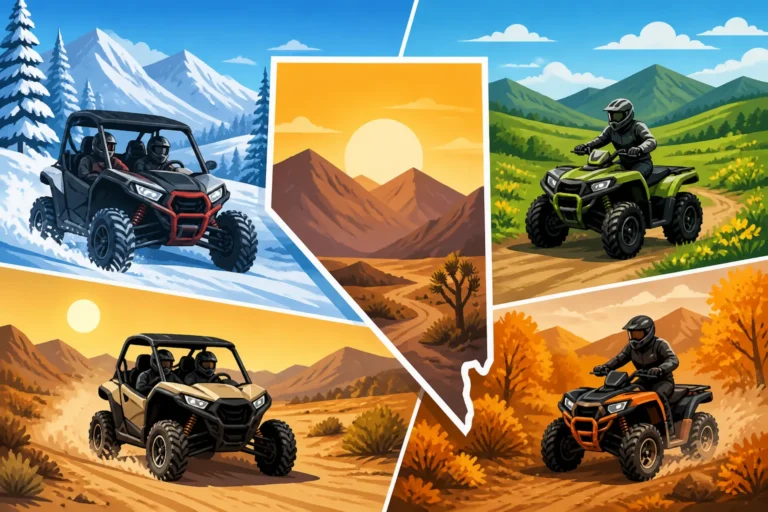
Desert weather can change the experience dramatically. In warm weather, sun and hot sand can turn a pleasant morning ride into a tiring afternoon, while wind can affect visibility and make dune riding less comfortable. In cooler months, cold starts, changing conditions, and shorter daylight hours can shape how much riding you can safely fit into a day. Check the forecast for the recreation area itself, not only the conditions in town.
When temperatures are expected to climb, plan your most demanding riding for the cooler part of the day. That does not mean every rider should rush straight to the biggest slope at sunrise. Give yourself time to check the machine, review the route, and make sure everyone understands where the group is going. A steady start is safer than beginning tired, rushed, or unsure about the terrain.
Wind deserves its own place in your plan. Strong or shifting wind may make it harder to read the surface, see other machines, keep sand out of your eyes, or communicate with your group. If conditions deteriorate, scale back the ride or return to a familiar route rather than pressing on to reach a planned destination. For more on seasonal decisions, read [Riding Seasons in the Nevada Desert] and [Nevada Desert Riding in Summer Heat].
Mapping the ride and checking access
Before you set out, identify the recreation area entrance, your parking or camp location, and the routes you intend to use. Keep a map available offline because coverage can be inconsistent across remote desert areas. A digital tool such as onX Offroad can help you review mapped roads and routes before you leave, but use it as a planning aid rather than permission to ride anywhere the screen shows a line.
Check current land-management information and on-site signs for closures, route restrictions, and access changes. A mapped track may be outdated, cross a closed zone, or be inappropriate for your machine. Pay particular attention around protected habitat and any posted boundary. If an app, downloaded map, and sign appear to disagree, do not treat the most permissive-looking option as a green light; pause and confirm the route with the managing agency.
Plan a conservative loop that can be shortened. Mark a turnaround point and agree on what the group will do if someone falls behind, a machine develops a problem, or visibility drops. Make sure every driver knows the starting point and the intended return route. An app like onX Offroad can support navigation, but a paper or downloaded backup and a clear group plan are still useful if a phone battery dies or a device is damaged.
Choosing Routes and Riding Sand
Matching the route to your experience and machine
Sand riding places different demands on a machine than a hard-packed trail. Soft sections can make steering feel vague, and the machine may bog down if the driver slows abruptly or chooses an unsuitable line. A new rider should begin on a manageable, well-traveled section with room to practice, rather than following an experienced rider directly onto a steep dune or into a busy area.
A quad and a side-by-side do not handle identically. A UTV’s size, weight, passenger load, and turning space affect where it can go comfortably; a sport quad may be narrower but still demands good throttle and body control. Check the machine’s manual, tire setup, load limits, and any rental restrictions. Do not assume that a route suitable for one machine is automatically suitable for a different vehicle or for a rider with less experience.
Use the marked routes as a practical starting point, not a promise that every segment will match your ability. Sand depth, traffic, wind, and recent use can change the feel of a track. If a slope or route looks beyond your comfort level, there is no shame in choosing a different line or turning back. A good day is one where everyone gets home safely, not one where every dune has been climbed. See [Sand Mountain's 23 Miles of Marked Trail] for more context on the area’s route network.
Riding dunes with control and awareness
Before attempting a dune, stop at a safe location and assess the slope, the approach, the crest, and the possibility of cross-traffic. Never ride blindly over a crest. Another machine may be approaching from the other side, or someone may have stopped just beyond the top. Keep enough distance to avoid following another rider into a situation you cannot see or stop for.
Maintain a speed that allows you to respond to changing sand and traffic. Sudden turns, abrupt braking, and aggressive throttle can unsettle the machine, particularly on a slope. Keep both hands and feet where the manufacturer intends, wear the appropriate protective gear, and avoid making a climb simply because someone else has done it. Passengers should be briefed on how to sit, hold on, and respond if the driver slows or changes direction.
Traffic awareness is just as important on flatter terrain. Stay alert for machines crossing your route, and do not park in a travel line or where other riders cannot see you. If a rider is stuck or stopped, give them room and approach cautiously; a well-meant recovery can become dangerous when other machines are still moving nearby. Leave enough space between vehicles to see clearly through dust, and regroup in a visible, safe spot rather than in the middle of a route.
Safety, Gear, and Desert Conditions
Preparing people before the engine starts
Agree on a simple riding plan before anyone starts a machine. Identify the lead rider and the person bringing up the rear, decide where the group will stop, and set a rule for what to do if someone loses sight of the others. For a family or mixed-experience group, choose a pace that the least experienced rider can manage. Do not split into separate groups without agreeing on a meeting point and return time.
Wear a properly fitted helmet and appropriate eye protection, along with clothing that covers exposed skin from sun, sand, and minor scrapes. Gloves, sturdy footwear, and layers suited to the forecast make a difference when the day begins cool and heats up later. A dust mask or other suitable face covering can help riders who find blowing sand uncomfortable, but it should not interfere with safe breathing or vision.
Pack more water than you expect to need and make it easy to reach without leaving the group unprepared. Bring food, sun protection, a basic first-aid kit, and a way to communicate if a phone has no signal. If someone feels overheated, dizzy, unusually weak, or confused, stop riding and take the symptoms seriously. Continuing because the trailhead seems close can make a manageable problem worse.
Preparing the machine and planning for breakdowns
Inspect the machine before unloading or riding. Check tires, controls, brakes, lights, fuel, visible leaks, and any safety equipment required for the vehicle. Confirm that the machine is appropriate for the terrain and that passengers, cargo, and accessories stay within the manufacturer’s limits. A side-by-side loaded with camping gear may handle differently from the same machine with only a driver aboard.
Carry basic tools and the items needed for likely problems, such as a tire issue or a loose component, based on your machine and experience. Make sure everyone knows where the first-aid supplies and water are stored. If the vehicle has a recovery point or winch, know how it works before you need it; do not improvise a recovery using an unsafe attachment or stand near a tensioned strap or cable.
Have a breakdown plan before you leave the staging area. Decide whether the group will stay together, who will seek help, and how you will communicate if a machine cannot move. Do not leave an injured or stranded rider alone without a clear reason and plan. If the machine is disabled in a busy area, move people to a safe location away from traffic and make the vehicle visible to approaching riders.
Wildlife, Closures, and Responsible Riding
Respecting protected dune habitat
Sand Mountain’s open appearance can obscure the ecological value of its landscape. Sensitive species use the dune and surrounding areas, and restrictions may be put in place to protect habitat. The Sand Mountain blue butterfly is associated with this recreation area, and protected zones can limit where vehicles may travel. Follow posted signs and current closure information even if a route appears physically passable.
Do not create a new track to bypass a barrier, avoid traffic, or find a more direct line. A short detour can widen into repeated damage as other riders follow it. Stay on authorized routes, keep vehicles out of fenced or signed areas, and do not move barriers. If you see a route marker that is missing or damaged, avoid guessing about the intended path and report the issue to the managing agency when practical.
Wildlife and other visitors also need room. Slow down when animals are near the route and do not chase, crowd, or feed them. Keep dogs under control and away from wildlife. If a closure or habitat boundary changes your planned route, treat that as part of the day’s conditions rather than a problem to solve by cutting across the landscape. Learn more in [How the Sand Mountain Blue Butterfly Closes Dune Areas] and [Riding Around Protected Dune Habitat].
Sharing the recreation area and leaving it in good shape
Sand Mountain can bring together families, experienced dune riders, campers, and visitors who are seeing the area for the first time. Make your movements predictable. Use established parking and camping areas, keep speeds appropriate around people and parked vehicles, and give other machines room when they are climbing, descending, or recovering from soft sand.
Pack out everything you bring in, including food scraps, broken straps, drink containers, and small pieces of plastic that are easy to overlook in sand. Secure loose items before riding so they do not blow out of a vehicle. Use designated sanitation facilities where available and follow posted instructions. Do not assume that a waste item will disappear into the sand or that someone else will clean up the area.
Noise, dust, and careless riding can affect the experience for everyone. Avoid unnecessary engine revving near camps, respect quiet or restricted areas, and do not drive through another group’s campsite. If you are riding with children, make sure they understand that a parked machine or open patch of sand is not automatically a safe play area. Basic courtesy helps keep the area welcoming and reduces the chance of a preventable conflict.
Camping and Day-Trip Logistics
Deciding whether to camp or visit for the day
A day trip from Fallon can work well for riders who want a focused outing and are comfortable returning before dark. Camping gives you more flexibility around early starts and changing conditions, but it also means bringing water, food, shelter, lighting, and a plan for waste. Before choosing, consider how many people are traveling, whether your vehicle can carry the supplies safely, and whether everyone is prepared for a remote desert night.
Confirm where camping is allowed and whether any area-specific rules apply. Designated facilities and available services can change, and you should not rely on old trip reports for details. Check land-manager information before you leave, follow signs at the recreation area, and avoid setting up in a route, on a closed surface, or in a place that blocks access for other visitors.
Camping does not remove the need to plan the ride itself. Keep keys, documents, water, and essential supplies organized so they are easy to find in low light. Secure food and gear from wind, and make sure lanterns, stoves, and other equipment are used safely. For a closer look at the practicalities, see [Camping at Sand Mountain Without Water] and [Sand Mountain's Six Vault Toilets].
Handling fuel, supplies, and the drive from Fallon
Treat fuel planning as part of the route plan, not an afterthought. Estimate what your machine will use for the intended ride, then allow a margin for soft sand, detours, idling, and an unexpected return trip. Do not plan on finding fuel or supplies at the riding area. Check your vehicle’s range, bring fuel only in approved containers, and store it securely away from people and sources of heat.
The drive from Fallon along U.S. 50 is part of the trip, so check your towing setup and vehicle before leaving town. Secure the machine on the trailer, confirm the load is balanced, and carry the tools needed for a flat or a loose tie-down. After arriving, choose a safe place to unload that does not obstruct traffic or other visitors. If the area is busy, take a moment to observe before moving a trailer into a tight space.
Make a simple checklist for the return as well as the ride out. Check that all riders are accounted for, machines are secured, trash is collected, and no equipment has been left in the staging area. If you are tired, dusty, or dealing with a mechanical issue, do not rush the drive home. A short pause to hydrate, inspect the trailer, and settle everyone can prevent a small oversight from becoming a road problem.
Passes, Registration, and Rules
Understanding area access and vehicle paperwork
Sand Mountain is a managed recreation area, and access requirements can differ from the registration rules that apply to the off-highway vehicle itself. Confirm the area’s current entry, use, and camping requirements before your trip; do not assume that having an OHV decal or home-state registration automatically covers every recreation-area fee or rule. Pass options and payment procedures can change, so check the managing agency’s information before leaving.
Nevada OHV registration and access requirements may depend on where the machine is registered, where it is operated, and whether the rider is a resident or visitor. Nonresident machines may be covered by particular exemptions or reciprocity rules, but do not guess based on a friend’s experience or a sticker from another state. Check the applicable requirements for your machine and trip. [Nevada OHV Permits Explained] and [Nevada's Nonresident Exemption in NRS 490.082] provide useful background.
Carry the paperwork required for your situation and keep it protected from dust and water. A phone photo can be a convenient backup, but do not rely on it as your only record if you could lose battery power, damage the device, or enter an area without service. If you are renting, ask the company what registration or access paperwork is handled for the machine and what you are responsible for carrying. Keep the answer clear before you leave the rental counter.
A practical comparison of what to check
The following checklist separates common trip questions that are easy to mix together. It is not a substitute for current posted rules; use it to identify what you should confirm before departure.
| Trip question | What to verify | Why it matters |
|---|---|---|
| Recreation-area access | Current entry and use requirements | Area access may be separate from vehicle registration |
| Vehicle registration | Requirements for your machine and residency | Rules may depend on whether the machine is registered in Nevada or another state |
| Route access | Current maps, signs, and closures | A route shown on a map may not be open to riding |
| Camping | Allowed locations and current conditions | Camping rules and available services can vary |
| Safety equipment | Machine manual and applicable rules | Proper gear and working equipment reduce preventable risk |
| Fuel and water | Personal needs and planned ride length | Supplies may not be available at the riding area |
When rules are unclear, ask the relevant land manager or registration authority before the trip rather than relying on a social-media comment or an old sign in a photograph. Keep a note of the route and contact information you used, and check for updates close to departure. This small step can prevent a wasted drive or an avoidable citation.
Building a Better Sand Mountain Ride
A first-visit plan for newer riders
For a first visit, keep the plan deliberately simple. Arrive with enough time to unload without rushing, review the day’s conditions, and get familiar with the machine in a manageable area. Agree on a short route, choose a clear meeting place, and avoid making the largest dune the day’s first objective. A lower-pressure start gives new riders a chance to learn how their machine responds in sand.
Set a turnaround time before setting out. That gives the group a reason to head back before fatigue, fading light, or a late-day wind shift catches up with you. Check in regularly, but choose places where the group can stop safely and remain visible. If a rider is struggling, make the outing easier rather than adding pressure to keep pace with the most experienced person.
At the end of the ride, take a few minutes to look over the machines and the group. Check for damage, loose items, heat-related discomfort, and anything that needs attention before the drive home. Talk through what worked and what did not while the details are fresh. If you plan to return, use those observations to improve your route, gear, and timing instead of simply riding farther next time.
A checklist for experienced groups
Experienced riders benefit from the same discipline as beginners, particularly when a group includes different machine types or passengers. Before riding, check that everyone understands the intended route, the return plan, and the signals or communication method. Keep the group’s pace appropriate for the least experienced driver and stop before someone becomes separated in dust or at a crest.
Set clear boundaries around challenging terrain. Decide in advance whether the group will attempt steep climbs, and make sure no one feels pushed into a maneuver they do not want to make. Do not send several machines up a slope at once if riders cannot see each other or safely space out. If the route becomes crowded, choose a quieter section or wait rather than threading between moving machines.
Keep navigation available without letting a screen distract the driver. A passenger can monitor a downloaded map or onX Offroad while the driver focuses on the terrain and other riders. Confirm the route against signs and current land-manager information, especially near closures. After the ride, share useful observations responsibly—such as a changed marker or a hazard—without encouraging people to cross boundaries or ride closed areas.
Disclaimer
This article is for general informational purposes only and does not constitute professional advice. Laws, prices and regulations vary by location and change over time. Consult a qualified professional for guidance on your specific situation.