Nevada Fines for No Large ATV Decal
You've got your awesome UTV or large ATV, and you just want to take it down a county road for a short stretch, maybe to get to another trail, or even just to the corner store for a cold drink. But then you see that flashing light in your rearview mirror, and your heart sinks. Nevada has specific rules for riding these powerful machines on public roads, and not having the right decal can quickly turn a fun outing into a costly headache. This guide will walk you through exactly what those "Large ATV Decal" fines are, what triggers them, and how to make sure you're riding legally in the Silver State, saving you from unnecessary expense and frustration.
Understanding Nevada's "Large ATV" Classification and Decal
Before we dive into the fines, it's crucial to understand what Nevada considers a "Large ATV" and why it requires a special decal for road use. This isn't just about your regular off-highway vehicle (OHV) registration; it's a distinct classification for machines that meet certain criteria and wish to operate on paved public roads for limited purposes.
What Nevada Counts as a "Large ATV"
When the Silver State talks about a "Large ATV" in the context of road use, it's generally referring to utility terrain vehicles (UTVs) or side-by-sides. These machines are often characterized by their multiple seats, a steering wheel, foot pedals, and sometimes even a small cargo bed. The key distinction from a traditional quad or ATV is often the size and design, which more closely resembles a compact vehicle. A standard, two-seat sport quad, for instance, typically doesn't meet the criteria for a "Large ATV" as defined by state law for road use because it usually lacks the specific features like a truck bed or the right seating configuration. It's really about the utility and passenger capacity that sets these "large" machines apart.
It's a common misconception, and an easy mistake to make if you're not fully up-to-speed on the nuances of Nevada's OHV laws. Many riders assume that because their UTV is registered for off-road use, it's automatically good to go for a quick hop onto a paved road. However, that's not the case. The state has carved out a specific category for larger machines, recognizing their increased potential for interaction with traditional vehicle traffic and the need for enhanced safety features. For a deep dive into the specifics, you can always check out [What Nevada's NRS 490.043 Counts as a Large ATV].
The Purpose of the Large ATV Decal
So, what's the deal with this special decal? The [Nevada's Large All-Terrain Vehicle Decal] isn't just another piece of paper to stick on your machine. It's a critical visual cue for law enforcement that your UTV or eligible large ATV has met the state's stringent requirements for limited road operation. Think of it as a signal that your machine has been inspected, equipped with the necessary safety features, and is permitted to share certain paved surfaces. This decal is different from your standard OHV decal, which only grants permission for off-road trail use.
The purpose extends beyond just identification; it's about public safety and ensuring that any OHV venturing onto a public road has appropriate lights, mirrors, and other features to safely interact with cars, trucks, and other vehicles. It helps delineate which machines are allowed to connect trails via county roads and which must remain strictly off-highway. Without this decal, even a brief excursion onto a paved road can be seen as operating an unapproved vehicle, leading directly to the fines we're about to discuss.
The Steep Cost of Non-Compliance: Nevada's Fines for No Large ATV Decal
We've all been there, or know someone who has – that moment of dread when you see the flashing lights in your rearview mirror. When you're out enjoying the Nevada desert, the last thing you want is a run-in with law enforcement over paperwork. For riders caught without a valid Large ATV Decal on designated public roads, the consequences can range from inconvenient to downright expensive. It’s not just a slap on the wrist; these are real fines that can significantly impact your wallet and your riding experience.
Initial Fines and Citations
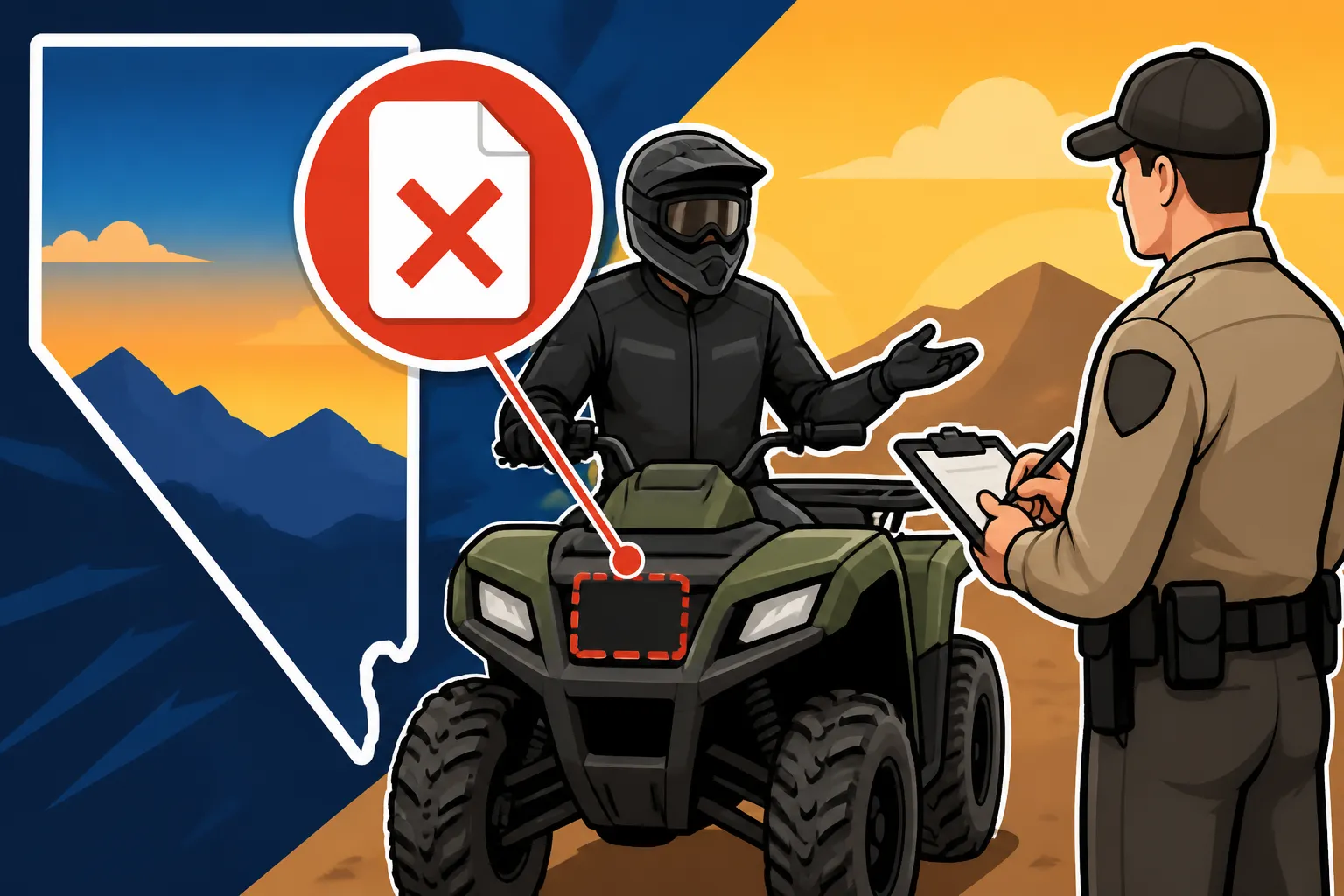
The most immediate consequence of riding your UTV or large ATV on a Nevada county road without the proper decal is a citation and a fine. While specific amounts can vary depending on the jurisdiction, the officer's discretion, and whether it's a first offense, you can expect a significant financial penalty. These aren't just minor parking tickets; they're often treated as moving violations for operating an unregistered (for road use) vehicle. A deputy or state trooper isn't going to let you off with a warning when you're caught operating a machine that hasn't met the safety and registration requirements for road travel.
Imagine you're cruising a paved section of road near Logandale, connecting from one trail system to another, feeling the wind in your hair, and suddenly you're pulled over. That feeling of freedom quickly vanishes, replaced by the sinking realization that your fun day might be over. The inconvenience alone, having to stop, present your documents, and deal with the officer, is a damper. Then comes the actual ticket, which will be a number you'd much rather have spent on fuel, accessories, or another awesome ride.
Beyond the Ticket: Additional Penalties
Unfortunately, the financial hit doesn't always stop with the initial fine. Nevada law enforcement has the authority to take further action, especially if the infraction is egregious or repeated. One of the most severe potential consequences is the impoundment of your machine. Trust me, the last thing you want after a fantastic day of tearing up the trails is to have your machine towed. This means not only paying the initial fine but also incurring towing fees, storage fees that accumulate daily, and the massive hassle of arranging for the retrieval of your UTV. These additional costs can quickly add up, easily eclipsing the initial fine and turning a single citation into a multi-hundred-dollar ordeal.
If your case goes to court, you'll face additional administrative fees and court costs. Furthermore, depending on how the violation is categorized by the DMV, it could potentially impact your driving record, leading to increased insurance rates in the future. It's a cascade effect, all stemming from not having that one crucial decal. It's far cheaper and less stressful to ensure compliance upfront. For more specific details on the penalties, you can often find information related to [Nevada Fines for No Large ATV Decal] through state resources.
Riding in Restricted Areas Without a Decal
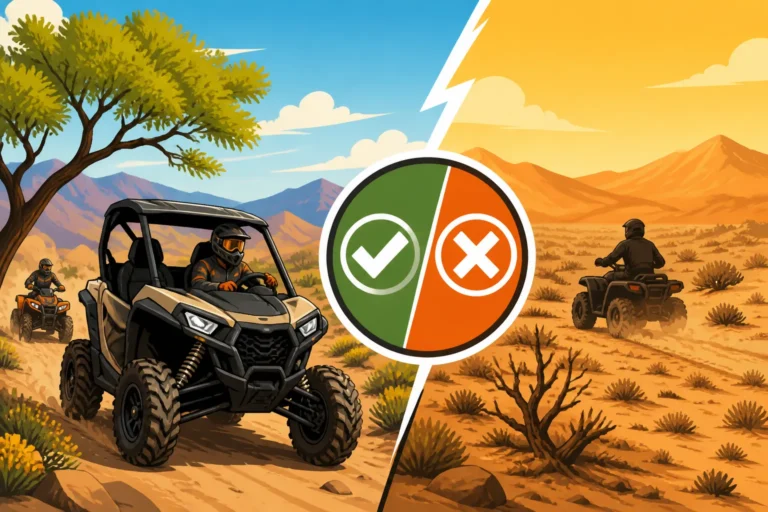
It's important to understand that even if you have a regular OHV decal for off-road use, simply having that doesn't grant you carte blanche to ride on any public road. The Large ATV Decal is specifically for limited operation on designated county roads. If you're caught riding on a county road that isn't approved for OHV use, or if you exceed Nevada's strict [Nevada's 2-Mile Limit on Paved Highway] without the proper Large ATV Decal, you're still looking at a citation.
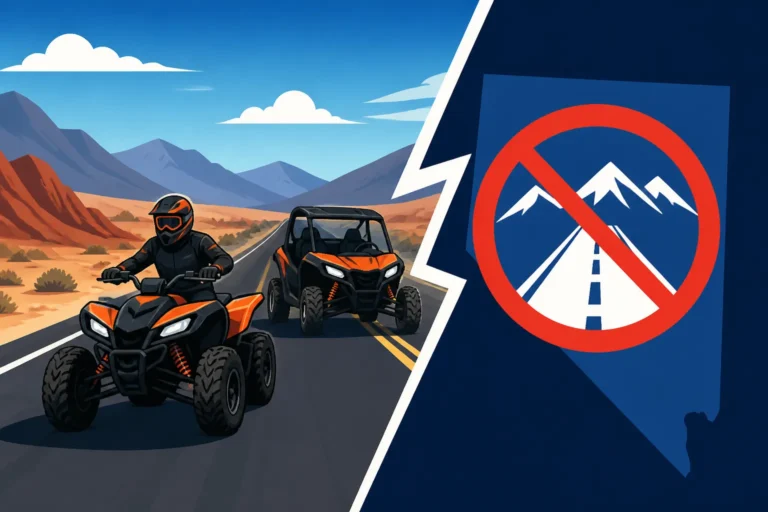
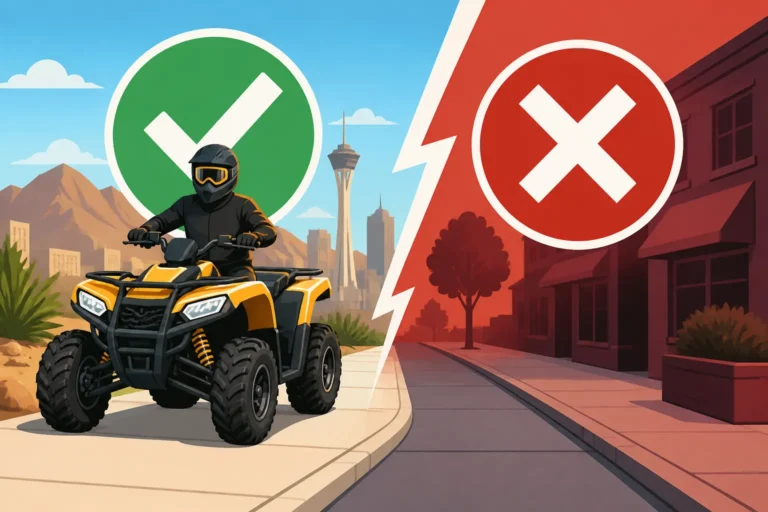
Picture this: you're trying to make a quick run into town from your campsite to grab some ice, or you're connecting two fantastic desert trails, and the shortest route involves a few miles on a state highway or a major city street. Even with a valid off-road registration, if you don't have that large ATV decal and your machine isn't equipped for it, you're breaking the rules. Some cities and counties, particularly in more populated areas, have even stricter ordinances, completely banning OHVs from many of their streets, regardless of decals. You might find this especially true in places like Reno or Las Vegas, where urban sprawl makes it nearly impossible to safely integrate OHV traffic. Knowing [Nevada Counties That Ban OHVs on County Roads] is crucial for planning your rides responsibly and avoiding trouble.
The Path to Legal Road Riding: Getting Your Large ATV Decal
The good news is that avoiding these frustrating and costly fines is entirely within your control. Nevada provides a clear pathway for UTV and eligible large ATV owners to legally operate their machines on designated county roads. It requires understanding the specific equipment your machine needs, navigating the application process, and always adhering to the rules of the road.
Meeting the Machine Requirements
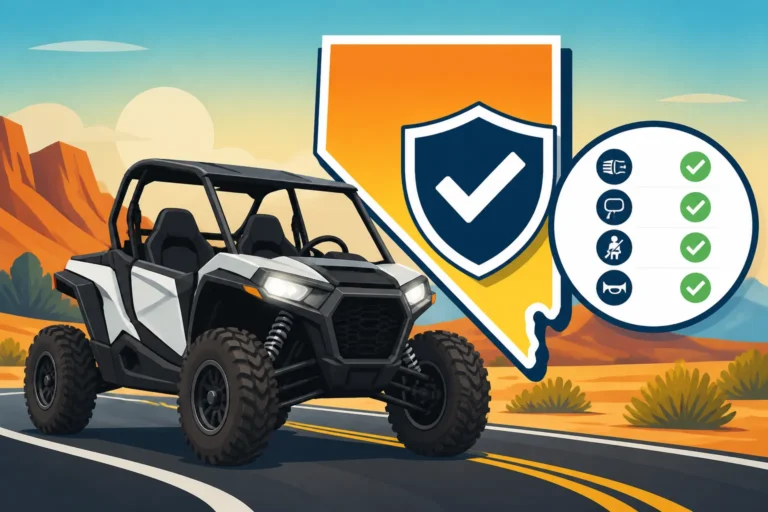
To qualify for a Large ATV Decal, your machine needs to be outfitted with specific safety equipment. This isn't just about looking good; it's about making your UTV visible and controllable in a mixed-traffic environment. You'll need functional headlights and taillights that are visible from at least 500 feet, a stop lamp (brake light), and reflectors. A working horn is essential for warning other drivers or pedestrians, and proper mirrors are critical for situational awareness. Don't overlook the simple things like a working horn and proper mirrors – you can find these necessary components from reputable suppliers like SuperATV to keep you safe and legal.
Additionally, a spark arrester is required to prevent wildfires, and your machine must have seatbelts for all occupants if it's designed for multiple riders. While DOT-approved tires might not be explicitly mandated for all aspects of the Large ATV Decal, it's a very smart idea to upgrade, especially if you anticipate much pavement exposure. Street tires provide better traction and longevity on asphalt compared to aggressive off-road treads. Many riders turn to trusted brands like SuperATV for their mirrors, horns, and even full turn signal kits to ensure their machine is fully compliant before applying for the decal. Ensuring your machine has functional headlights and taillights visible from 500 feet, often found through quality aftermarket providers like SuperATV, is non-negotiable. For a comprehensive list, consult the official guidelines for [Nevada Street Legal UTV Requirements].
The Application Process
Once your machine is properly equipped, the next step is the application itself. This typically involves submitting an application form to the Nevada DMV (or its authorized OHV section). One of the critical steps in this process is a VIN inspection. This inspection confirms that your machine's Vehicle Identification Number matches your documentation and verifies the presence of the required safety equipment. You can't just roll into any DMV office expecting them to do this; it usually requires a licensed OHV dealer or a sworn law enforcement officer to complete the inspection. Knowing [Who Can Do a VIN Inspection in Nevada] can save you a lot of time and frustration.
There will also be fees involved – for the decal itself and potentially for titling if you're registering a new machine or one that needs a new title in Nevada. Make sure all your paperwork is in order, including proof of ownership, a bill of sale, and any previous registration documents. The better prepared you are, the smoother the process will be. For detailed instructions on the paperwork and where to submit it, refer to [Applying for a Nevada Large ATV Decal].
Understanding Road Rules for Decaled Machines
Having the Large ATV Decal doesn't mean your UTV magically becomes a car. It grants you limited privileges on certain public roads. You're generally restricted to riding on minor county roads and specific designated routes, often with limitations on how far you can travel on paved surfaces. For example, Nevada often has a [Nevada's 2-Mile Limit on Paved Highway] rule to connect trails. You must hold a valid driver's license to operate your machine on public roads; [The Driver's License Nevada Wants on Roads] is a non-negotiable requirement.
Crucially, you also need to carry proof of liability insurance. Just like a car, if you're on a public road, [Insurance Nevada Requires for Road Use] for your large ATV. This protects you and others in case of an accident. Furthermore, remember that helmet laws still apply, particularly for younger riders, even when operating on roads. Always be aware of local ordinances, as some towns or counties may have additional restrictions. The decal signifies compliance, but strict adherence to road rules and limitations is paramount for both safety and legality.
Avoiding Trouble: Proactive Steps and Why Compliance Matters
The Nevada desert is a magnificent playground for OHV enthusiasts, but navigating the rules, especially around road use, can feel like a maze. Taking proactive steps to ensure your compliance with the Large ATV Decal requirements isn't just about avoiding fines; it's about enjoying your rides with peace of mind and contributing to a safer environment for everyone.
Be Prepared for Roadside Stops
Imagine you're out on the county roads connecting to your favorite trail, and a deputy signals you to pull over. Being prepared can make all the difference in how that interaction goes. Always carry all your necessary documents: your valid driver's license, the machine's registration card (which should indicate the Large ATV Decal), and proof of liability insurance. It’s a good idea to keep these documents in a waterproof and dustproof container – a Ziploc bag inside a small dry bag works wonders – securely stashed on your machine. You can even take photos of your documents on your phone as a backup, though physical copies are usually preferred.
Knowing what law enforcement is looking for can help. A Nevada trooper or deputy will likely check for the Large ATV Decal, verify your driver's license, and ensure your machine has the required safety equipment like mirrors, horn, and working lights. Being able to calmly and quickly provide these means you're prepared. Understanding [What a Nevada Trooper Looks For on a County Road] can ease your nerves during a stop and ensure a smoother interaction.
The Benefits of Proper Decaling
Beyond merely avoiding fines, there are significant benefits to getting your Large ATV Decal and ensuring full compliance. The most obvious is peace of mind. You can enjoy your ride without constantly looking over your shoulder, worrying about a potential stop or citation. Knowing you've done everything by the book frees you up to focus on the trail, the scenery, and the sheer joy of riding.
Furthermore, the required equipment for the decal, such as proper lighting, mirrors, and a horn, significantly enhances your safety on shared roads. It makes your UTV more visible to other motorists and allows you to communicate better, reducing the risk of accidents. When you're upgrading your UTV to meet Nevada's road-legal requirements, companies like SuperATV offer a wide range of accessories, from DOT-approved windshields to robust mirror kits and essential horn systems. Finally, the fees collected from OHV registrations, including the Large ATV Decal, often contribute directly to state OHV programs. This means your compliance helps fund trail maintenance, signage, and other improvements that benefit the entire riding community. It’s part of giving back to the sport you love. You can learn more about this by checking out [Where Nevada OHV Registration Money Goes].
Where to Ride Legally (and Where Not To)
The Large ATV Decal grants you privileges, but it doesn't open up every road. It's crucial to know exactly where you can and cannot ride. Generally, this decal allows limited travel on minor county roads, often for connecting trail segments or accessing services at the edge of town. However, major state highways, interstates, and many city streets remain off-limits. You should always check local ordinances, as some areas may have specific rules or designated routes for OHVs. For example, while you might be able to ride certain county roads near Mesquite, downtown Las Vegas or Reno will be entirely different territory.
The goal is usually to ride to the trailhead or through unpopulated rural areas, not through bustling town centers for extended periods. Utilize resources like the [Nevada Trail Finder] to plan your routes meticulously, identifying legal connections and avoiding restricted zones. Being proactive in understanding your riding boundaries will prevent accidental violations and ensure your adventure stays on the right side of the law.
Here's a quick overview of potential consequences:
| Violation Type | Potential Consequence (Initial) | Additional Hassles & Costs |
|---|---|---|
| No Large ATV Decal (on eligible road) | Citation & Fine | Towing, Impoundment Fees, Court Costs, Insurance Impact |
| Operating Unlicensed/Uninsured | Citation & Fine | Suspension of Driving Privileges, Machine Impoundment, Higher Fines |
| Riding in Prohibited Area | Citation & Fine | Machine Impoundment, Local Ordinance Penalties |
| Missing Required Road Equipment | Fix-it Ticket / Fine | Cannot operate legally until fixed, potential safety risk |
Disclaimer
This article is for general informational purposes only and does not constitute professional advice. Laws, prices and regulations vary by location and change over time. Consult a qualified professional for guidance on your specific situation.