Nevada OHV Title for a Machine With a Lien
Buying or selling an off-highway vehicle (OHV) in Nevada can feel straightforward until you hit the snag of a lien attached to the title. It's a common scenario that can cause headaches, delays, and even financial risk if not handled correctly. This comprehensive guide will walk you through everything you need to know about navigating a Nevada OHV title when there's a lien involved, from understanding what a lien means for you to the steps required to get a clean title in your hands.
Understanding Liens on Your Nevada OHV Title
When we talk about a lien on an OHV title, it’s really about who has a financial claim to your machine. It’s a legal notice that indicates someone else has an interest in your ATV or UTV until a debt is fully paid. For many riders, this often comes into play when they’ve financed their machine, but it can also crop up in private sale situations if the seller hasn’t fully paid off their own loan.
What Exactly is a Lien on an OHV?
Imagine you just purchased that dream side-by-side, maybe a powerful Polaris RZR or a rugged Can-Am Defender, but you didn't pay for it all upfront. Instead, you secured a loan from a bank, credit union, or even a private party. That lender wants to ensure their investment is protected until you've paid back every last cent. A lien is their legal claim against your OHV, essentially saying, "Hey, this vehicle is collateral for the money we lent." It’s formally recorded with the state, which gives the lienholder the right to repossess the vehicle if you fail to make your payments.
This isn't just a casual agreement; it’s a serious legal encumbrance. The presence of a lien means that while you might be the registered owner and have possession of the machine, you don’t technically hold "clear title." The lienholder maintains a significant interest, impacting your ability to freely sell, gift, or even sometimes extensively modify the OHV without their permission, until their financial claim is satisfied. It’s a crucial detail that often catches people off guard when they go to sell their beloved quad.
Why Liens Matter for Your Title
A lien fundamentally affects your ownership rights and the overall value of your OHV. If you try to sell a machine with an active lien, you'll quickly find yourself in a tricky situation. Most buyers, whether private individuals or dealerships, will not want to purchase an OHV with a lien attached because it means they won't get clear ownership. They would inherit the lender's claim, making them potentially responsible for your outstanding debt, which is a huge risk. Imagine buying a used ATV privately in Nevada, only to find out later that the original owner still owes money, and the bank could come looking for your machine. This is why a clear title is paramount.
Furthermore, the Nevada Department of Motor Vehicles (DMV) will reflect the lien on the official title document. This means the title might actually be held by the lienholder, not you, until the debt is paid. This can cause significant delays if you need to access the title for any reason, such as exporting the vehicle or proving ownership in another context. Understanding this from the outset can save you a lot of grief down the road, especially if you plan on upgrading your machine in a few years and want to sell your current one hassle-free.
Who Holds the Lien?
The lienholder is typically the entity that provided the financing for your OHV purchase. This could be a traditional bank like Wells Fargo or Bank of America, a credit union like One Nevada Credit Union, or even the finance arm of the manufacturer, such as Polaris Acceptance. Sometimes, especially in private sales, the lien might be held by an individual if they privately financed the purchase for the buyer. It's less common for private individuals to hold formal liens on OHV titles compared to car titles, but it does happen and requires the same diligent paperwork.
Regardless of who holds it, the process for releasing a lien generally follows similar steps. The key is identifying who the lienholder is, as they are the ones who must issue the lien release documentation once your debt is settled. Without their cooperation and the proper paperwork, clearing your title can be a major uphill battle. Knowing exactly who to contact for that crucial document is your first step towards a clear title and unencumbered ownership of your off-road machine.
The Nevada DMV, Lienholders, and Your Title
When you register an OHV in Nevada, the DMV plays a central role in documenting who truly has a financial interest in your machine. It’s not just about getting your [Nevada's Annual OHV Registration] or a shiny new decal; it's about formalizing legal ownership. This process helps protect both you and your lienholder by creating a clear record of who has what claim.
How Nevada Records Lienholders
In Nevada, when you finance your OHV, the lienholder’s information is recorded on the Certificate of Title. This document is like the birth certificate for your ATV or UTV, and it specifically names the legal owner and any secured parties, i.e., the lienholders. When you fill out the application for [Titling an Off-Highway Vehicle in Nevada], there's a section to list any outstanding liens. The DMV then processes this, and the official title will clearly indicate the lienholder's name and address.
This record-keeping is critical because it's the official public notice of the lien. Any future buyer, or even the DMV itself, can see that there's an outstanding financial claim against your machine. This prevents someone from selling an OHV without settling the debt first. It ensures transparency in ownership and helps to prevent fraud, protecting everyone involved in the transaction.
Getting Your Title When There's a Lien
Here’s where it gets interesting for many owners. When an OHV has a lien against it, the physical title certificate is often mailed directly to the lienholder by the Nevada DMV, not to you. This is standard practice across many states, including Nevada, and it's done to protect the lienholder's interest. They hold onto the title as collateral until you've paid off your loan in full.
So, while you might have the registration card and the OHV decal on your machine, you won't possess the actual title document itself. This can sometimes cause confusion for owners who expect to receive the title right after purchase. If you ever need a copy of the title while the lien is active, you’ll typically have to request it through your lienholder, and they might only provide a copy, not the original, as they are still the legal custodians of the document.
What Happens When You Pay Off the Lien
The day you make that final payment on your OHV loan is a fantastic milestone! But paying off the loan isn't the final step in clearing your title. The lienholder must formally release their claim. In Nevada, once your loan is satisfied, the lienholder is legally obligated to send you a lien release document. This document, often a signed and notarized letter or a specific form, confirms that they no longer have a financial interest in your ATV or UTV.
Upon receiving this crucial document, it's your responsibility to submit it to the Nevada DMV. You can’t just stash it away in a drawer; the DMV needs it to update their records and issue you a new, "clear" title with your name as the sole owner, free of any encumbrances. Without this step, even if you’ve paid off your loan, the DMV’s records will still show the lienholder’s interest, which could cause issues down the line when you decide to sell or transfer ownership, such as when [Transferring an ATV Title in Nevada].
Navigating the Lien Release Process in Nevada
Getting that lien officially removed from your Nevada OHV title is a crucial step toward true ownership. It involves a bit of paperwork and communication, but it’s entirely manageable once you know the process. Don’t let the thought of bureaucracy intimidate you; a clear title is worth the effort.
Obtaining the Lien Release Document
The first and most critical step is to get the official lien release from your lender. Once you've made your final payment on the OHV loan, reach out to your bank, credit union, or private lender directly. They should provide you with a formal document stating that the loan is satisfied and their lien is released. This document is typically a letter on their official letterhead, signed by an authorized representative, and often notarized. It needs to clearly identify your OHV by its Vehicle Identification Number (VIN) and confirm the release of the lien.
Don't accept a verbal confirmation; you absolutely need this in writing. Keep a copy for your records, too. If you're dealing with a private lender, or even just want to ensure your lien release document is ironclad and legally sound, services like LawDepot can provide customizable templates for legal forms that help formalize such agreements, giving both parties peace of mind. Make sure all names, dates, and the OHV's identifying information are accurate before you proceed.
Submitting the Release to the Nevada DMV
Once you have that golden lien release document in hand, it's time to take it to the Nevada DMV. You'll need to submit this document along with an application for a new title. While some states allow this process by mail, it’s often best to handle it in person at a DMV office to ensure everything is correct and processed efficiently, especially if you want to avoid potential delays in [Nevada OHV Registration Processing Times]. You might also need to fill out a specific form, like a title application, requesting a new title without the lienholder listed.
The DMV will review the lien release and update their records. They will then issue a brand-new Certificate of Title directly to you, the registered owner, with no lienholder listed. This new title is your proof of clear ownership. Remember, even if you’ve been riding your OHV for years, this step is essential for legal ownership. If you don't submit the release, the lien could technically still appear on your record, creating issues later.
Dealing with Lost or Uncooperative Lienholders
Sometimes, life throws a curveball. What if your lienholder went out of business, moved, or simply lost your paperwork? Or worse, what if a private seller who held a lien is now uncooperative? This can be a frustrating situation, but it's not insurmountable. Your first step should be to gather as much evidence as possible that the debt was satisfied. This includes bank statements showing payments, canceled checks, or any correspondence confirming the payoff.
If the lienholder is truly unreachable or uncooperative, you might need to consult legal counsel. In some cases, states have procedures for a "petition for lien release" through the courts, where you can present your evidence and ask a judge to order the lien removed. This is a more complex route, but it's an option if all other attempts fail. Document every communication attempt, every letter sent, and every phone call made, as this detailed record will be vital if you need to take legal action.
Buying or Selling a Nevada OHV with an Existing Lien
The presence of a lien significantly impacts the buying and selling process for an OHV in Nevada. It's not impossible, but it demands extra diligence and careful coordination to ensure a smooth, legal transfer of ownership. Whether you're the seller trying to offload your machine or a buyer looking for a great deal, understanding the mechanics of a lien sale is crucial.
Selling Your OHV with an Active Lien
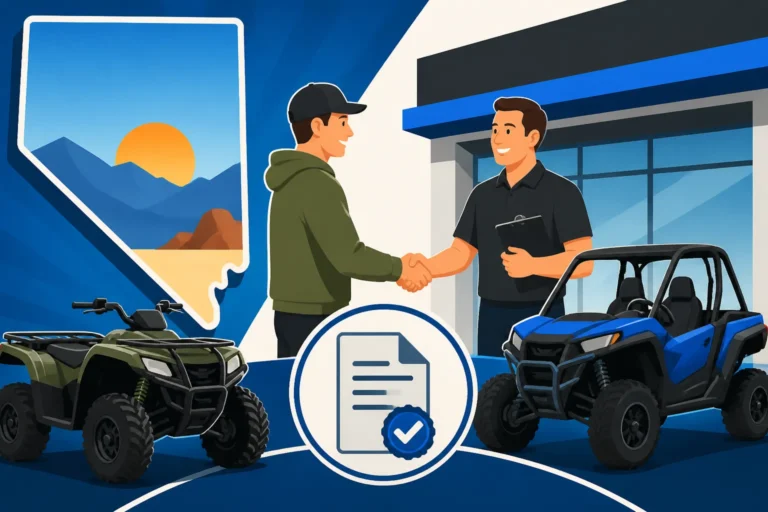
Selling an OHV that still has a loan attached requires a bit of finesse. You cannot simply sign over the title if the bank holds it, nor can you legally transfer ownership without settling the lien. The typical process involves paying off the loan at the point of sale. For instance, the buyer's funds (or a portion of them) can be used to pay off your outstanding balance directly to your lienholder. Your lienholder would then issue the lien release, and the remaining funds, if any, would go to you.
This usually means coordinating with your bank, the buyer, and often the buyer's financing institution if they are also taking out a loan. A common method is to conduct the transaction at your bank, where the buyer can pay, and the bank can immediately process the lien release. This provides security for both parties. The bank verifies payment, releases the lien, and then you can process the title transfer. It avoids the risky scenario of a private seller taking the buyer's money and then disappearing without paying off the lien.
Buying an OHV with a Lien (Buyer Beware)
If you're looking to purchase an OHV in Nevada and discover there's an active lien, proceed with extreme caution. Your biggest risk is paying the seller and then finding out they don't pay off their loan, leaving you with a machine that still has a lien against it. Before you even consider handing over any money, you need to verify the lien status. You can often do this by requesting a title history report from the Nevada DMV or by asking the seller to provide documentation from their lienholder. If you're buying [Buying a Used ATV Privately in Nevada], transparency is key.
The safest way to buy an OHV with an existing lien is to ensure the lien is satisfied before or at the time of the transaction. Insist on a direct payoff to the lienholder. This means instead of paying the seller directly, you (or your lender) pay the seller’s lender the outstanding balance. Once that’s done, you'll need the lien release document from the seller's lender, which you'll then take to the Nevada DMV to get a new title issued in your name, free of the previous lien. When buying a used ATV privately in Nevada, especially if there's a lien involved, having a solid bill of sale is crucial. Again, resources like LawDepot offer templates that can help you create a comprehensive document that protects your interests and clearly states the terms of sale and lien payoff.
Here's a quick look at the typical lien release process:
| Step | Description | Key Action |
|---|---|---|
| 1. Satisfy the Debt | Make your final loan payment to the lienholder. | Confirm zero balance. |
| 2. Obtain Lien Release | Request official written proof from the lienholder that the loan is paid off. | Ensure document includes VIN, lienholder signature, and is often notarized. |
| 3. Submit to Nevada DMV | Take the lien release to the DMV to update your OHV title. | Fill out a new title application; may be done in person or by mail. |
| 4. Receive Clear Title | The DMV processes the request and mails you a new title without the lien. | Verify all information on the new title is accurate and the lien is removed. |
| 5. Retain Records | Keep copies of all transaction documents, including the lien release. | Store safely for future reference, sale, or proof of ownership. |
It's a process that ensures that your ATV or UTV truly belongs to you, free and clear, ready for your next adventure out on the [Best Places to Ride an ATV in Nevada]. Whether you're exploring [Sand Mountain: Nevada's Great Basin Dune] or navigating the challenges of [Logandale Trails Outside Las Vegas], having a clear title provides peace of mind. Getting your title clear of a lien is a fundamental part of responsible OHV ownership in Nevada.
Disclaimer
This article is for general informational purposes only and does not constitute professional advice. Laws, prices and regulations vary by location and change over time. Consult a qualified professional for guidance on your specific situation.