When a Seller Cannot Find the Title
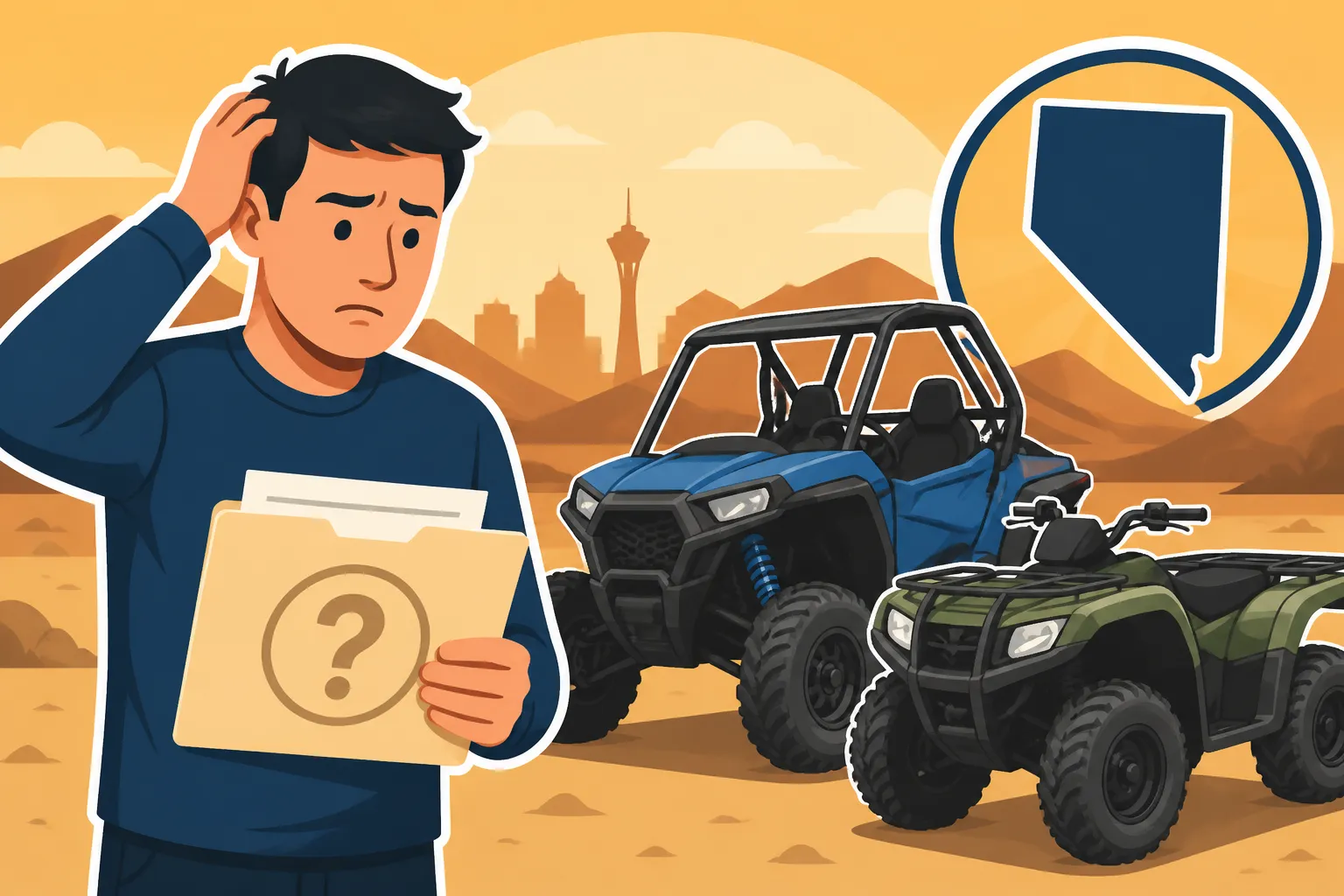
It's incredibly frustrating, isn't it? You've scoured online listings, maybe driven hours to check out what seems like the perfect ATV or UTV – that sweet ride that's going to unlock countless adventures in the Nevada desert. You've kicked the tires, maybe even taken it for a quick spin, and everything feels right. Then, you ask the seller about the title, and you get that hesitant shrug or the dreaded, "Oh, I can't seem to find it." Suddenly, your dream machine feels like a potential nightmare. This guide is here to walk you through exactly what to do when a seller can't produce the title for an off-highway vehicle (OHV) in Nevada, helping you understand the risks and your options so you can make an informed decision and avoid a costly mistake.
The Weight of a Missing Title: Why It's More Than Just Paperwork
When you're dealing with an ATV or UTV sale, the title isn't just another piece of paper to shove in a drawer. It's the lynchpin of legal ownership, and without it, you could be setting yourself up for a world of headaches down the road. Understanding its importance is the first step in protecting your investment.
The Essential Role of a Nevada OHV Title
Think of an OHV title as the birth certificate and legal deed rolled into one for your off-road machine. It officially proves who the legal owner is. In Nevada, like many states, a title is generally required for off-highway vehicles that will be registered. This document contains crucial information: the vehicle identification number (VIN), the year, make, and model, and the name of the current legal owner. It’s what you’ll need to officially register your machine with the Nevada DMV OHV Section and get that all-important decal, which then allows you to legally ride on designated trails and public lands.
If you don't have a title, you face significant hurdles. You won't be able to easily transfer ownership if you decide to sell it yourself later, which drastically reduces its value and marketability. More critically, without a title, it's incredibly difficult to prove the machine genuinely belongs to you. This can become a huge problem if the machine is ever stolen, or if there's any dispute over its ownership. It's truly the foundation of your legal right to the machine. For a better understanding of what this critical document looks like, you can check out [What an OHV Title Looks Like].
Understanding the Risks for a Buyer
Proceeding with a purchase when the seller can't produce the title is inherently risky. The biggest, most glaring risk is that you could unknowingly be buying a stolen machine. If that happens, even if you paid good money for it, the machine could be confiscated by law enforcement, and you'd be out your cash with no recourse. The legal owner (or their insurance company) would reclaim it, and you'd be left with nothing but a void in your bank account and a story to tell.
Beyond the "stolen" scenario, you also run the very real risk of not being able to legally register the machine in your name. Nevada requires proof of ownership for registration. While there are some very specific, limited exceptions for older machines or those acquired before certain titling requirements, for most modern OHVs, a title is a must. Imagine buying your dream side-by-side, only to find out you can't get a decal for it because you don't have the proper paperwork. That means no legal riding on public land, and you're stuck with a very expensive yard ornament. The headache and potential financial loss simply aren't worth the perceived "deal" of a title-less machine.
Due Diligence: What Every Buyer Should Do Before Money Changes Hands
Navigating an OHV purchase in Nevada, especially when titles are involved, means you need to be sharp and proactive. Don't let the excitement of a new machine cloud your judgment. A little extra effort upfront can save you a mountain of trouble later.
Always Ask for the Title Upfront
This might sound obvious, but it's astonishing how many eager buyers get cold feet at this critical step. Make it a non-negotiable part of your buying process: the title must be present and accounted for before any money changes hands or final agreements are made. A legitimate seller should have the title ready and be willing to present it to you for verification. If they tell you they'll "find it later" or "mail it to you," consider that a massive red flag. While a verbal promise might seem fine at the moment, it offers zero legal protection if that title never materializes.
Insist on seeing the physical title, not just a photocopy. Look for any signs of tampering or alteration. This simple step saves you immense time, money, and stress. If a seller is truly having trouble locating it, the best course of action is to insist they obtain a duplicate title from the DMV before you finalize the purchase. This puts the burden and responsibility where it belongs—on the current owner.
Verifying the VIN and Seller Information
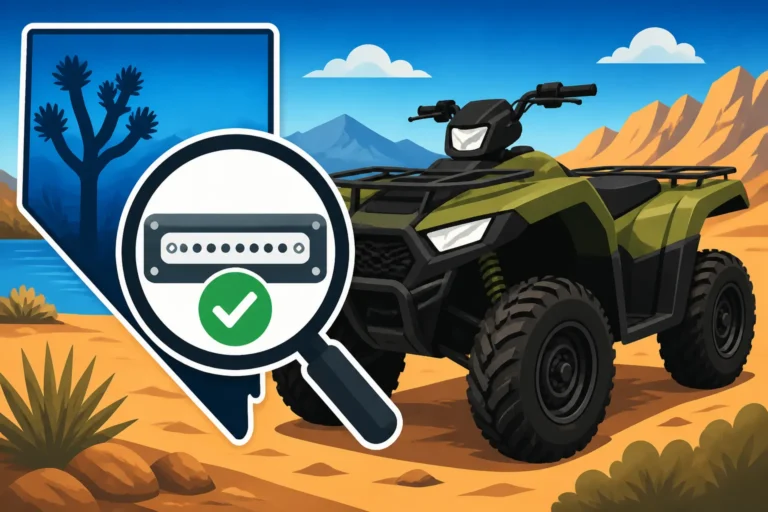
Once you see a title (or if you're proceeding without one, relying on a bill of sale), your next critical step is to verify the Vehicle Identification Number (VIN). Locate the VIN physically stamped on the frame of the ATV or UTV. It’s typically on the left side of the frame, near the front wheel, or sometimes under the seat or on a crossmember. Compare this number character for character with the VIN listed on the title. If they don't match, or if the VIN on the machine appears tampered with (grinding marks, restamping, etc.), walk away immediately. This is a huge indicator of potential theft or fraud. You can learn more about this crucial check by reading [Checking an ATV VIN Before You Buy].
Additionally, verify the seller's identity by asking to see a valid government-issued ID (like a driver's license). The name on their ID should match the name of the owner listed on the title. If the names don't match, and the seller claims to be selling it for a friend or family member, this adds another layer of complication and risk. At that point, you'd need a properly executed power of attorney or a bill of sale signed by the titled owner, not just the person standing in front of you. While the Nevada DMV doesn't perform a title search for prospective buyers, they can often verify a VIN's history if you provide a good reason, like a police report, or once you become the legal owner.
Crafting a Comprehensive Bill of Sale
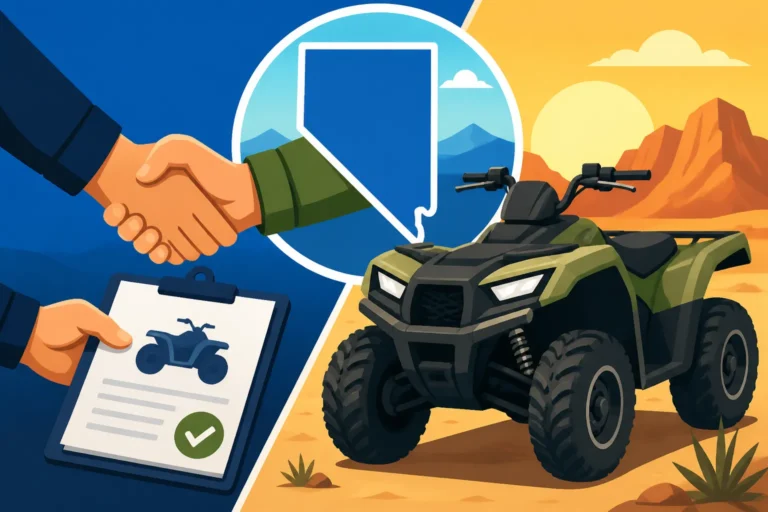
Even if a title is present and everything checks out, a detailed bill of sale is an absolute must for any private OHV purchase in Nevada. However, when a title is missing, a robust bill of sale becomes even more critical—it might be your only physical documentation of the transaction. This isn't just a scribble on a napkin; it's a legal contract that documents the exchange.
Your bill of sale needs to be thorough. It should include the full names, addresses, and contact information for both buyer and seller. It must clearly state the year, make, model, and the complete VIN of the OHV. Crucially, it needs to list the agreed-upon sale price and the date of the transaction. Adding an "as-is" clause is standard for private sales, protecting the seller from future mechanical complaints. You should also include a statement from the seller confirming they are the legal owner and that the machine is free of any liens or encumbrances. Both parties should sign and date the document, and ideally, have it witnessed by a third party or even notarized for extra legal weight. Resources like LawDepot can be incredibly helpful for creating professional, legally sound documents like a comprehensive bill of sale, ensuring you don't miss any critical details. For further guidance on what to include, refer to [What a Nevada ATV Bill of Sale Should Carry].
| Element | Importance | Notes |
|---|---|---|
| Buyer's Full Name & Address | Essential for clear ownership documentation | Must be accurate and match your ID |
| Seller's Full Name & Address | Proves legitimate transaction | Must be accurate and match their ID, and ideally the previous title |
| Machine Year, Make, Model | Specific identification of the vehicle | Prevents confusion with similar machines |
| Vehicle Identification Number (VIN) | Crucial for tracking and proof of ownership | Must match the machine exactly; verify for tampering |
| Sale Price | Legal record of the transaction value | Also used for sales tax calculations |
| Date of Sale | Establishes your ownership timeline | Important for registration deadlines (e.g., [Nevada's Thirty Day Clock After a Purchase]) |
| "As-Is" Clause | Limits seller liability for future defects | Standard in private sales; protects the seller |
| Signatures (Buyer & Seller) | Legal acknowledgment of agreement | Both parties must sign, ideally in person |
| Witness Signatures | Adds credibility (optional but highly recommended) | Especially for high-value machines or if the title is missing |
| Seller's Statement of Ownership | Declares seller legally owns the machine and has the right to sell | Crucial when no title is provided to you |
| No Known Liens/Encumbrances | Seller declares machine is free of debt | Protects buyer from inheriting outstanding loans or claims |
Navigating the Missing Title Maze: Your Options
So, you're faced with a seller who truly can't find the title. What now? You have a few paths, but it's important to understand which ones are viable and which are fraught with peril. The best-case scenario always involves getting that title in hand.
Asking the Seller to Get a Duplicate Title
This is, by far, your safest and most recommended option. If the seller is the legitimate owner and simply lost their title, they can apply for a duplicate through the Nevada DMV. They'll need to fill out an Application for Duplicate Nevada Off-Highway Vehicle Certificate of Title (often Form OHV-002), provide their identification, and pay the associated fee. The current [Duplicate Nevada OHV Title Cost] will apply. This process ensures that a valid title is issued in the seller's name, which they can then sign over to you during the sale.
As the buyer, your role here is one of patience and clear communication. You might consider putting down a small, refundable deposit contingent on the seller delivering the clear title. Do not pay the full amount until the seller has the duplicate title in hand and is ready to sign it over to you. If the seller is hesitant or unwilling to go through this process, that's a major red flag indicating they might not be the legal owner, or there could be other issues preventing them from obtaining a duplicate. Remember, the burden of proof of ownership lies with the seller. While the process of ordering a replacement might seem like a hassle, it's a routine procedure that protects both parties. It generally involves submitting the form to the DMV's OHV section, often in Carson City, much like renewing a decal.
Registering Without a Title: When it's Possible (and Not)
In most cases for modern OHVs in Nevada, you will need a title to register your machine and get that decal. The Nevada DMV is pretty clear on this: proof of ownership is required. However, there are some very specific and limited situations where you might be able to register an OHV without a traditional title, usually related to the age of the machine or its history.
For example, Nevada's titling requirements didn't always apply to all OHVs. If the machine was acquired before a specific cut-off date (e.g., before July 1, 2012, when mandatory titling for certain OHVs began), it might be exempt from needing a title. In these rare cases, a robust bill of sale, often combined with a VIN inspection and an affidavit of ownership, might be sufficient. You can explore the nuances of [Nevada OHV Registration Without a Title] for specific details. Likewise, for [Titles for Machines Acquired Before the Cutoff], the requirements are different. If you believe your machine falls into one of these categories, you'll need to confirm with the Nevada DMV OHV section directly and gather all possible documentation, including a detailed bill of sale as discussed above.
For any modern OHV purchased after these cutoff dates, trying to register without a title is typically a non-starter. You’ll hit a wall at the DMV. This is why having the seller apply for a duplicate is so critical.
Seeking Legal Counsel
For higher-value ATVs or UTVs, or if you've already purchased a machine without a title and are facing significant hurdles, it might be time to consult with a legal professional. An attorney specializing in vehicle or property law can help you understand your rights, explore legal avenues, and potentially guide you through complex processes. This could include initiating a quiet title action (a legal procedure to establish ownership) if all other options fail and you have substantial evidence of your purchase.
While this step adds cost and time, it can be invaluable if you're dealing with a significant investment or a particularly stubborn ownership dispute. Remember, resources like LawDepot can offer general legal templates and information, but for specific advice tailored to your unique situation in Nevada, a local attorney is your best bet.
Safeguarding Your Investment: After the Purchase
So, you've done your due diligence, the title is in hand (or you've navigated the exceptions), and the deal is done. Congratulations! But your responsibility doesn't end there. There are still crucial steps to take to ensure your new ATV or UTV truly becomes yours, legally and without future headaches.
Meticulous Record Keeping
Once you've completed the transaction, whether you received a pristine title or painstakingly gathered all necessary documentation for a title-exempt machine, your work isn't over. Keep every single piece of paper related to this purchase. This includes the signed-over title (or duplicate title), the detailed bill of sale, any temporary registration documents, receipts for fees paid, and even records of communication with the seller or the DMV.
It's a smart practice to make photocopies or digital scans of everything and store them in multiple secure locations—one physical copy, one digital copy on your computer, and another in cloud storage. The desert can be rough on paperwork, so when you're out riding, consider carrying critical documents in a waterproof, dustproof bag. For tips on how to protect your essential ride documents, check out [Keeping Paperwork Dry in a Dusty Machine]. Having these records readily accessible can save you immense grief if any questions about ownership or legality arise in the future.
The Importance of Timely Registration
Nevada has specific deadlines for registering an OHV after you've purchased it. Generally, you have [Nevada's Thirty Day Clock After a Purchase] to get your new machine registered in your name. Don't procrastinate! Missing this deadline can lead to complications, potential fines, and unnecessary delays in getting your decal. You want to get that registration done as soon as possible after taking ownership.
Head to the Nevada DMV's OHV section website or visit a designated DMV office with all your paperwork: the properly signed-over title, your bill of sale, and proof of identity. The processing times can vary, so the sooner you submit your application, the sooner you'll receive your new decal and registration card. You can find more details about typical waits by looking into [Nevada OHV Registration Processing Times]. While late fees are more commonly associated with [Nevada's $10 Late Fee on an Expired OHV Decal], failing to register a newly acquired machine within the specified timeframe can still result in unwelcome attention from law enforcement if you're caught riding unregistered. Taking prompt action ensures you avoid these unnecessary penalties and can hit the trails legally. When the time comes to register, you'll generally follow the steps outlined for [Registering an ATV Bought From a Nevada Private Seller], making sure the seller has properly handled [Signing Over a Nevada OHV Title]. The specific forms you'll need might vary, which is why [Why Nevada Has Five Registration Applications] is a useful resource.
Considering a "No Title, No Sale" Policy
Ultimately, the best advice when a seller cannot find the title for an OHV is often to simply walk away. It might be tough to let go of a machine that seems like a great deal, but the potential risks, stress, and financial drain associated with a missing title can quickly outweigh any initial savings. A "no title, no sale" policy protects you from unwittingly buying a stolen vehicle, from registration headaches, and from future difficulties in reselling the machine.
There are always other ATVs and UTVs out there, many of which come with clear, undisputed titles. Don't let the excitement of a purchase override your good judgment. Your peace of mind and the security of your investment are worth far more than the fleeting thrill of a questionable deal.
Disclaimer
This article is for general informational purposes only and does not constitute professional advice. Laws, prices and regulations vary by location and change over time. Consult a qualified professional for guidance on your specific situation.