Decals Peeling Off in Desert Heat
There's nothing quite as frustrating for an off-highway vehicle (OHV) enthusiast in Nevada as watching your brand new, crisp registration decal succumb to the brutal desert sun, peeling, fading, and becoming an illegible mess long before its expiration date. This isn't just an aesthetic annoyance; a damaged or missing decal can lead to headaches with law enforcement and complicate your riding adventures. This guide is here to walk you through why those decals give up the ghost so easily, how you can protect them, and what steps to take if yours bites the dust, ensuring your time on the trails remains stress-free and legal.
The Frustration of Fading and Peeling OHV Decals in Nevada
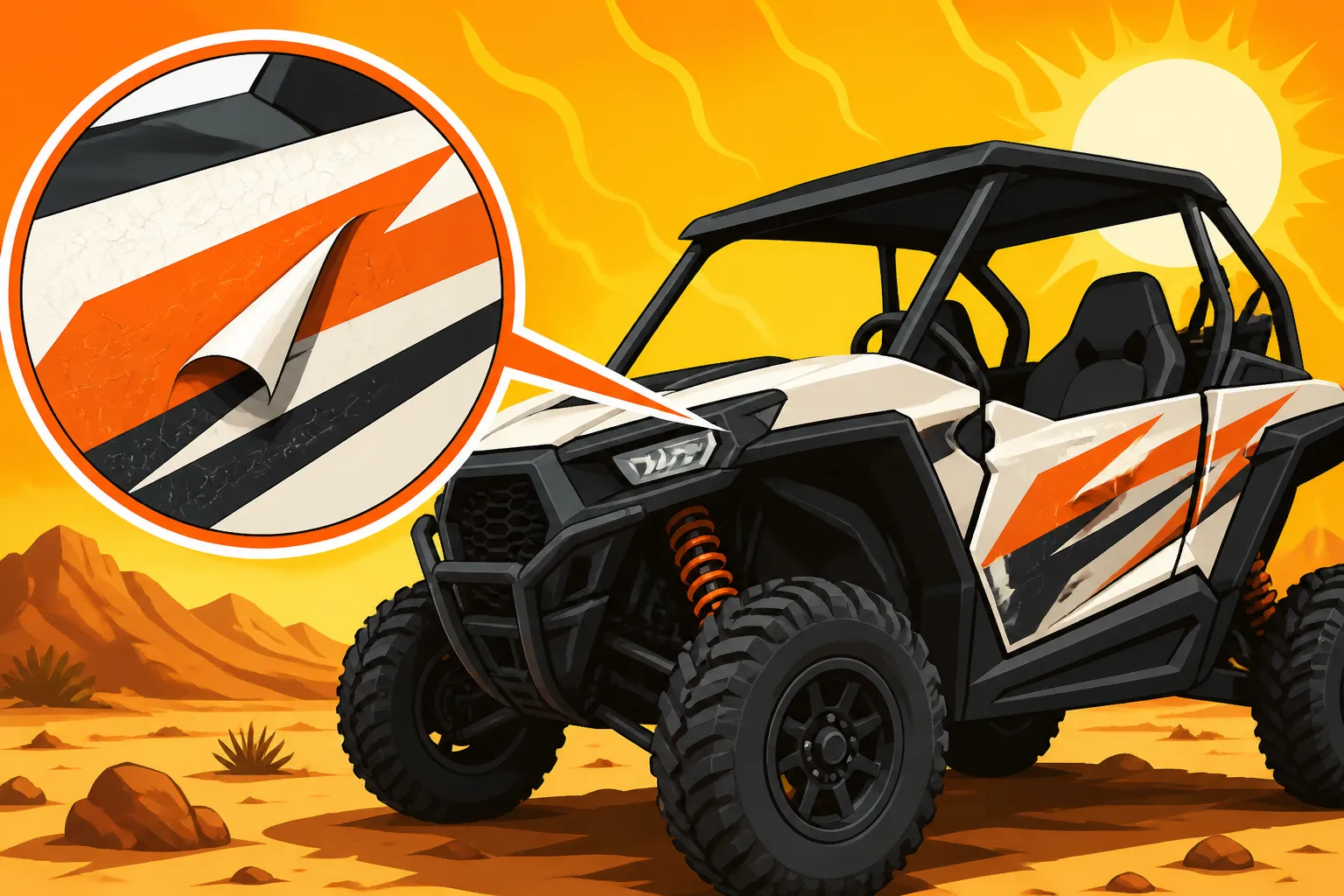
Picture this: you've just spent a fantastic weekend tearing up the dunes at Sand Mountain or exploring the incredible trails at Logandale. You get back home, give your ATV or UTV a much-needed wash, and notice it. A corner of your freshly applied registration decal is lifting. Or perhaps the vibrant colors have faded into a pale ghost of their former selves, making the numbers almost impossible to read. It's a common complaint among Nevada riders, and it's absolutely infuriating because you know that decal is your proof of registration.
Nevada's desert environment, while breathtakingly beautiful for riding, is notoriously harsh on everything, including those little stickers that are so crucial for legal operation. The relentless sun, the fine dust that gets everywhere, and the extreme temperature swings all conspire against the integrity of your decal. It's not just cosmetic; a compromised decal can put you in a tough spot with local authorities, making your well-intentioned compliance seem questionable.
Why Nevada's Desert Climate Is So Hard on Decals
Nevada's landscape is defined by its extremes, and these very conditions are the archenemy of adhesive decals. First and foremost, the sun here is no joke. Intense UV radiation acts like a persistent attacker, breaking down the pigments in the decal and the chemical bonds in its adhesive. It's similar to how paint fades on an older vehicle that's constantly exposed to the elements – only faster, because decals are thinner and less robust. This isn't a problem unique to one type of decal; even high-quality vinyl will eventually succumb to Nevada's solar assault.
Beyond the sun, we have the heat. Summer temperatures in the low desert areas can easily soar above 100 degrees Fahrenheit, and direct sunlight on a dark plastic or metal surface can make that temperature even higher. This extreme heat softens the adhesive, making it more pliable and prone to peeling, especially around the edges where dust and grit can work their way underneath. Then, the daily temperature fluctuations—hot days, cooler nights—cause the materials to expand and contract repeatedly, which further stresses the adhesive bond, leading to cracks and lifts. Factor in the constant bombardment of fine dust and strong winds, which act like sandpaper on the surface, and you have a perfect storm for decal degradation.
The Problems a Damaged Decal Creates for Riders
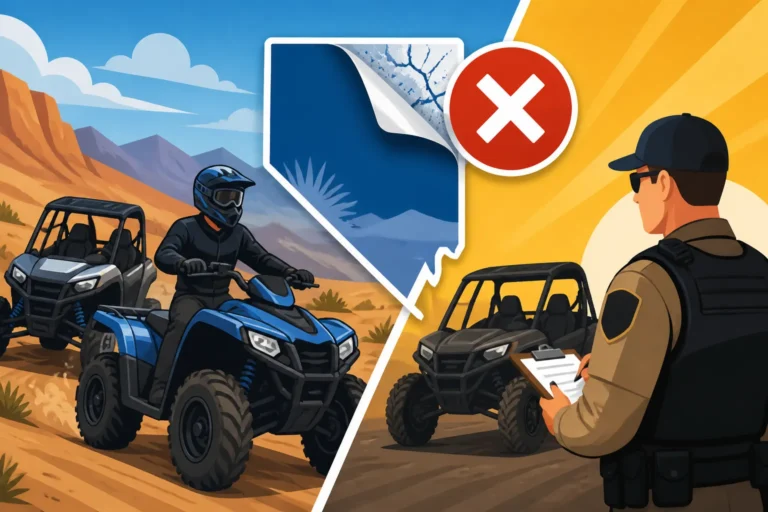
A faded or peeling decal isn't just an eyesore; it's a potential legal liability that can quickly turn a fun day of riding into a frustrating encounter. The primary purpose of that decal is to clearly display your current registration, proving that your machine is legal to operate on public lands. If the numbers are illegible or the decal is barely hanging on, a deputy or ranger might have difficulty verifying your compliance. While they can look up your registration by VIN, a visible, intact decal is the first thing they look for, especially at popular riding spots like [Sand Mountain] or when patrolling [Logandale Trails].
If your decal is severely compromised, you could face a citation for an unregistered vehicle, even if you've paid all your fees. This can mean a fine and the hassle of proving your registration after the fact. It essentially makes it appear as though you're riding an unregistered machine, which is something you definitely want to avoid. Imagine explaining to a ranger that your decal simply couldn't handle the heat when they're inspecting everyone's vehicle. It's a scenario no one wants to be in, and it highlights the importance of having a clear, legible decal displayed properly, typically on the [Left Side or Rear: Where the Decal Goes] of your machine.
Protecting Your Nevada OHV Decal: Prevention and Best Practices
Given the brutal conditions our decals face, it’s only natural to want to extend their life as much as possible. While you can't completely stop the sun and heat from doing their thing, there are definitely steps you can take to give your decal a fighting chance. Think of it like taking care of your skin in the desert – you wouldn't go out without sunscreen, right? Your decal needs a little TLC too.
Preventative measures start even before the decal is applied and continue through how you store and maintain your machine. Investing a little time upfront can save you a lot of hassle and potential fines down the road. It's about being proactive rather than reactive, especially when the alternative means dealing with bureaucratic processes just to replace a sticker.
Proper Application Techniques for Longevity
The foundation of a long-lasting decal application starts with meticulous surface preparation. When you receive your new decal after [Renewing a Nevada OHV Decal], don't just rip off the old one and slap on the new. First, make sure the surface where the decal will be applied is thoroughly clean, dry, and free of any wax, grease, or residue. Use rubbing alcohol or a specialized decal prep solution, then wipe it completely dry. Any contaminants left behind will compromise the adhesive's ability to bond properly, creating weak spots where peeling can begin.
Next, consider the temperature. Applying a decal on a scorching hot day can make the vinyl too pliable and the adhesive too soft, leading to bubbles or imperfect adhesion. Conversely, a very cold surface can make the adhesive stiff and less effective. Aim for application on a mild day, ideally between 60-80 degrees Fahrenheit, and in the shade. Once the decal is placed, use a squeegee or even a credit card to firmly press out any air bubbles, working from the center outwards. This ensures maximum contact between the adhesive and the machine's surface. Applying firm, even pressure is key to creating a strong, lasting bond, reducing the chances of those dreaded lifted edges that the desert heat loves to exploit.
Storage and Care to Mitigate Heat Damage
Once your decal is properly applied, how you store and care for your OHV can significantly impact its lifespan. The single best thing you can do to protect your decal from the sun and heat is to keep your machine out of direct sunlight whenever possible. Parking it in a garage, under a carport, or even using a high-quality, UV-resistant OHV cover can dramatically reduce its exposure to harmful UV rays and extreme temperatures. Think of how quickly a dashboard cracks in a car left baking in the Nevada sun; your decal faces similar stresses.
When it comes to cleaning, be gentle around your decal. Avoid using harsh chemicals, abrasive sponges, or high-pressure washers directly on the decal, as these can lift edges or strip away protective layers. A mild soap and water solution with a soft cloth is usually sufficient. If you use waxes or polishes on your plastics, try to avoid getting them directly on the decal, as some products can interfere with the decal material or adhesive over time. Regular, gentle cleaning not only keeps your machine looking good but also helps prevent grime from accumulating around the decal's edges, which could otherwise contribute to premature peeling.
What to Do When Your Nevada OHV Decal Is Damaged or Missing
Despite your best efforts, sometimes a decal just gives up the ghost. Whether it's through sheer force of Nevada's elements, an accidental scrape on a tight trail, or just plain wear and tear, finding your decal illegible or missing can be a moment of panic. The good news is that replacing it is a straightforward process, though it does require a bit of planning to ensure you remain compliant while waiting for your new sticker.
The key is to act promptly. Don't wait until you're pulled over by a deputy to realize your decal is gone or unreadable. Being proactive not only keeps you on the right side of the law but also prevents the added stress of a potential citation while you're trying to enjoy your ride. Remember, [What a Nevada OHV Decal Actually Proves] is your legal right to ride, and you want that proof to be clear.
Identifying When a Replacement Decal Is Necessary
So, how do you know if your decal needs replacing? It's not always about a giant chunk missing. Sometimes, the issue is more subtle but equally problematic. The primary indicator is legibility: can the registration numbers and expiration date be clearly read from a reasonable distance? If the colors have faded so much that the numbers blend into the background, or if the decal is cracking, bubbling, or peeling to the point where parts of the text are obscured, it's time for a replacement. A decal that's partially missing but still has visible numbers might still be acceptable, but if more than a quarter of it is gone, or if it's flapping in the wind, you're definitely pushing your luck.
It's about avoiding any ambiguity for law enforcement. If there's any doubt whether your decal is still doing its job of clearly displaying your registration information, err on the side of caution and consider it compromised. You don't want to get caught riding [Riding Nellis Dunes on an Expired Decal] or an unreadable one, as the consequences can range from a friendly warning to a citation. Checking your decal regularly, especially after a particularly dusty or sunny ride, can help you catch issues before they become major problems.
The Process of Ordering a Replacement Decal
If you determine your decal needs replacing, the process is relatively simple. You'll need to contact the Nevada DMV's OHV section. You can often start this process online through the Nevada DMV website, or by mail. They will have a specific form for requesting a replacement decal, which will require your vehicle identification number (VIN) and current registration information. You'll likely need to pay a small fee to cover the cost of the new decal and processing. For detailed instructions on how to submit your request, you can refer to [Ordering a Replacement Decal From Carson City].
It's important to understand that there will be a processing time before your new decal arrives. While [Nevada OHV Registration Processing Times] can vary, it's wise to plan ahead and not wait until the last minute if you know you have upcoming rides. During this waiting period, it's absolutely crucial to carry alternative proof of registration with you, such as your physical registration card. Even better, make copies of your original registration documents and consider storing them in a waterproof bag on your machine. Services like LawDepot can help you generate comprehensive records, including bills of sale or affidavits if needed, to help maintain your essential paperwork.
Here’s a quick overview of common decal issues and what steps you can take:
| Decal Issue | Severity | Action Required | Notes |
|---|---|---|---|
| Fading/Illegible Numbers | High | Order replacement decal immediately. | Can lead to citations for unreadable registration. Carry physical registration card. |
| Peeling Edges (minor) | Low-Medium | Re-adhere if possible; monitor closely. | Small peels might be fixed with a clean surface and firm pressure, but often indicates adhesive failure. Consider replacement if it worsens. |
| Large Sections Peeling/Missing | High | Order replacement decal immediately. | Very likely to incur a citation. Do not ride on public land without alternative proof. |
| Bubbling/Cracking | Medium | Monitor closely; order replacement if legibility affected. | While cosmetic at first, bubbling often precedes peeling or cracking that obscures information. |
| Decal Completely Missing | High | Order replacement decal immediately. | Equivalent to riding unregistered. Avoid riding public land until you have proof of replacement request and current registration card. |
Legal Ramifications and Proving Registration Without a Perfect Decal
Let's be realistic: sometimes, despite your best efforts, your decal might still get damaged or go missing while you're out on the trail, far from a replacement. This is where knowing the legal implications and having alternative proofs of registration becomes incredibly important. You want to avoid any situation where you're accused of riding illegally, especially when you've done your due diligence and paid your fees.
Understanding how law enforcement operates in these situations, and what documentation they consider valid, can save you a lot of grief. It's not just about having the decal; it's about having irrefutable proof of your machine's legal status. A little preparation in this area can make all the difference between a quick verification and a long, drawn-out explanation.
How Law Enforcement Views Damaged or Missing Decals
When a deputy or ranger pulls you over or inspects your machine at a trailhead, their primary concern is compliance. An intact, clearly visible decal is the easiest way for them to confirm your registration status. If your decal is damaged, faded, or missing, it raises an immediate red flag. While they understand that decals can degrade, their job is to enforce the law, and an unreadable decal makes that difficult. They are looking for [What Rangers Check at Sand Mountain], for example, and a clear decal is high on that list.
Depending on the officer and the severity of the damage, you might receive a warning, a "fix-it" ticket, or a full citation. A warning is often given if you can immediately produce your physical registration card and the decal issue is minor. However, if the decal is completely gone, or the numbers are absolutely unreadable, and you don't have alternative proof, you could face fines associated with riding an unregistered OHV. This is why it's so critical to not only have a current registration but also to ensure that proof is readily accessible and understandable. Remember, the rules apply even to visitors; even if you're just enjoying Nevada's trails for a few weeks, an unreadable decal could cause issues.
Carrying Alternative Proof of Nevada OHV Registration
Since that decal is often at the mercy of the elements, always, and I mean always, carry your physical Nevada OHV registration card with you when you ride. This card is the definitive proof of your machine's registration, regardless of the decal's condition. Make sure it's current and matches the VIN of your machine. This is what [What the Registration Card Must Show]. It’s also a good idea to create a copy of your registration and title documents. You can use services like LawDepot to generate general forms that help confirm ownership or create a bill of sale should you ever buy or sell a machine, providing another layer of documentation.
For extra protection, consider taking clear photos of your registration card, title, and even your applied decal with your smartphone. While a photo might not always be accepted as primary proof, it can certainly help corroborate your story in a pinch. Store these documents and photos securely; [Keeping Paperwork Dry in a Dusty Machine] is vital, so a waterproof pouch or a sealed bag is a must. If your decal is truly beyond repair or missing, and you're waiting for a replacement, having your valid registration card is your lifeline. Without it, you could face the penalties for [What Happens When a Nevada Decal Runs Out], even if you've already paid your fees. Always be prepared with a complete [Nevada OHV Registration Paperwork Checklist] before you hit the trails.
Disclaimer
This article is for general informational purposes only and does not constitute professional advice. Laws, prices and regulations vary by location and change over time. Consult a qualified professional for guidance on your specific situation.